Lu Bin, Wang Xiaoping, Fu Jinzhong, Shi Jingsong, Wu Yayong, Qi Yin
Chengdu Institute of Biology, Chinese Academy of Sciences, Chengdu 610041, China.
Nature Conservation of Snake Island and Laotieshan Mountain, Dalian 116041, China.
G3 (Bethesda). 2020 May 4;10(5):1639-1646. doi: 10.1534/g3.120.401101.
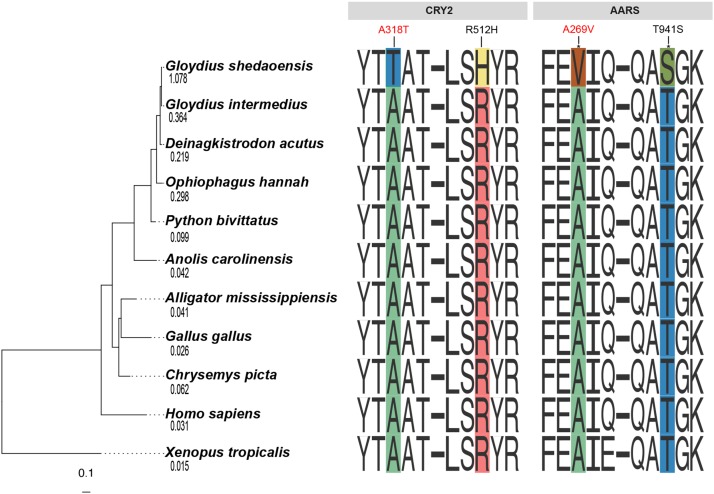
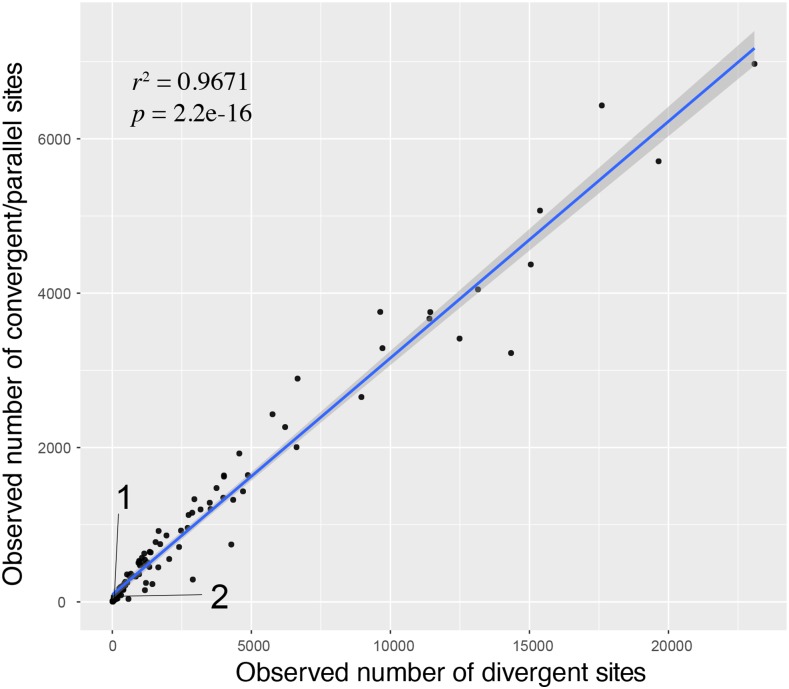
The Shedao pit-viper () exhibits an extreme sedentary lifestyle. The island species exclusively feeds on migratory birds during migratory seasons and experiences prolonged hibernation and aestivation period each year (up to eight months). The sedentary strategy reduces energy expenditure, but may trigger a series of adverse effects and the snakes have likely evolved genetic modifications to alleviate these effects. To investigate the genetic adaptations, we sequenced and compared the transcriptomes of the Shedao pit-viper and its closest mainland relative, the black eyebrow pit-viper (). The Shedao pit-viper revealed a low rate of molecular evolution compared to its mainland relative, which is possibly associated with metabolic suppression. Signals of positive selection were detected in two genes related to antithrombin () and muscle atrophy (). Those genes exert significant functions in thrombosis, inhibiting oxidation and prolonged fasting. Convergent and parallel substitutions of amino acid with two other sedentary vertebrates, which often suggest adaptation, were found in a fatty acid beta-oxidation related gene () and a circadian link gene (), which regulate lipogenesis, gluconeogenesis, and glycolysis. Furthermore, a circadian clock gene () exhibited two amino acid substitutions specific to the Shedao pit-viper and one variant was predicted to affect protein function. Modifications of these genes and their related functions may have contributed to the survival of this island snake species with a sedentary lifestyle and extreme seasonal food availability. Our study demonstrated several important clues for future research on physiological and other phenotypic adaptation.
蛇岛蝮表现出一种极端的定居生活方式。这种岛屿物种在迁徙季节专门以候鸟为食,并且每年经历长时间的冬眠和夏眠期(长达八个月)。这种定居策略减少了能量消耗,但可能引发一系列不利影响,并且这些蛇可能已经进化出基因改变来减轻这些影响。为了研究基因适应性,我们对蛇岛蝮及其最近的大陆近亲——乌苏里蝮的转录组进行了测序和比较。与大陆近亲相比,蛇岛蝮显示出较低的分子进化速率,这可能与代谢抑制有关。在与抗凝血酶和肌肉萎缩相关的两个基因中检测到正选择信号。这些基因在血栓形成、抑制氧化和长期禁食方面发挥着重要作用。在一个与脂肪酸β氧化相关的基因和一个昼夜节律相关基因中发现了与另外两种定居脊椎动物的氨基酸趋同和平行替换,这通常表明存在适应性,这两个基因调节脂肪生成、糖异生和糖酵解。此外,一个昼夜节律钟基因表现出两个蛇岛蝮特有的氨基酸替换,并且预测其中一个变体影响蛋白质功能。这些基因及其相关功能的改变可能有助于这种具有定居生活方式和极端季节性食物供应的岛屿蛇类物种的生存。我们的研究为未来关于生理和其他表型适应性的研究提供了几个重要线索。