Zhang Jun, Fu Zai-Lin, Chu Zhao-Xing, Song Bi-Wei
Department of Pharmacy, The Second Affiliated Hospital of Zhejiang Chinese Medicine University, Hangzhou, Zhejiang 310005, China.
Institute of Pharmacology, Zhejiang University of Technology, Hangzhou, Zhejiang 310014, China.
Evid Based Complement Alternat Med. 2020 Feb 24;2020:6584945. doi: 10.1155/2020/6584945. eCollection 2020.
(L.) Medic flower is a medicinal plant for the treatment of diseases in China. The present study was carried out to scientifically validate the gastroprotective activity and clarify the possible mechanism of the total flavones from (L.) Medic flower is a medicinal plant for the treatment of diseases in China. The present study was carried out to scientifically validate the gastroprotective activity and clarify the possible mechanism of the total flavones from.
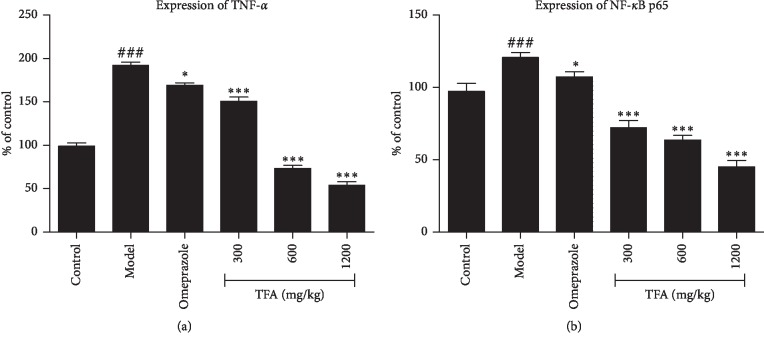
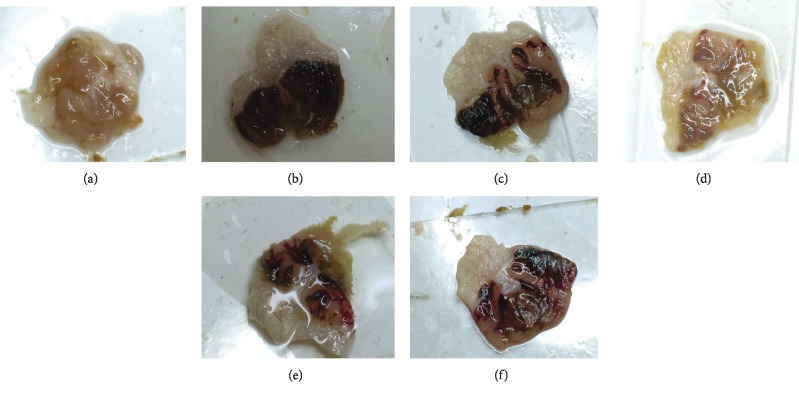
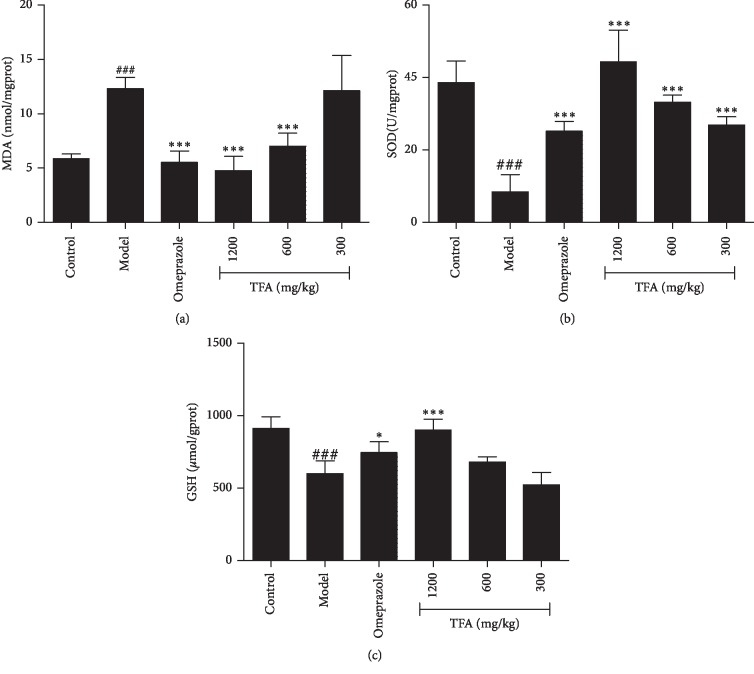
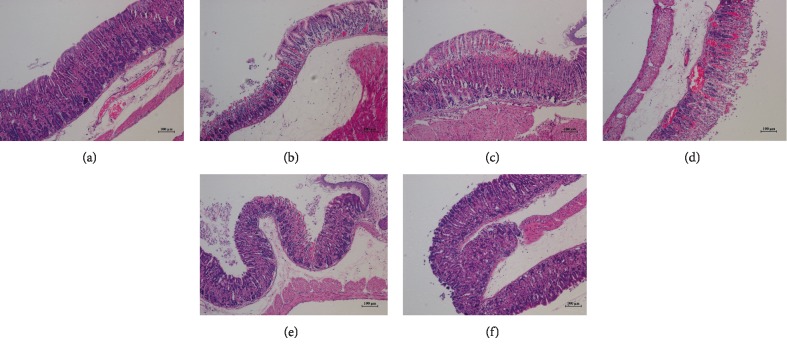
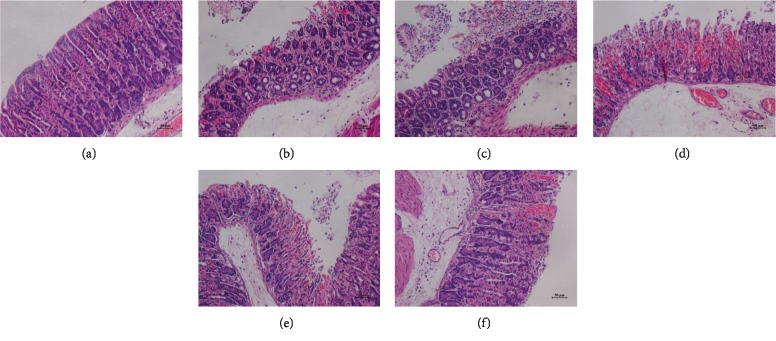
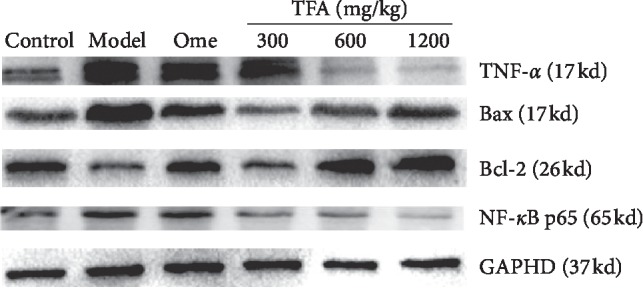
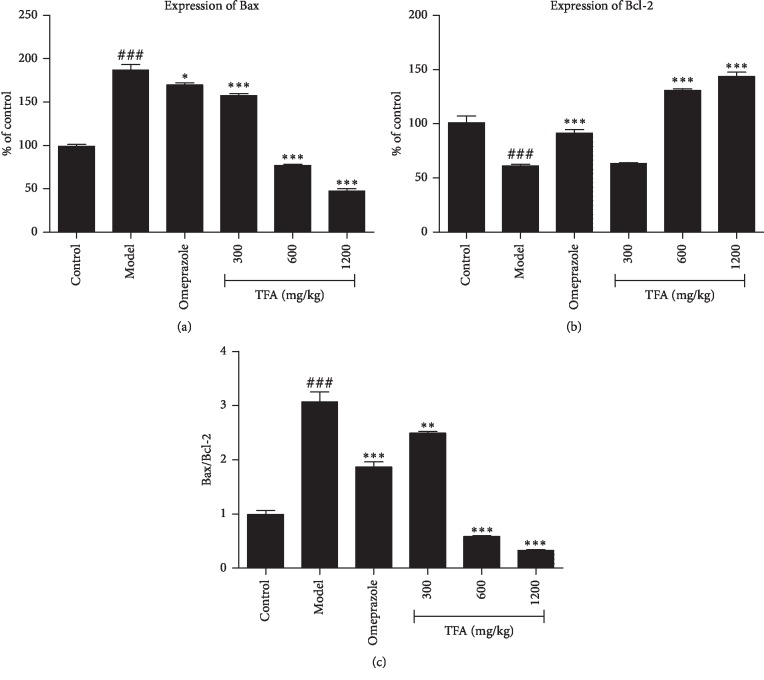
Gastric ulcer was induced in mice by oral administration of ethanol. The gastroprotective activity of TFA was evaluated by the gastric ulcer index and histological examinations. The gastric tissue was collected in the form of homogenate. The level of malondialdehyde (MDA) and glutathione (GSH), the activity of superoxide dismutase (SOD), and protein content were measured. Western blotting for the expression of Bax, Bcl-2, TNF-, and NF-B(p65) was also carried out. The effect of TFA was compared with that of standard antiulcer drug omeprazole (100 mg/kg).
This gastroprotective effect of TFA could be attributed to the increase in the activity of SOD and GSH and decrease in the levels of MDA and also decrease in the levels of Bax, TNF-, and NF-B(p65) was also carried out. The effect of TFA was compared with that of standard antiulcer drug omeprazole (100 mg/kg).
The findings of this study demonstrated that TFA could significantly attenuate ethanol-induced gastric injury via antioxidative, anti-inflammatory, and antiapoptotic effects.
(某种植物拉丁名)Medic花是中国一种用于治疗疾病的药用植物。本研究旨在科学验证其胃保护活性,并阐明该植物总黄酮可能的作用机制。(重复部分未修改,原文表述有误)
通过给小鼠口服乙醇诱导胃溃疡。通过胃溃疡指数和组织学检查评估总黄酮(TFA)的胃保护活性。以匀浆形式收集胃组织。测量丙二醛(MDA)和谷胱甘肽(GSH)的水平、超氧化物歧化酶(SOD)的活性以及蛋白质含量。还进行了Bax、Bcl-2、肿瘤坏死因子-α(TNF-α)和核因子-κB(p65)表达的蛋白质印迹分析。将TFA的效果与标准抗溃疡药物奥美拉唑(100mg/kg)的效果进行比较。
TFA的这种胃保护作用可归因于SOD和GSH活性的增加以及MDA水平的降低,并且Bax、TNF-α和NF-κB(p65)水平也降低。将TFA的效果与标准抗溃疡药物奥美拉唑(100mg/kg)的效果进行比较。
本研究结果表明,TFA可通过抗氧化、抗炎和抗凋亡作用显著减轻乙醇诱导的胃损伤。