Chang Shun-Fu, Liu Shih-Feng, Chen Cheng-Nan, Kuo Ho-Chang
1Department of Medical Research and Development, Chiayi Chang Gung Memorial Hospital, Chiayi, Taiwan.
2Department of Respiratory Therapy, Kaohsiung Chang Gung Memorial Hospital, Kaohsiung, Taiwan.
Cell Biosci. 2020 Mar 11;10:36. doi: 10.1186/s13578-020-00400-8. eCollection 2020.
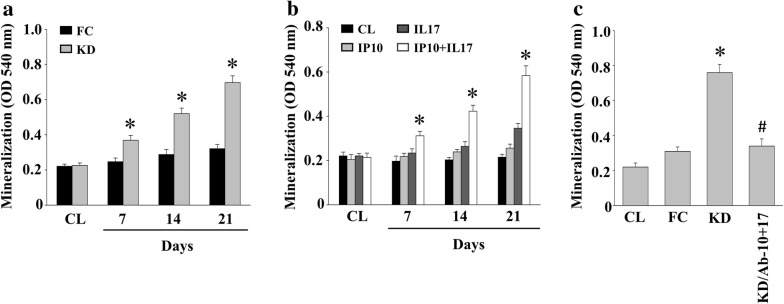
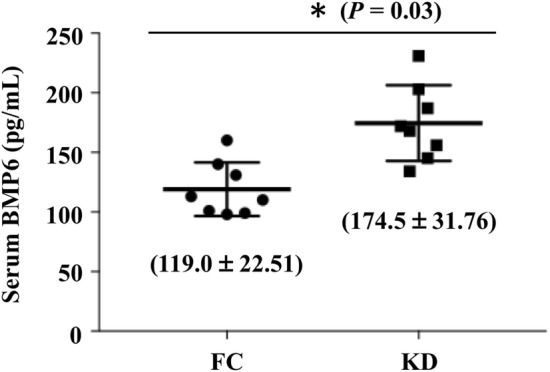
Kawasaki disease (KD) is one of the major causes of heart disease and vasculitis in children under 5 years old in the world. Clinical evidence has shown that coronary artery calcification may develop in KD patients, however the mechanism has not been elucidated. Previous studies have found that interferon-γ-inducible protein (IP)-10 and interleukin (IL)-17 can be elevated and may play a role in KD development and coronary artery lesion formation. The purpose of this in vitro study was to investigate the possible role of plasma circulating IP-10 and IL-17 of KD patients in vascular calcification development and its underlying mechanism.
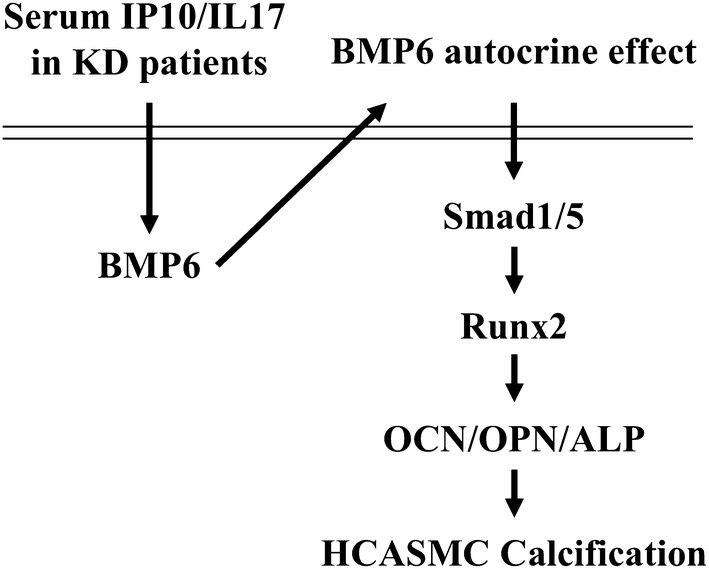
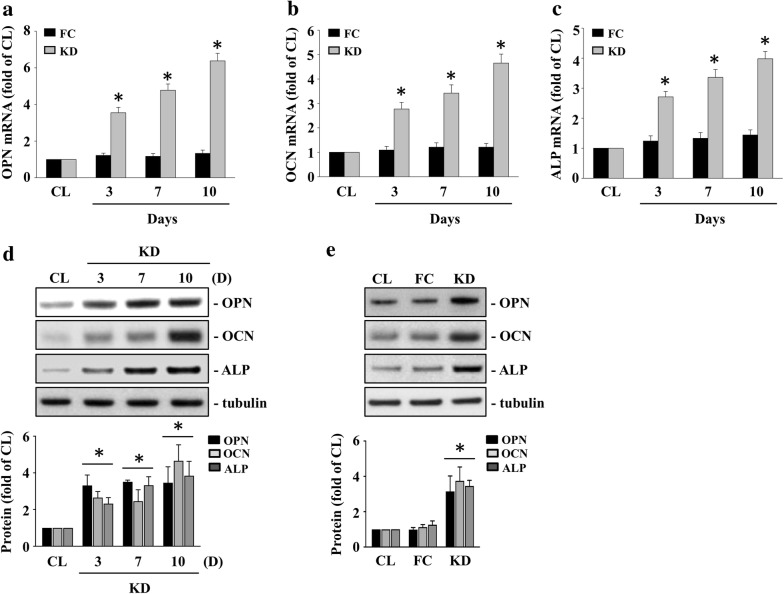
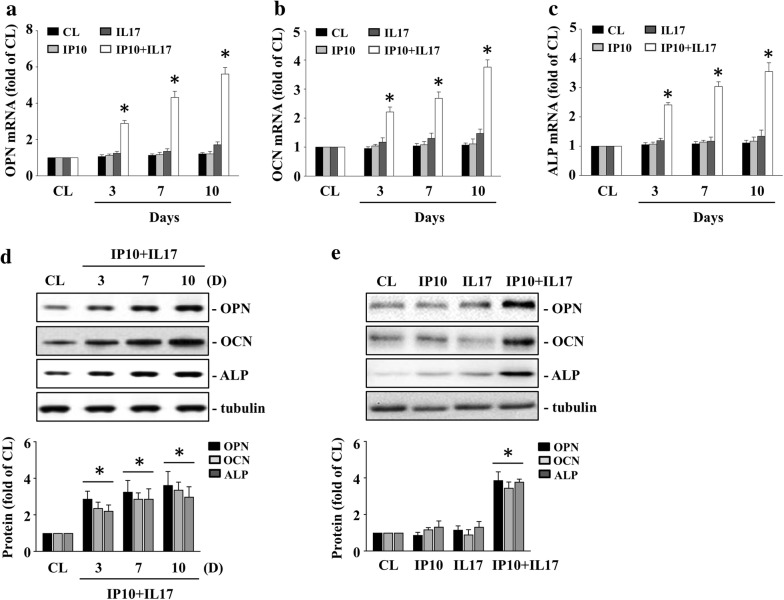
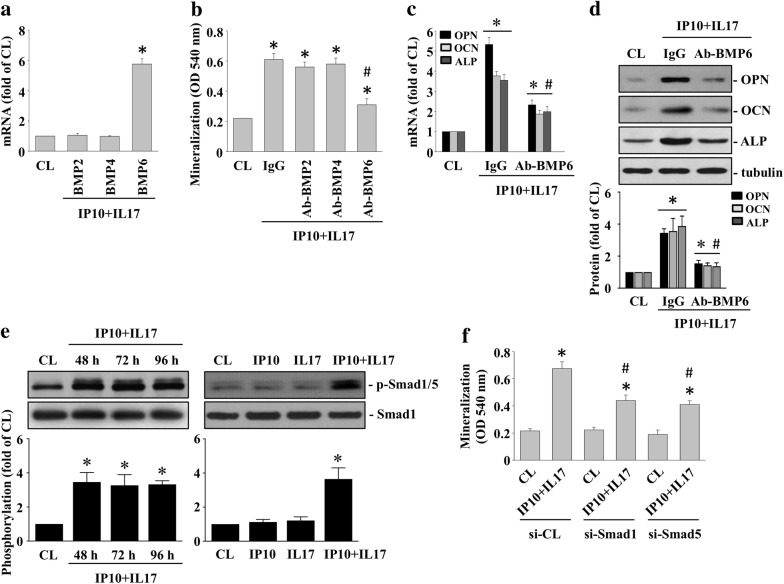
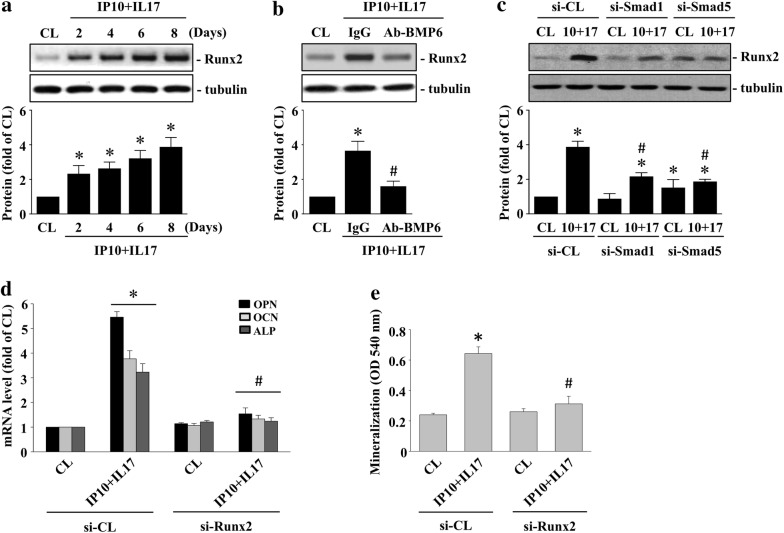
Human coronary artery smooth muscle cells (HCASMCs) were used in this study. We found that HCASMCs treated with IP-10/IL-17-containing KD serum and co-treated with IP-10/IL-17 recombinant proteins could induce a phenotype that may promote vascular calcification by the bone morphogenetic protein (BMP) 6 autocrine effect. Moreover, the BMP6 autocrine stimulation in IP-10/IL-17 co-treated HCASMCs could upregulate the smad1/5-runx2 signaling activation, thus increasing the expression of bone matrix-related proteins, i.e., osteopontin, osteocalcin, and alkaline phosphatase.
The presented in vitro results provided new insights into the comprehension of the pathogenesis of vascular calcification in SMCs in KD progression. Although additional in vivo experimental models should be completed to confirm the in vivo relevance of these in vitro findings, the results related to the autocrine role of BMP6 may provide a new direction for theranostic drug development to treat KD.
川崎病(KD)是全球5岁以下儿童心脏病和血管炎的主要病因之一。临床证据表明,KD患者可能会发生冠状动脉钙化,但其机制尚未阐明。先前的研究发现,干扰素-γ诱导蛋白(IP)-10和白细胞介素(IL)-17水平可能升高,并可能在KD的发展和冠状动脉病变形成中起作用。本体外研究的目的是探讨KD患者血浆循环IP-10和IL-17在血管钙化发展中的可能作用及其潜在机制。
本研究使用了人冠状动脉平滑肌细胞(HCASMCs)。我们发现,用含IP-10/IL-17的KD血清处理并与IP-10/IL-17重组蛋白共同处理的HCASMCs可诱导一种表型,该表型可能通过骨形态发生蛋白(BMP)6自分泌效应促进血管钙化。此外,IP-10/IL-17共同处理的HCASMCs中的BMP6自分泌刺激可上调smad1/5-runx2信号激活,从而增加骨基质相关蛋白(即骨桥蛋白、骨钙素和碱性磷酸酶)的表达。
本体外研究结果为理解KD进展中平滑肌细胞血管钙化的发病机制提供了新的见解。尽管应完成额外的体内实验模型以确认这些体外研究结果的体内相关性,但与BMP6自分泌作用相关的结果可能为治疗KD的治疗诊断药物开发提供新方向。