Vegetable and Fruit Improvement Center, Department of Horticultural Sciences, Texas A&M University, 1500 Research Parkway, College Station, TX, 77845, United States.
Department of Horticultural Sciences, Texas A&M AgriLife Research and Extension Center, 2415 E Hwy 83, Weslaco, TX, 78596, United States.
Sci Rep. 2020 Mar 19;10(1):5037. doi: 10.1038/s41598-020-61696-7.
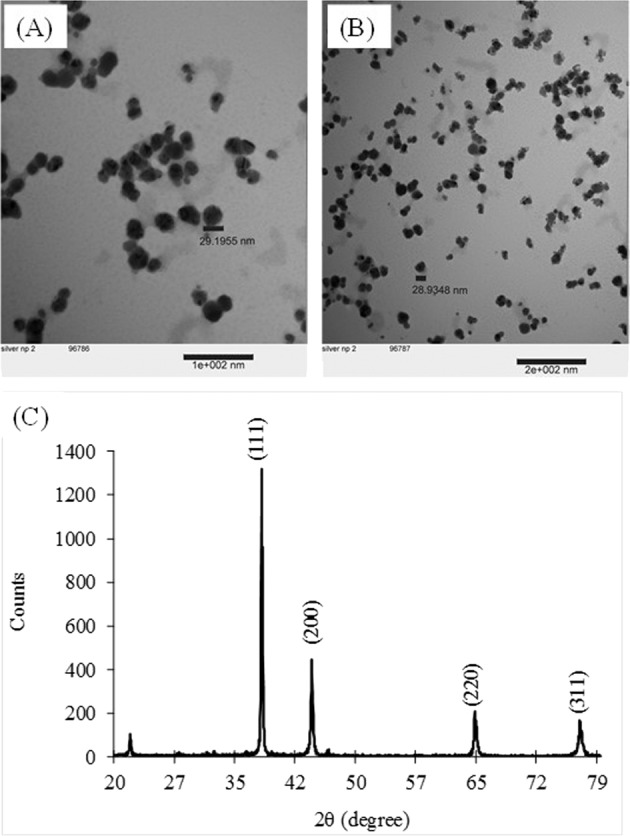
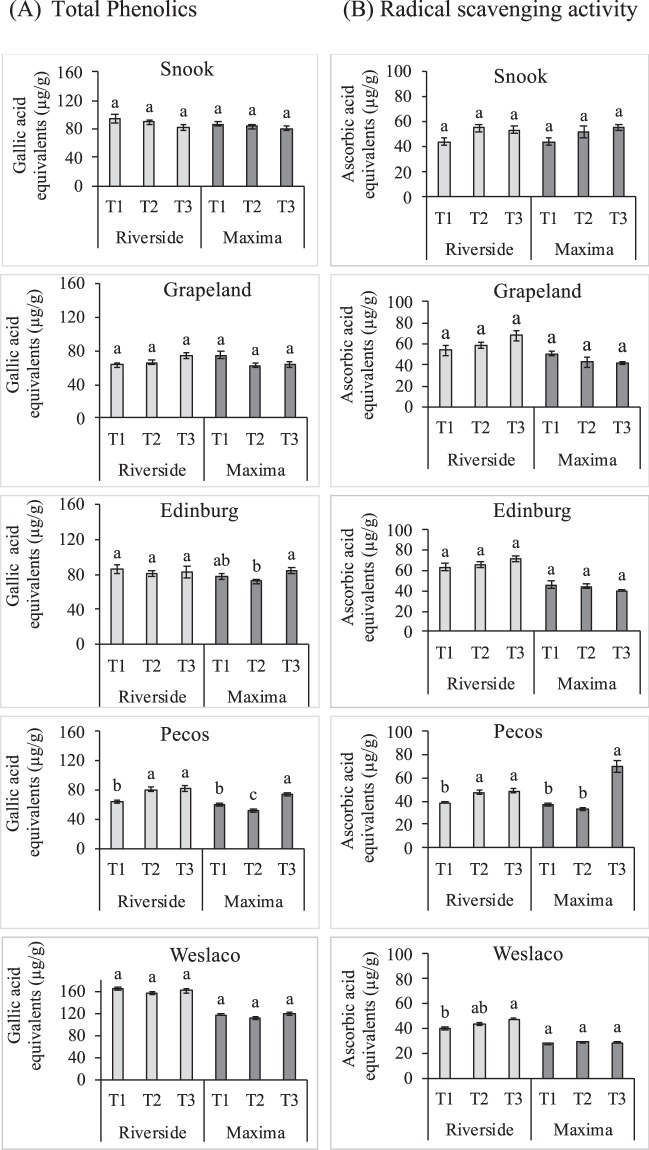
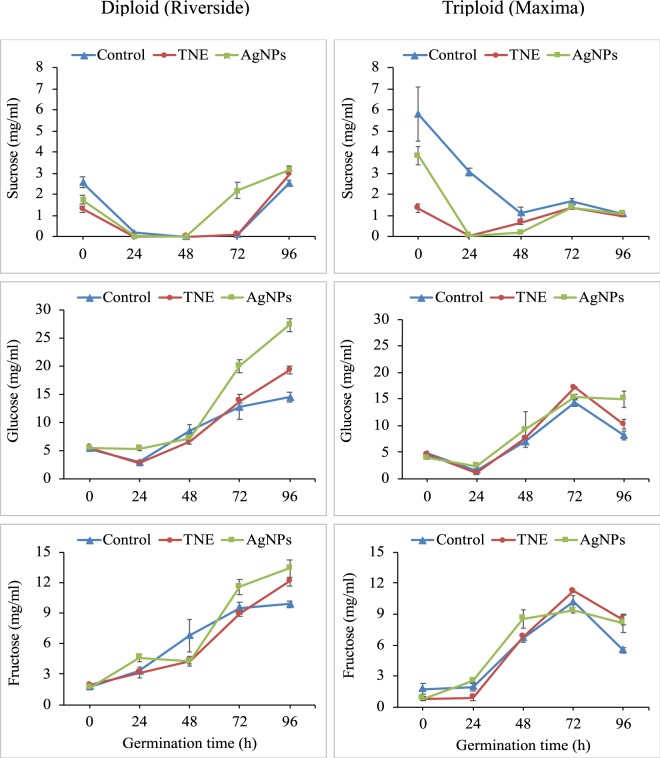
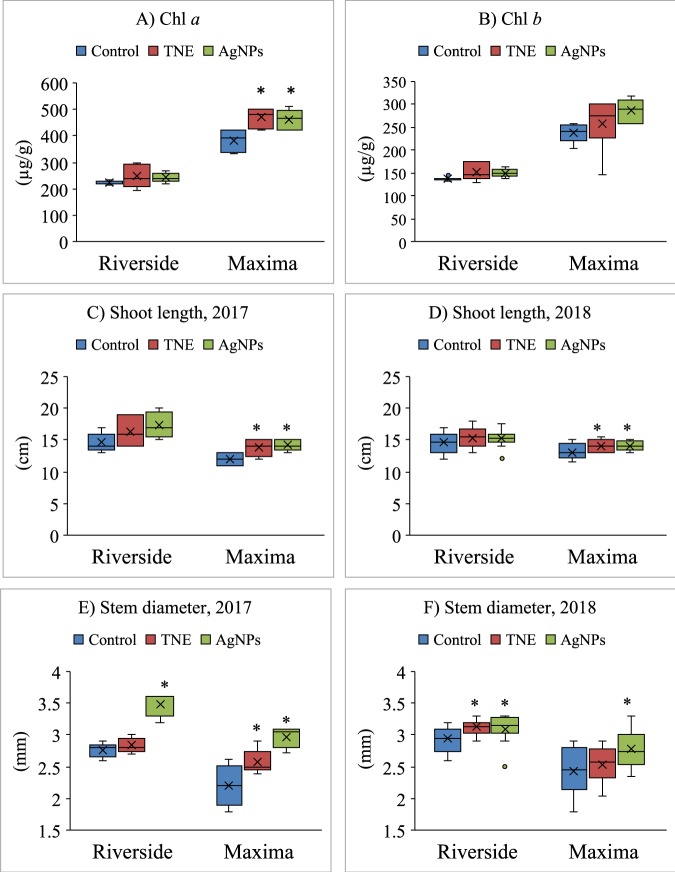
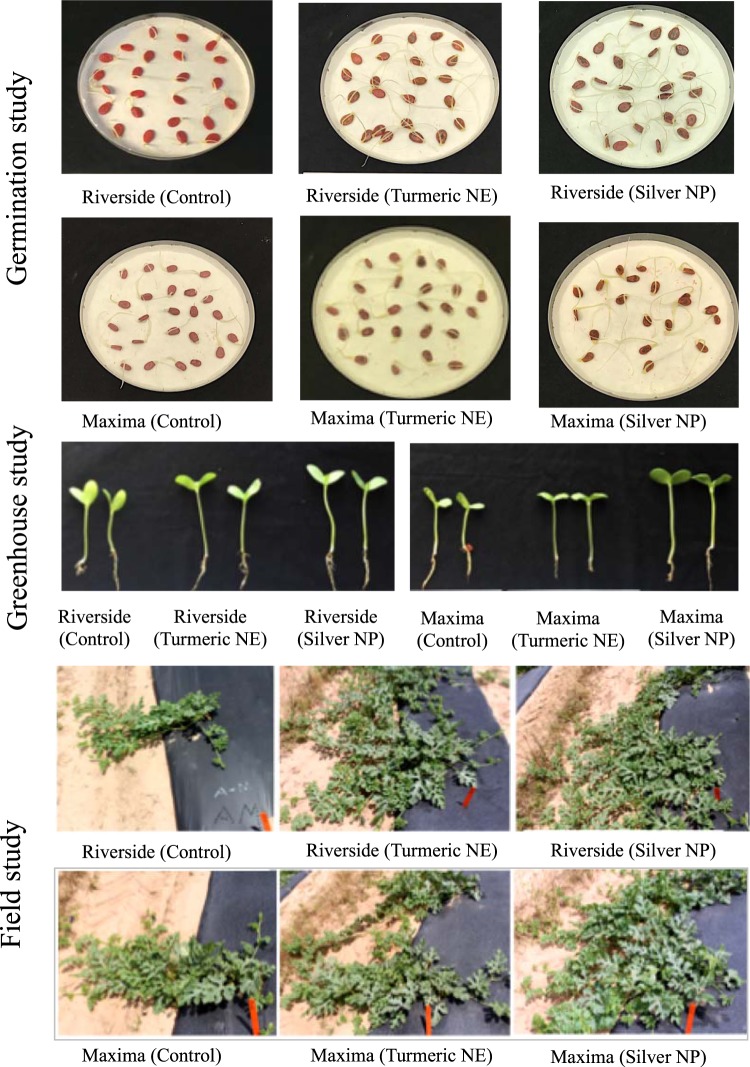
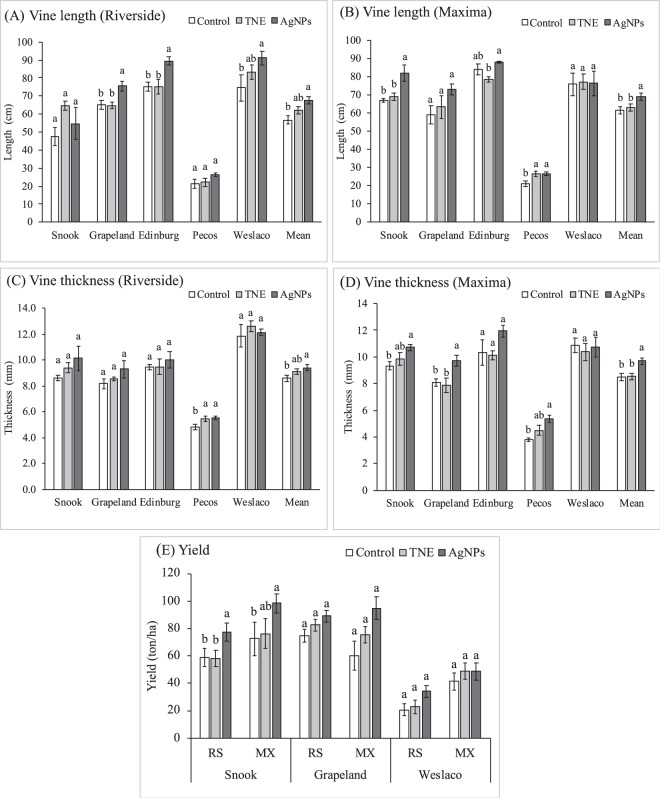
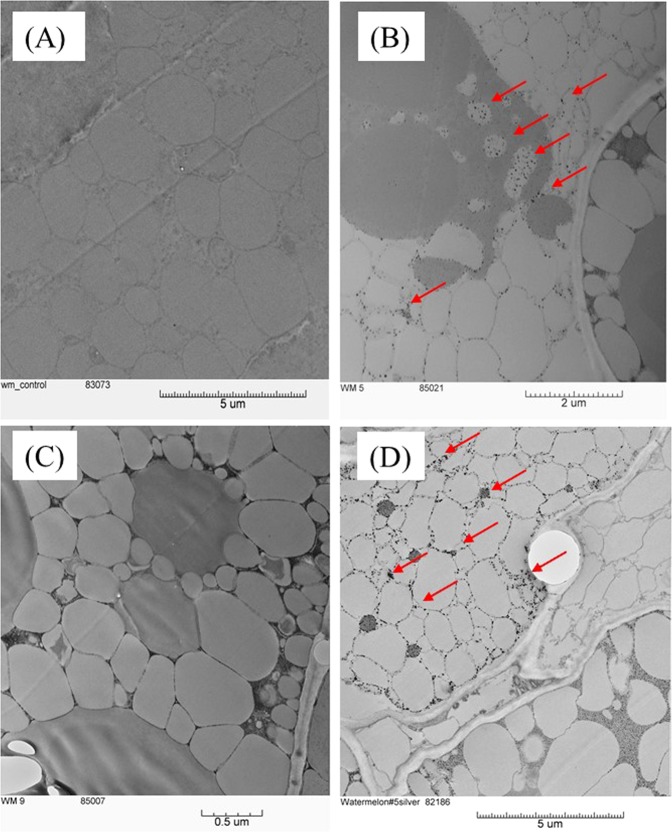
Seed priming uses treatments to improve seed germination and thus potentially increase growth and yield. Low-cost, environmentally friendly, effective seed treatment remain to be optimized and tested for high-value specialty crop like watermelon (Citrullus lanatus) in multi-locations. This remains a particularly acute problem for triploids, which produce desirable seedless watermelons, but show low germination rates. In the present study, turmeric oil nanoemulsions (TNE) and silver nanoparticles (AgNPs) synthesized from agro-industrial byproducts were used as nanopriming agents for diploid (Riverside) and triploid (Maxima) watermelon seeds. Internalization of nanomaterials was confirmed by neutron activation analysis, transmission electron microscopy, and gas chromatography-mass spectrometry. The seedling emergence rate at 14 days after sowing was significantly higher in AgNP-treated triploid seeds compared to other treatments. Soluble sugar (glucose and fructose) contents were enhanced during germination in the AgNP-treated seeds at 96 h. Seedlings grown in the greenhouse were transplanted at four locations in Texas: Edinburg, Pecos, Grapeland, and Snook in 2017. At Snook, higher yield 31.6% and 35.6% compared to control were observed in AgNP-treated Riverside and Maxima watermelons, respectively. To validate the first-year results, treated and untreated seeds of both cultivars were sown in Weslaco, Texas in 2018. While seed emegence and stand establishments were enhanced by seed priming, total phenolics radical-scavenging activities, and macro- and microelements in the watermelon fruits were not significantly different from the control. The results of the present study demonstracted that seed priming with AgNPs can enhance seed germination, growth, and yield while maintaining fruit quality through an eco-friendly and sustainable nanotechnological approach.
种子引发利用处理方法来提高种子的发芽率,从而有可能提高生长和产量。低成本、环保、有效的种子处理方法仍有待优化和测试,以适用于像西瓜(Citrullus lanatus)这样的高价值特种作物,并且需要在多个地点进行测试。对于三倍体而言,这仍然是一个特别严重的问题,因为三倍体产生理想的无籽西瓜,但发芽率低。在本研究中,姜黄油纳米乳液(TNE)和从农业副产品合成的银纳米颗粒(AgNPs)被用作二倍体(河滨)和三倍体(最大值)西瓜种子的纳米引发剂。通过中子活化分析、透射电子显微镜和气相色谱-质谱联用证实了纳米材料的内化。与其他处理相比,AgNP 处理的三倍体种子在播种后 14 天的幼苗出苗率显著提高。在 AgNP 处理的种子中,在 96 小时的萌发过程中,可溶性糖(葡萄糖和果糖)含量增加。在 2017 年,幼苗在德克萨斯州的四个地点(伊德伯格、皮科斯、格拉普兰和斯努克)温室中进行移栽。在斯努克,AgNP 处理的河滨和最大值西瓜的产量分别比对照高 31.6%和 35.6%。为了验证第一年的结果,在 2018 年德克萨斯州韦斯利科播种了处理过和未处理过的这两个品种的种子。虽然种子引发可以提高种子的萌发、生长和产量,但种子的总酚类自由基清除活性以及西瓜果实中的宏量和微量元素与对照没有显著差异。本研究结果表明,AgNP 种子引发可以通过环保和可持续的纳米技术方法提高种子的发芽率、生长和产量,同时保持果实品质。