Department of Anthropology, University of Pennsylvania, Philadelphia, PA, United States.
Division of Gastroenterology, Hepatology and Nutrition, The Children's Hospital of Philadelphia, Philadelphia, PA, United States.
Front Endocrinol (Lausanne). 2020 Mar 4;11:99. doi: 10.3389/fendo.2020.00099. eCollection 2020.
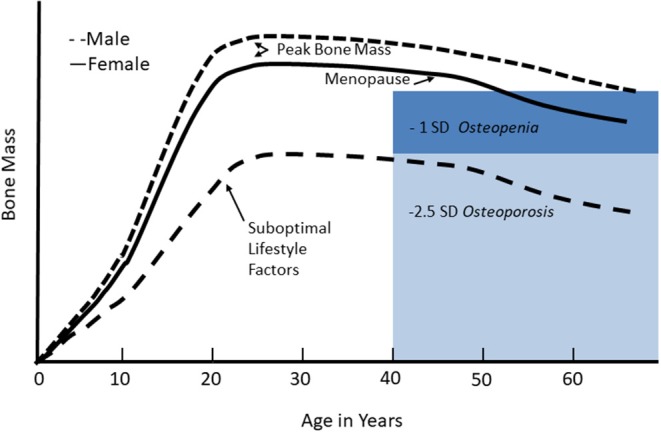
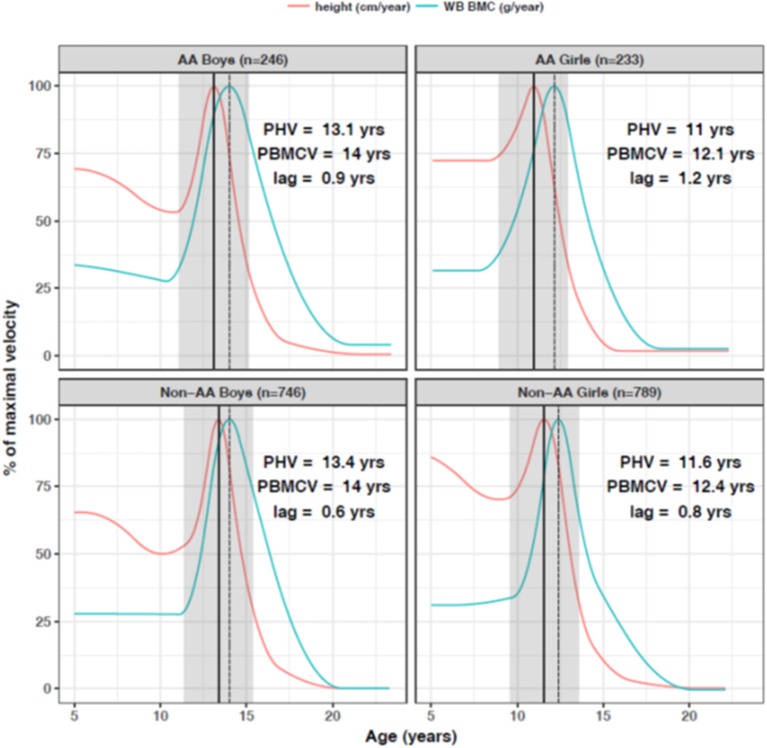
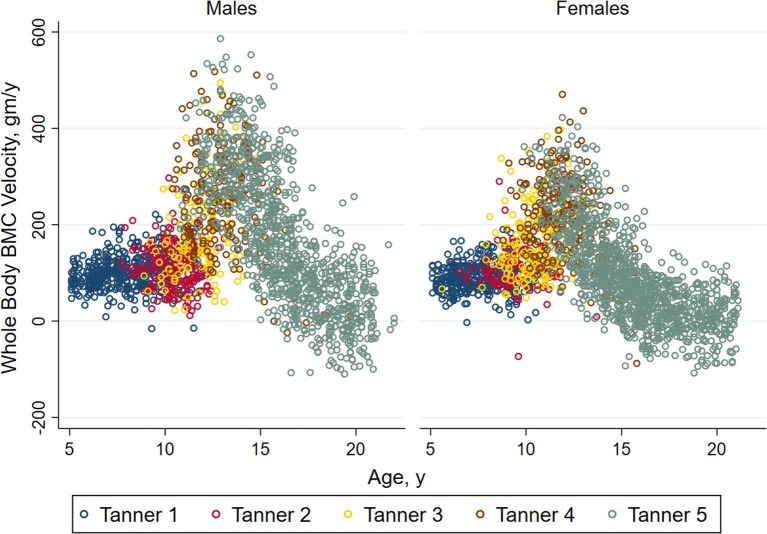
Osteoporosis is a significant cause of morbidity and mortality in contemporary populations. This common disease of aging results from a state of bone fragility that occurs with low bone mass and loss of bone quality. Osteoporosis is thought to have origins in childhood. During growth and development, there are rapid gains in bone dimensions, mass, and strength. Peak bone mass is attained in young adulthood, well after the cessation of linear growth, and is a major determinant of osteoporosis later in life. Here we discuss the evolutionary implications of osteoporosis as a disease with developmental origins that is shaped by the interaction among genes, behavior, health status, and the environment during the attainment of peak bone mass. Studies of contemporary populations show that growth, body composition, sexual maturation, physical activity, nutritional status, and dietary intake are determinants of childhood bone accretion, and provide context for interpreting bone strength and osteoporosis in skeletal populations. Studies of skeletal populations demonstrate the role of subsistence strategies, social context, and occupation in the development of skeletal strength. Comparisons of contemporary living populations and archeological skeletal populations suggest declines in bone density and strength that have been occurring since the Pleistocene. Aspects of western lifestyles carry implications for optimal peak bone mass attainment and lifelong skeletal health, from increased longevity to circumstances during development such as obesity and sedentism. In light of these considerations, osteoporosis is a disease of contemporary human evolution and evolutionary perspectives provide a key lens for interpreting the changing global patterns of osteoporosis in human health.
骨质疏松症是当代人群发病率和死亡率的重要原因。这种常见的老年疾病是由于骨脆弱状态引起的,其特征是骨量低和骨质量丧失。骨质疏松症被认为起源于儿童期。在生长和发育过程中,骨骼的尺寸、质量和强度会迅速增加。峰值骨量在成年早期达到,远在线性生长停止之后,是以后生活中发生骨质疏松症的主要决定因素。在这里,我们讨论了骨质疏松症作为一种具有发育起源的疾病的进化意义,这种疾病是由基因、行为、健康状况和获得峰值骨量期间的环境之间的相互作用所塑造的。对当代人群的研究表明,生长、身体成分、性成熟、身体活动、营养状况和饮食摄入是儿童期骨量积累的决定因素,为解释骨骼人群的骨强度和骨质疏松症提供了背景。骨骼人群的研究表明,生存策略、社会背景和职业在骨骼强度的发展中起着作用。对当代生活人群和考古骨骼人群的比较表明,自更新世以来,骨密度和强度一直在下降。西方生活方式的某些方面对最佳峰值骨量获得和终生骨骼健康具有影响,从延长寿命到发育过程中的肥胖和久坐等情况。有鉴于此,骨质疏松症是当代人类进化的一种疾病,进化观点为解释人类健康中不断变化的全球骨质疏松症模式提供了一个关键视角。