Lairón-Peris María, Pérez-Través Laura, Muñiz-Calvo Sara, Guillamón José Manuel, Heras José María, Barrio Eladio, Querol Amparo
Departamento de Biotecnología de Alimentos, Instituto de Agroquímica y Tecnología de Alimentos, CSIC, Valencia, Spain.
Lallemand Bio, S.L., Madrid, Spain.
Front Bioeng Biotechnol. 2020 Mar 3;8:129. doi: 10.3389/fbioe.2020.00129. eCollection 2020.
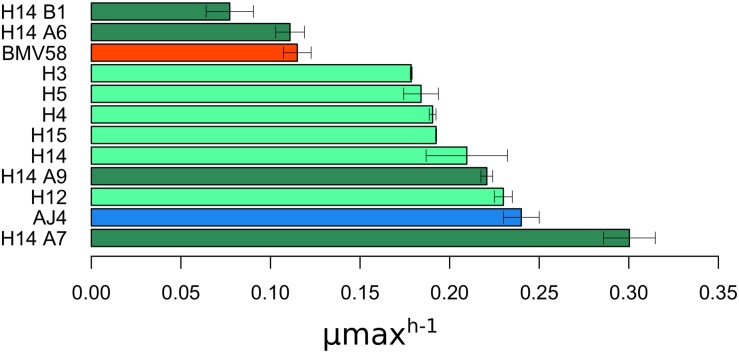
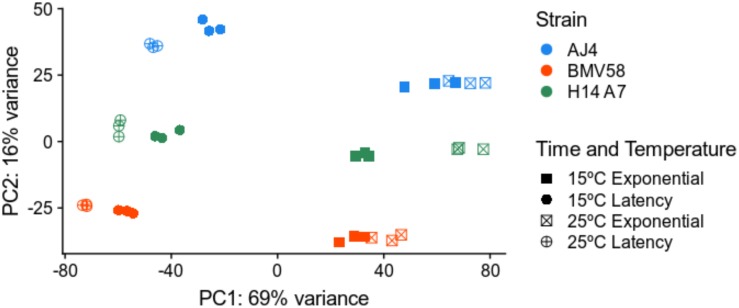
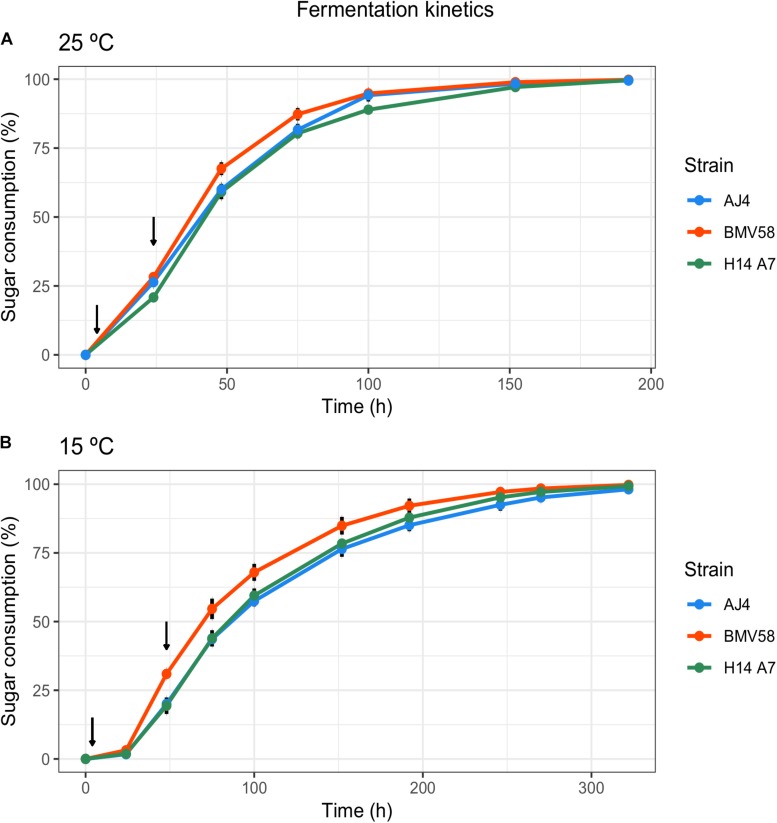
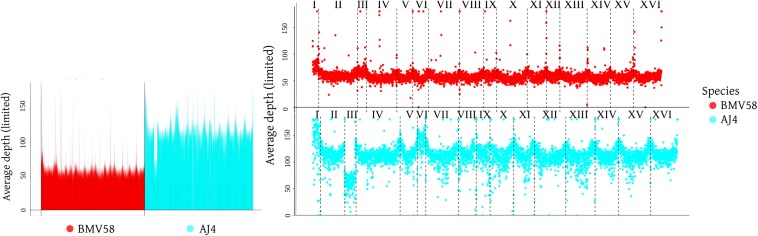
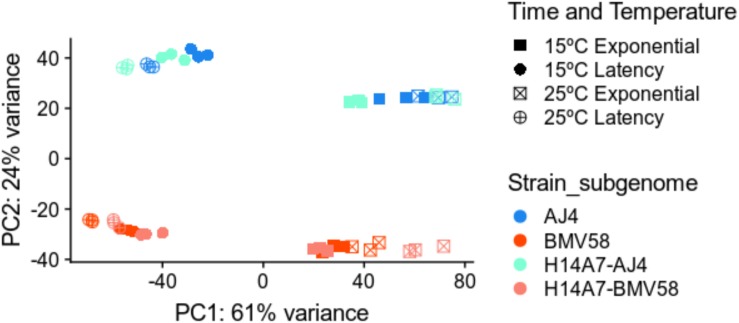
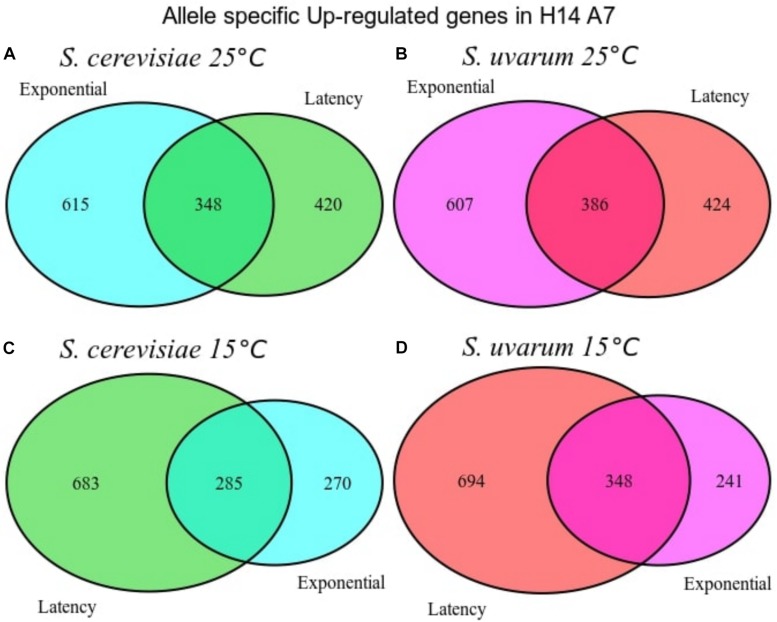
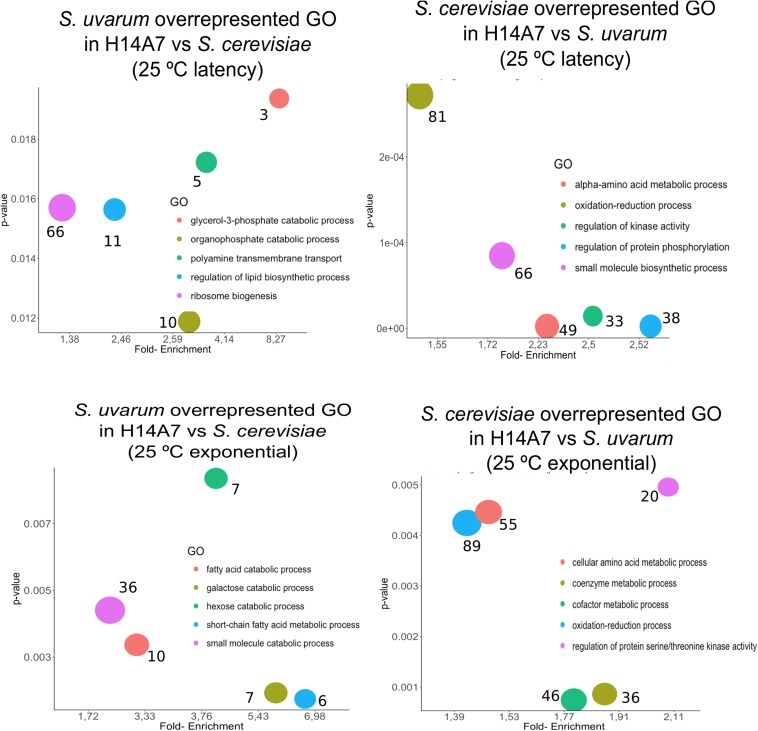
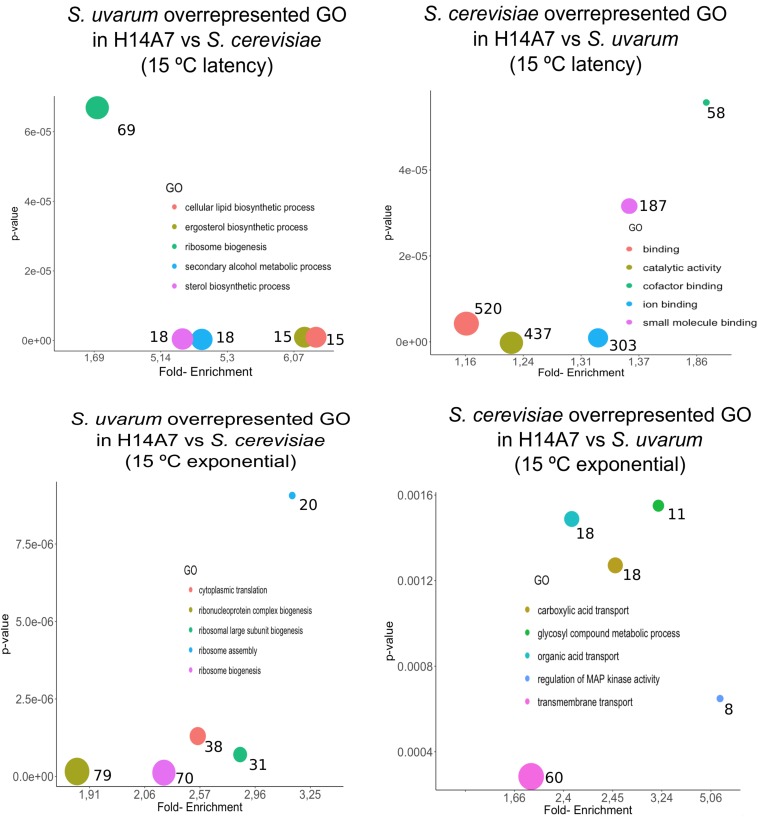
In European regions of cold climate, can replace in wine fermentations performed at low temperatures. is a cryotolerant yeast that produces more glycerol, less acetic acid and exhibits a better aroma profile. However, this species exhibits a poor ethanol tolerance compared with . In the present study, we obtained by rare mating (non-GMO strategy), and a subsequent sporulation, an interspecific × spore-derivative hybrid that improves or maintains a combination of parental traits of interest for the wine industry, such as good fermentation performance, increased ethanol tolerance, and high glycerol and aroma productions. Genomic sequencing analysis showed that the artificial spore-derivative hybrid is an allotriploid, which is very common among natural hybrids. Its genome contains one genome copy from the parental genome and two heterozygous copies of the parental genome, with the exception of a monosomic chromosome III, where the sex-determining locus is located. This genome constitution supports that the original hybrid from which the spore was obtained likely originated by a rare-mating event between a mating-competent diploid cell and either a diploid or a haploid cell of the opposite mating type. Moreover, a comparative transcriptomic analysis reveals that each spore-derivative hybrid subgenome is regulating different processes during the fermentation, in which each parental species has demonstrated to be more efficient. Therefore, interactions between the two subgenomes in the spore-derivative hybrid improve those differential species-specific adaptations to the wine fermentation environments, already present in the parental species.
在欧洲寒冷气候地区,[某种酵母]可在低温葡萄酒发酵中替代[另一种酵母]。[某种酵母]是一种耐低温酵母,能产生更多甘油、更少醋酸,且具有更好的香气特征。然而,与[另一种酵母]相比,该酵母的乙醇耐受性较差。在本研究中,我们通过稀有交配(非转基因策略)及随后的孢子形成,获得了一种种间[某种酵母]×[另一种酵母]的孢子衍生杂种,它改善或维持了葡萄酒行业感兴趣的亲本性状组合,如良好的发酵性能、提高的乙醇耐受性以及高甘油和香气产量。基因组测序分析表明,人工孢子衍生杂种是异源三倍体,这在天然杂种中非常常见。其基因组包含来自[某种酵母]亲本基因组的一个基因组拷贝和来自[另一种酵母]亲本基因组的两个杂合拷贝,但除了单条Ⅲ号染色体(性别决定位点位于其上)为单体染色体外。这种基因组构成支持这样的观点,即获得孢子的原始杂种可能起源于一个有交配能力的[某种酵母]二倍体细胞与相反交配型的[另一种酵母]二倍体或单倍体细胞之间的稀有交配事件。此外,比较转录组分析表明,每个孢子衍生杂种亚基因组在发酵过程中调控不同的过程,其中每个亲本物种在这些过程中已被证明更高效。因此,孢子衍生杂种中两个亚基因组之间的相互作用改善了亲本物种中已存在的对葡萄酒发酵环境的那些不同物种特异性适应。