Department of Toxicology and Cancer Biology, University of Kentucky, Lexington, KY, 40536, USA.
Department of Biostatistics, University of Kentucky, Lexington, KY, 40536, USA.
Oncogene. 2020 May;39(19):3939-3951. doi: 10.1038/s41388-020-1270-z. Epub 2020 Mar 23.
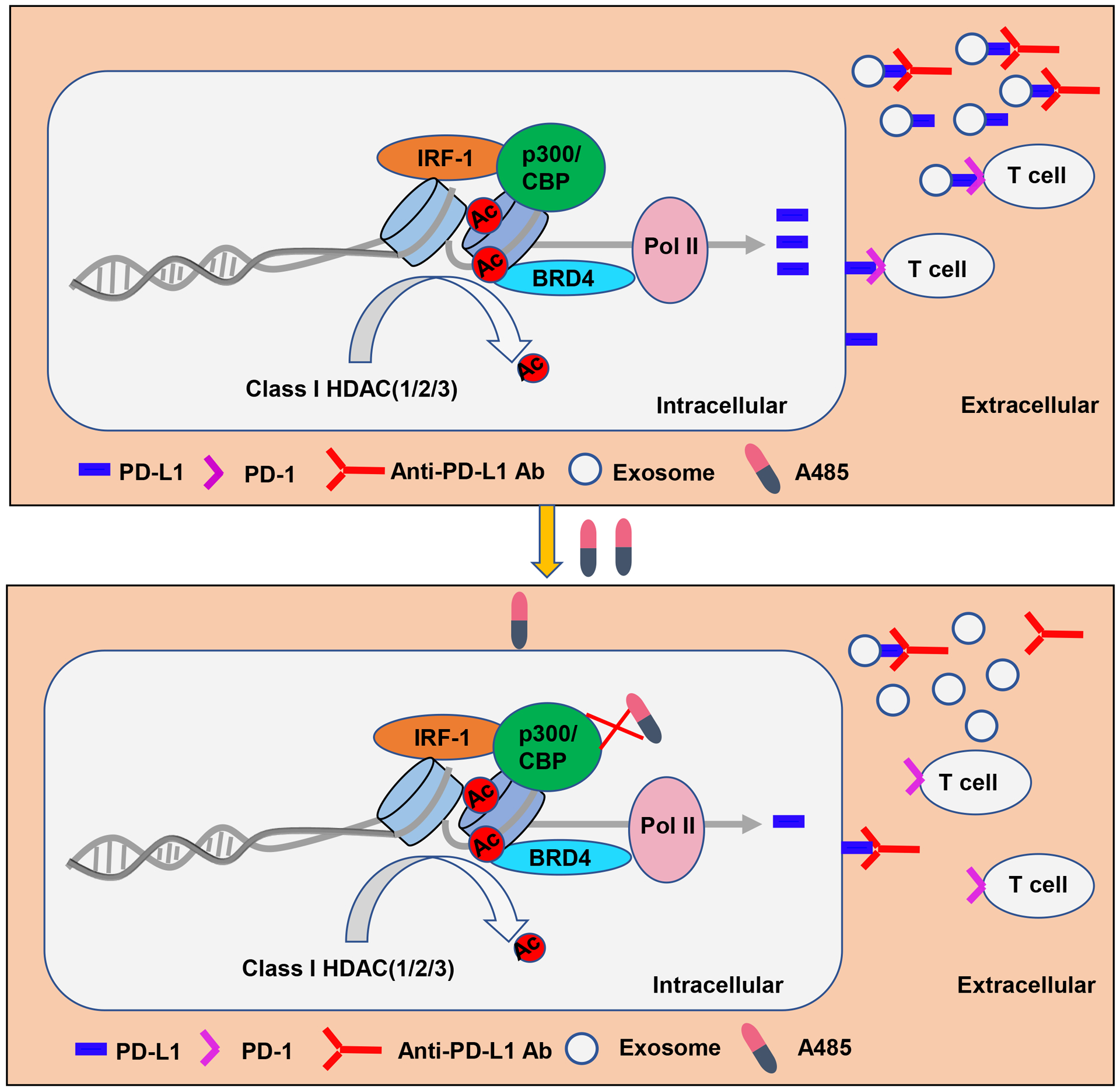
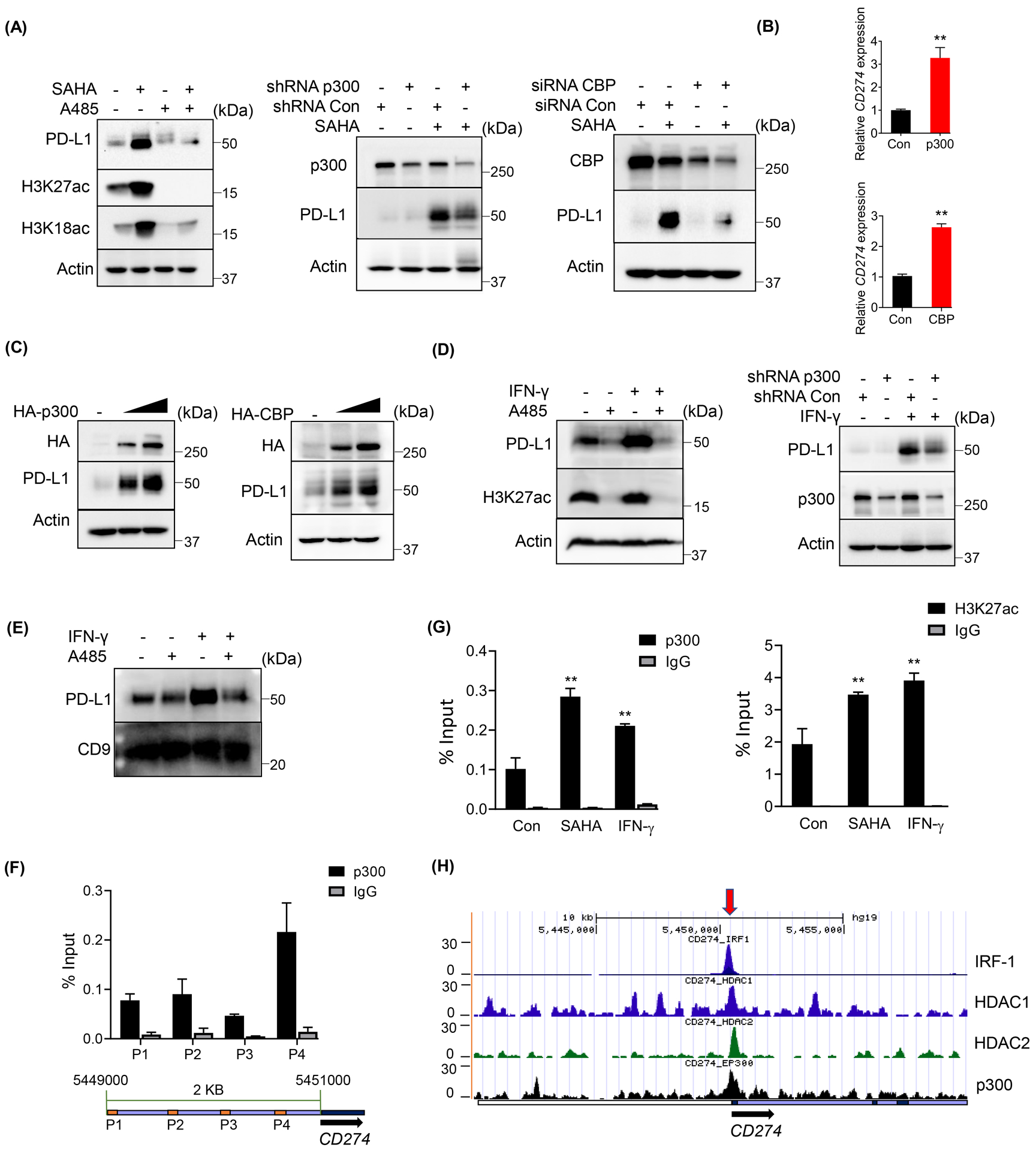
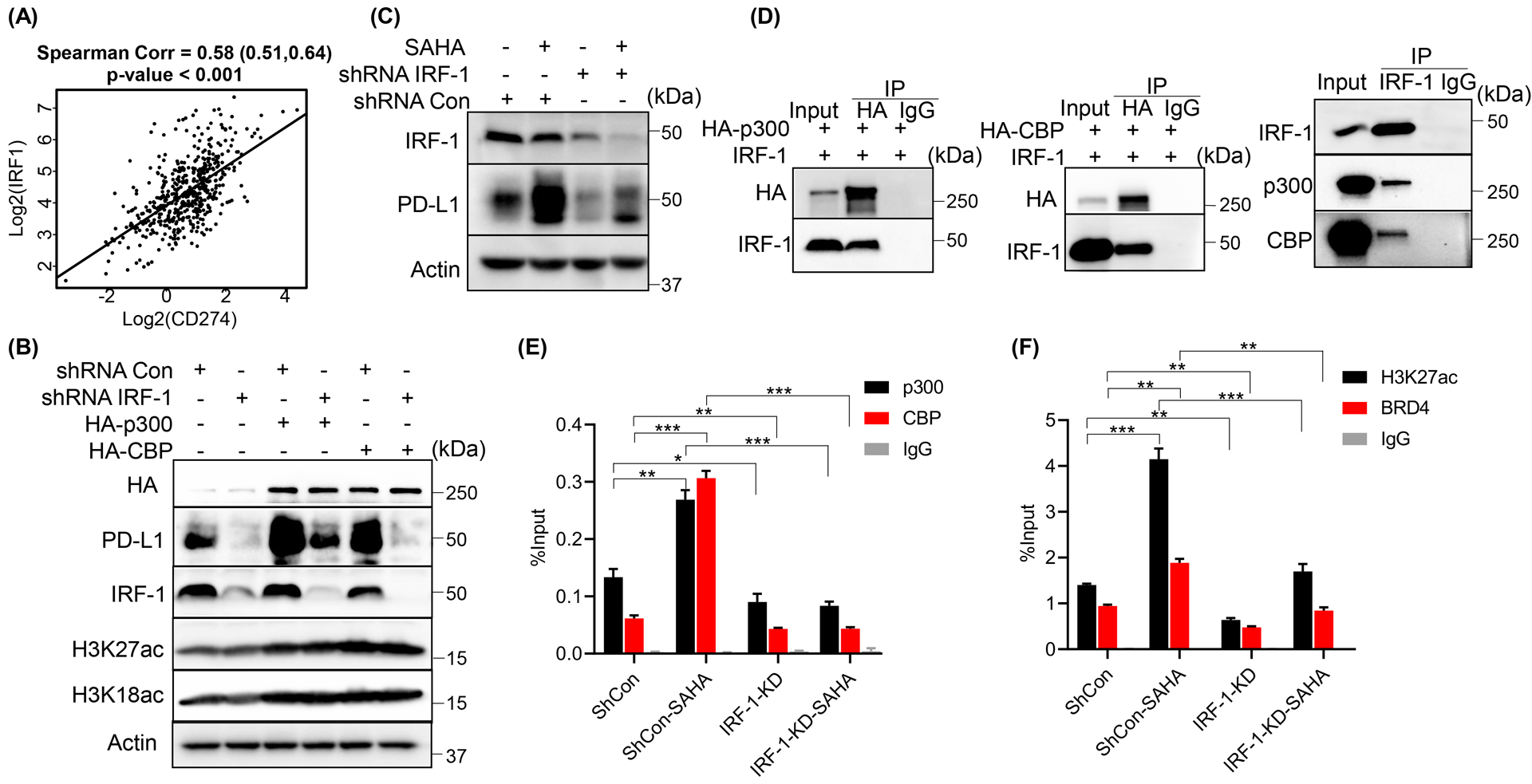
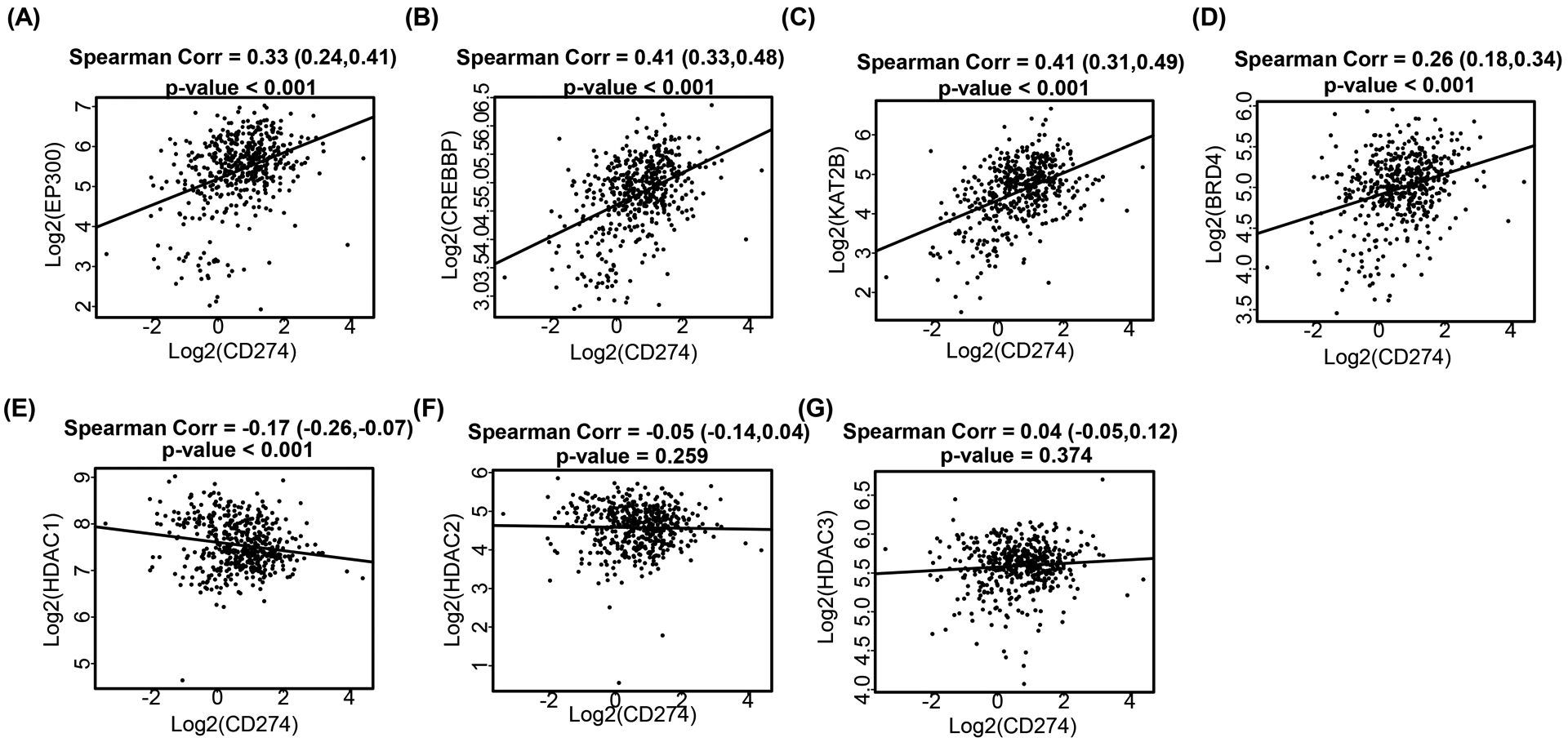
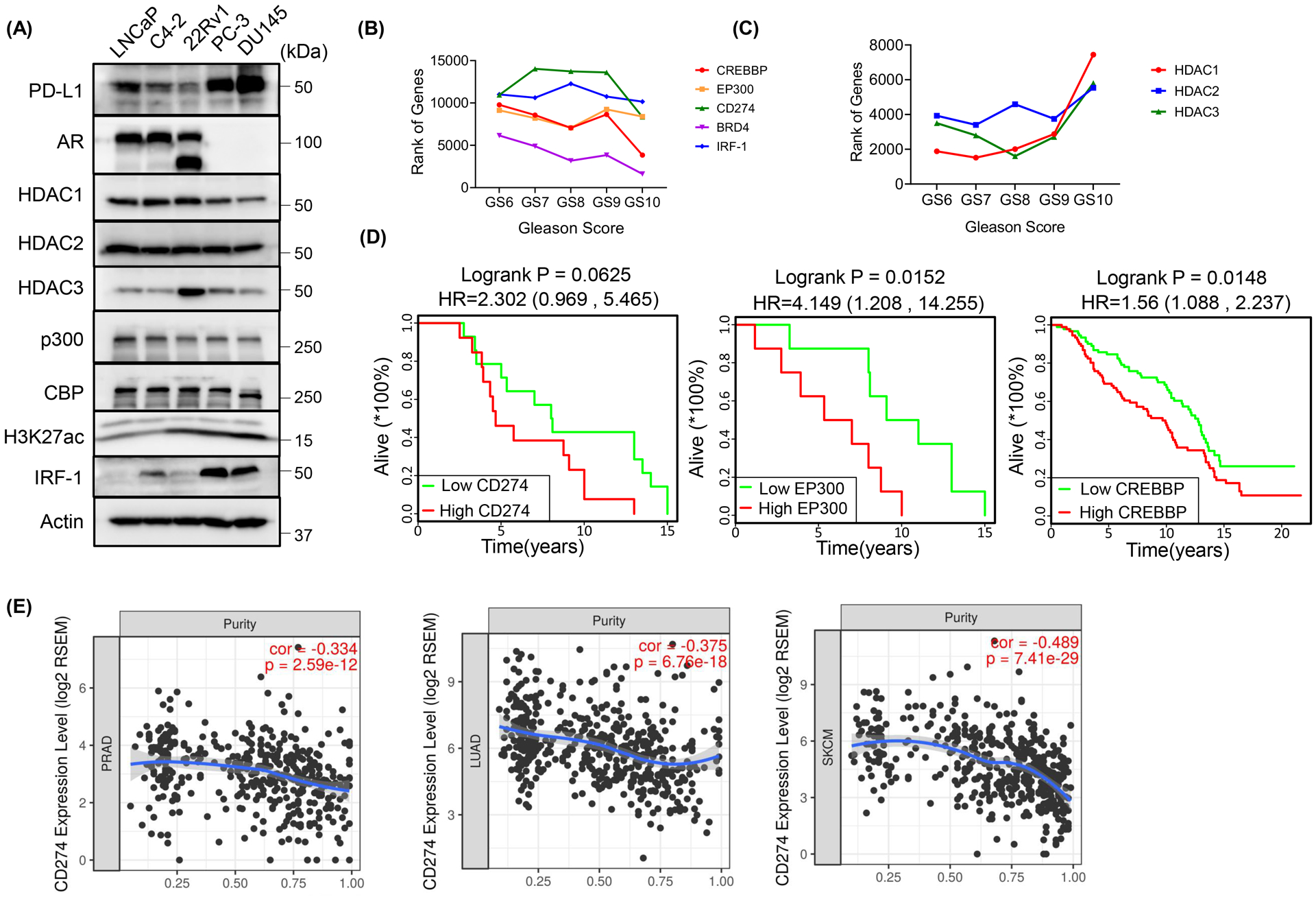
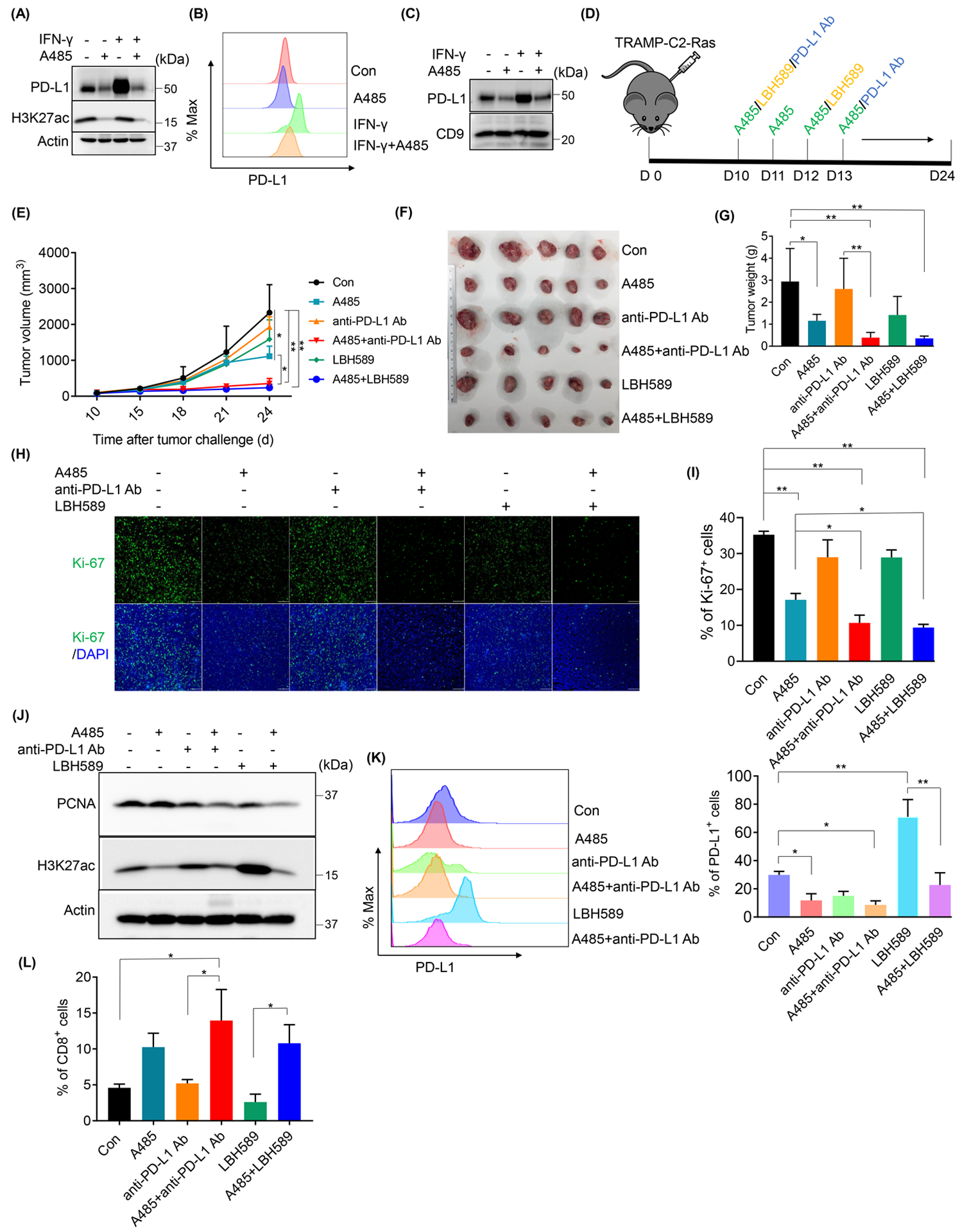
Blockade of programmed death-ligand 1 (PD-L1) by therapeutic antibodies has shown to be a promising strategy in cancer therapy, yet clinical response in many types of cancer, including prostate cancer (PCa), is limited. Tumor cells secrete PD-L1 through exosomes or splice variants, which has been described as a new mechanism for the resistance to PD-L1 blockade therapy in multiple cancers, including PCa. This suggests that cutting off the secretion or expression of PD-L1 might improve the response rate of PD-L1 blockade therapy in PCa treatment. Here we report that p300/CBP inhibition by a small molecule p300/CBP inhibitor dramatically enhanced the efficacy of PD-L1 blockade treatment in a syngeneic model of PCa by blocking both the intrinsic and IFN-γ-induced PD-L1 expression. Mechanistically, p300/CBP could be recruited to the promoter of CD274 (encoding PD-L1) by the transcription factor IRF-1, which induced the acetylation of Histone H3 at CD274 promoter followed by the transcription of CD274. A485, a p300/CBP inhibitor, abrogated this process and cut off the secretion of exosomal PD-L1 by blocking the transcription of CD274, which combined with the anti-PD-L1 antibody to reactivate T cells function for tumor attack. This finding reports a new mechanism of how cancer cells regulate PD-L1 expression through epigenetic factors and provides a novel therapeutic approach to enhance the efficacy of immune checkpoint inhibitors treatment.
阻断程序性死亡配体 1(PD-L1)的治疗性抗体已被证明是癌症治疗的一种很有前途的策略,但在许多类型的癌症中,包括前列腺癌(PCa),临床反应有限。肿瘤细胞通过外泌体或剪接变异体分泌 PD-L1,这已被描述为多种癌症(包括 PCa)对 PD-L1 阻断治疗产生耐药性的一种新机制。这表明切断 PD-L1 的分泌或表达可能会提高 PD-L1 阻断治疗在 PCa 治疗中的反应率。在这里,我们报告称,小分子 p300/CBP 抑制剂通过阻断内在和 IFN-γ诱导的 PD-L1 表达,显著增强了 PD-L1 阻断治疗在 PCa 同源模型中的疗效。在机制上,转录因子 IRF-1 可以将 p300/CBP 募集到 CD274(编码 PD-L1)的启动子上,从而诱导 CD274 启动子上组蛋白 H3 的乙酰化,随后转录 CD274。p300/CBP 抑制剂 A485 阻断了这一过程,并通过阻断 CD274 的转录阻断了外泌体 PD-L1 的分泌,与抗 PD-L1 抗体一起重新激活 T 细胞的肿瘤攻击功能。这一发现报告了癌细胞如何通过表观遗传因素调节 PD-L1 表达的新机制,并为增强免疫检查点抑制剂治疗的疗效提供了一种新的治疗方法。