Department of Pharmacology, School of Medicine, University of California San Diego, CA 92093.
Department of Biostatistics and Bioinformatics, Roswell Park Comprehensive Cancer Center, Buffalo, NY 14263.
Proc Natl Acad Sci U S A. 2021 Feb 23;118(8). doi: 10.1073/pnas.2025840118.
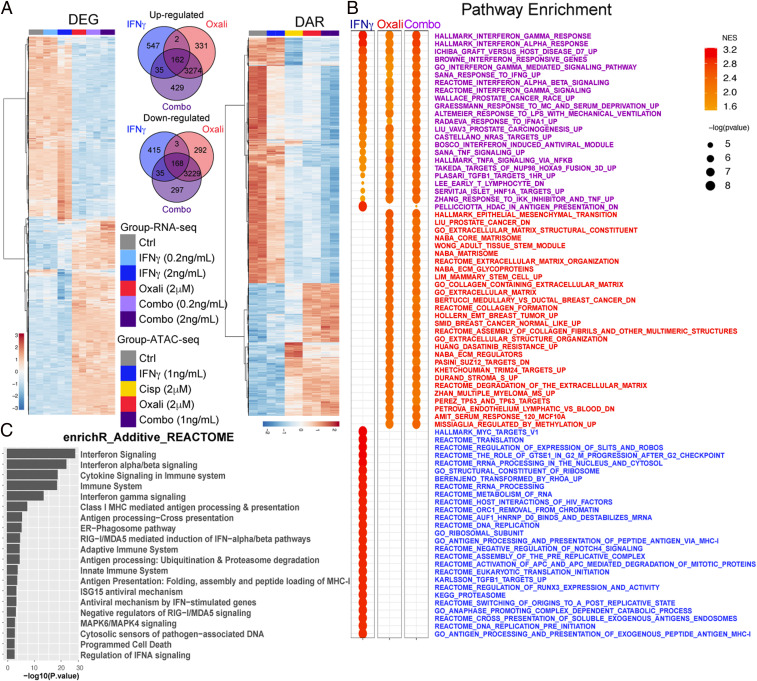
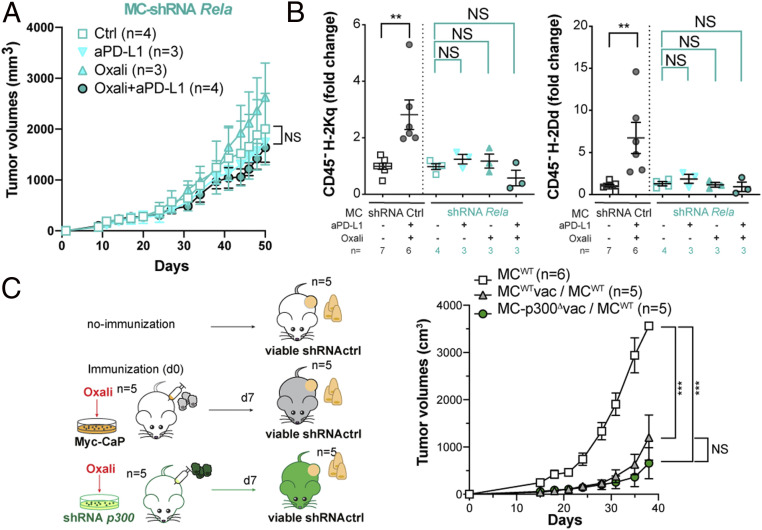
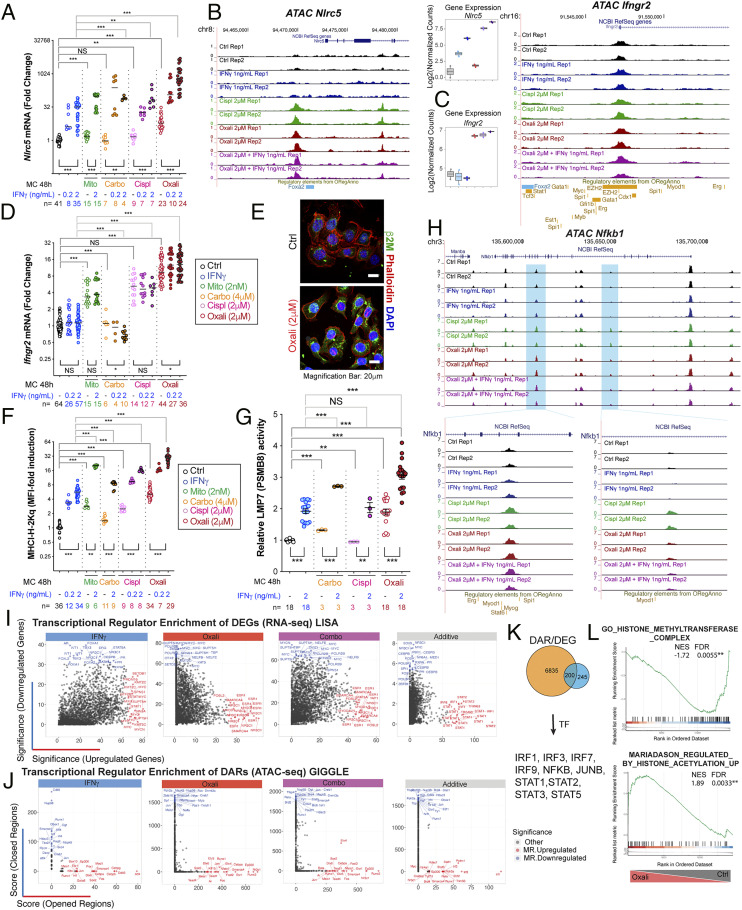
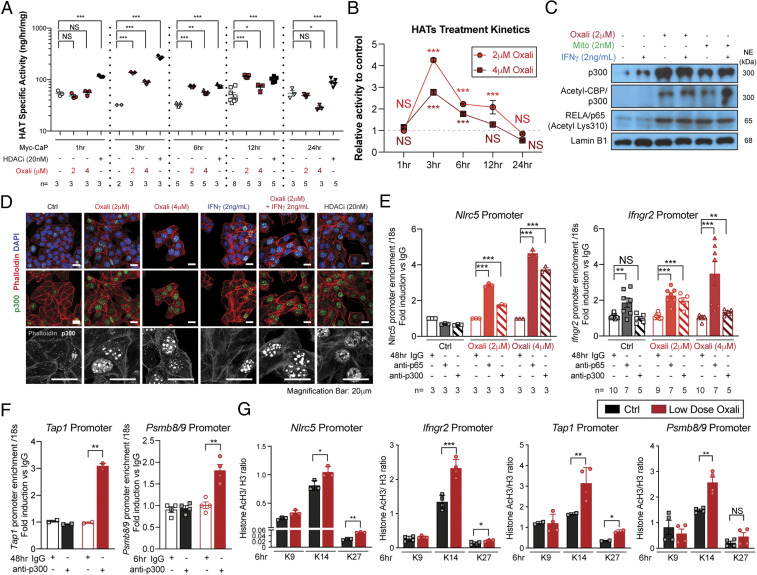
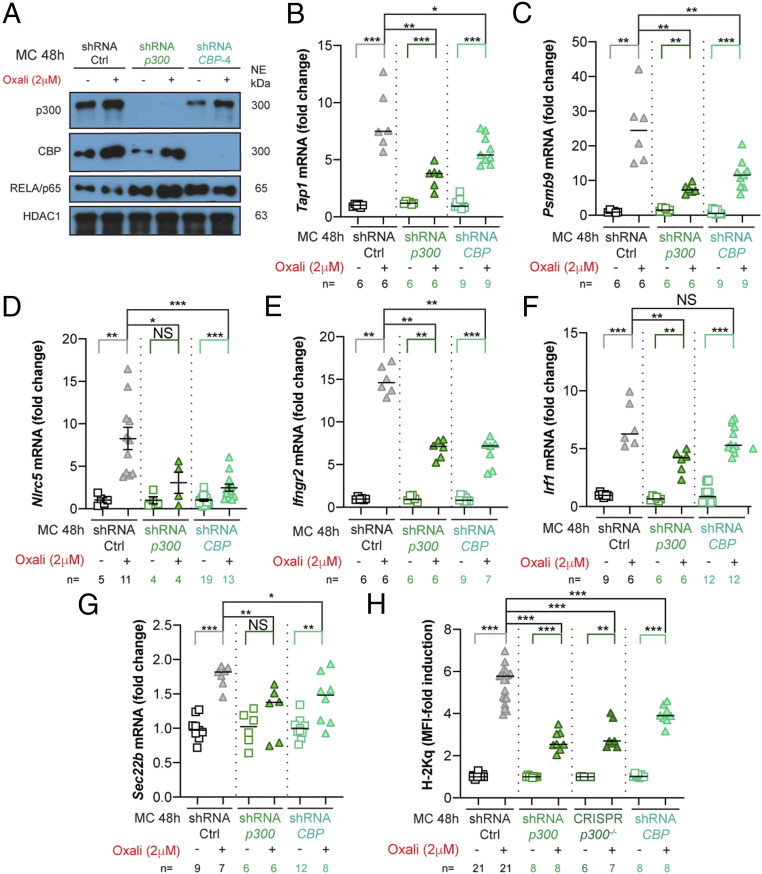
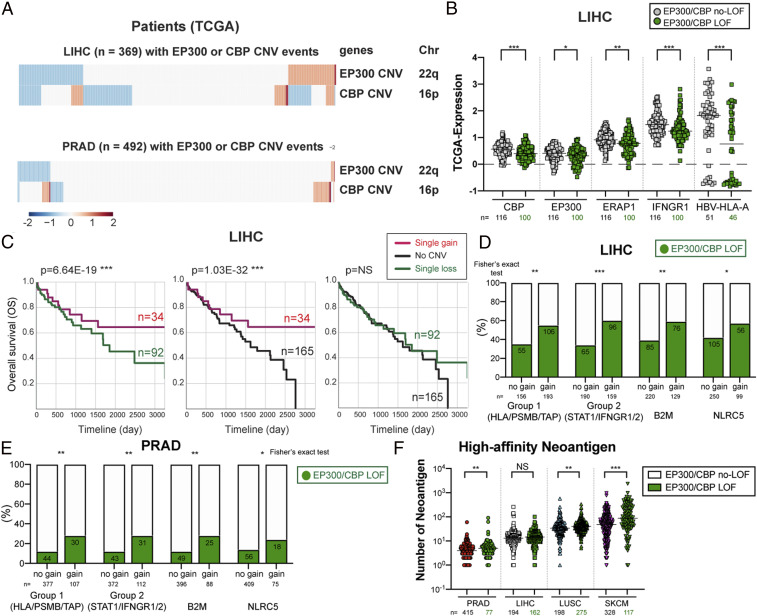
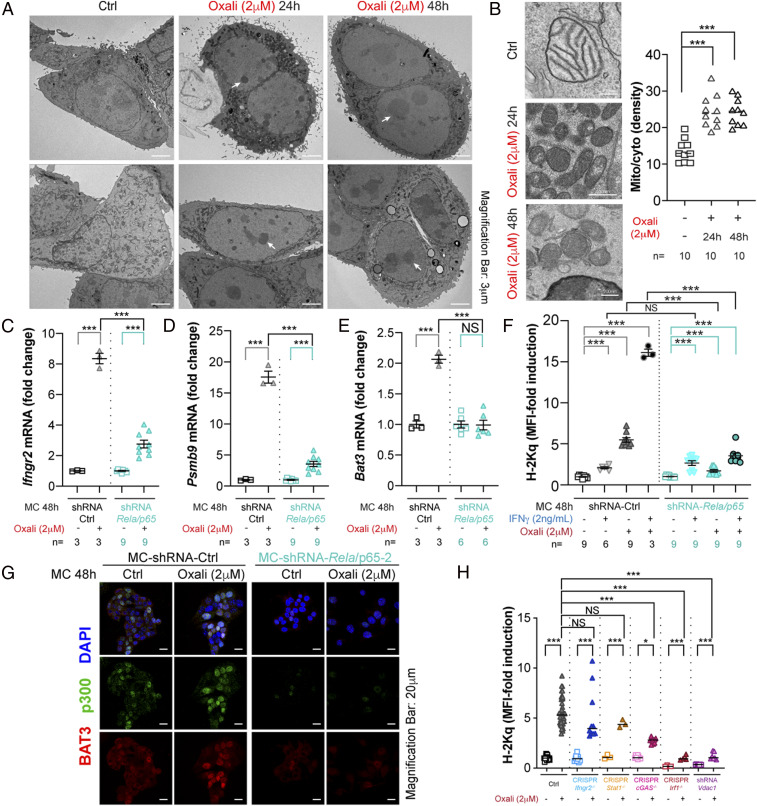
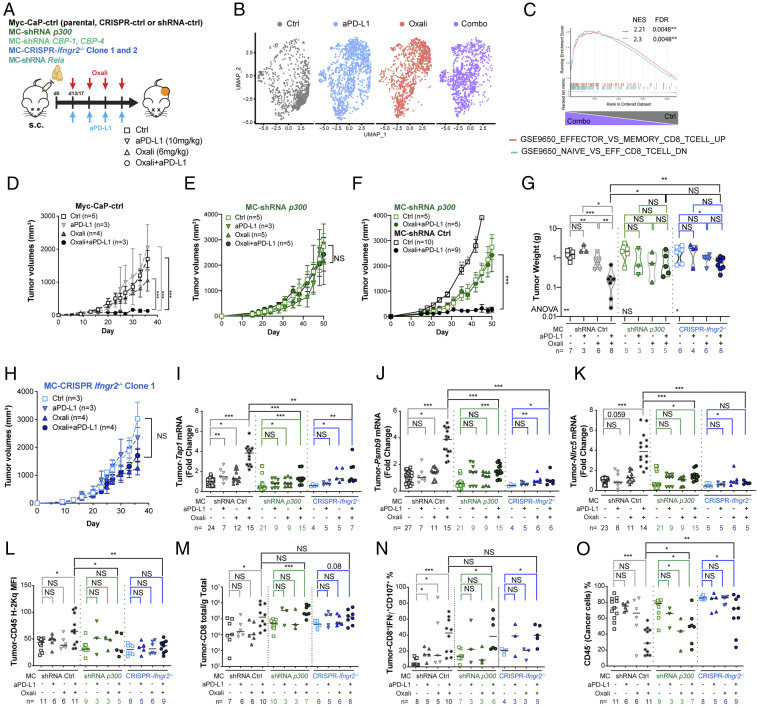
Many cancers evade immune rejection by suppressing major histocompatibility class I (MHC-I) antigen processing and presentation (AgPP). Such cancers do not respond to immune checkpoint inhibitor therapies (ICIT) such as PD-1/PD-L1 [PD-(L)1] blockade. Certain chemotherapeutic drugs augment tumor control by PD-(L)1 inhibitors through potentiation of T-cell priming but whether and how chemotherapy enhances MHC-I-dependent cancer cell recognition by cytotoxic T cells (CTLs) is not entirely clear. We now show that the lysine acetyl transferases p300/CREB binding protein (CBP) control MHC-I AgPPM expression and neoantigen amounts in human cancers. Moreover, we found that two distinct DNA damaging drugs, the platinoid oxaliplatin and the topoisomerase inhibitor mitoxantrone, strongly up-regulate MHC-I AgPP in a manner dependent on activation of nuclear factor kappa B (NF-κB), p300/CBP, and other transcription factors, but independently of autocrine IFNγ signaling. Accordingly, NF-κB and p300 ablations prevent chemotherapy-induced MHC-I AgPP and abrogate rejection of low MHC-I-expressing tumors by reinvigorated CD8 CTLs. Drugs like oxaliplatin and mitoxantrone may be used to overcome resistance to PD-(L)1 inhibitors in tumors that had "epigenetically down-regulated," but had not permanently lost MHC-I AgPP activity.
许多癌症通过抑制主要组织相容性复合体 I(MHC-I)抗原加工和呈递(AgPP)来逃避免疫排斥。此类癌症对免疫检查点抑制剂疗法(ICIT)如 PD-1/PD-L1 [PD-(L)1] 阻断无反应。某些化疗药物通过增强 T 细胞启动来增强 PD-(L)1 抑制剂对肿瘤的控制,但化疗是否以及如何增强细胞毒性 T 细胞(CTL)对 MHC-I 依赖性癌细胞的识别尚不完全清楚。我们现在表明,赖氨酸乙酰转移酶 p300/CREB 结合蛋白(CBP)控制人类癌症中的 MHC-I AgPPM 表达和新抗原数量。此外,我们发现两种不同的 DNA 损伤药物,铂类奥沙利铂和拓扑异构酶抑制剂米托蒽醌,以依赖于核因子 kappa B(NF-κB)、p300/CBP 和其他转录因子的方式强烈上调 MHC-I AgPP,但不依赖于自分泌 IFNγ 信号。因此,NF-κB 和 p300 缺失可防止化疗诱导的 MHC-I AgPP,并通过重新激活的 CD8 CTL 消除 MHC-I 表达低的肿瘤的排斥反应。像奥沙利铂和米托蒽醌这样的药物可用于克服对 PD-(L)1 抑制剂的耐药性,这些药物具有“表观遗传下调”,但并未永久失去 MHC-I AgPP 活性。