Department of Neurosurgery of Hebi People's Hospital; Hebi Neuroanatomical Laboratory, Hebi, 458030, China.
School of Nursing, Zhengzhou University, Zhengzhou, 450001, China.
Theranostics. 2020 Feb 19;10(8):3684-3707. doi: 10.7150/thno.41580. eCollection 2020.
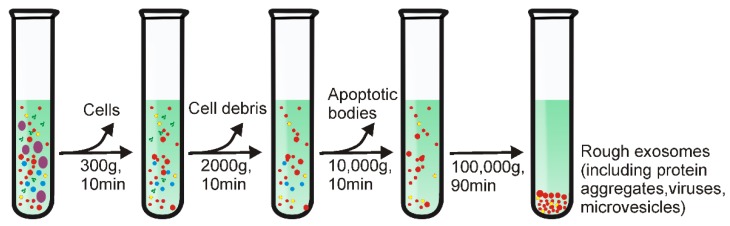
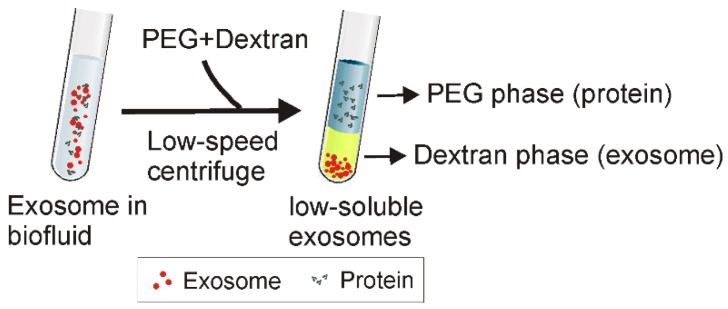
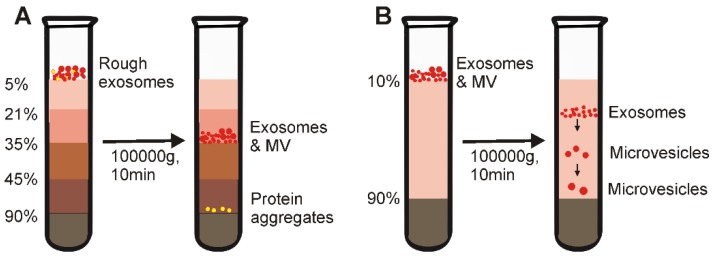
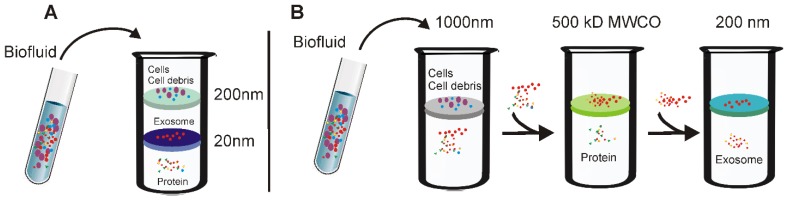
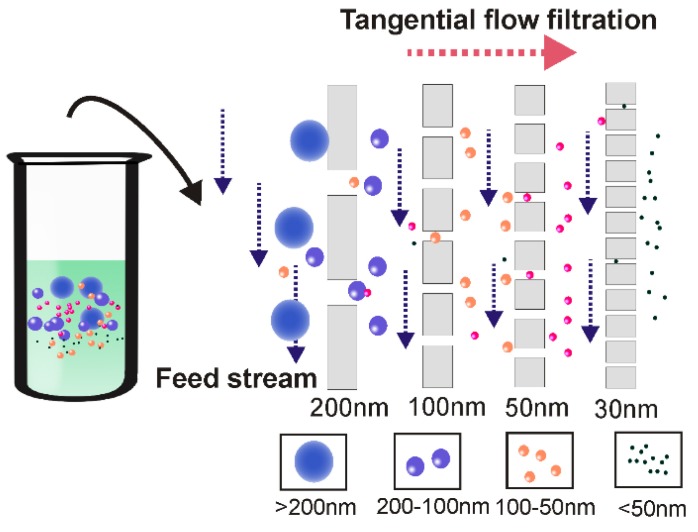
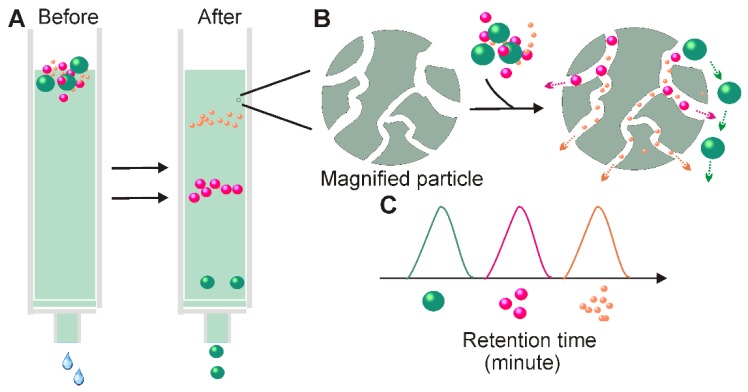
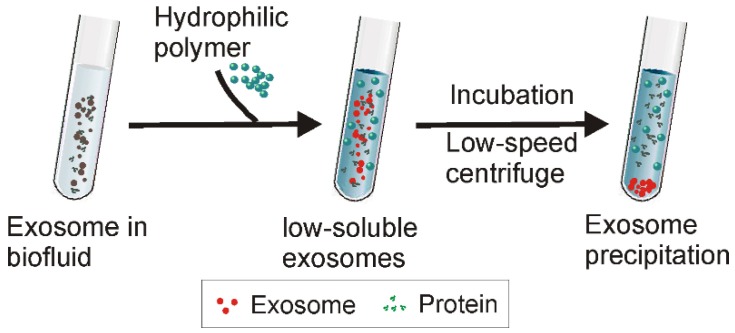
Exosomes are small extracellular vesicles with diameters of 30-150 nm. In both physiological and pathological conditions, nearly all types of cells can release exosomes, which play important roles in cell communication and epigenetic regulation by transporting crucial protein and genetic materials such as miRNA, mRNA, and DNA. Consequently, exosome-based disease diagnosis and therapeutic methods have been intensively investigated. However, as in any natural science field, the in-depth investigation of exosomes relies heavily on technological advances. Historically, the two main technical hindrances that have restricted the basic and applied researches of exosomes include, first, how to simplify the extraction and improve the yield of exosomes and, second, how to effectively distinguish exosomes from other extracellular vesicles, especially functional microvesicles. Over the past few decades, although a standardized exosome isolation method has still not become available, a number of techniques have been established through exploration of the biochemical and physicochemical features of exosomes. In this work, by comprehensively analyzing the progresses in exosome separation strategies, we provide a panoramic view of current exosome isolation techniques, providing perspectives toward the development of novel approaches for high-efficient exosome isolation from various types of biological matrices. In addition, from the perspective of exosome-based diagnosis and therapeutics, we emphasize the issue of quantitative exosome and microvesicle separation.
外泌体是直径为 30-150nm 的小型细胞外囊泡。在生理和病理条件下,几乎所有类型的细胞都可以释放外泌体,它们通过运输关键的蛋白质和遗传物质(如 miRNA、mRNA 和 DNA)在细胞通讯和表观遗传调控中发挥重要作用。因此,基于外泌体的疾病诊断和治疗方法已经得到了广泛的研究。然而,与任何自然科学领域一样,对外泌体的深入研究严重依赖于技术的进步。从历史上看,限制外泌体基础和应用研究的两个主要技术障碍包括:首先,如何简化外泌体的提取并提高其产量;其次,如何有效地将外泌体与其他细胞外囊泡(特别是功能性微囊泡)区分开来。在过去的几十年中,尽管尚未建立标准化的外泌体分离方法,但通过对外泌体生化和物理化学特征的探索,已经建立了许多技术。在这项工作中,我们通过综合分析外泌体分离策略的进展,提供了当前外泌体分离技术的全景图,为从各种类型的生物基质中高效分离外泌体提供了新方法的发展视角。此外,从基于外泌体的诊断和治疗的角度出发,我们强调了定量分离外泌体和微囊泡的问题。