Sir William Dunn School of Pathology, University of Oxford, Oxford, United Kingdom.
PLoS Pathog. 2020 Mar 24;16(3):e1008372. doi: 10.1371/journal.ppat.1008372. eCollection 2020 Mar.
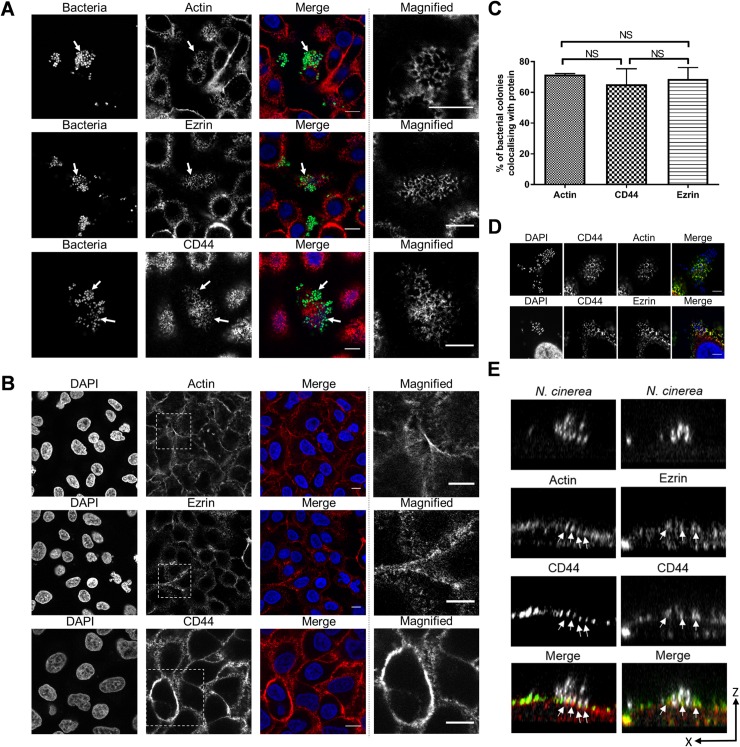
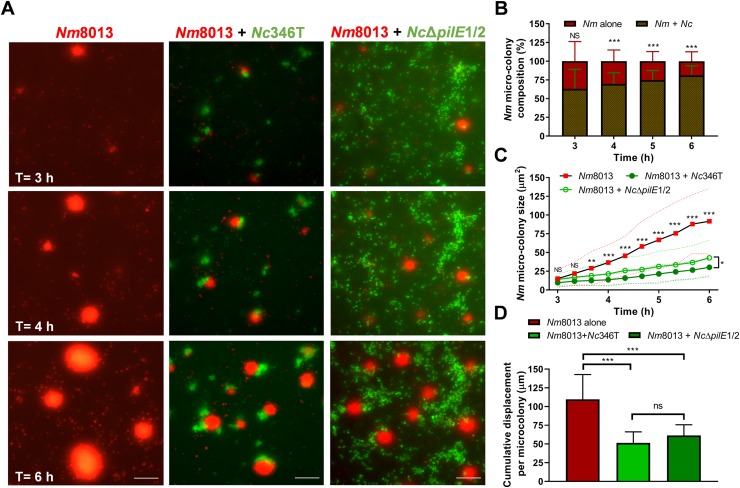
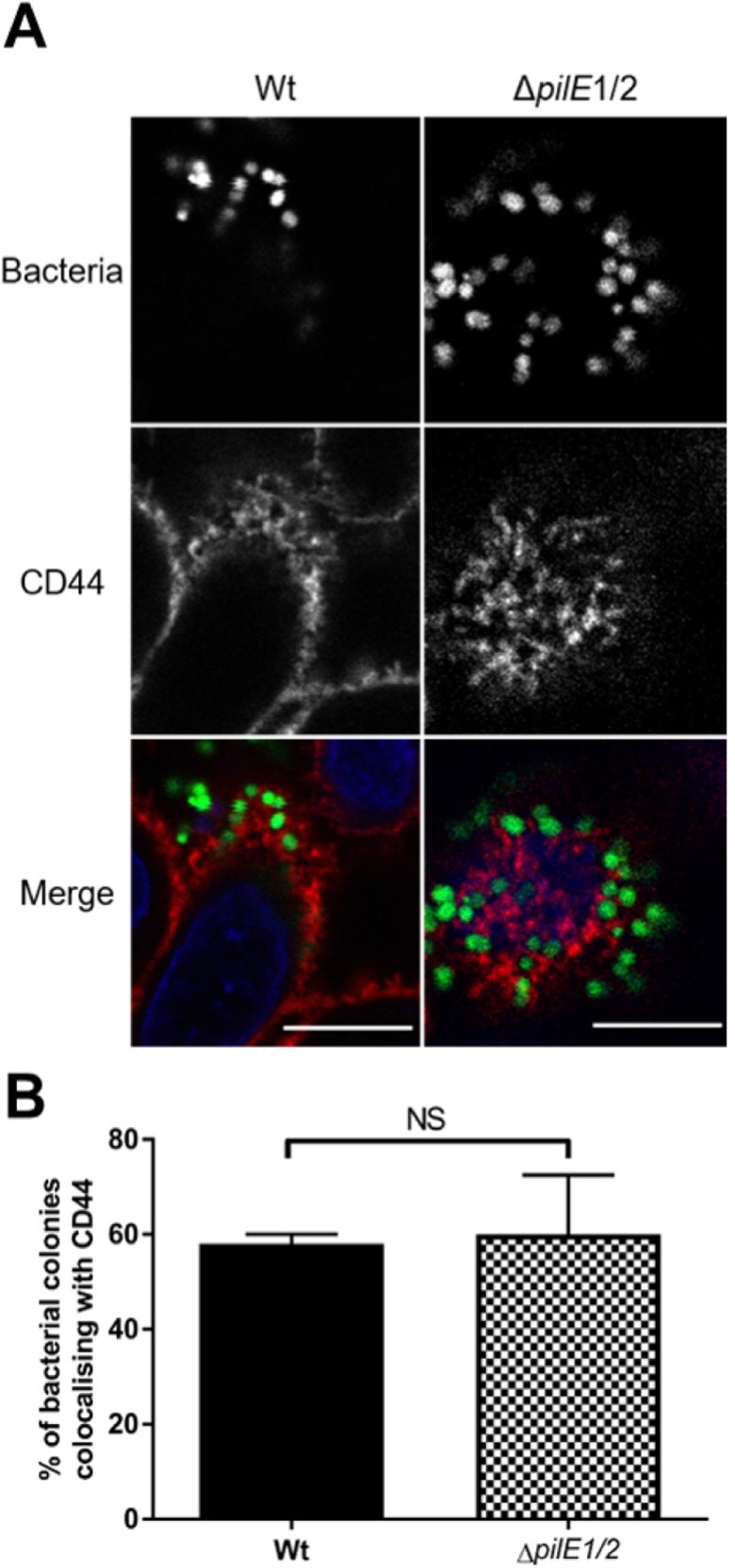
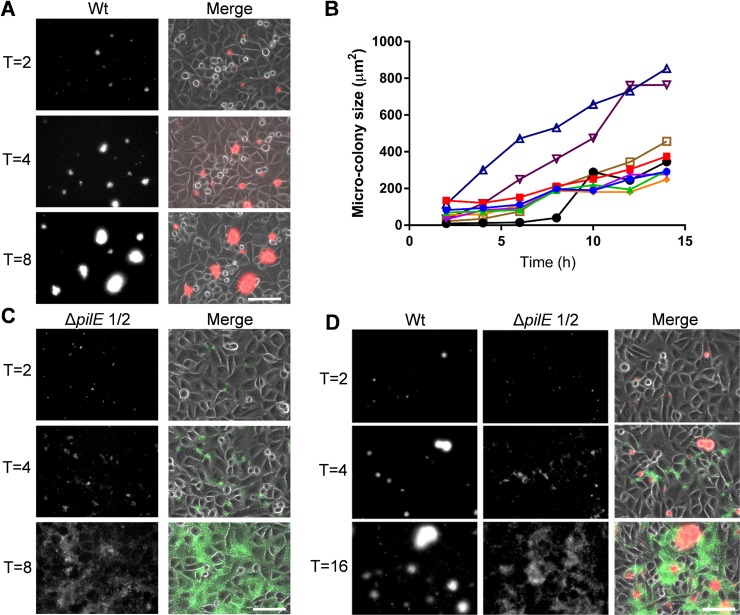
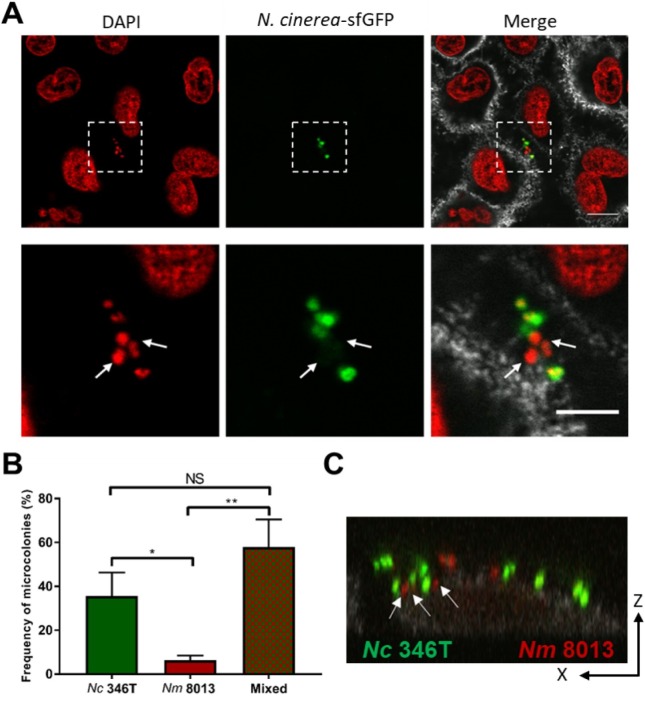
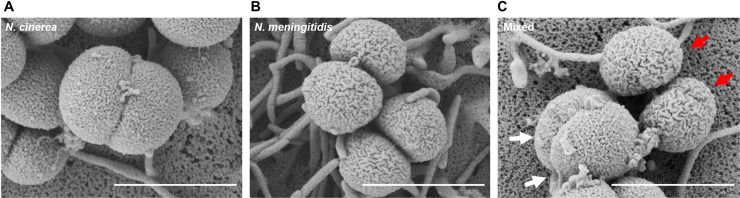
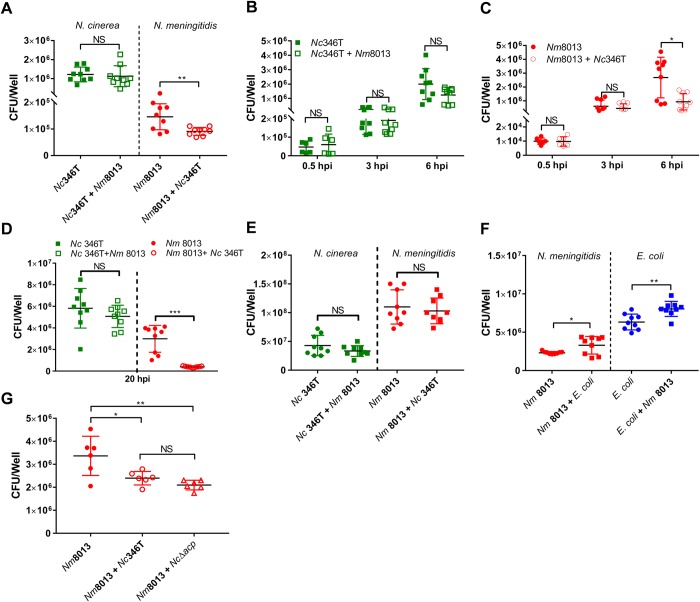
It is increasingly being recognised that the interplay between commensal and pathogenic bacteria can dictate the outcome of infection. Consequently, there is a need to understand how commensals interact with their human host and influence pathogen behaviour at epithelial surfaces. Neisseria meningitidis, a leading cause of sepsis and meningitis, exclusively colonises the human nasopharynx and shares this niche with several other Neisseria species, including the commensal Neisseria cinerea. Here, we demonstrate that during adhesion to human epithelial cells N. cinerea co-localises with molecules that are also recruited by the meningococcus, and show that, similar to N. meningitidis, N. cinerea forms dynamic microcolonies on the cell surface in a Type four pilus (Tfp) dependent manner. Finally, we demonstrate that N. cinerea colocalises with N. meningitidis on the epithelial cell surface, limits the size and motility of meningococcal microcolonies, and impairs the effective colonisation of epithelial cells by the pathogen. Our data establish that commensal Neisseria can mimic and affect the behaviour of a pathogen on epithelial cell surfaces.
越来越多的人认识到,共生菌和致病菌之间的相互作用可以决定感染的结果。因此,有必要了解共生菌如何与它们的人类宿主相互作用,并影响病原体在上皮表面的行为。脑膜炎奈瑟菌是败血症和脑膜炎的主要原因,它专门定植于人类鼻咽部,并与其他几种奈瑟菌属物种(包括共生菌淋病奈瑟菌)共享这一生态位。在这里,我们证明在与人类上皮细胞粘附时,淋病奈瑟菌与被脑膜炎球菌募集的分子共定位,并表明与脑膜炎奈瑟菌相似,淋病奈瑟菌以依赖于 IV 型菌毛(Tfp)的方式在细胞表面形成动态微菌落。最后,我们证明淋病奈瑟菌与脑膜炎奈瑟菌在上皮细胞表面共定位,限制了脑膜炎球菌微菌落的大小和迁移性,并损害了病原体对上皮细胞的有效定植。我们的数据表明,共生奈瑟菌可以模拟和影响病原体在上皮细胞表面的行为。