Department of Microbiology, Icahn School of Medicine at Mount Sinai, New York, New York, USA.
Graduate School of Biomedical Sciences, Icahn School of Medicine at Mount Sinai, New York, New York, USA.
mBio. 2020 Mar 24;11(2):e00028-20. doi: 10.1128/mBio.00028-20.
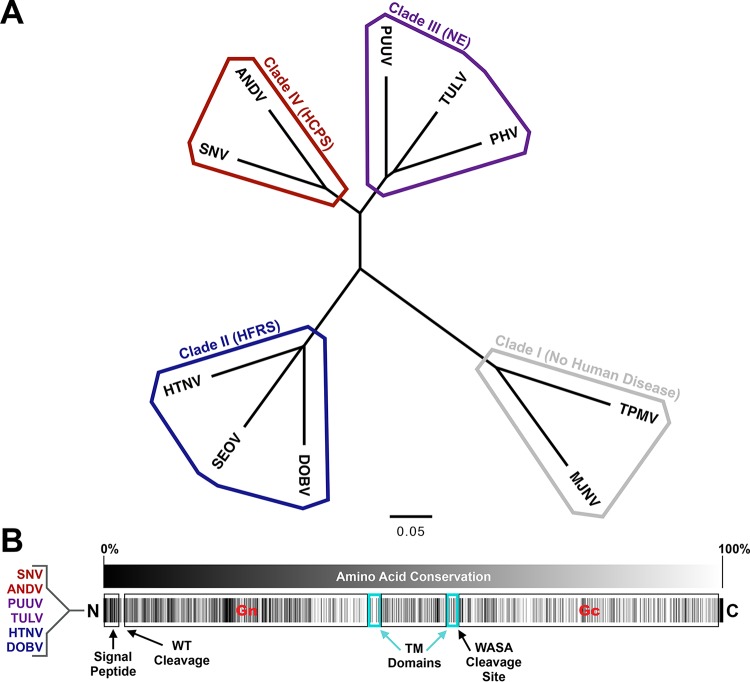
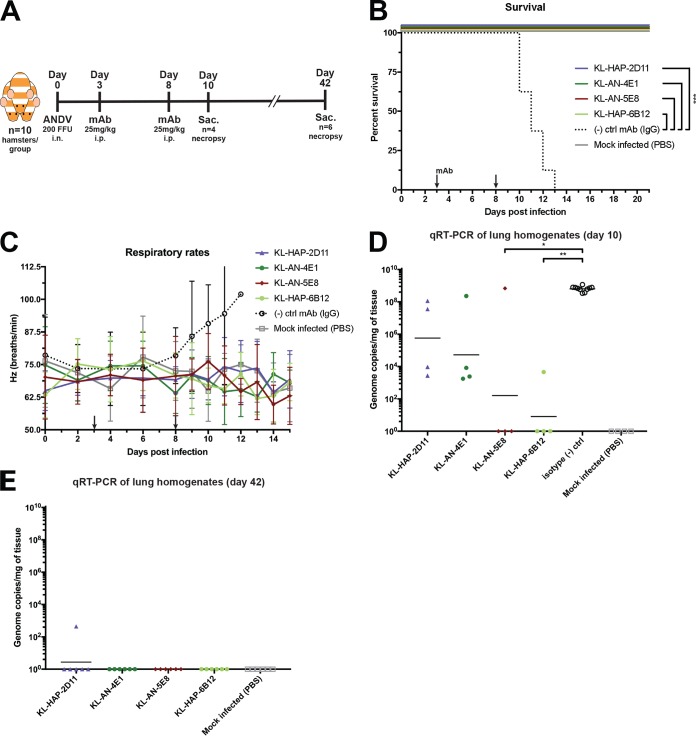
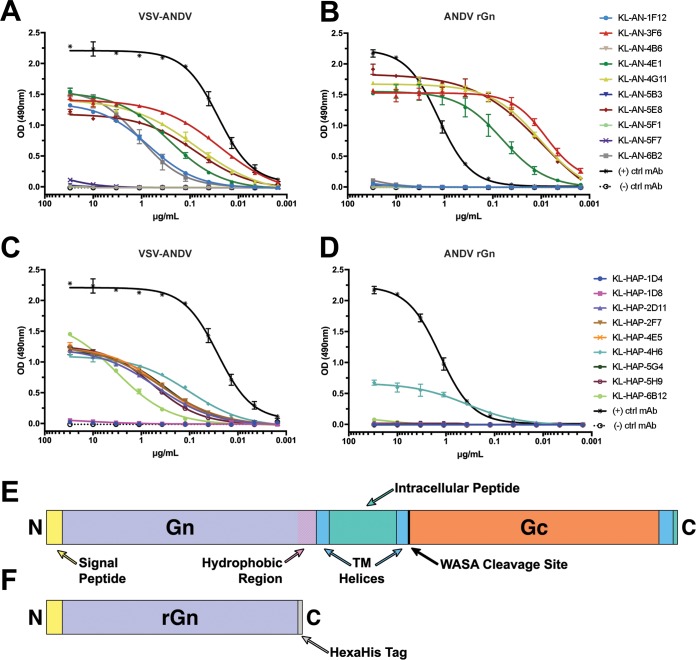
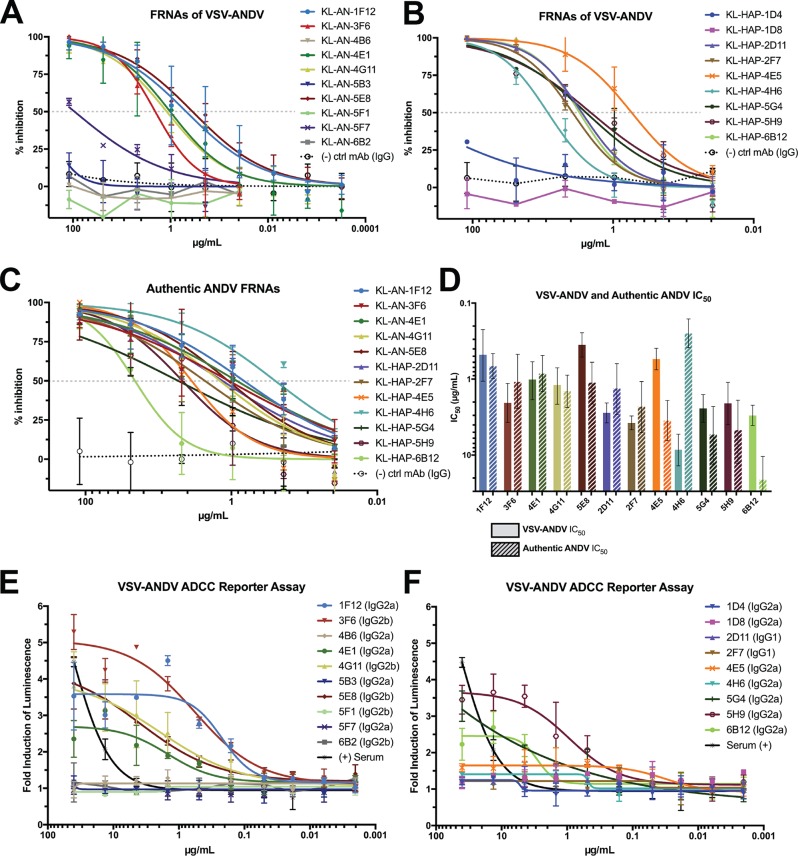
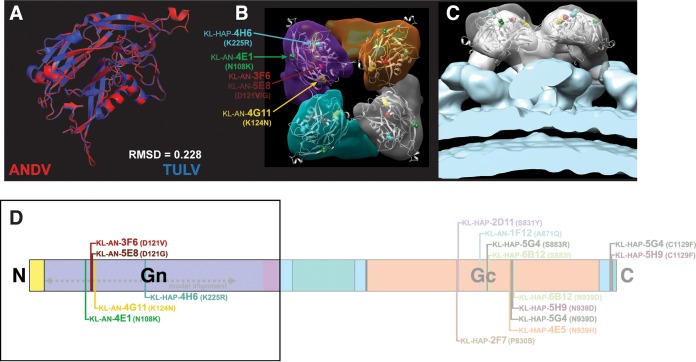
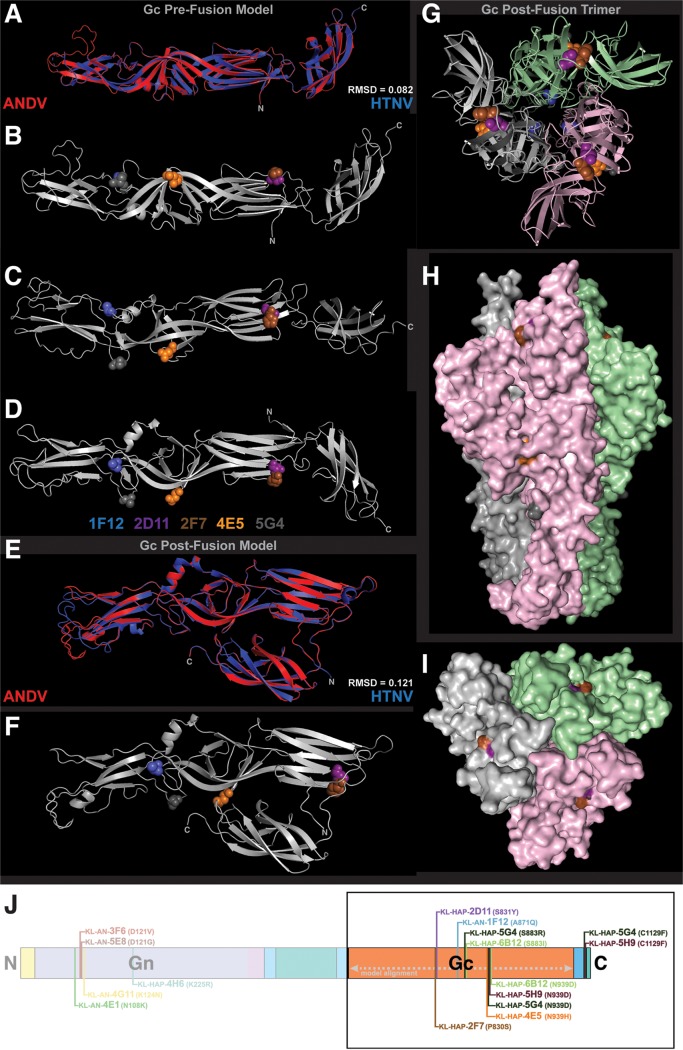
Hantaviruses are the etiological agent of hemorrhagic fever with renal syndrome (HFRS) and hantavirus cardiopulmonary syndrome (HCPS). The latter is associated with case fatality rates ranging from 30% to 50%. HCPS cases are rare, with approximately 300 recorded annually in the Americas. Recently, an HCPS outbreak of unprecedented size has been occurring in and around Epuyén, in the southwestern Argentinian state of Chubut. Since November of 2018, at least 29 cases have been laboratory confirmed, and human-to-human transmission is suspected. Despite posing a significant threat to public health, no treatment or vaccine is available for hantaviral disease. Here, we describe an effort to identify, characterize, and develop neutralizing and protective antibodies against the glycoprotein complex (Gn and Gc) of Andes virus (ANDV), the causative agent of the Epuyén outbreak. Using murine hybridoma technology, we generated 19 distinct monoclonal antibodies (MAbs) against ANDV GnGc. When tested for neutralization against a recombinant vesicular stomatitis virus expressing the Andes glycoprotein (GP) (VSV-ANDV), 12 MAbs showed potent neutralization and 8 showed activity in an antibody-dependent cellular cytotoxicity reporter assay. Escape mutant analysis revealed that neutralizing MAbs targeted both the Gn and the Gc. Four MAbs that bound different epitopes were selected for preclinical studies and were found to be 100% protective against lethality in a Syrian hamster model of ANDV infection. These data suggest the existence of a wide array of neutralizing antibody epitopes on hantavirus GnGc with unique properties and mechanisms of action. Infections with New World hantaviruses are associated with high case fatality rates, and no specific vaccine or treatment options exist. Furthermore, the biology of the hantaviral GnGc complex, its antigenicity, and its fusion machinery are poorly understood. Protective monoclonal antibodies against GnGc have the potential to be developed into therapeutics against hantaviral disease and are also great tools to elucidate the biology of the glycoprotein complex.
汉坦病毒是引起肾综合征出血热(HFRS)和汉坦病毒心肺综合征(HCPS)的病原体。后者的病死率在 30%至 50%之间。HCPS 病例罕见,美洲每年约有 300 例记录。最近,在阿根廷西南部丘布特州的埃普耶恩及其周边地区,发生了一场规模空前的 HCPS 疫情爆发。自 2018 年 11 月以来,至少有 29 例病例经实验室确诊,疑似存在人际传播。尽管汉坦病毒病对公共卫生构成了重大威胁,但目前尚无针对该病毒的治疗方法或疫苗。在这里,我们描述了一项努力,旨在鉴定、表征和开发针对安第斯病毒(ANDV)糖蛋白复合物(Gn 和 Gc)的中和和保护抗体,ANDV 是埃普耶恩疫情的病原体。我们使用鼠杂交瘤技术生成了针对 ANDV GnGc 的 19 种不同的单克隆抗体(MAb)。在针对表达 Andes 糖蛋白(GP)的重组水疱性口炎病毒(VSV-ANDV)的中和试验中,有 12 种 MAb 表现出强大的中和作用,有 8 种 MAb 在抗体依赖性细胞毒性报告测定中具有活性。逃逸突变分析表明,中和性 MAb 针对 Gn 和 Gc。选择了 4 种结合不同表位的 MAb 进行临床前研究,发现它们在 ANDV 感染的叙利亚仓鼠模型中 100%具有致死性保护作用。这些数据表明,在汉坦病毒 GnGc 上存在广泛的中和抗体表位,具有独特的性质和作用机制。感染新世界汉坦病毒的死亡率较高,目前尚无特定的疫苗或治疗选择。此外,汉坦病毒 GnGc 复合物的生物学、抗原性和融合机制还知之甚少。针对 GnGc 的保护性单克隆抗体有可能被开发成针对汉坦病毒病的治疗药物,也是阐明糖蛋白复合物生物学的重要工具。