Afzal Samia, Ali Liaqat, Batool Anum, Afzal Momina, Kanwal Nida, Hassan Muhammad, Safdar Muhammad, Ahmad Atif, Yang Jing
CEMB, University of the Punjab, Lahore, Pakistan.
Department of Biological Sciences, National University of Medical Sciences (NUMS), Rawalpindi, Pakistan.
Front Microbiol. 2023 Oct 12;14:1233433. doi: 10.3389/fmicb.2023.1233433. eCollection 2023.
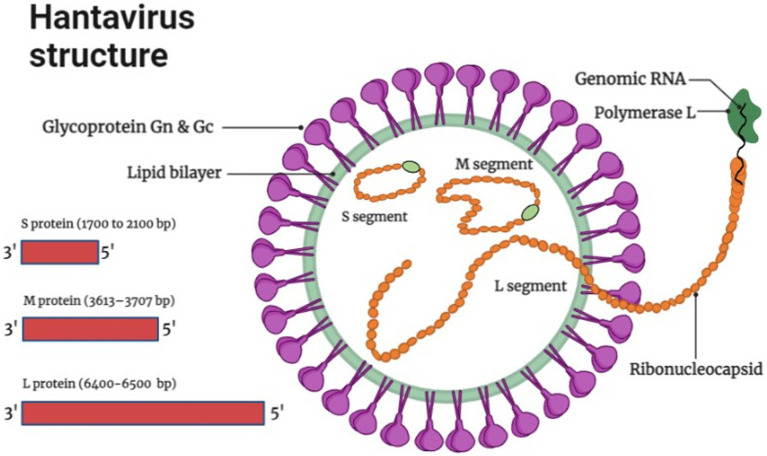
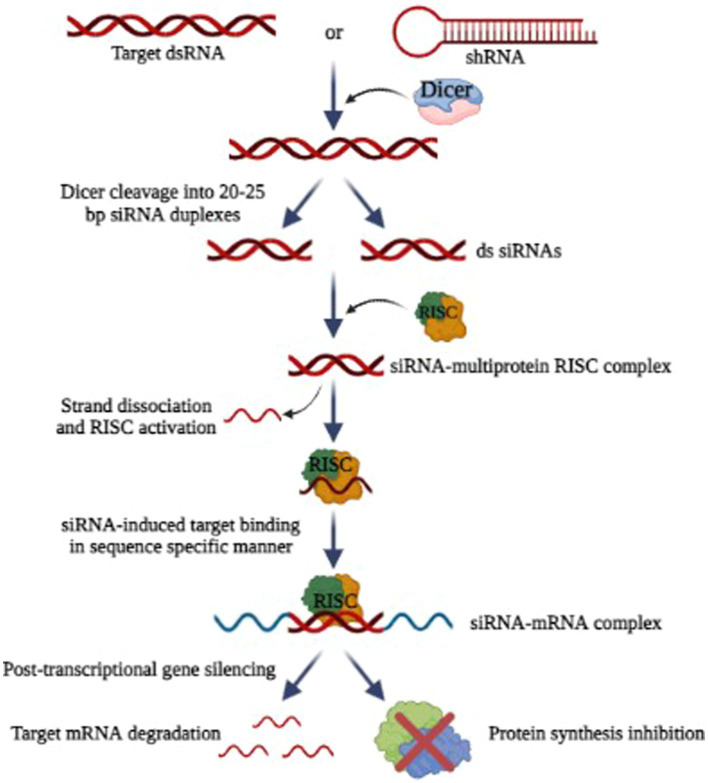
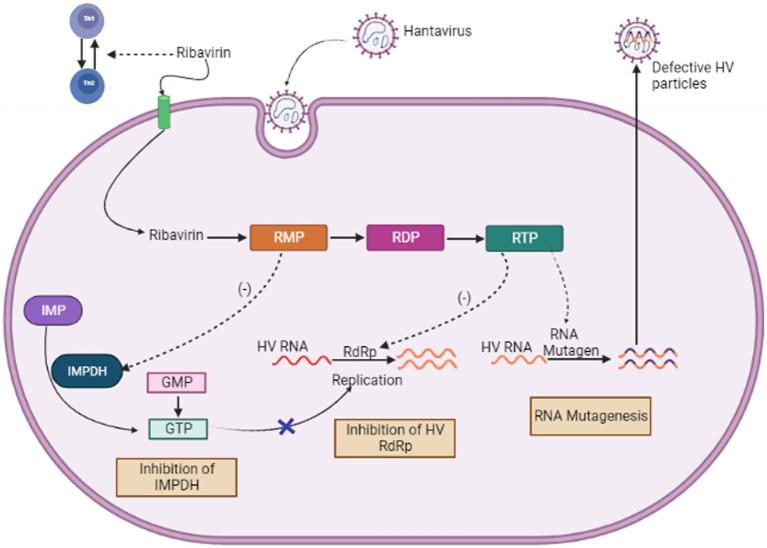
Hantaviruses are a significant and emerging global public health threat, impacting more than 200,000 individuals worldwide each year. The single-stranded RNA viruses belong to the family and are responsible for causing two acute febrile diseases in humans: Hantavirus pulmonary syndrome (HPS) and hemorrhagic fever with renal syndrome (HFRS). Currently, there are no licensed treatments or vaccines available globally for HTNV infection. Various candidate drugs have shown efficacy in increasing survival rates during the early stages of HTNV infection. Some of these drugs include lactoferrin, ribavirin, ETAR, favipiravir and vandetanib. Immunotherapy utilizing neutralizing antibodies (NAbs) generated from Hantavirus convalescent patients show efficacy against HTNV. Monoclonal antibodies such as MIB22 and JL16 have demonstrated effectiveness in protecting against HTNV infection. The development of vaccines and antivirals, used independently and/or in combination, is critical for elucidating hantaviral infections and the impact on public health. RNA interference (RNAi) arised as an emerging antiviral therapy, is a highly specific degrades RNA, with post-transcriptional mechanism using eukaryotic cells platform. That has demonstrated efficacy against a wide range of viruses, both and . Recent antiviral methods involve using small interfering RNA (siRNA) and other, immune-based therapies to target specific gene segments (S, M, or L) of the Hantavirus. This therapeutic approach enhances viral RNA clearance through the RNA interference process in Vero E6 cells or human lung microvascular endothelial cells. However, the use of siRNAs faces challenges due to their low biological stability and limited targeting ability. Despite their successful inhibition of Hantavirus replication in host cells, their antiviral efficacy may be hindered. In the current review, we focus on advances in therapeutic strategies, as antiviral medications, immune-based therapies and vaccine candidates aimed at enhancing the body's ability to control the progression of Hantavirus infections, with the potential to reduce the risk of severe disease.
汉坦病毒是一种重大且新出现的全球公共卫生威胁,每年影响全球超过20万人。这些单链RNA病毒属于该科,可导致人类两种急性发热性疾病:汉坦病毒肺综合征(HPS)和肾综合征出血热(HFRS)。目前,全球尚无针对汉滩病毒感染的许可治疗方法或疫苗。各种候选药物在汉滩病毒感染早期提高存活率方面已显示出疗效。其中一些药物包括乳铁蛋白、利巴韦林、ETAR、法匹拉韦和凡德他尼。利用汉坦病毒康复患者产生的中和抗体(NAbs)进行免疫治疗对汉滩病毒显示出疗效。单克隆抗体如MIB22和JL16在预防汉滩病毒感染方面已证明有效。独立和/或联合使用疫苗和抗病毒药物对于阐明汉坦病毒感染及其对公共卫生的影响至关重要。RNA干扰(RNAi)作为一种新兴的抗病毒疗法出现,是一种高度特异性的降解RNA的方法,其转录后机制使用真核细胞平台。这已证明对多种病毒有效,包括 和 。最近的抗病毒方法包括使用小干扰RNA(siRNA)和其他基于免疫的疗法来靶向汉坦病毒的特定基因片段(S、M或L)。这种治疗方法通过RNA干扰过程增强了Vero E6细胞或人肺微血管内皮细胞中的病毒RNA清除。然而,由于siRNAs的低生物稳定性和有限的靶向能力,其使用面临挑战。尽管它们成功抑制了宿主细胞中的汉坦病毒复制,但其抗病毒疗效可能会受到阻碍。在本综述中,我们重点关注治疗策略的进展,如抗病毒药物、基于免疫的疗法和候选疫苗,旨在增强机体控制汉坦病毒感染进展的能力,有可能降低严重疾病的风险。