Digel Ilya, Kern Inna, Geenen Eva Maria, Akimbekov Nuraly
Laboratory for Cell- and Microbiology, FH Aachen University of Applied Sciences, 52428 Juelich, Germany.
Department of Biotechnology, al-Farabi Kazakh National University, 050040 Almaty, Kazakhstan.
Dent J (Basel). 2020 Mar 23;8(1):28. doi: 10.3390/dj8010028.
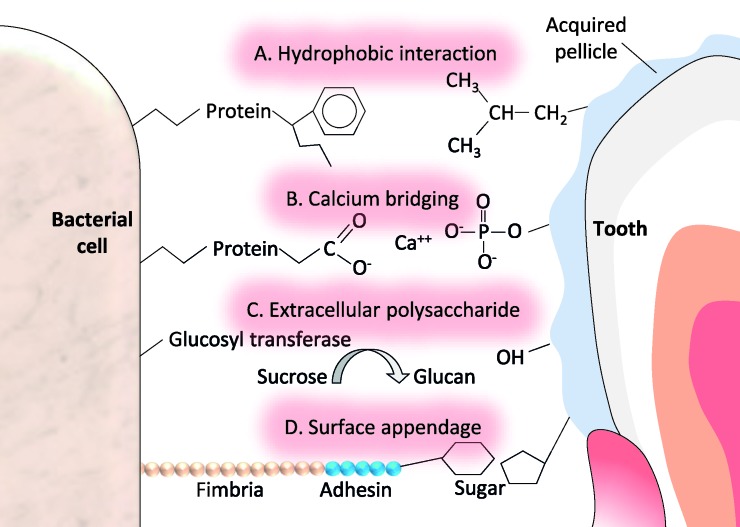
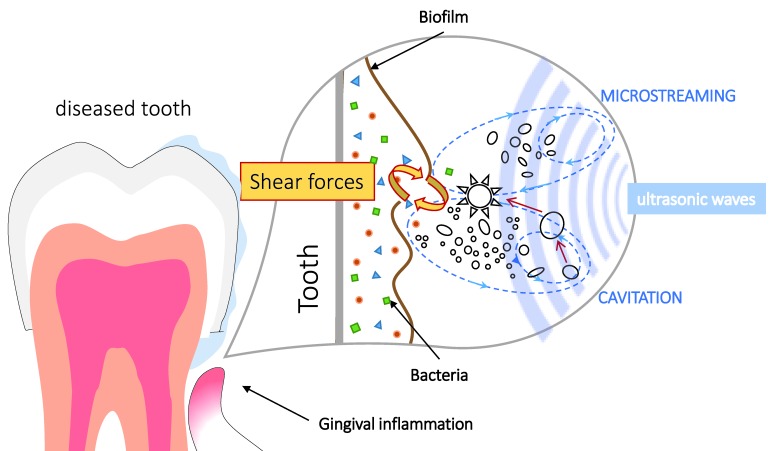
With the variety of toothbrushes on the market, the question arises, which toothbrush is best suited to maintain oral health? This thematic review focuses first on plaque formation mechanisms and then on the plaque removal effectiveness of ultrasonic toothbrushes and their potential in preventing oral diseases like periodontitis, gingivitis, and caries. We overviewed the physical effects that occurred during brushing and tried to address the question of whether ultrasonic toothbrushes effectively reduced the microbial burden by increasing the hydrodynamic forces. The results of published studies show that electric toothbrushes, which combine ultrasonic and sonic (or acoustic and mechanic) actions, may have the most promising effect on good oral health. Existing ultrasonic/sonic toothbrush models do not significantly differ regarding the removal of dental biofilm and the reduction of gingival inflammation compared with other electrically powered toothbrushes, whereas the manual toothbrushes show a lower effectiveness.
随着市场上牙刷种类的繁多,问题随之而来,哪种牙刷最适合保持口腔健康?这篇专题综述首先聚焦于牙菌斑形成机制,然后探讨超声波牙刷清除牙菌斑的效果及其在预防牙周炎、牙龈炎和龋齿等口腔疾病方面的潜力。我们概述了刷牙过程中产生的物理效应,并试图回答超声波牙刷是否通过增加流体动力有效降低微生物负荷这一问题。已发表研究的结果表明,结合了超声波和声波(或声学与机械)作用的电动牙刷可能对良好的口腔健康最具前景。与其他电动牙刷相比,现有的超声波/声波牙刷型号在清除牙菌斑和减轻牙龈炎症方面并无显著差异,而手动牙刷的效果则较低。