Department of Biotechnology and Life Science, University of Insubria, Varese, Italy.
Department of Medicine and Surgery, University of Insubria, Varese, Italy.
Front Immunol. 2020 Mar 6;11:370. doi: 10.3389/fimmu.2020.00370. eCollection 2020.
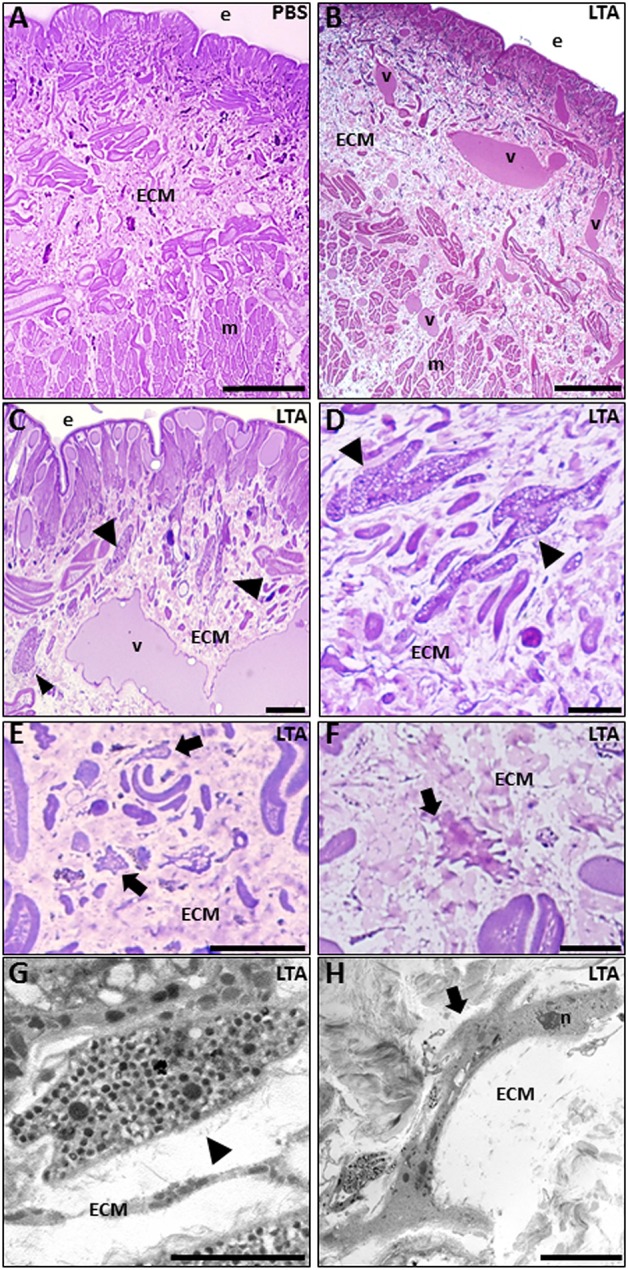
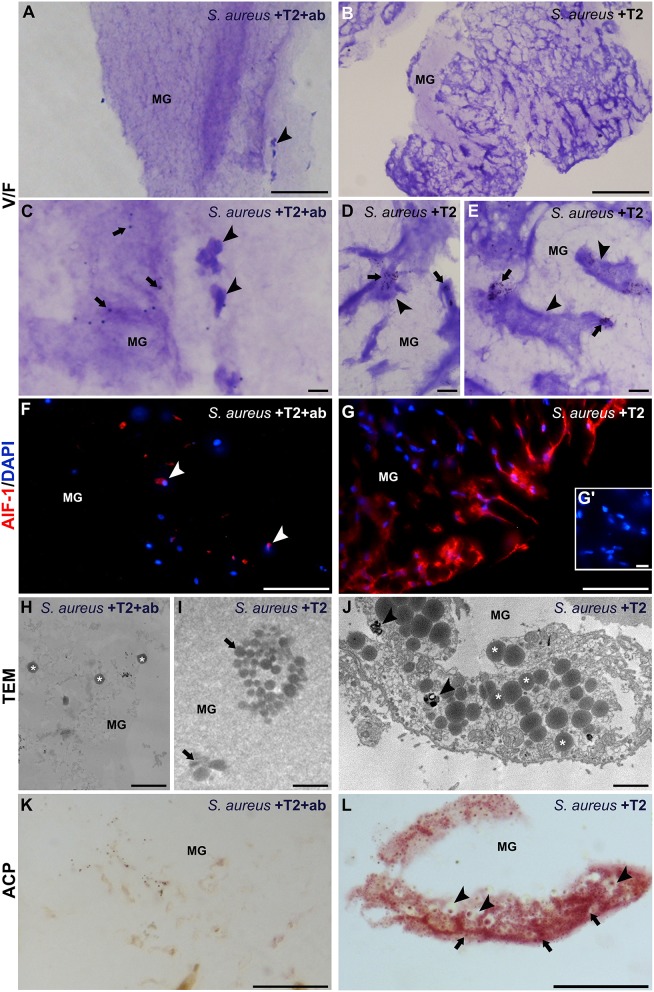
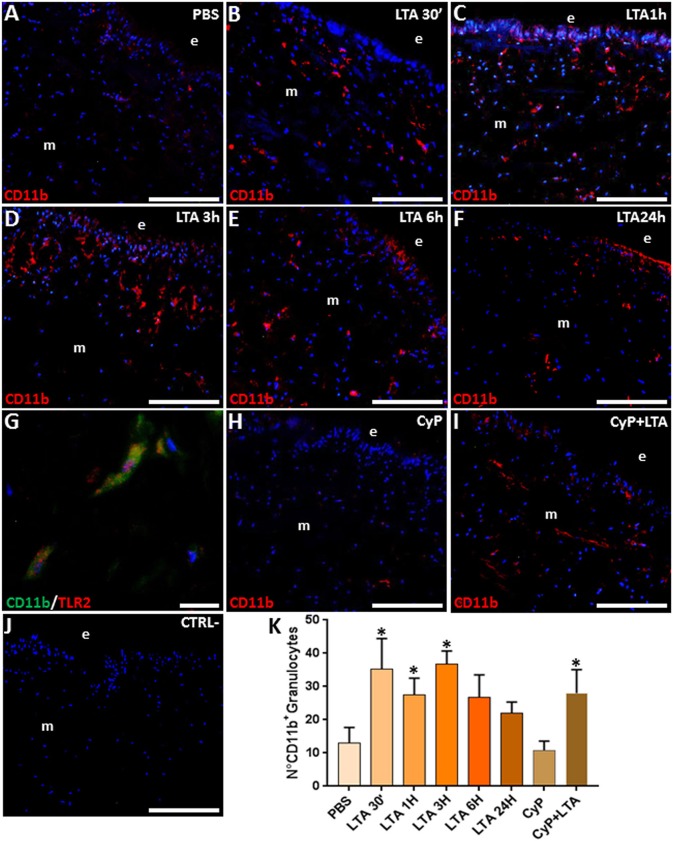
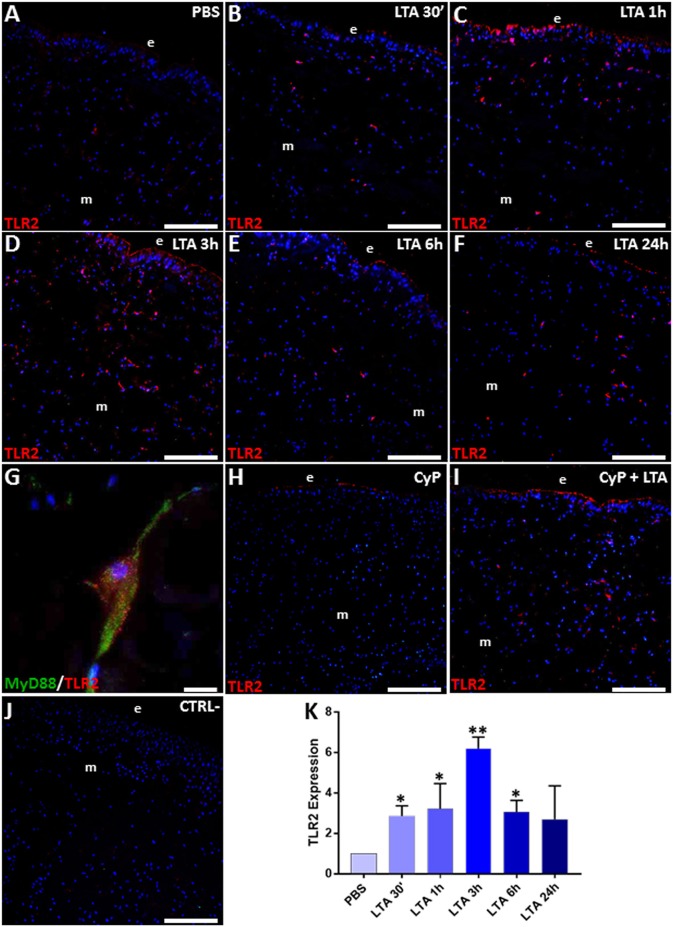
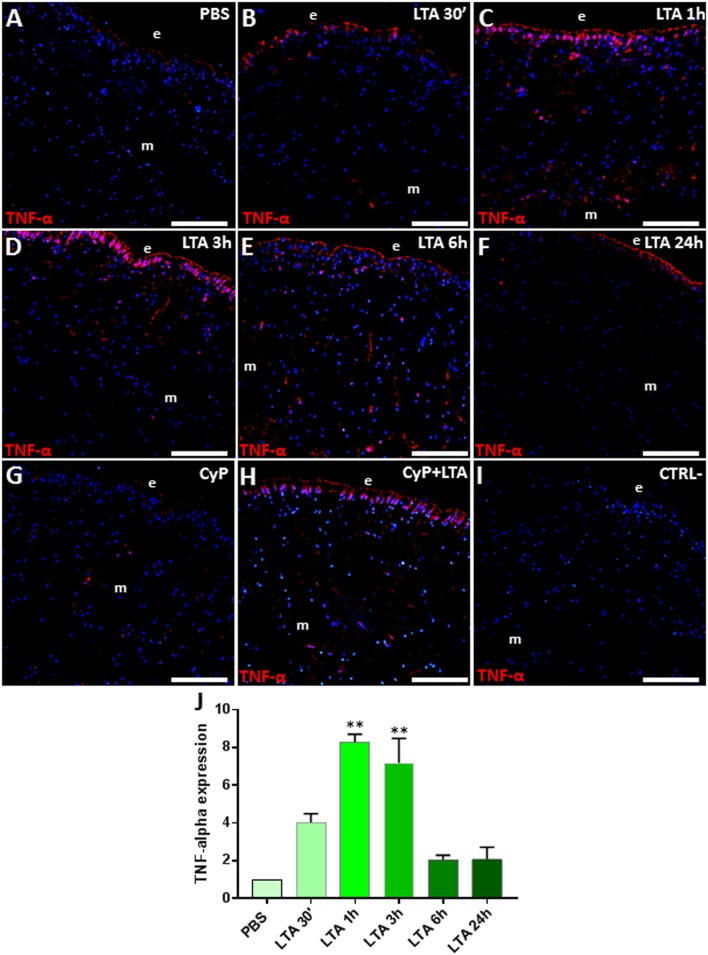
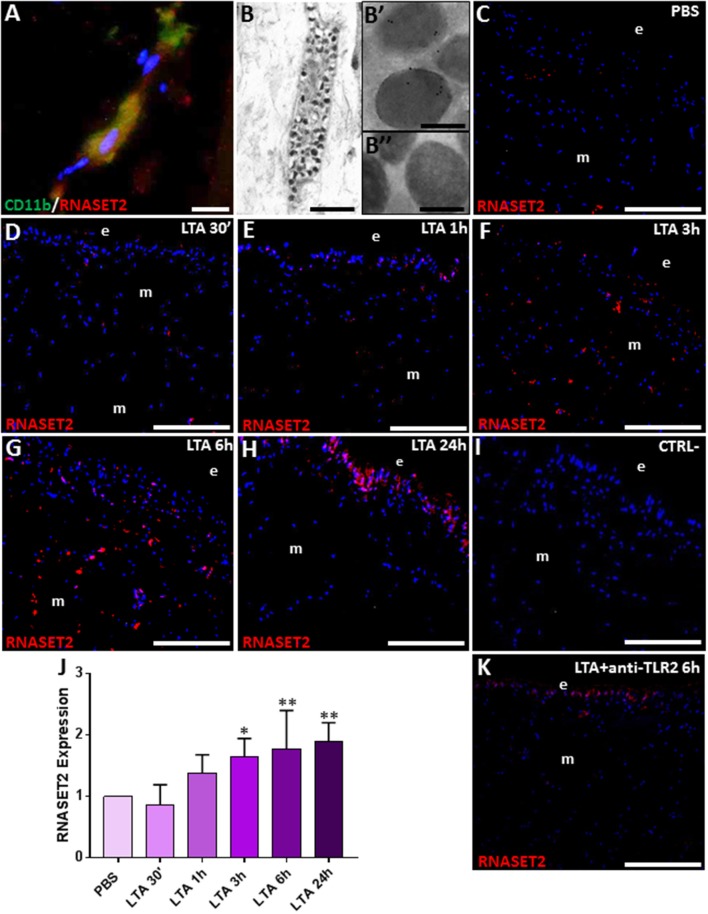
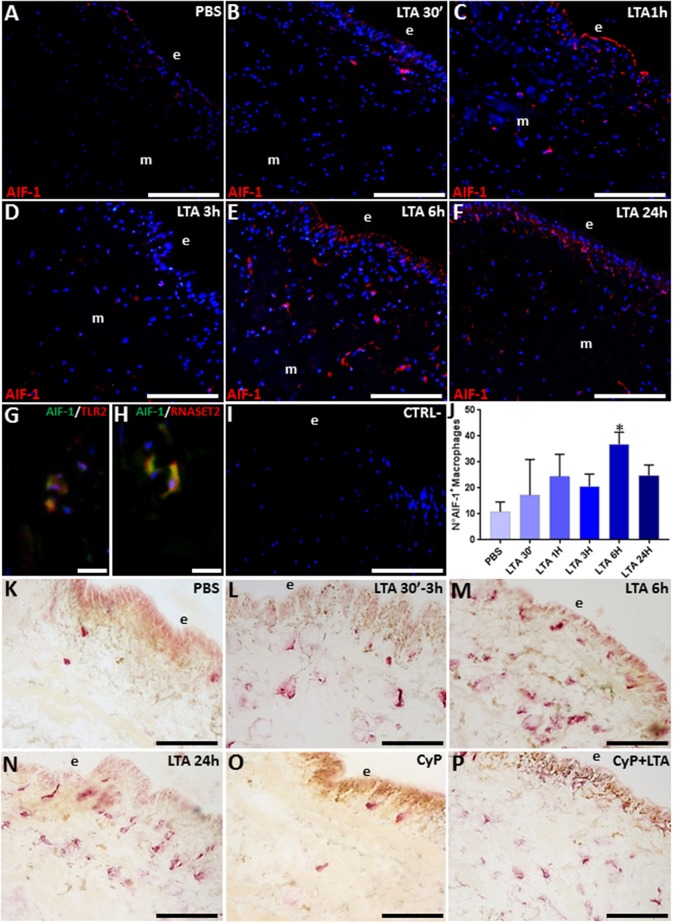
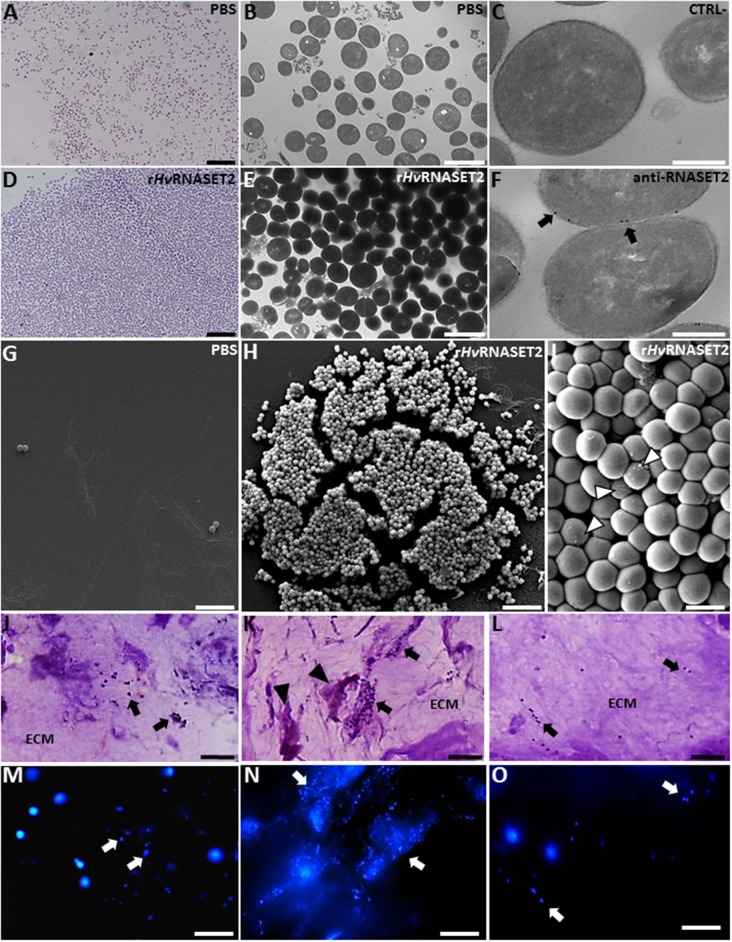
The innate immune response represents a first-line defense against pathogen infection that has been widely conserved throughout evolution. Using the invertebrate (Annelida, Hirudinea) as an experimental model, we show here that the RNASET2 ribonuclease is directly involved in the immune response against Gram-positive bacteria. Injection of lipoteichoic acid (LTA), a key component of Gram-positive bacteria cell wall, into the leech body wall induced a massive migration of granulocytes and macrophages expressing TLR2 (the key receptor involved in the response to Gram-positive bacteria) toward the challenged/inoculated area. We hypothesized that the endogenous leech RNASET2 protein (RNASET2) might be involved in the antimicrobial response, as already described for other vertebrate ribonucleases, such as RNase3 and RNase7. In support of our hypothesis, RNASET2 was mainly localized in the granules of granulocytes, and its release in the extracellular matrix triggered the recruitment of macrophages toward the area stimulated with LTA. The activity of RNASET2 was also evaluated on living cells by means of light, transmission, and scanning electron microscopy analysis. RNASET2 injection triggered the formation of clumps following a direct interaction with the bacterial cell wall, as demonstrated by immunogold assay. Taken together, our data support the notion that, during the early phase of leech immune response, granulocyte-released RNASET2 triggers bacterial clumps formation and, at the same time, actively recruits phagocytic macrophages in order to elicit a rapid and effective eradication of the infecting microorganisms from inoculated area.
先天免疫反应是抵御病原体感染的第一道防线,这种反应在进化过程中得到了广泛的保守。我们使用无脊椎动物(环节动物门,蛭纲)作为实验模型,证明了 RNASET2 核糖核酸酶直接参与了针对革兰氏阳性菌的免疫反应。向水蛭体壁注射脂磷壁酸(LTA),这是革兰氏阳性菌细胞壁的关键成分,会诱导大量表达 TLR2(参与革兰氏阳性菌反应的关键受体)的粒细胞和巨噬细胞向受挑战/接种区域迁移。我们假设内源性水蛭 RNASET2 蛋白(RNASET2)可能参与抗菌反应,就像其他脊椎动物核糖核酸酶(如 RNase3 和 RNase7)已经描述的那样。为了支持我们的假设,RNASET2 主要定位于粒细胞的颗粒中,其在细胞外基质中的释放触发了巨噬细胞向 LTA 刺激区域的募集。还通过光、透射和扫描电子显微镜分析评估了 RNASET2 在活细胞上的活性。RNASET2 注射会触发与细菌细胞壁直接相互作用后形成团块,这通过免疫金检测得到了证明。综上所述,我们的数据支持这样一种观点,即在水蛭免疫反应的早期阶段,粒细胞释放的 RNASET2 触发细菌团块的形成,同时积极招募吞噬性巨噬细胞,以迅速有效地从接种区域清除感染微生物。