Ting Hieng-Ming, Cheah Boon Huat, Chen Yu-Cheng, Yeh Pei-Min, Cheng Chiu-Ping, Yeo Freddy Kuok San, Vie Ane Kjersti, Rohloff Jens, Winge Per, Bones Atle M, Kissen Ralph
Institute of Plant Biology and Department of Life Science, National Taiwan University, Taipei, Taiwan.
Department of Agronomy, National Taiwan University, Taipei, Taiwan.
Front Plant Sci. 2020 Mar 10;11:257. doi: 10.3389/fpls.2020.00257. eCollection 2020.
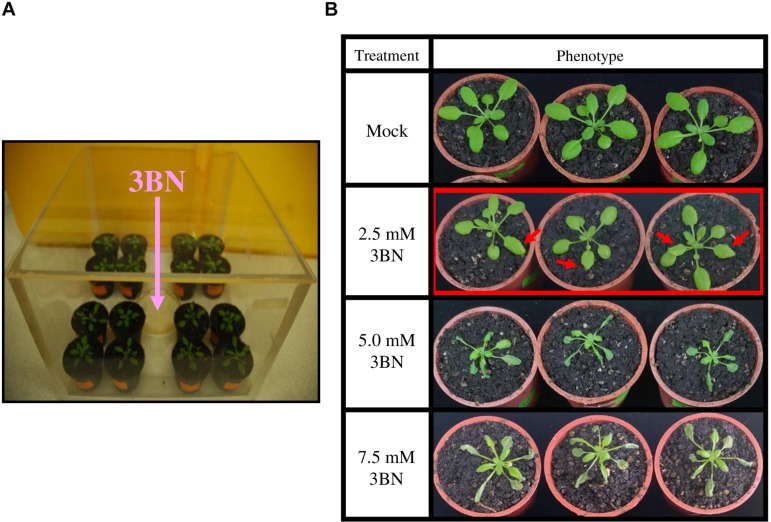
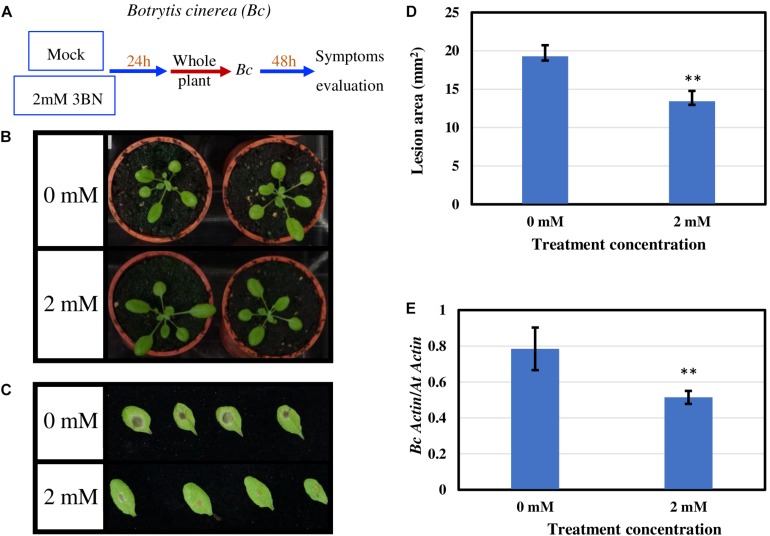
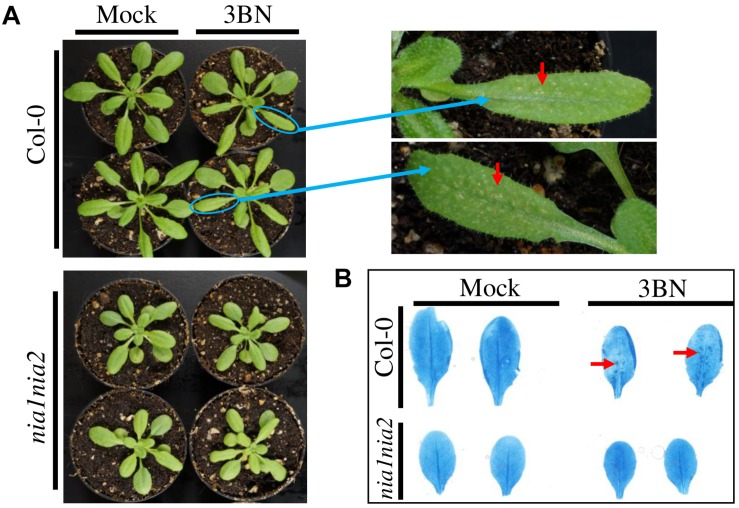
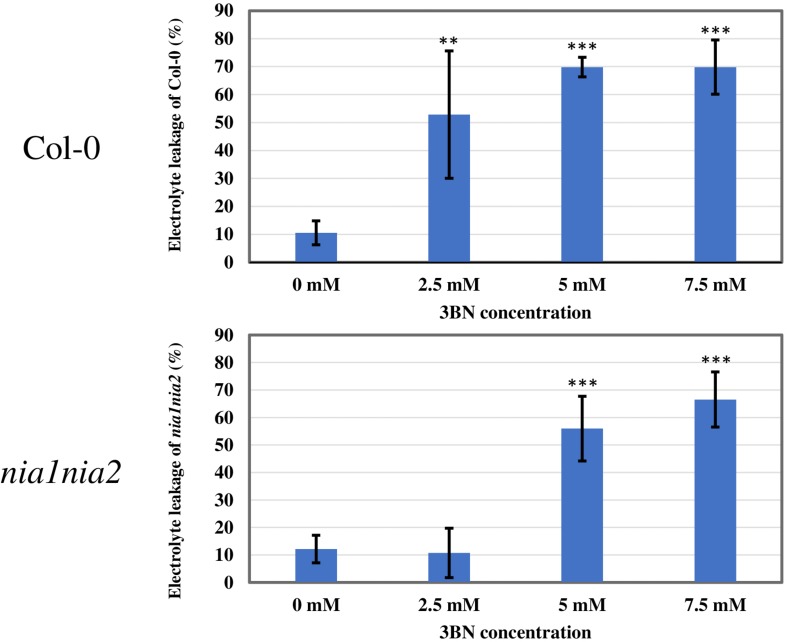
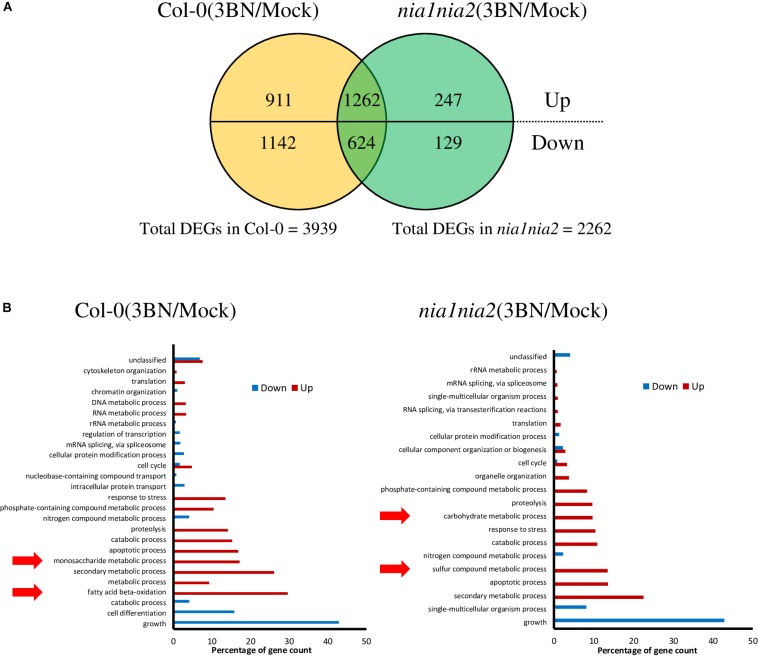
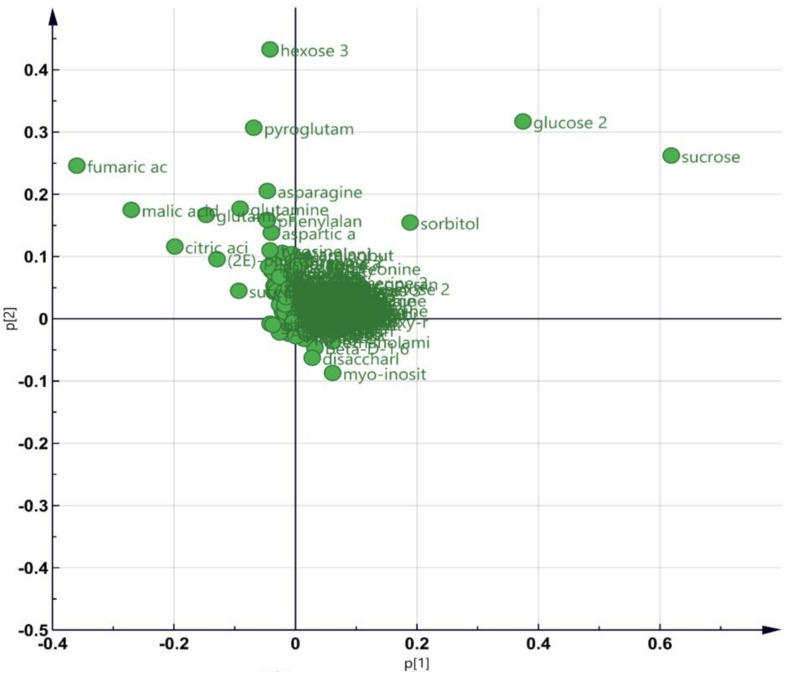
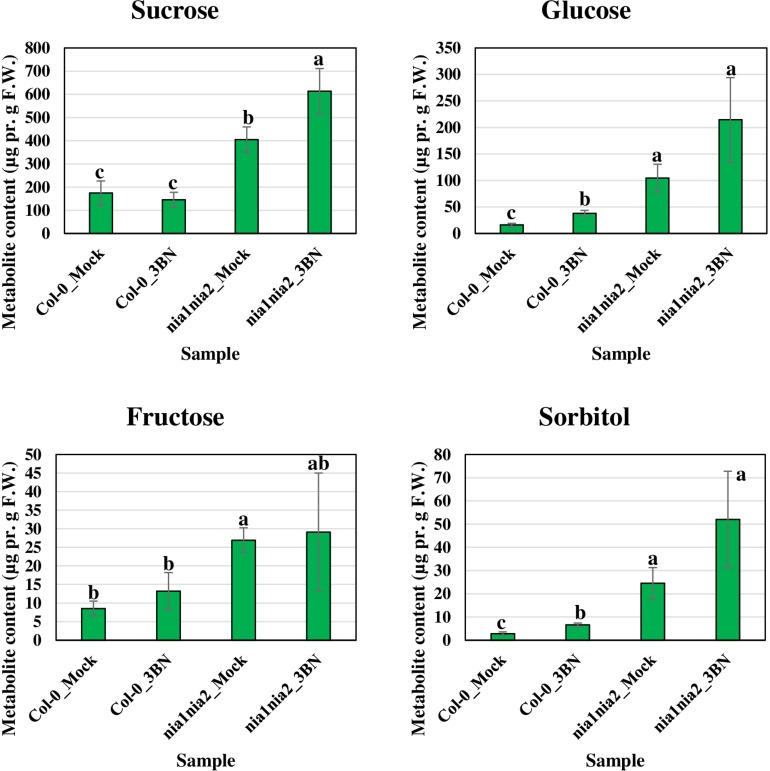
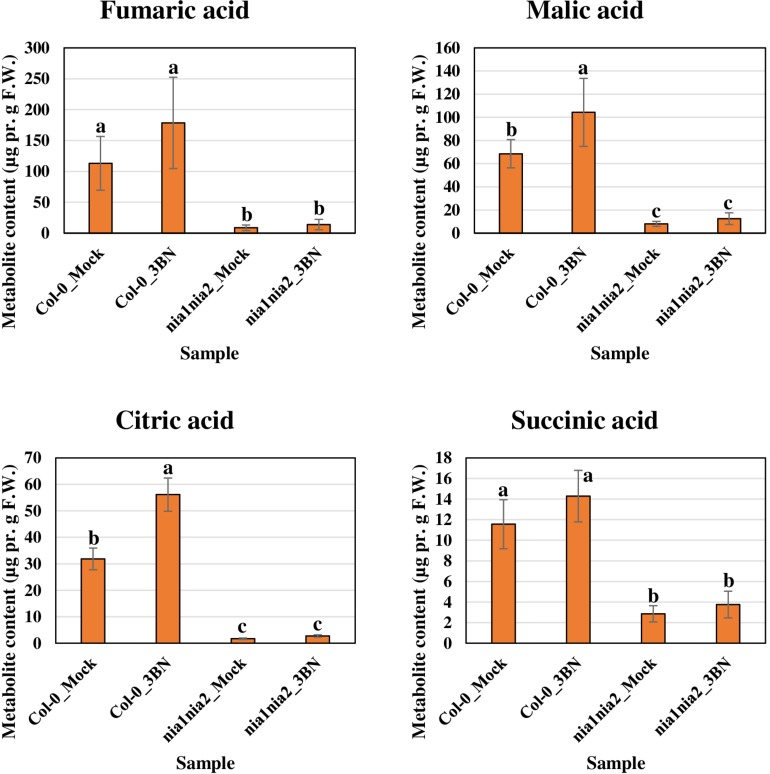
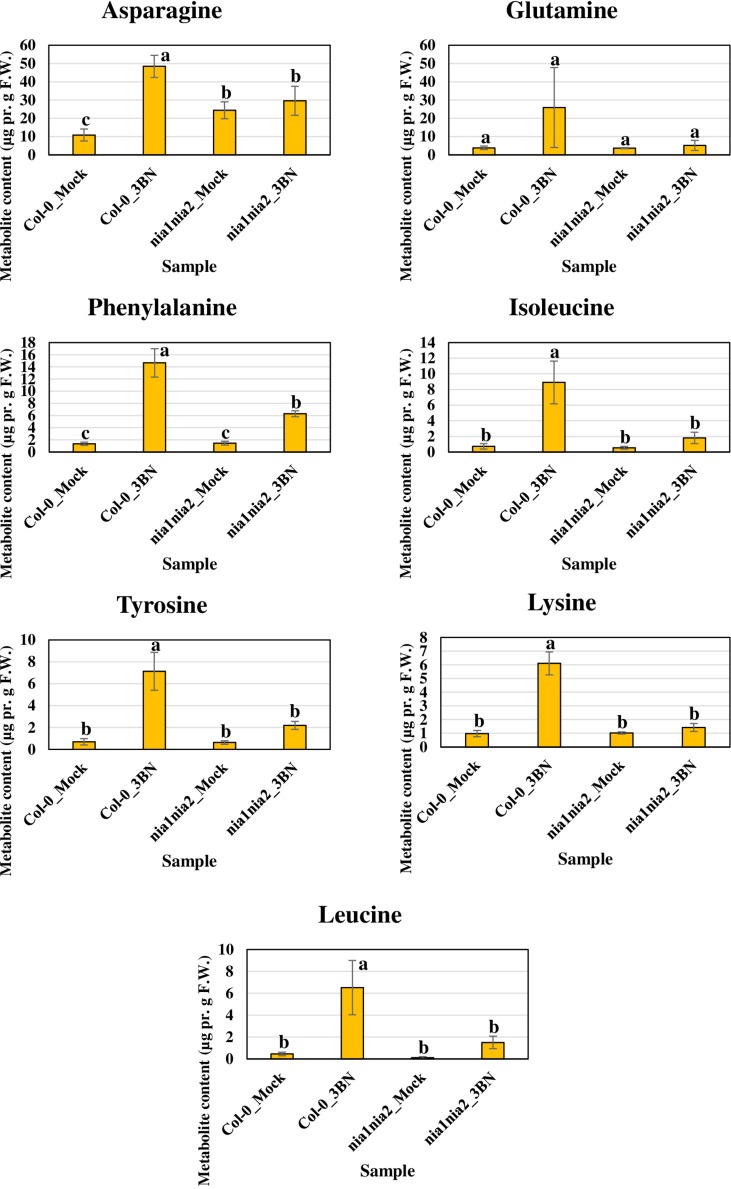
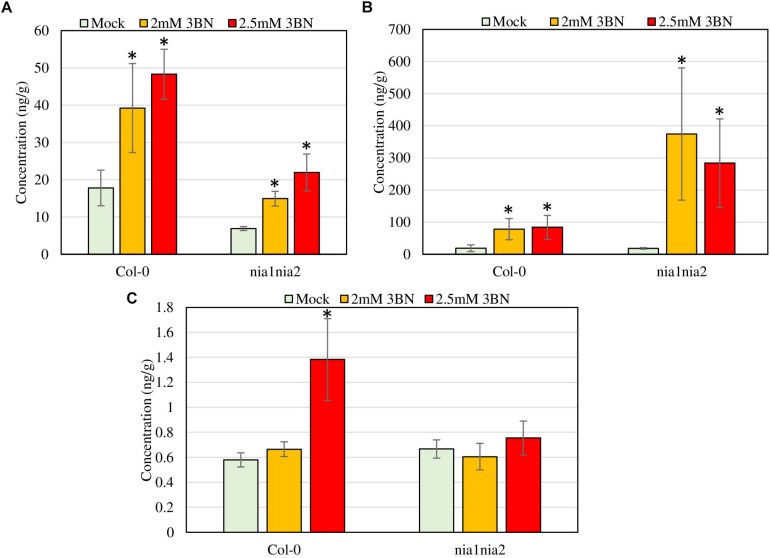
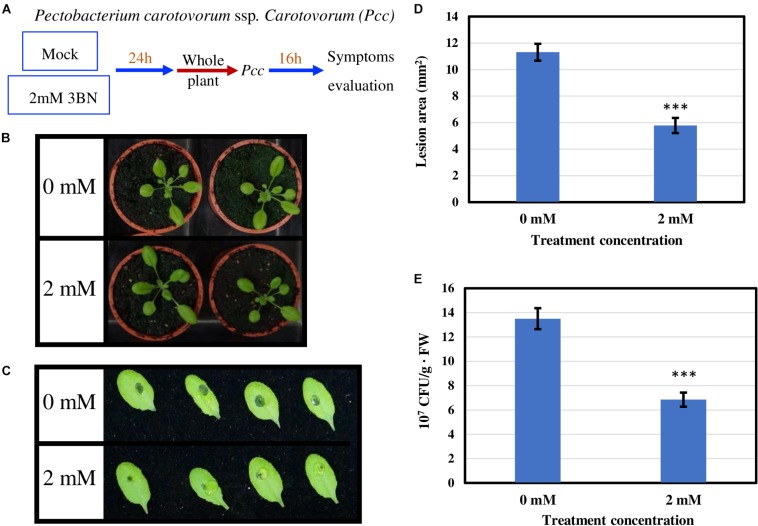
Glucosinolates are defense-related secondary metabolites found in Brassicaceae. When Brassicaceae come under attack, glucosinolates are hydrolyzed into different forms of glucosinolate hydrolysis products (GHPs). Among the GHPs, isothiocyanates are the most comprehensively characterized defensive compounds, whereas the functional study of nitriles, another group of GHP, is still limited. Therefore, this study investigates whether 3-butenenitrile (3BN), a nitrile, can trigger the signaling pathways involved in the regulation of defense responses in against biotic stresses. Briefly, the methodology is divided into three stages, (i) evaluate the physiological and biochemical effects of exogenous 3BN treatment on Arabidopsis, (ii) determine the metabolites involved in 3BN-mediated defense responses in Arabidopsis, and (iii) assess whether a 3BN treatment can enhance the disease tolerance of Arabidopsis against necrotrophic pathogens. As a result, a 2.5 mM 3BN treatment caused lesion formation in Arabidopsis Columbia (Col-0) plants, a process found to be modulated by nitric oxide (NO). Metabolite profiling revealed an increased production of soluble sugars, Krebs cycle associated carboxylic acids and amino acids in Arabidopsis upon a 2.5 mM 3BN treatment, presumably via NO action. Primary metabolites such as sugars and amino acids are known to be crucial components in modulating plant defense responses. Furthermore, exposure to 2.0 mM 3BN treatment began to increase the production of salicylic acid (SA) and jasmonic acid (JA) phytohormones in Arabidopsis Col-0 plants in the absence of lesion formation. The production of SA and JA in nitrate reductase loss-of function mutant () plants was also induced by the 3BN treatments, with a greater induction for JA. The SA concentration in plants was lower than in Col-0 plants, confirming the previously reported role of NO in controlling SA production in Arabidopsis. A 2.0 mM 3BN treatment prior to pathogen assays effectively alleviated the leaf lesion symptom of Arabidopsis Col-0 plants caused by ssp. and and reduced the pathogen growth on leaves. The findings of this study demonstrate that 3BN can elicit defense response pathways in Arabidopsis, which potentially involves a coordinated crosstalk between NO and phytohormone signaling.
硫代葡萄糖苷是十字花科植物中与防御相关的次生代谢产物。当十字花科植物受到攻击时,硫代葡萄糖苷会水解成不同形式的硫代葡萄糖苷水解产物(GHPs)。在这些GHPs中,异硫氰酸酯是特征最为全面的防御性化合物,而另一类GHP腈的功能研究仍然有限。因此,本研究调查了腈类化合物3-丁烯腈(3BN)是否能触发拟南芥中参与防御反应调控的信号通路,以应对生物胁迫。简而言之,该方法分为三个阶段:(i)评估外源3BN处理对拟南芥的生理生化影响;(ii)确定拟南芥中参与3BN介导的防御反应的代谢产物;(iii)评估3BN处理是否能增强拟南芥对坏死性病原菌的抗病能力。结果表明,2.5 mM的3BN处理导致拟南芥哥伦比亚(Col-0)植株出现病斑形成,这一过程被发现受一氧化氮(NO)调控。代谢物分析显示,2.5 mM的3BN处理后,拟南芥中可溶性糖、三羧酸循环相关羧酸和氨基酸的产量增加,推测是通过NO的作用。已知糖和氨基酸等初级代谢物是调节植物防御反应的关键成分。此外,在未形成病斑的情况下,用2.0 mM的3BN处理拟南芥Col-0植株开始增加水杨酸(SA)和茉莉酸(JA)植物激素的产量。3BN处理也诱导了硝酸还原酶功能缺失突变体()植株中SA和JA的产生,对JA的诱导作用更强。植株中的SA浓度低于Col-0植株,证实了之前报道的NO在控制拟南芥中SA产生方面的作用。在病原菌检测前用2.0 mM的3BN处理有效地减轻了拟南芥Col-0植株由ssp.和引起的叶片病斑症状,并减少了叶片上病原菌的生长。本研究结果表明3BN能在拟南芥中引发防御反应通路,这可能涉及NO和植物激素信号之间的协同串扰。