Mao Huimin, Yang Andi, Zhao Yunhe, Lei Lang, Li Houxuan
Nanjing Stomatological Hospital, Medical School of Nanjing University, Nanjing, China 210008.
Central Laboratory of Stomatology, Nanjing Stomatological Hospital, Medical School of Nanjing University, Nanjing, China 210008.
Stem Cells Int. 2020 Mar 10;2020:2016809. doi: 10.1155/2020/2016809. eCollection 2020.
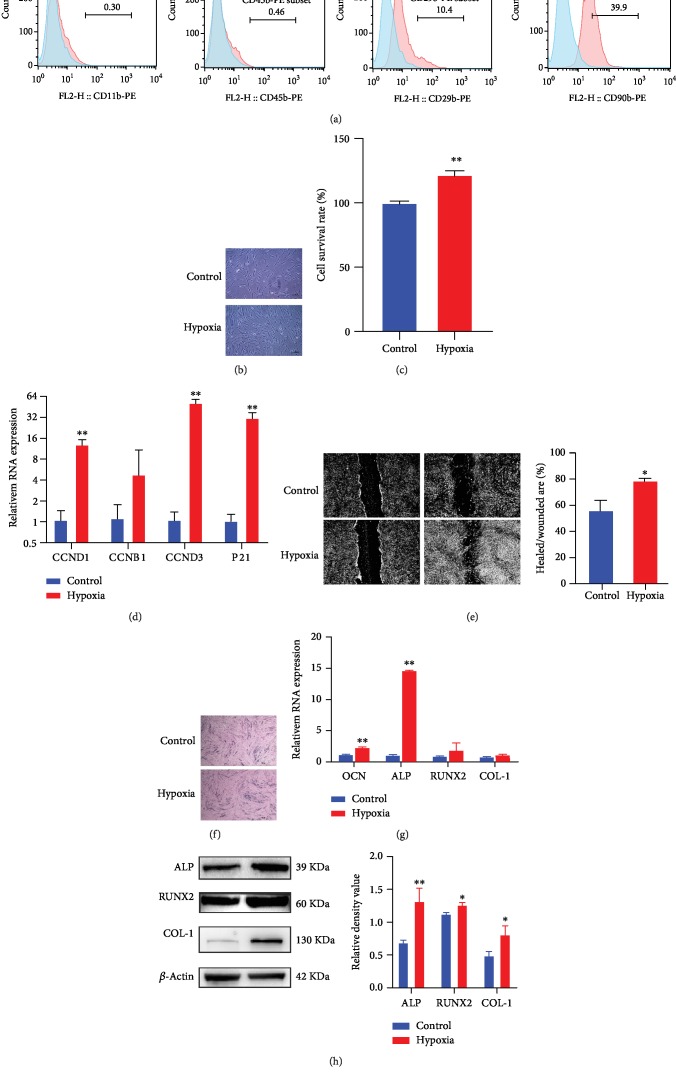
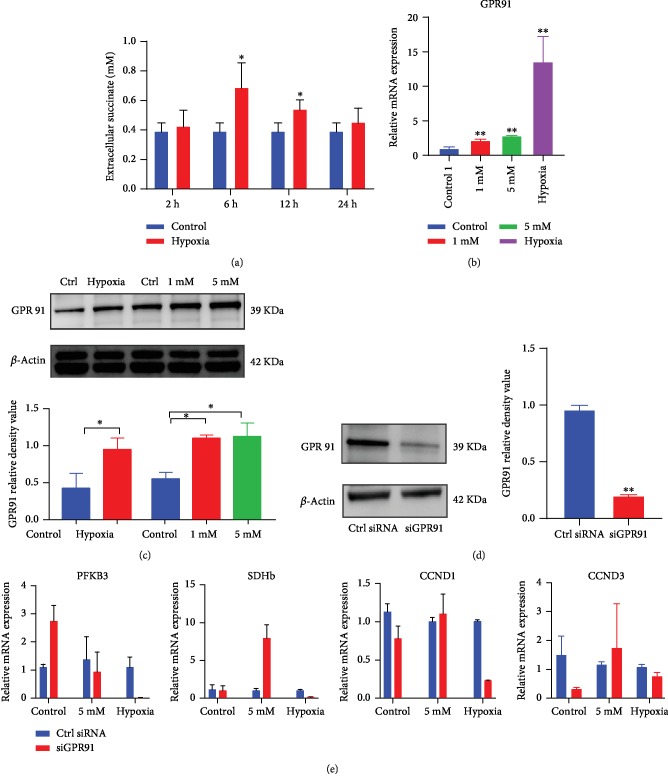
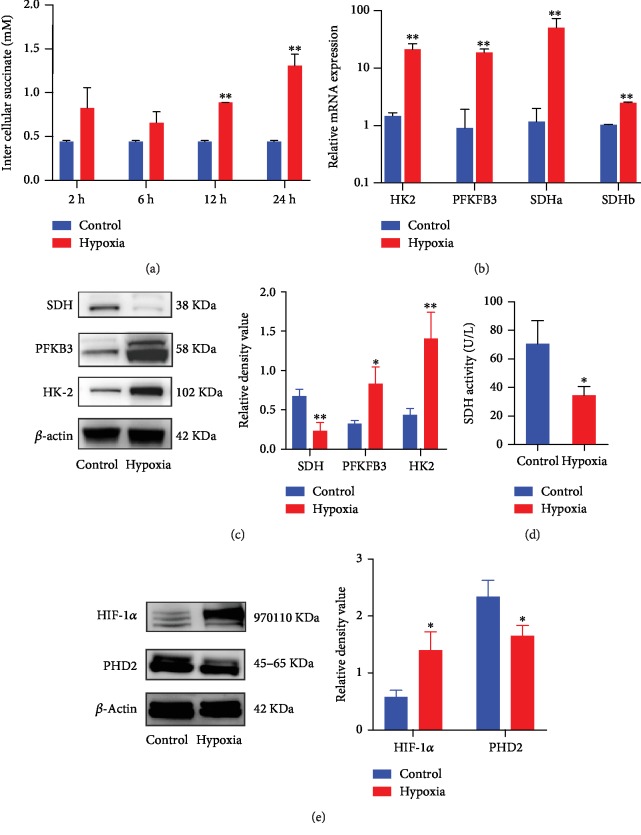
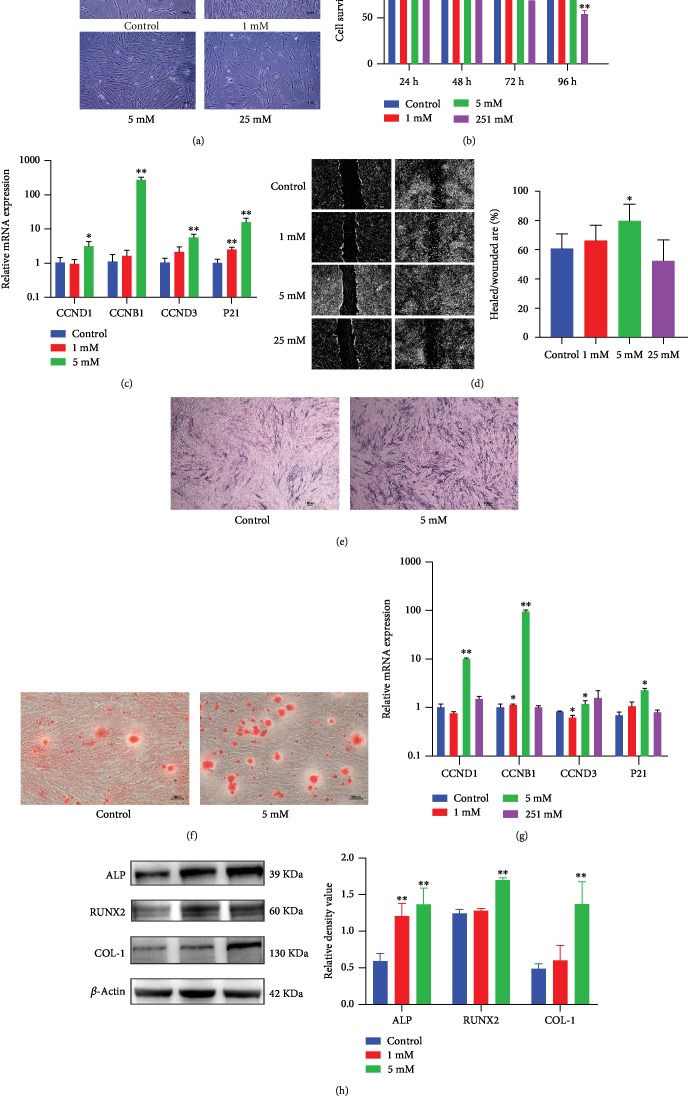
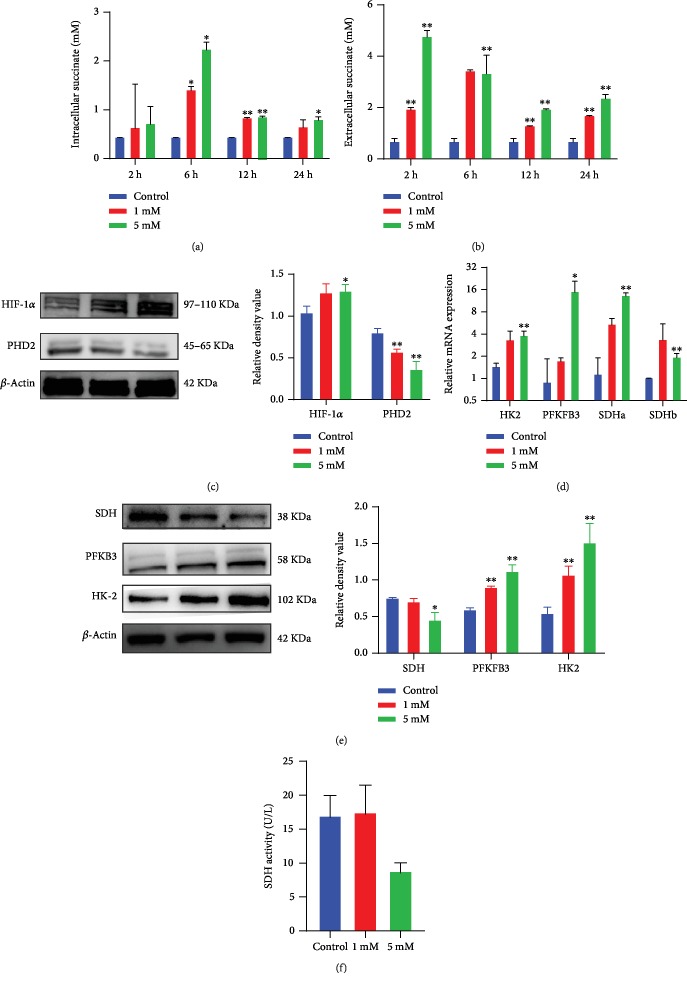
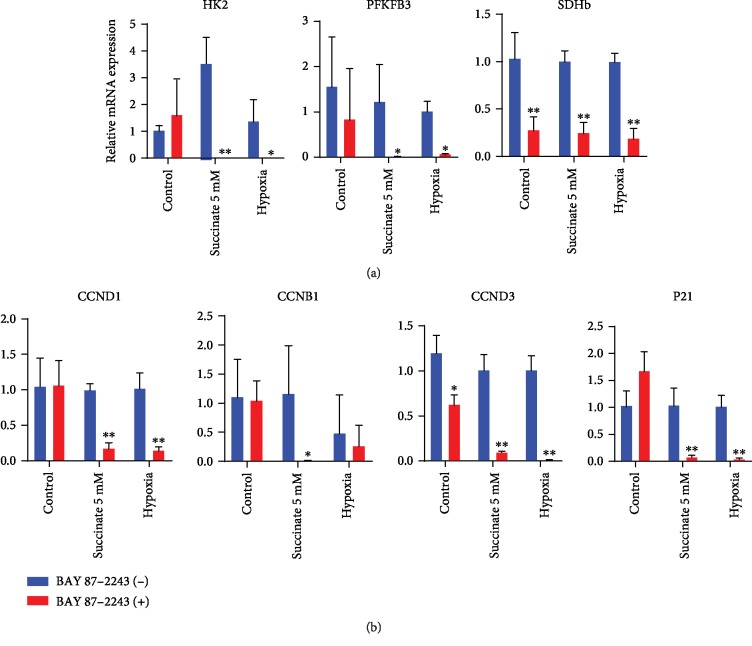
Most mesenchymal stem cells reside in a niche of low oxygen tension. Iron-chelating agents such as CoCl and deferoxamine have been utilized to mimic hypoxia and promote cell growth. The purpose of the present study was to explore whether a supplement of succinate, a natural metabolite of the tricarboxylic acid (TCA) cycle, can mimic hypoxia condition to promote human periodontal ligament cells (hPDLCs). Culturing hPDLCs in hypoxia condition promoted cell proliferation, migration, and osteogenic differentiation; moreover, hypoxia shifted cell metabolism from oxidative phosphorylation to glycolysis with accumulation of succinate in the cytosol and its release into culture supernatants. The succinate supplement enhanced hPDLC proliferation, migration, and osteogenesis with decreased succinate dehydrogenase (SDH) expression and activity, as well as increased hexokinase 2 (HK2) and 6-phosphofructo-2-kinase/fructose-2,6-biphosphatase 3 (PFKFB3), suggesting metabolic reprogramming from oxidative phosphorylation to glycolysis in a normal oxygen condition. The succinate supplement in cell cultures promoted intracellular succinate accumulation while stabilizing hypoxia inducible factor-1 (HIF-1), leading to a state of pseudohypoxia. Moreover, we demonstrate that hypoxia-induced proliferation was G-protein-coupled receptor 91- (GPR91-) dependent, while exogenous succinate-elicited proliferation involved the GPR91-dependent and GPR91-independent pathway. In conclusion, the succinate supplement altered cell metabolism in hPDLCs, induced a pseudohypoxia condition, and enhanced proliferation, migration, and osteogenesis of mesenchymal stem cells in vitro.
大多数间充质干细胞存在于低氧张力的微环境中。诸如氯化钴和去铁胺等铁螯合剂已被用于模拟缺氧并促进细胞生长。本研究的目的是探讨补充三羧酸(TCA)循环的天然代谢产物琥珀酸是否能模拟缺氧条件以促进人牙周膜细胞(hPDLCs)的生长。在缺氧条件下培养hPDLCs可促进细胞增殖、迁移和成骨分化;此外,缺氧使细胞代谢从氧化磷酸化转变为糖酵解,琥珀酸在细胞质中积累并释放到培养上清液中。补充琥珀酸可增强hPDLC的增殖、迁移和成骨能力,同时降低琥珀酸脱氢酶(SDH)的表达和活性,并增加己糖激酶2(HK2)和6-磷酸果糖-2-激酶/果糖-2,6-二磷酸酶3(PFKFB3),这表明在正常氧条件下细胞代谢从氧化磷酸化重编程为糖酵解。细胞培养中补充琥珀酸可促进细胞内琥珀酸积累,同时稳定缺氧诱导因子-1(HIF-1),导致假缺氧状态。此外,我们证明缺氧诱导的增殖依赖于G蛋白偶联受体91(GPR91),而外源性琥珀酸诱导的增殖涉及GPR91依赖性和GPR91非依赖性途径。总之,补充琥珀酸改变了hPDLCs的细胞代谢,诱导了假缺氧状态,并增强了体外间充质干细胞的增殖、迁移和成骨能力。