Faculty of Engineering, University of Nottingham, University Park, Nottingham NG7 2RD, UK.
Sensors (Basel). 2020 Mar 25;20(7):1813. doi: 10.3390/s20071813.
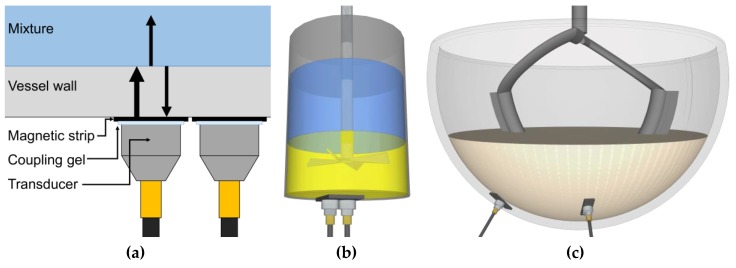
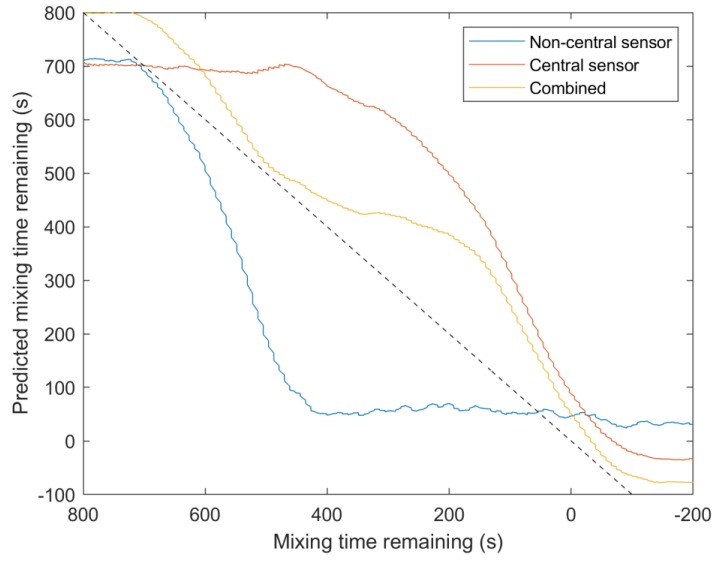
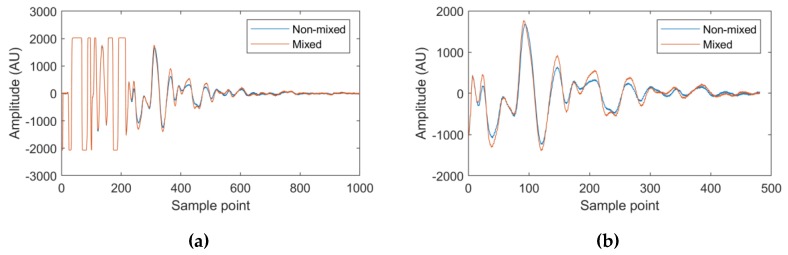
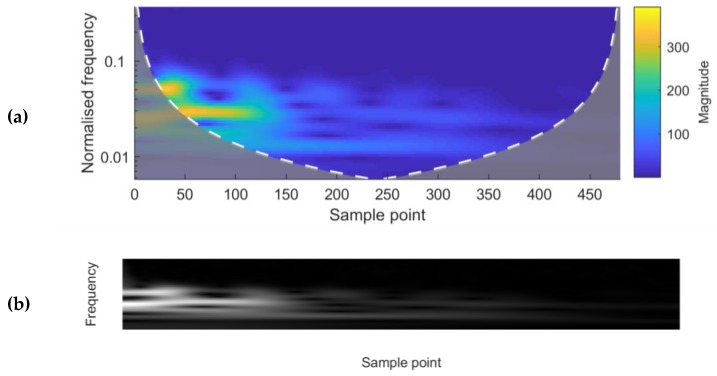
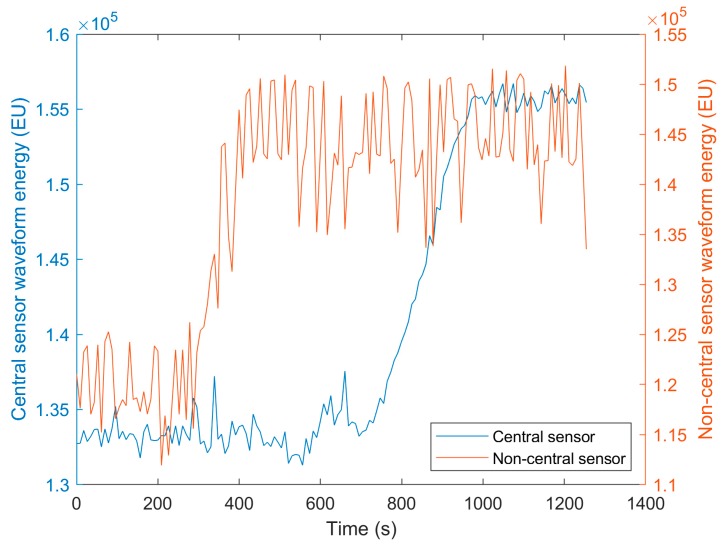
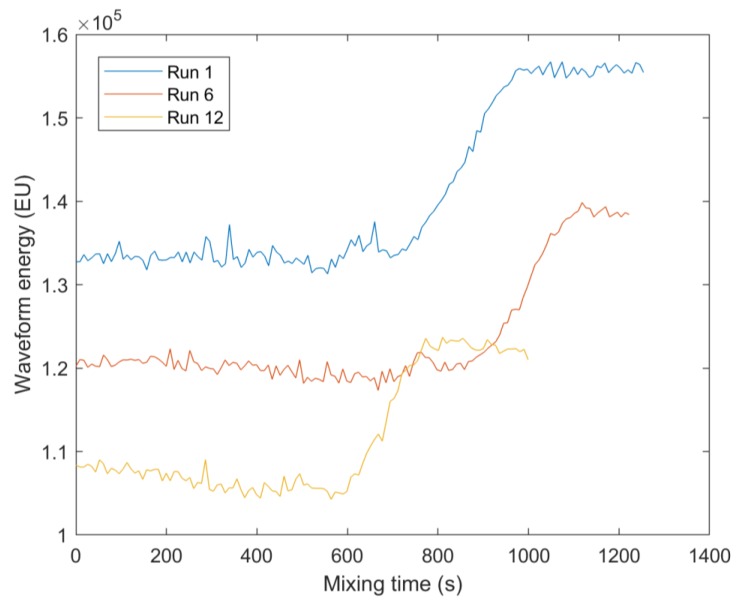
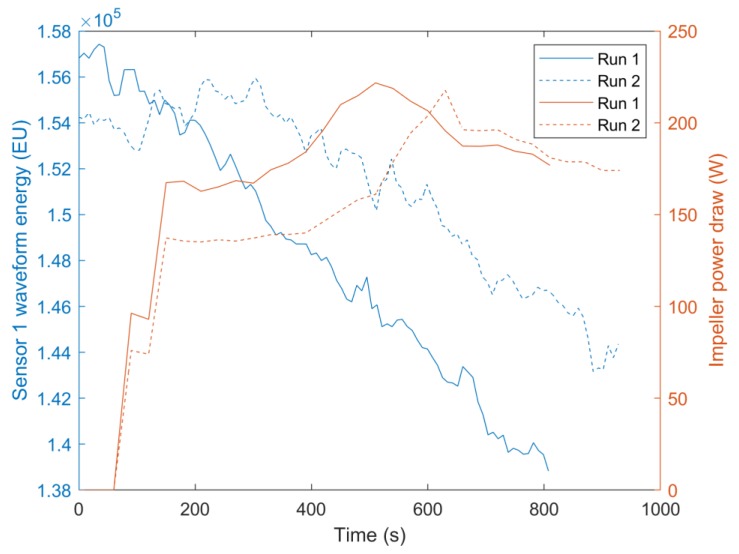
Mixing is one of the most common processes across food, chemical, and pharmaceutical manufacturing. Real-time, in-line sensors are required for monitoring, and subsequently optimising, essential processes such as mixing. Ultrasonic sensors are low-cost, real-time, in-line, and applicable to characterise opaque systems. In this study, a non-invasive, reflection-mode ultrasonic measurement technique was used to monitor two model mixing systems. The two systems studied were honey-water blending and flour-water batter mixing. Classification machine learning models were developed to predict if materials were mixed or not mixed. Regression machine learning models were developed to predict the time remaining until mixing completion. Artificial neural networks, support vector machines, long short-term memory neural networks, and convolutional neural networks were tested, along with different methods for engineering features from ultrasonic waveforms in both the time and frequency domain. Comparisons between using a single sensor and performing multisensor data fusion between two sensors were made. Classification accuracies of up to 96.3% for honey-water blending and 92.5% for flour-water batter mixing were achieved, along with R values for the regression models of up to 0.977 for honey-water blending and 0.968 for flour-water batter mixing. Each prediction task produced optimal performance with different algorithms and feature engineering methods, vindicating the extensive comparison between different machine learning approaches.
混合是食品、化学和制药生产中最常见的过程之一。需要实时、在线传感器来监测和随后优化混合等关键过程。超声波传感器具有成本低、实时、在线和适用于表征不透明系统的特点。在这项研究中,使用了一种非侵入式、反射模式的超声波测量技术来监测两种模型混合系统。研究的两个系统是蜂蜜水混合和面粉水面糊混合。开发了分类机器学习模型来预测材料是否混合或未混合。还开发了回归机器学习模型来预测混合完成前剩余的时间。测试了人工神经网络、支持向量机、长短时记忆神经网络和卷积神经网络,以及在时域和频域中从超声波波形中提取工程特征的不同方法。比较了使用单个传感器和在两个传感器之间执行多传感器数据融合的效果。蜂蜜水混合的分类准确率高达 96.3%,面粉水面糊混合的分类准确率高达 92.5%,蜂蜜水混合的回归模型 R 值高达 0.977,面粉水面糊混合的回归模型 R 值高达 0.968。每个预测任务都使用不同的算法和特征工程方法达到了最佳性能,证明了在不同机器学习方法之间进行广泛比较的合理性。