Université de Bordeaux, Institut des Maladies Neurodégénératives, 33076, Bordeaux, France.
CNRS UMR 5293, Institut des Maladies Neurodégénératives, 33076, Bordeaux, France.
Nat Commun. 2020 Mar 26;11(1):1570. doi: 10.1038/s41467-020-15352-3.
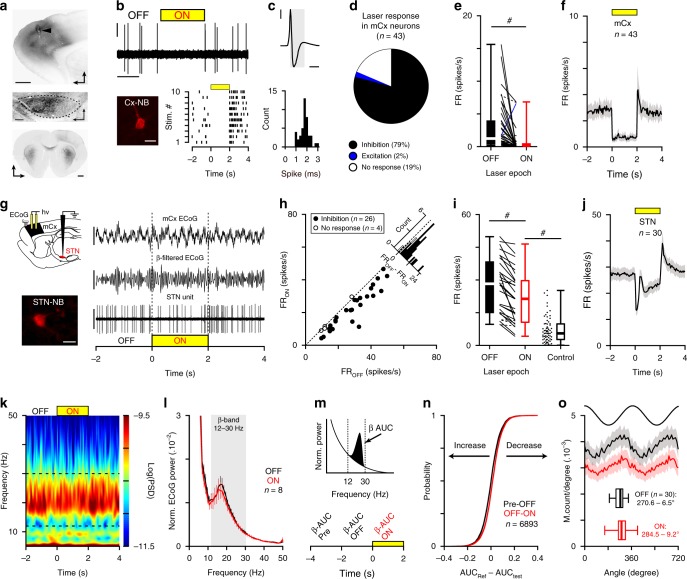
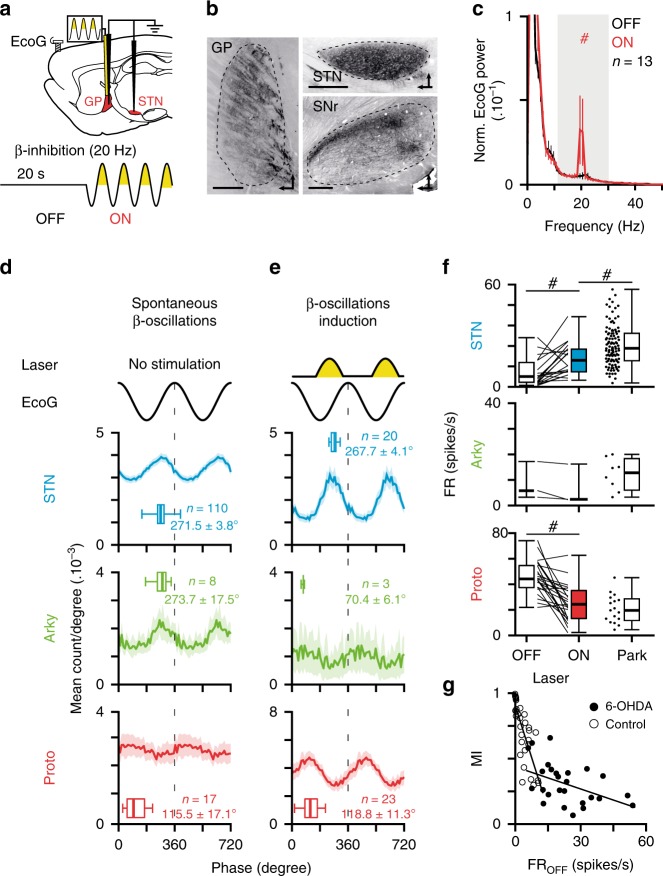
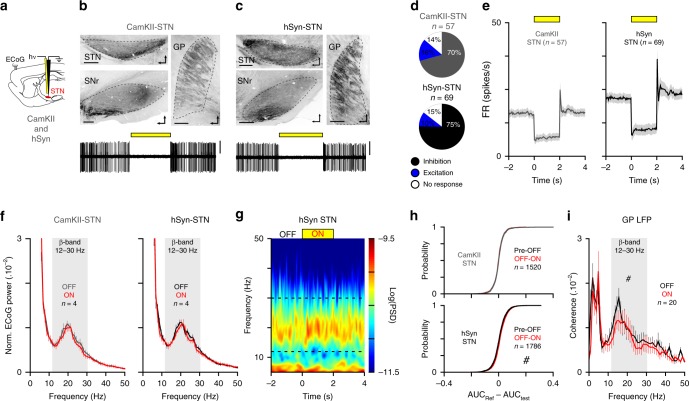
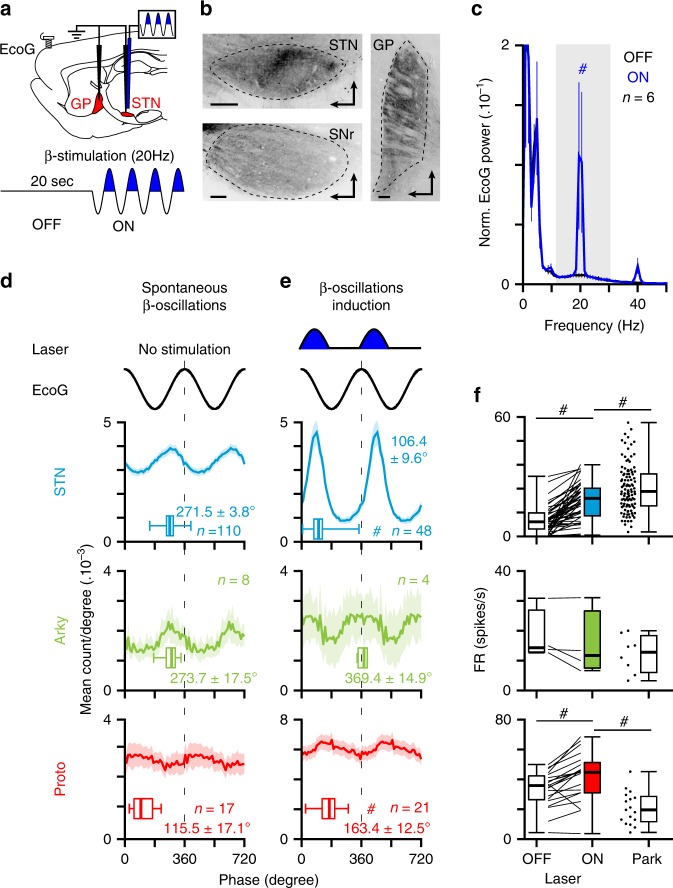
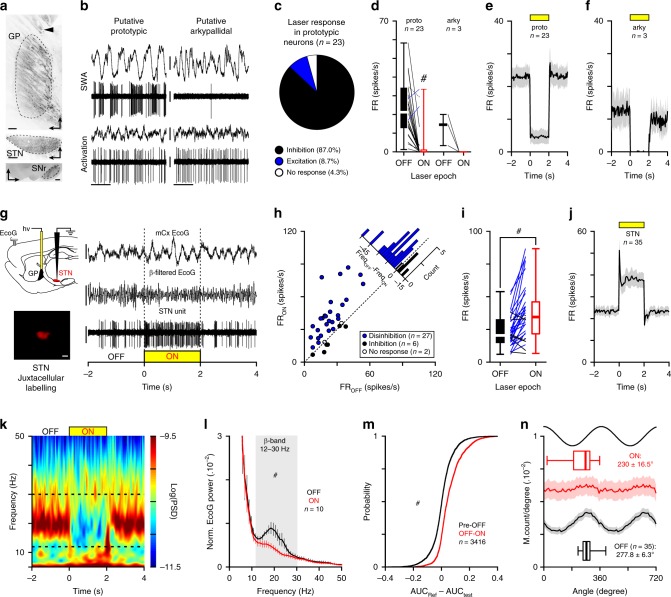
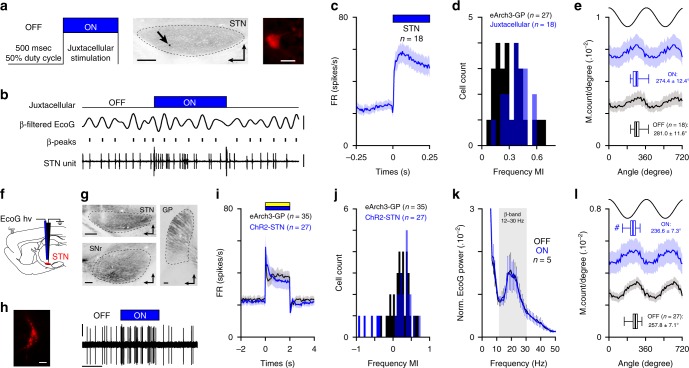
The dynamical properties of cortico-basal ganglia (CBG) circuits are dramatically altered following the loss of dopamine in Parkinson's disease (PD). The neural circuit dysfunctions associated with PD include spike-rate alteration concomitant with excessive oscillatory spike-synchronization in the beta frequency range (12-30 Hz). Which neuronal circuits orchestrate and propagate these abnormal neural dynamics in CBG remains unknown. In this work, we combine in vivo electrophysiological recordings with advanced optogenetic manipulations in normal and 6-OHDA rats to shed light on the mechanistic principle underlying circuit dysfunction in PD. Our results show that abnormal neural dynamics present in a rat model of PD do not rely on cortical or subthalamic nucleus activity but critically dependent on globus pallidus (GP) integrity. Our findings highlight the pivotal role played by the GP which operates as a hub nucleus capable of orchestrating firing rate and synchronization changes across CBG circuits both in normal and pathological conditions.
纹状体-苍白球(CBG)回路的动力学特性在帕金森病(PD)中多巴胺缺失后会发生显著改变。与 PD 相关的神经回路功能障碍包括尖峰率改变以及β频带(12-30 Hz)中过度的振荡尖峰同步。哪些神经元回路在 CBG 中协调和传播这些异常的神经动力学仍然未知。在这项工作中,我们结合了正常和 6-OHDA 大鼠的体内电生理记录和先进的光遗传学操作,以阐明 PD 中回路功能障碍的机制原理。我们的结果表明,PD 大鼠模型中存在的异常神经动力学不依赖于皮质或丘脑底核的活动,而是严重依赖于苍白球(GP)的完整性。我们的发现强调了 GP 所起的关键作用,它作为一个枢纽核,能够在正常和病理条件下协调 CBG 回路中的发放率和同步变化。