Department of Cardiology and Pneumology, University Medical Center of Göttingen, Georg-August University, Göttingen, Germany.
DZHK (German Centre for Cardiovascular Research, partner site Göttingen, Germany).
Theranostics. 2020 Mar 4;10(9):3905-3924. doi: 10.7150/thno.38640. eCollection 2020.
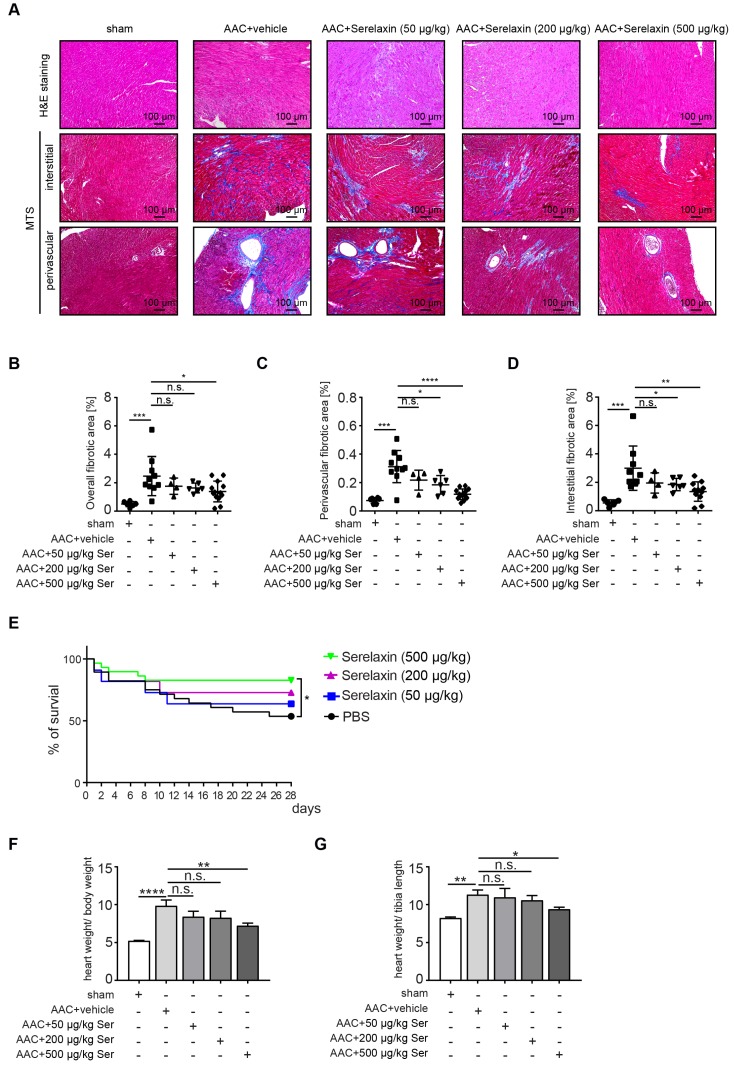
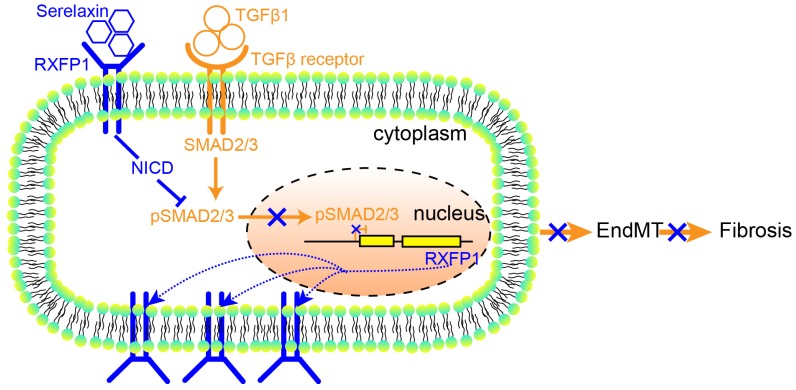
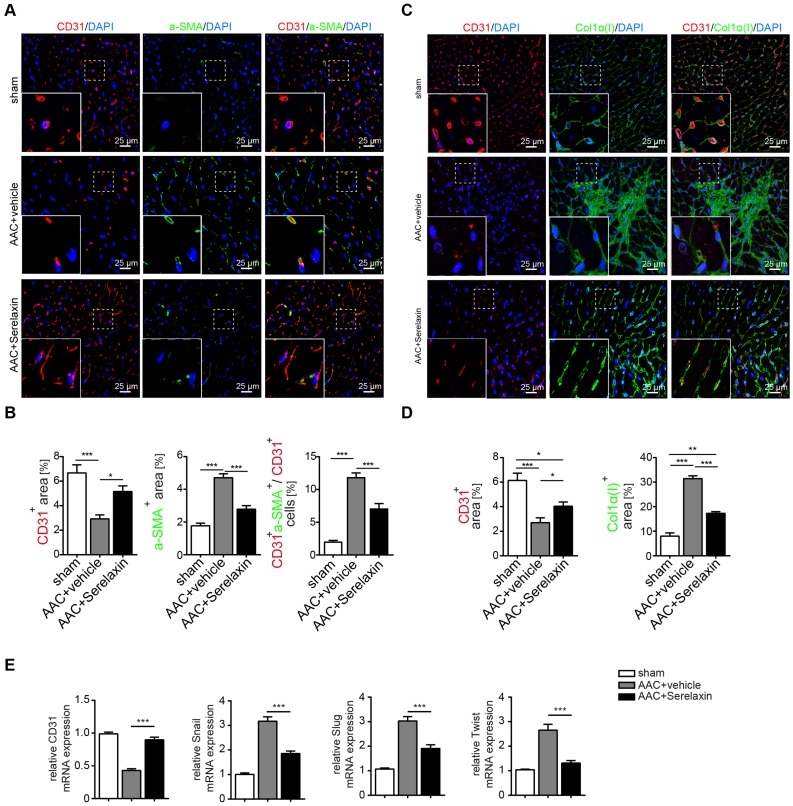
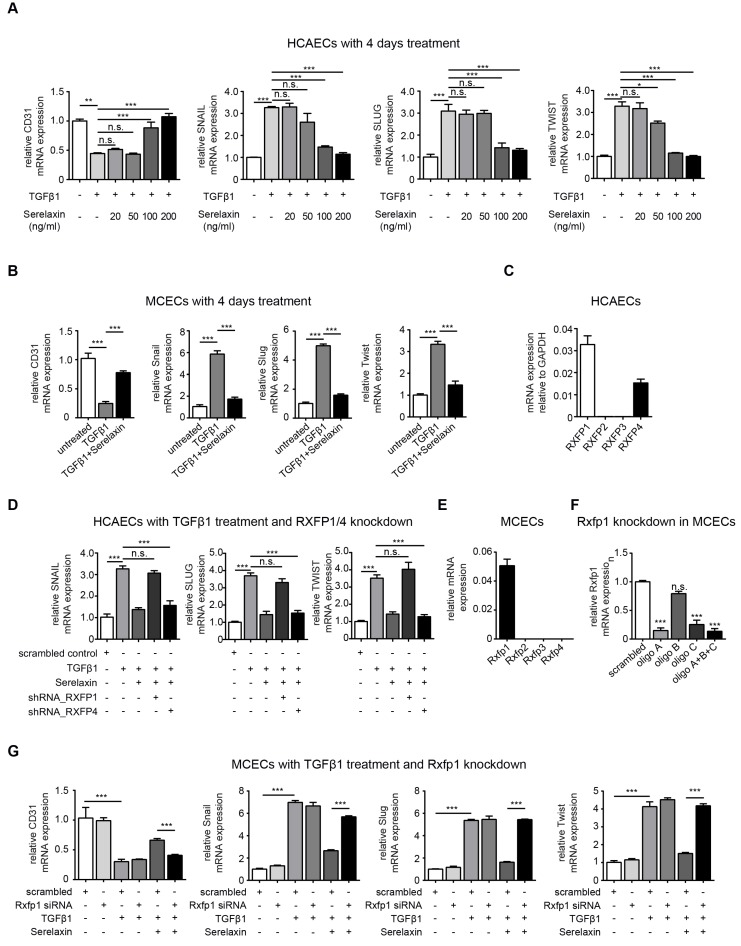
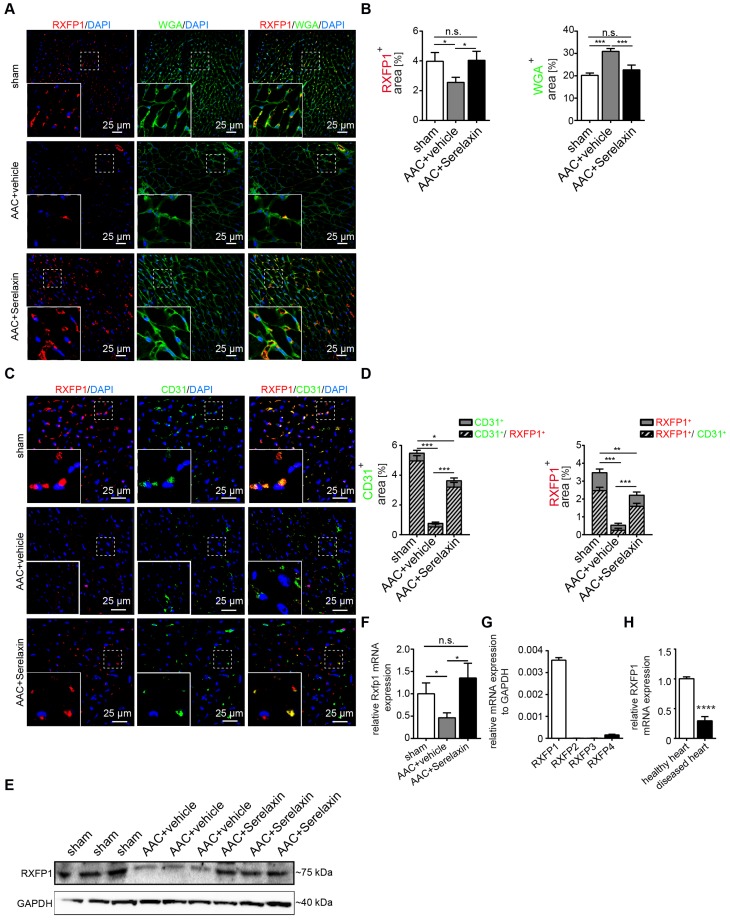
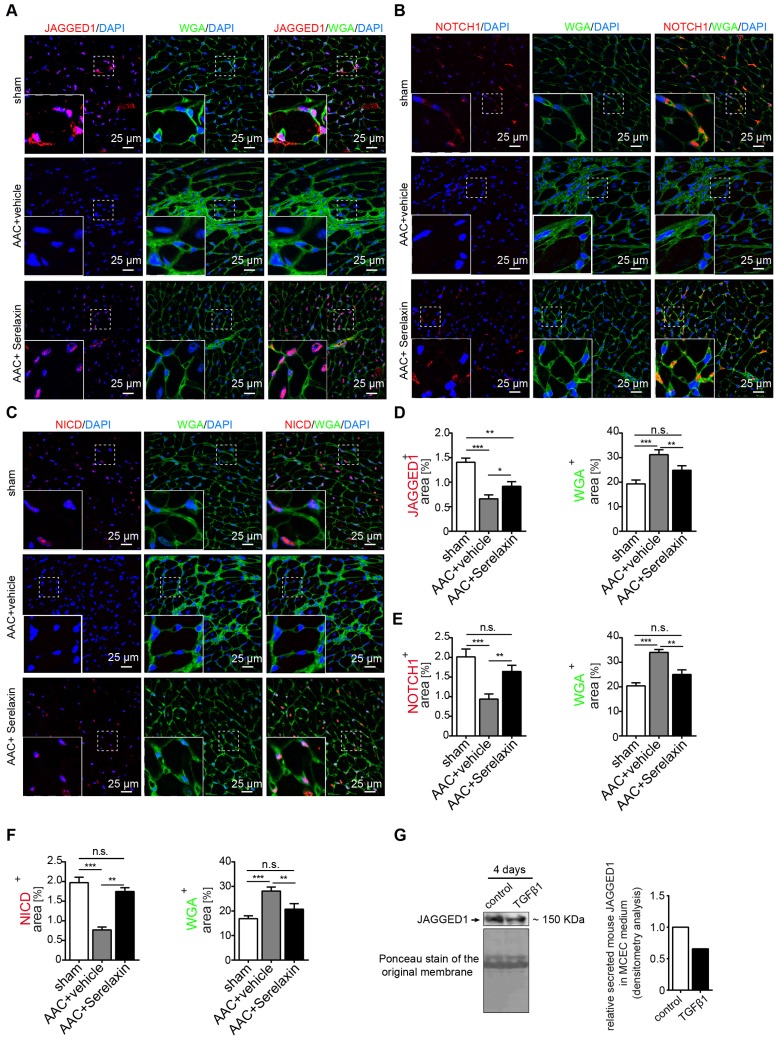
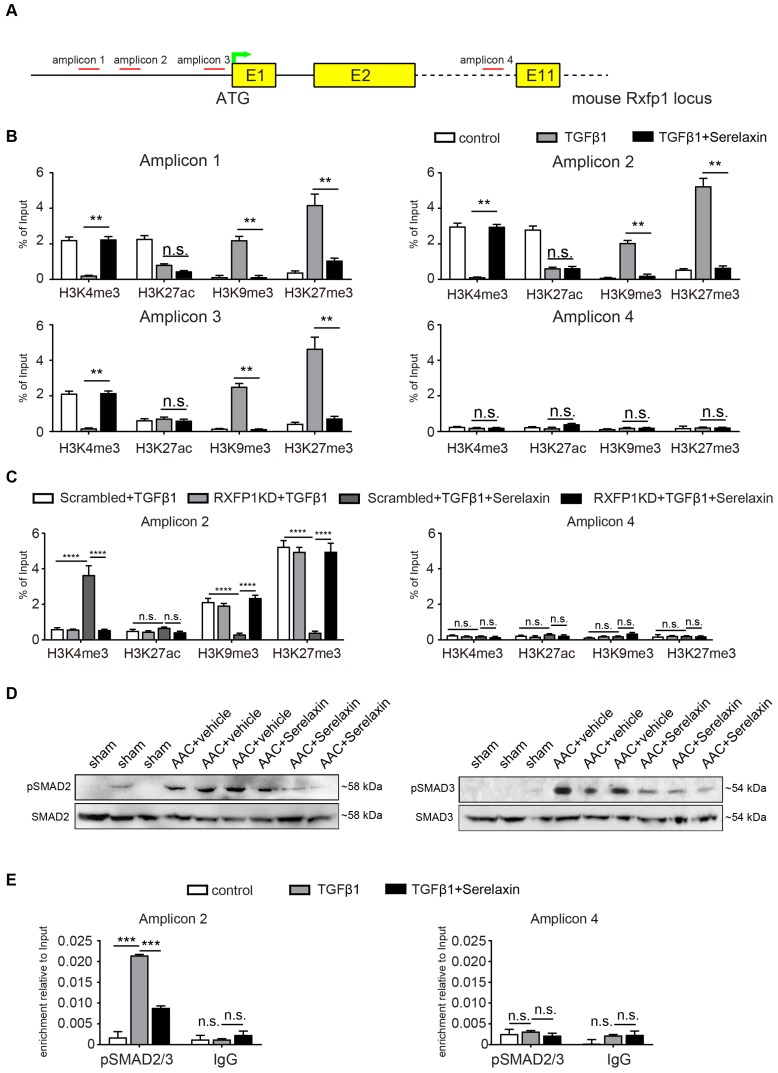
: Cardiac fibrosis is an integral constituent of every form of chronic heart disease, and persistence of fibrosis reduces tissue compliance and accelerates the progression to heart failure. Relaxin-2 is a human hormone, which has various physiological functions such as mediating renal vasodilation in pregnancy. Its recombinant form Serelaxin has recently been tested in clinical trials as a therapy for acute heart failure but did not meet its primary endpoints. The aim of this study is to examine whether Serelaxin has an anti-fibrotic effect in the heart and therefore could be beneficial in chronic heart failure. : We utilized two different cardiac fibrosis mouse models (ascending aortic constriction (AAC) and Angiotensin II (ATII) administration via osmotic minipumps) to assess the anti-fibrotic potential of Serelaxin. Histological analysis, immunofluorescence staining and molecular analysis were performed to assess the fibrosis level and indicate endothelial cells which are undergoing EndMT. TGFβ1-induced endothelial-to-mesenchymal transition (EndMT) assays were performed in human coronary artery endothelial cells and mouse cardiac endothelial cells (MCECs) and were examined using molecular methods. Chromatin immunoprecipitation-qPCR assay was utilized to identify the Serelaxin effect on chromatin remodeling in the promoter region in MCECs. : Our results demonstrate a significant and dose-dependent anti-fibrotic effect of Serelaxin in the heart in both models. We further show that Serelaxin mediates this effect, at least in part, through inhibition of EndMT through the endothelial Relaxin family peptide receptor 1 (RXFP1). We further demonstrate that Serelaxin administration is able to increase its own receptor expression (RXFP1) through epigenetic regulation in form of histone modifications by attenuating TGFβ-pSMAD2/3 signaling in endothelial cells. : This study is the first to identify that Serelaxin increases the expression of its own receptor RXFP1 and that this mediates the inhibition of EndMT and cardiac fibrosis, suggesting that Serelaxin may have a beneficial effect as anti-fibrotic therapy in chronic heart failure.
心肌纤维化是各种慢性心脏病的固有组成部分,纤维化的持续存在会降低组织顺应性,并加速心力衰竭的进展。松弛素-2 是一种人类激素,具有多种生理功能,如介导妊娠期间的肾脏血管舒张。其重组形式 Serelaxin 最近已在临床试验中作为急性心力衰竭的治疗方法进行了测试,但未达到主要终点。本研究旨在探讨 Serelaxin 是否对心脏具有抗纤维化作用,因此是否对慢性心力衰竭有益。
我们利用两种不同的心肌纤维化小鼠模型(升主动脉缩窄(AAC)和通过渗透微型泵给予血管紧张素 II(ATII))来评估 Serelaxin 的抗纤维化潜力。进行组织学分析、免疫荧光染色和分子分析,以评估纤维化程度并指示正在经历内皮细胞向间充质转化(EndMT)的内皮细胞。在人冠状动脉内皮细胞和小鼠心脏内皮细胞(MCEC)中进行 TGFβ1 诱导的内皮细胞向间充质转化(EndMT)测定,并使用分子方法进行检查。染色质免疫沉淀-qPCR 测定用于鉴定 Serelaxin 在 MCEC 中 启动子区域的染色质重塑中的作用。
我们的结果表明,Serelaxin 在两种模型中均具有显著的、剂量依赖性的抗纤维化作用。我们进一步表明,Serelaxin 通过抑制 EndMT 来介导这种作用,至少部分是通过内皮松弛素家族肽受体 1(RXFP1)。我们进一步证明,Serelaxin 通过减弱内皮细胞中的 TGFβ-pSMAD2/3 信号传导,通过组蛋白修饰的形式(即组蛋白修饰)来增加其自身受体表达(RXFP1)。
这项研究首次确定 Serelaxin 增加其自身受体 RXFP1 的表达,并且这种表达介导了 EndMT 和心肌纤维化的抑制,这表明 Serelaxin 作为慢性心力衰竭的抗纤维化治疗可能具有有益作用。