Coltelli Maria-Beatrice, Aliotta Laura, Vannozzi Alessandro, Morganti Pierfrancesco, Panariello Luca, Danti Serena, Neri Simona, Fernandez-Avila Cristina, Fusco Alessandra, Donnarumma Giovanna, Lazzeri Andrea
Department of Civil and Industrial Engineering, University of Pisa, 56122 Pisa, Italy.
Consorzio Interuniversitario Nazionale per la Scienza e Tecnologia dei Materiali (INSTM), 50121 Florence, Italy.
J Funct Biomater. 2020 Apr 1;11(2):21. doi: 10.3390/jfb11020021.
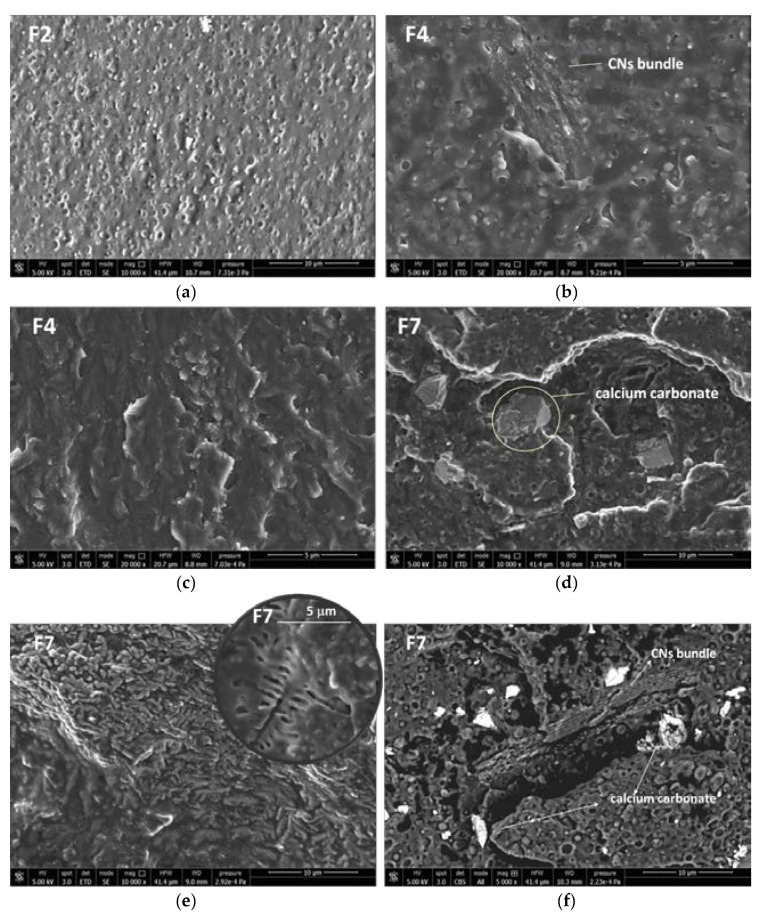
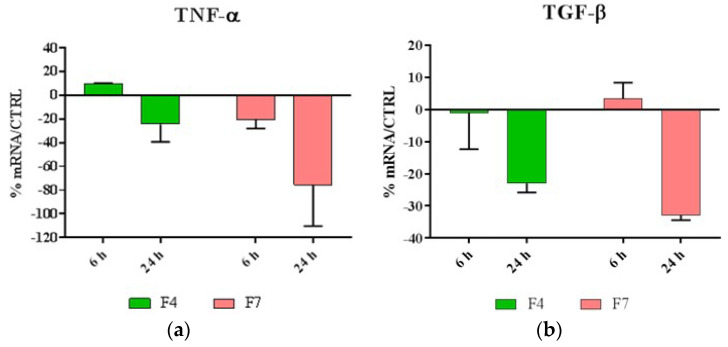
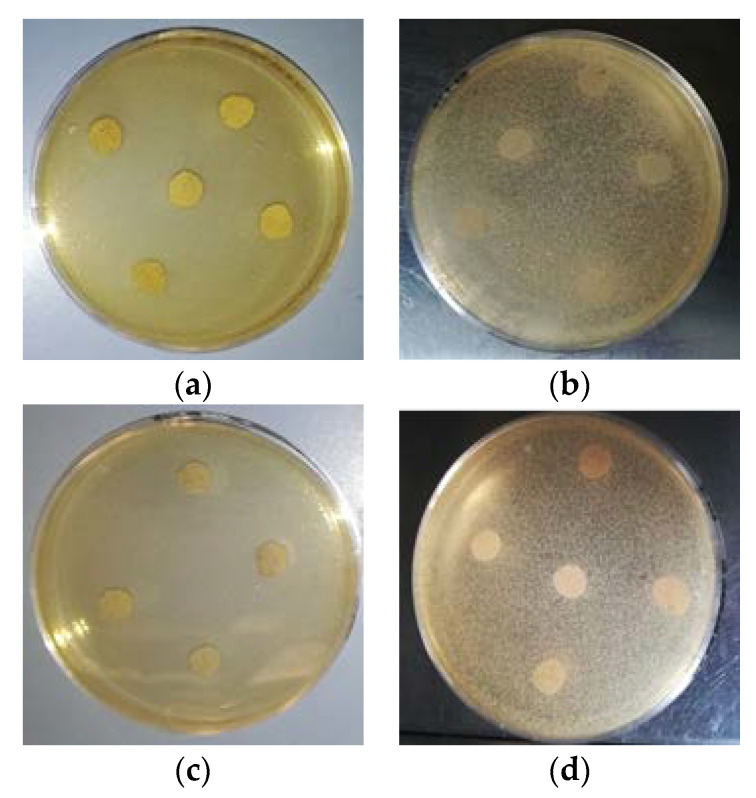
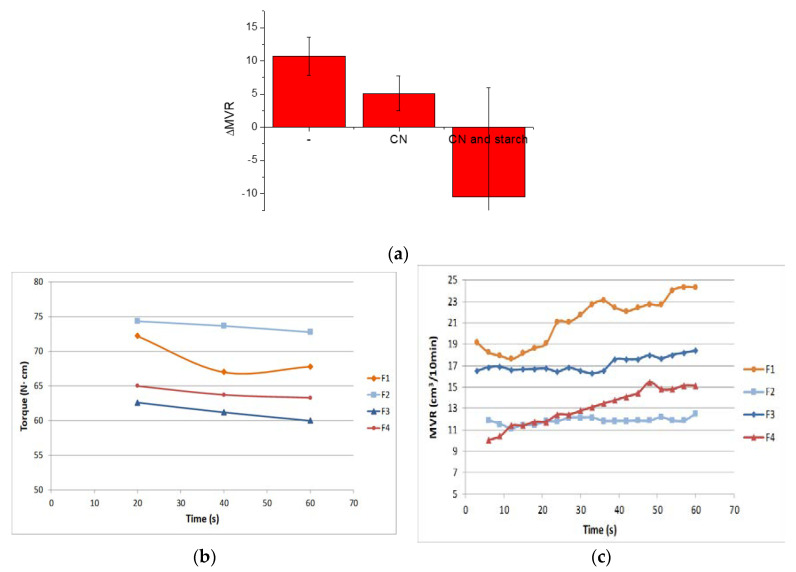
Nanobiocomposites suitable for preparing skin compatible films by flat die extrusion were prepared by using plasticized poly(lactic acid) (PLA), poly(butylene succinate-co-adipate) (PBSA), and Chitin nanofibrils as functional filler. Chitin nanofibrils (CNs) were dispersed in the blends thanks to the preparation of pre-nanocomposites containing poly(ethylene glycol). Thanks to the use of a melt strength enhancer (Plastistrength) and calcium carbonate, the processability and thermal properties of bionanocomposites films containing CNs could be tuned in a wide range. Moreover, the resultant films were flexible and highly resistant. The addition of CNs in the presence of starch proved not advantageous because of an extensive chain scission resulting in low values of melt viscosity. The films containing CNs or CNs and calcium carbonate resulted biocompatible and enabled the production of cells defensins, acting as indirect anti-microbial. Nevertheless, tests made with and spp. (Gram positive and negative respectively) by the qualitative agar diffusion test did not show any direct anti-microbial activity of the films. The results are explained considering the morphology of the film and the different mechanisms of direct and indirect anti-microbial action generated by the nanobiocomposite based films.
通过平模挤出制备适合用于制备皮肤相容性薄膜的纳米生物复合材料,该复合材料由增塑聚乳酸(PLA)、聚(丁二酸丁二醇酯 - 共 - 己二酸酯)(PBSA)以及作为功能填料的几丁质纳米纤维制成。由于制备了含有聚乙二醇的预纳米复合材料,几丁质纳米纤维(CNs)得以分散在共混物中。由于使用了熔体强度增强剂(Plastistrength)和碳酸钙,含CNs的生物纳米复合材料薄膜的加工性能和热性能可在很宽的范围内进行调整。此外,所得薄膜柔韧性好且具有高抗性。在淀粉存在的情况下添加CNs并不有利,因为广泛的断链导致熔体粘度值较低。含CNs或CNs与碳酸钙的薄膜具有生物相容性,并能够产生细胞防御素,起到间接抗菌作用。然而,通过定性琼脂扩散试验对金黄色葡萄球菌和大肠杆菌(分别为革兰氏阳性和阴性)进行的测试并未显示出薄膜具有任何直接抗菌活性。考虑到薄膜的形态以及基于纳米生物复合材料的薄膜产生的直接和间接抗菌作用的不同机制,对这些结果进行了解释。