Veltri Francesco, Alessandro Francesca, Scarcello Andrea, Beneduci Amerigo, Arias Polanco Melvin, Cid Perez Denia, Vacacela Gomez Cristian, Tavolaro Adalgisa, Giordano Girolamo, Caputi Lorenzo S
Surface Nanoscience Group, Department of Physics, University of Calabria, I-87036 Rende, Cosenza, Italy.
UNICARIBE Research Center, University of Calabria, I-87036 Rende, Cosenza, Italy.
Nanomaterials (Basel). 2020 Apr 1;10(4):655. doi: 10.3390/nano10040655.
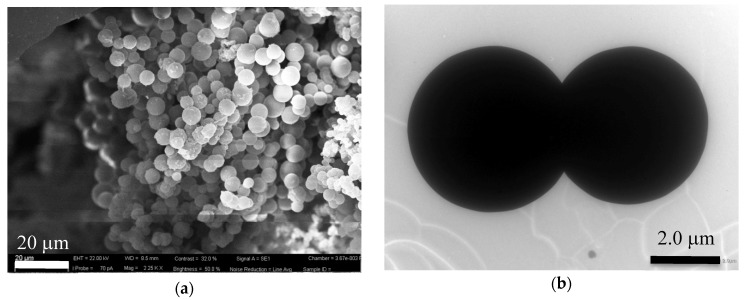
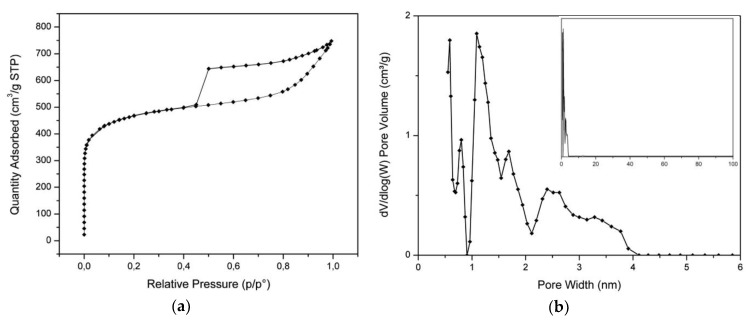
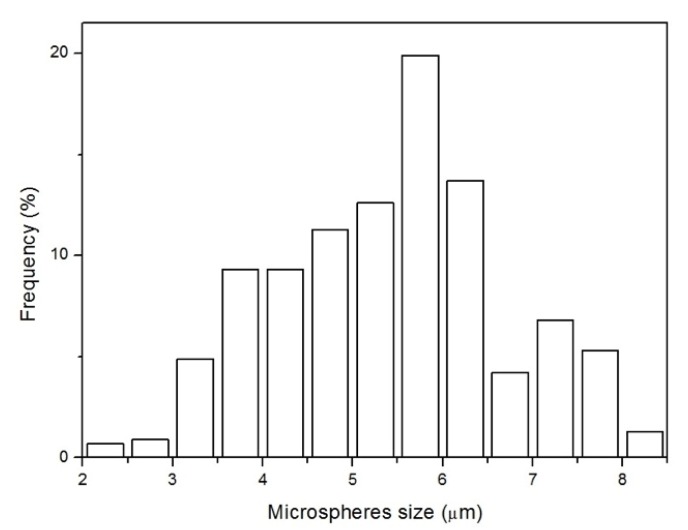
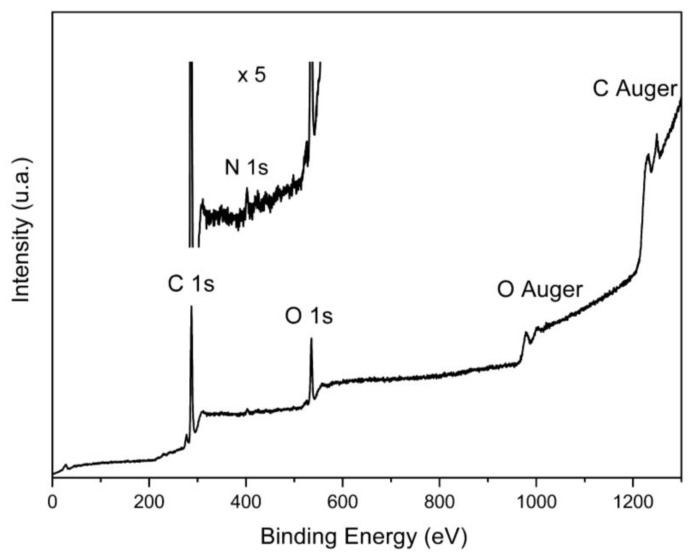
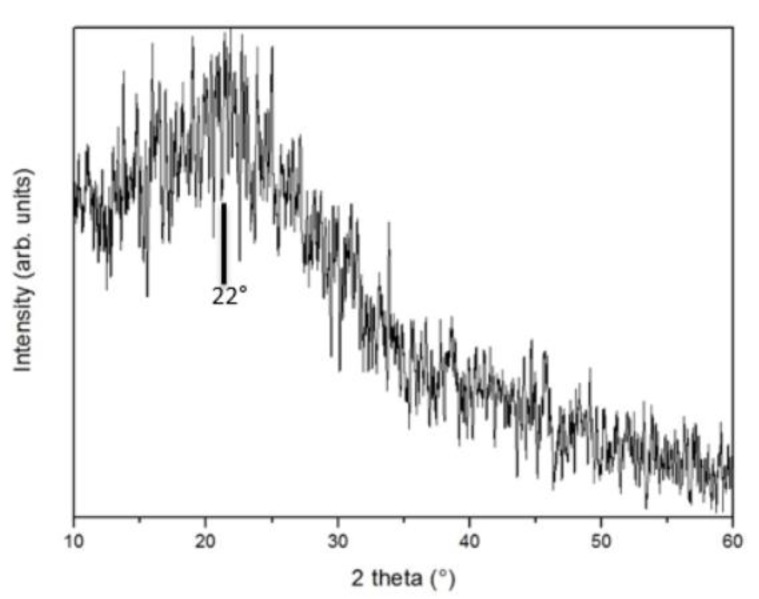
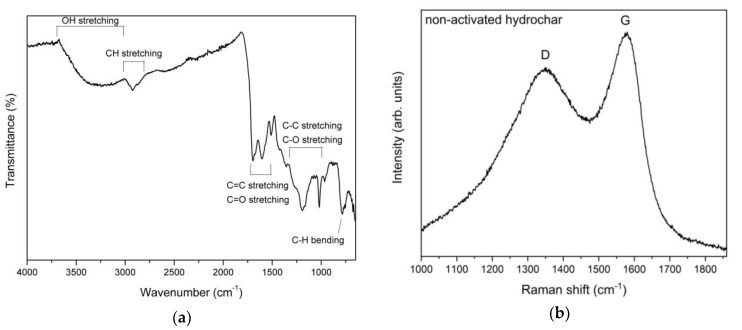
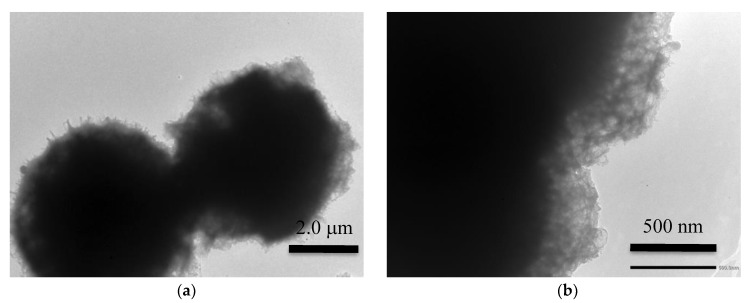
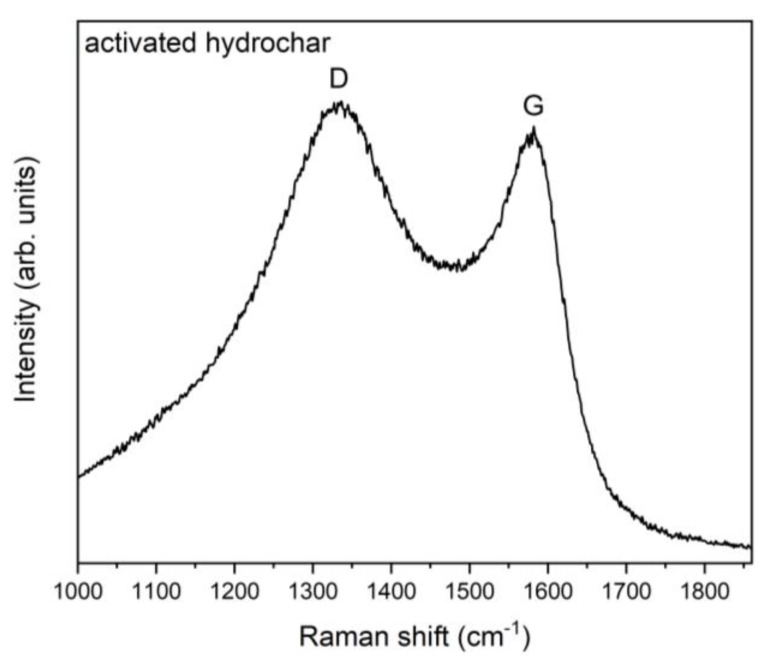
Porous carbon materials are currently subjected to strong research efforts mainly due to their excellent performances in energy storage devices. A sustainable process to obtain them is hydrothermal carbonization (HTC), in which the decomposition of biomass precursors generates solid products called hydrochars, together with liquid and gaseous products. Hydrochars have a high C content and are rich with oxygen-containing functional groups, which is important for subsequent activation. Orange pomace and orange peels are considered wastes and then have been investigated as possible feedstocks for hydrochars production. On the contrary, orange juice was treated by HTC only to obtain carbon quantum dots. In the present study, pure orange juice was hydrothermally carbonized and the resulting hydrochar was filtered and washed, and graphitized/activated by KOH in nitrogen atmosphere at 800 °C. The resulting material was studied by transmission and scanning electron microscopy, Raman spectroscopy, X-ray photoelectron spectroscopy, X-ray diffraction, and nitrogen sorption isotherms. We found porous microspheres with some degree of graphitization and high nitrogen content, a specific surface of 1725 m/g, and a pore size distribution that make them good candidates for supercapacitor electrodes.
多孔碳材料目前正受到广泛的研究,主要是因为它们在储能设备中具有优异的性能。一种可持续的制备方法是水热碳化(HTC),在该过程中,生物质前驱体分解生成称为水热炭的固体产物,同时还会产生液体和气体产物。水热炭具有高碳含量且富含含氧官能团,这对于后续的活化过程很重要。橙渣和橙皮被视为废弃物,因此已被研究作为制备水热炭的潜在原料。相反,橙汁仅通过水热碳化处理以获得碳量子点。在本研究中,将纯橙汁进行水热碳化,所得水热炭经过过滤和洗涤,然后在800℃的氮气气氛中用氢氧化钾进行石墨化/活化处理。通过透射电子显微镜、扫描电子显微镜、拉曼光谱、X射线光电子能谱、X射线衍射和氮吸附等温线对所得材料进行了研究。我们发现了具有一定程度石墨化和高氮含量的多孔微球,其比表面积为1725 m/g,孔径分布使其成为超级电容器电极的良好候选材料。