Harrison Judith R, Mistry Sumit, Muskett Natalie, Escott-Price Valentina
Cardiff University Brain Research Imaging Centre (CUBRIC), Cardiff, UK.
MRC Centre for Neuropsychiatric Genetics and Genomics, Hadyn Ellis Building, Cardiff University, Cardiff, UK.
J Alzheimers Dis. 2020;74(4):1271-1283. doi: 10.3233/JAD-191233.
Late-onset Alzheimer's disease (AD) is highly heritable. The effect of many common genetic variants, single nucleotide polymorphisms (SNPs), confer risk. Variants are clustered in areas of biology, notably immunity and inflammation, cholesterol metabolism, endocytosis, and ubiquitination. Polygenic scores (PRS), which weight the sum of an individual's risk alleles, have been used to draw inferences about the pathological processes underpinning AD.
This paper aims to systematically review how AD PRS are being used to study a range of outcomes and phenotypes related to neurodegeneration.
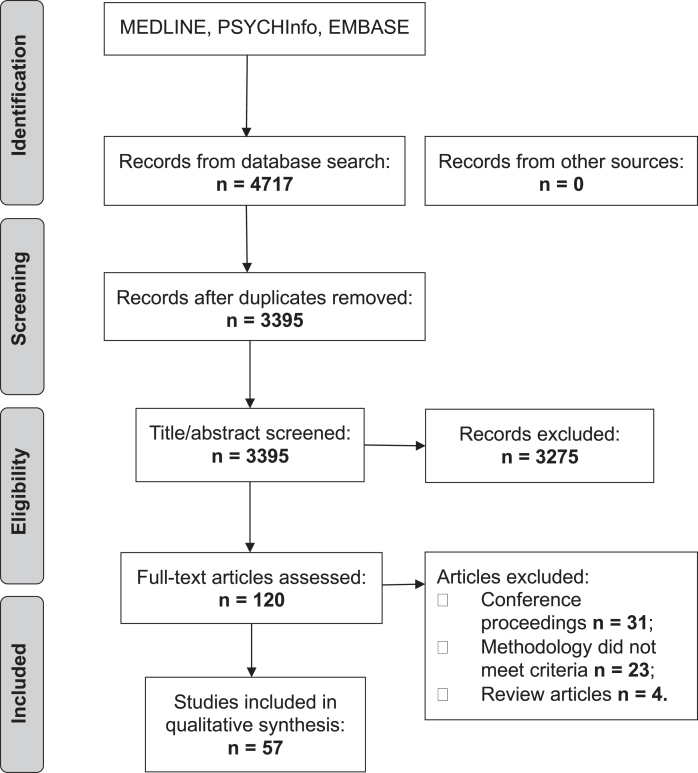
We searched the literature from July 2008-July 2018 following PRISMA guidelines.
57 studies met criteria. The AD PRS can distinguish AD cases from controls. The ability of AD PRS to predict conversion from mild cognitive impairment (MCI) to AD was less clear. There was strong evidence of association between AD PRS and cognitive impairment. AD PRS were correlated with a number of biological phenotypes associated with AD pathology, such as neuroimaging changes and amyloid and tau measures. Pathway-specific polygenic scores were also associated with AD-related biologically relevant phenotypes.
PRS can predict AD effectively and are associated with cognitive impairment. There is also evidence of association between AD PRS and other phenotypes relevant to neurodegeneration. The associations between pathway specific polygenic scores and phenotypic changes may allow us to define the biology of the disease in individuals and indicate who may benefit from specific treatments. Longitudinal cohort studies are required to test the ability of PGS to delineate pathway-specific disease activity.
晚发性阿尔茨海默病(AD)具有高度遗传性。许多常见的基因变异,即单核苷酸多态性(SNP),会带来患病风险。这些变异聚集在生物学相关领域,尤其是免疫与炎症、胆固醇代谢、内吞作用和泛素化。多基因评分(PRS)通过对个体风险等位基因的总和进行加权,已被用于推断AD潜在的病理过程。
本文旨在系统综述AD多基因评分如何被用于研究一系列与神经退行性变相关的结局和表型。
我们按照PRISMA指南检索了2008年7月至2018年7月的文献。
57项研究符合标准。AD多基因评分能够区分AD病例与对照。AD多基因评分预测轻度认知障碍(MCI)向AD转化的能力尚不清楚。有强有力的证据表明AD多基因评分与认知障碍之间存在关联。AD多基因评分与一些与AD病理相关的生物学表型相关,如神经影像学改变以及淀粉样蛋白和tau蛋白检测结果。特定通路的多基因评分也与AD相关的生物学相关表型有关。
多基因评分能够有效预测AD,并与认知障碍相关。也有证据表明AD多基因评分与其他与神经退行性变相关的表型之间存在关联。特定通路的多基因评分与表型变化之间的关联可能使我们能够明确个体疾病的生物学机制,并指出哪些人可能从特定治疗中获益。需要进行纵向队列研究来检验多基因评分描绘特定通路疾病活动的能力。