Department of Anesthesiology, Peking Union Medical College Hospital, Chinese Academy of Medical Sciences, Peking Union Medical College, China.
Department of Anesthesiology, National Cancer Center/National Clinical Research Center for Cancer/Cancer Hospital, Chinese Academy of Medical Sciences, Peking Union Medical College, China.
Mol Pain. 2020 Jan-Dec;16:1744806920917251. doi: 10.1177/1744806920917251.
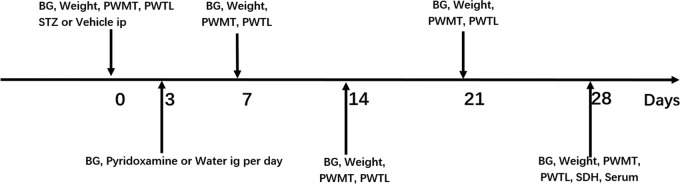
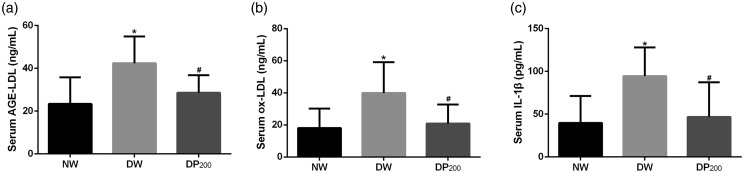
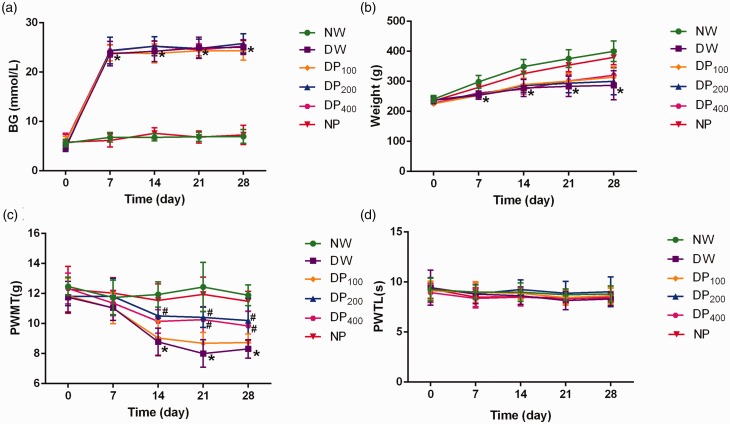
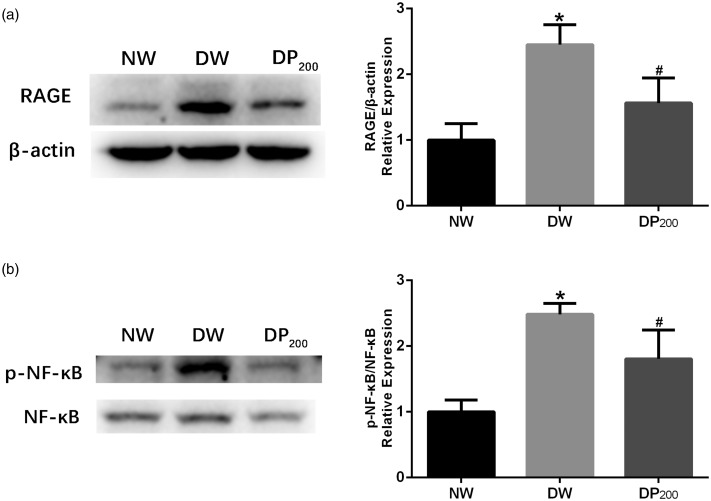
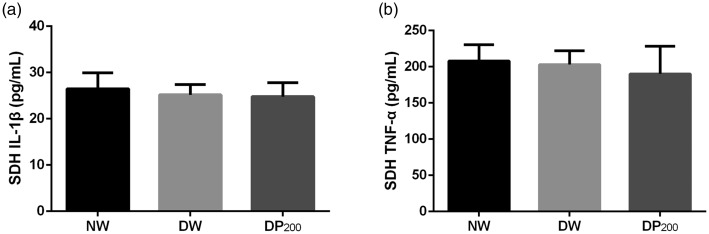
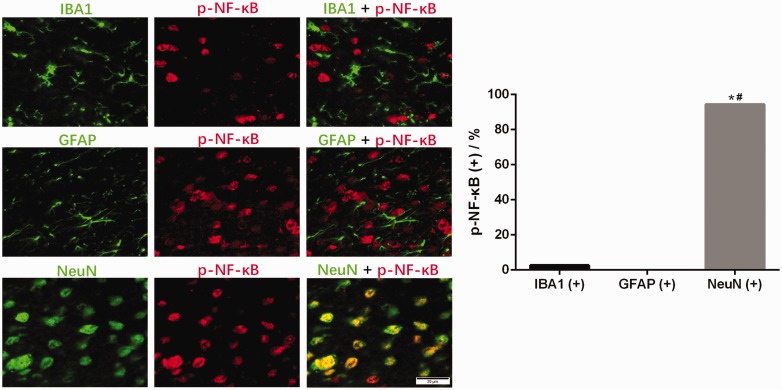
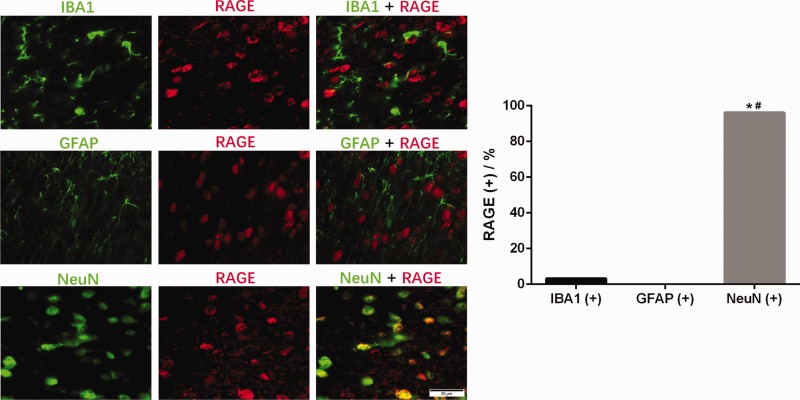
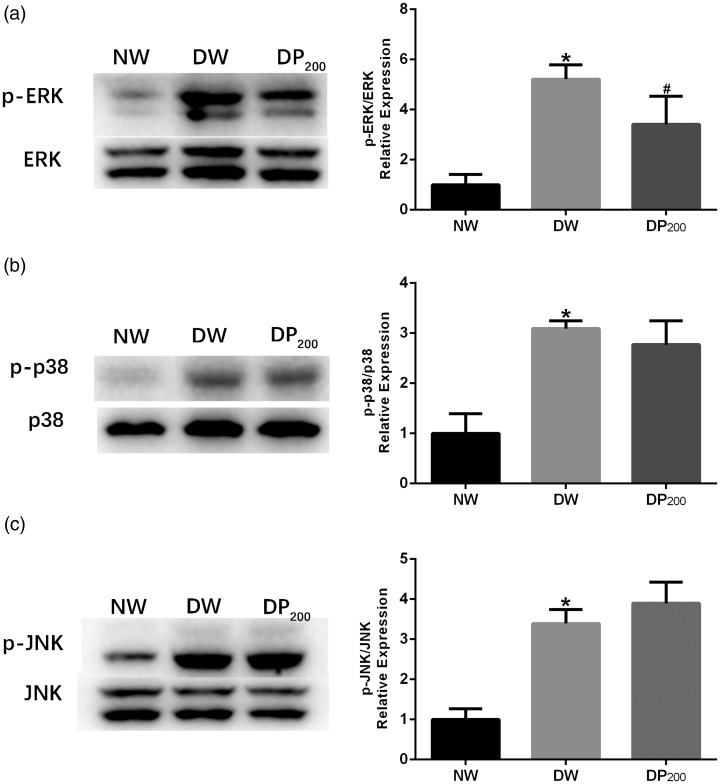
Diabetic neuropathic pain is a common complication of diabetes mellitus and requires a substantial amount of societal resources. Pyridoxamine is an inhibitor of advanced glycation and lipoxidation end products. Several animal and clinical studies have confirmed that pyridoxamine can inhibit a range of pathological changes in diabetes-induced organ injury and alleviate certain kinds of neuropathic pain. However, no studies have attempted to explore the effects of pyridoxamine on diabetic neuropathic pain. We conducted animal experiments to examine whether pyridoxamine could alleviate diabetic neuropathic pain and to explore the mechanism underlying these effects. Adult male Sprague Dawley rats were randomly assigned to the normal + sterile water group, diabetic + sterile water group, diabetic + pyridoxamine group, diabetic +pyridoxamine group, diabetic + pyridoxamine group, or normal + pyridoxamine group. The rats in the diabetic +pyridoxamine, diabetic + pyridoxamine, diabetic + pyridoxamine, and normal + pyridoxamine groups received pyridoxamine at dosages of 100 mg/kg/day, 200 mg/kg/day, 400 mg/kg/day, and 400 mg/kg/day, respectively, via intragastric administration. The rats in the other groups received water daily. Pyridoxamine alleviated diabetic neuropathic pain at least partially by suppressing the activity of the spinal receptor for advanced glycation end products-nuclear factor-κB/extracellular signal-regulated kinase signaling pathway; additionally, pyridoxamine decreased advanced glycation end product-modified low-density lipoprotein, oxidized low-density lipoprotein, and interleukin-1β levels in the serum. The immunofluorescence staining results revealed that most phosphorylated nuclear factor-κB was localized to neuronal cells and not to microglia or astrocytes; this pattern may be associated with the upregulated expression of pain-related proteins. The abovementioned results indicate that pyridoxamine is a promising choice for the clinical treatment of diabetic neuropathic pain. Further investigations need to be carried out to confirm the benefits of pyridoxamine.
糖尿病性神经痛是糖尿病的一种常见并发症,需要大量的社会资源。吡哆胺是糖基化终产物和脂褐素终产物的抑制剂。几项动物和临床研究证实,吡哆胺可以抑制糖尿病诱导的器官损伤中的一系列病理变化,并缓解某些类型的神经性疼痛。然而,目前尚无研究尝试探讨吡哆胺对糖尿病性神经痛的影响。我们进行了动物实验,以检验吡哆胺是否可以缓解糖尿病性神经痛,并探讨其作用机制。成年雄性 Sprague Dawley 大鼠被随机分配到正常+无菌水组、糖尿病+无菌水组、糖尿病+吡哆胺组、糖尿病+吡哆胺组、糖尿病+吡哆胺组和正常+吡哆胺组。糖尿病+吡哆胺组、糖尿病+吡哆胺组、糖尿病+吡哆胺组和正常+吡哆胺组的大鼠分别通过灌胃给予 100mg/kg/天、200mg/kg/天、400mg/kg/天和 400mg/kg/天的吡哆胺,其他组的大鼠每天给予无菌水。吡哆胺通过抑制糖基化终产物-核因子-κB/细胞外信号调节激酶信号通路中脊髓受体的活性,至少部分缓解了糖尿病性神经痛;此外,吡哆胺还降低了血清中晚期糖基化终产物修饰的低密度脂蛋白、氧化型低密度脂蛋白和白细胞介素-1β的水平。免疫荧光染色结果表明,大多数磷酸化核因子-κB位于神经元细胞中,而不是小胶质细胞或星形胶质细胞中;这种模式可能与疼痛相关蛋白的上调表达有关。上述结果表明,吡哆胺是治疗糖尿病性神经痛的一种有前途的选择。需要进一步的研究来证实吡哆胺的益处。