Abouzed Tarek Kamal, Munesue Seiichi, Harashima Ai, Masuo Yusuke, Kato Yukio, Khailo Khaled, Yamamoto Hiroshi, Yamamoto Yasuhiko
Department of Biochemistry and Molecular Vascular Biology, Kanazawa University Graduate School of Medical Sciences, 13-1 Takara-machi, Kanazawa 920-8640, Japan; Department of Biochemistry, Faculty of Veterinary Medicine, Kafrelsheikh University, Kafr El Sheikh 33516, Egypt.
Department of Biochemistry and Molecular Vascular Biology, Kanazawa University Graduate School of Medical Sciences, 13-1 Takara-machi, Kanazawa 920-8640, Japan.
J Diabetes Res. 2016;2016:1786789. doi: 10.1155/2016/1786789. Epub 2016 Nov 30.
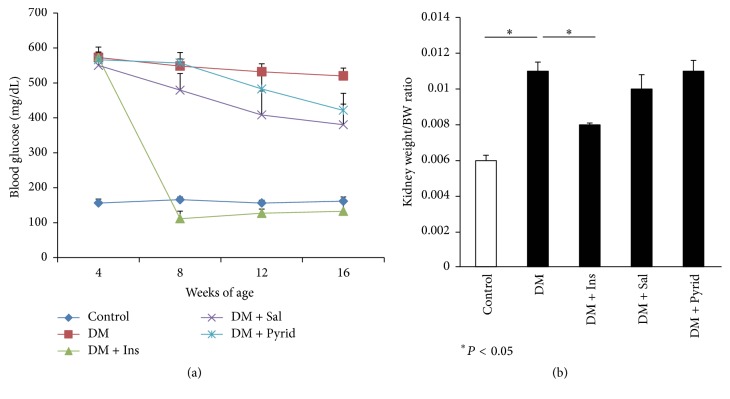
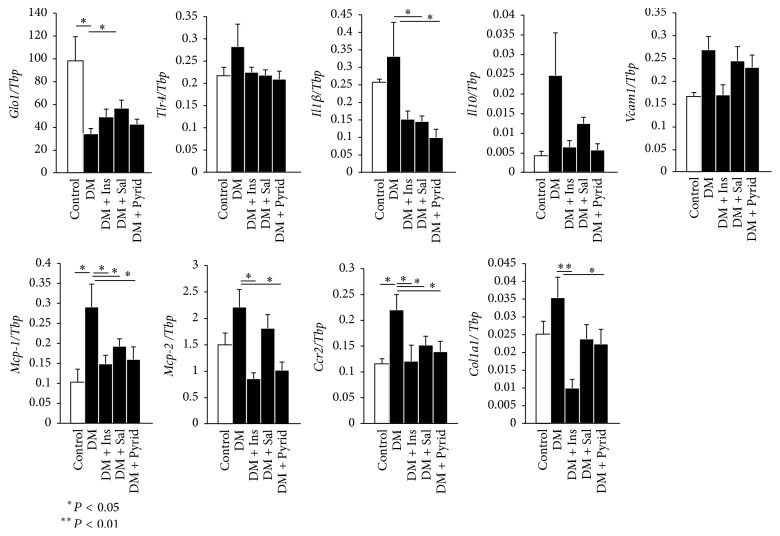
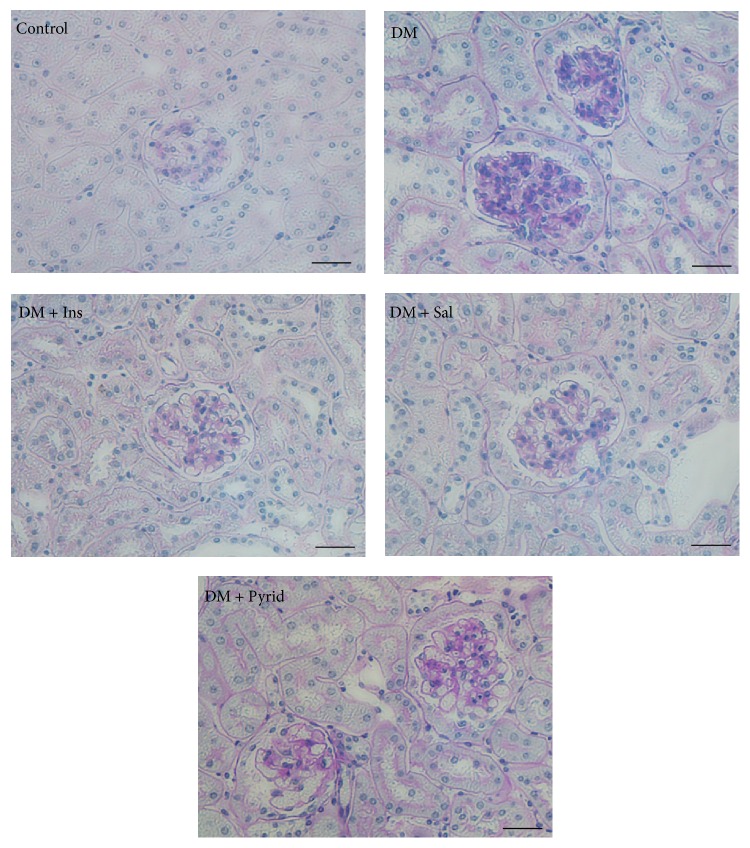
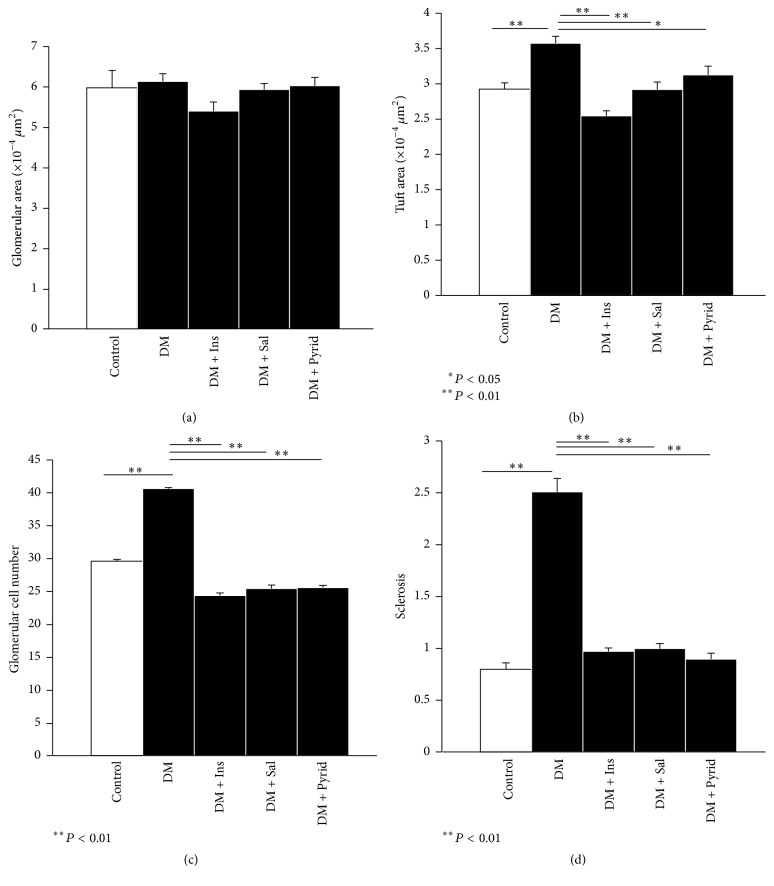
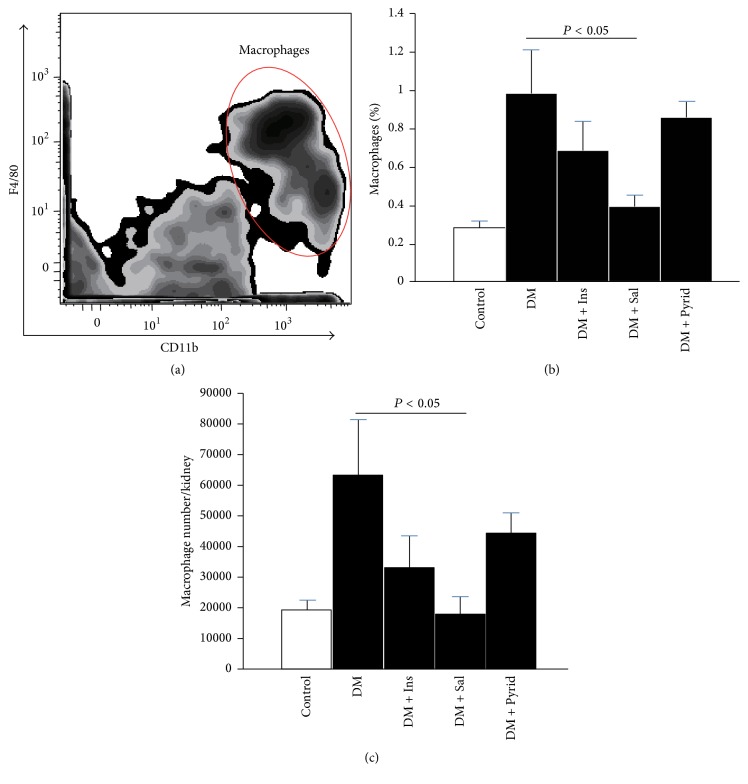
. Diabetic nephropathy is a life-threatening complication in patients with long-standing diabetes. Hemodynamic, inflammatory, and metabolic factors are considered as developmental factors for diabetic nephropathy. In this study, we evaluated whether pharmacological interventions with salicylate, compared to pyridoxamine, could prevent diabetic nephropathy in mice. . Male mice overexpressing inducible nitric oxide synthase in pancreatic -cells were employed as a diabetic model. Salicylate (3 g/kg diet) or pyridoxamine (1 g/L drinking water; ~200 mg/kg/day) was given for 16 weeks to assess the development of diabetic nephropathy. Treatment with long-acting insulin (Levemir 2 units/kg twice a day) was used as a control. . Although higher blood glucose levels were not significantly affected by pyridoxamine, early to late stage indices of nephropathy were attenuated, including kidney enlargement, albuminuria, and increased serum creatinine, glomerulosclerosis, and inflammatory and profibrotic gene expressions. Salicylate showed beneficial effects on diabetic nephropathy similar to those of pyridoxamine, which include lowering blood glucose levels and inhibiting macrophage infiltration into the kidneys. Attenuation of macrophage infiltration into the kidneys and upregulation of antiglycating enzyme gene expression were found only in the salicylate treatment group. . Treatment with salicylate and pyridoxamine could prevent the development of diabetic nephropathy in mice and, therefore, would be a potentially useful therapeutic strategy against kidney problems in patients with diabetes.
糖尿病肾病是长期糖尿病患者面临的一种危及生命的并发症。血流动力学、炎症和代谢因素被认为是糖尿病肾病的发病因素。在本研究中,我们评估了与吡哆胺相比,水杨酸盐的药物干预是否能预防小鼠的糖尿病肾病。
将胰腺β细胞中过表达诱导型一氧化氮合酶的雄性小鼠用作糖尿病模型。给予水杨酸盐(3克/千克饮食)或吡哆胺(1克/升饮用水;约200毫克/千克/天)16周,以评估糖尿病肾病的发展情况。使用长效胰岛素(来得时,2单位/千克,每日两次)治疗作为对照。
虽然吡哆胺对较高的血糖水平没有显著影响,但肾病的早期至晚期指标有所减轻,包括肾脏肿大、蛋白尿、血清肌酐升高、肾小球硬化以及炎症和促纤维化基因表达。水杨酸盐对糖尿病肾病显示出与吡哆胺类似的有益作用,包括降低血糖水平和抑制巨噬细胞浸润到肾脏。仅在水杨酸盐治疗组中发现巨噬细胞浸润到肾脏的情况有所减轻以及抗糖化酶基因表达上调。
水杨酸盐和吡哆胺治疗可预防小鼠糖尿病肾病的发展,因此,可能是治疗糖尿病患者肾脏问题的一种有用的治疗策略。