Biotechnology Research Institute, Shanghai Academy of Agricultural Sciences, Shanghai, 201106, China.
Shanghai Key Laboratory of Agricultural Genetics and Breeding, Shanghai, 201106, China.
BMC Plant Biol. 2020 Apr 6;20(1):142. doi: 10.1186/s12870-020-02350-2.
Reducing the dependence of crop production on chemical fertilizer with its associated costs, carbon footprint and other environmental problems is a challenge for agriculture. New solutions are required to solve this problem, and crop breeding for high nitrogen use efficiency or tolerance of low nitrogen availability has been widely considered to be a promising approach. However, the molecular mechanisms of high nitrogen use efficiency or low-nitrogen tolerance in crop plants are still to be elucidated, including the role of long non-coding RNAs (lncRNAs).
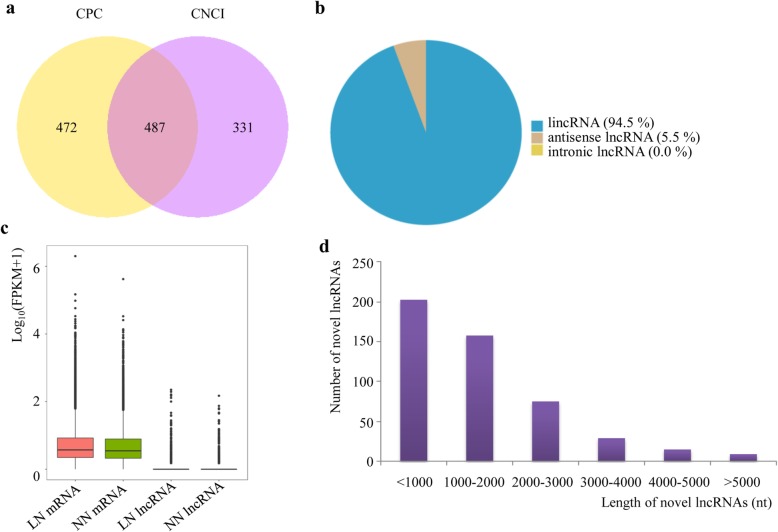
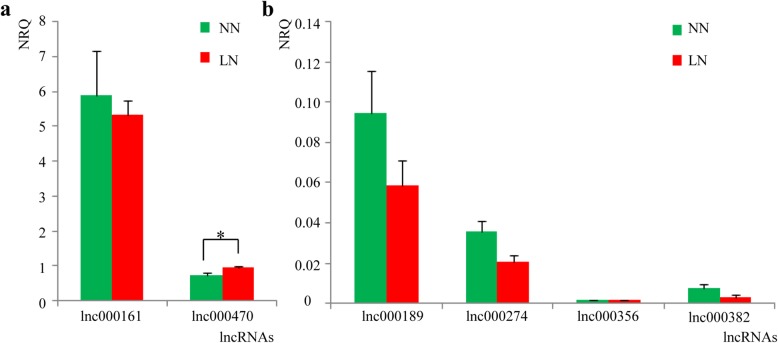
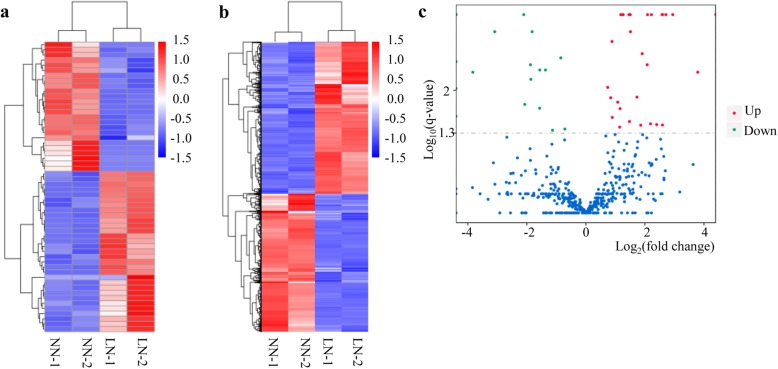
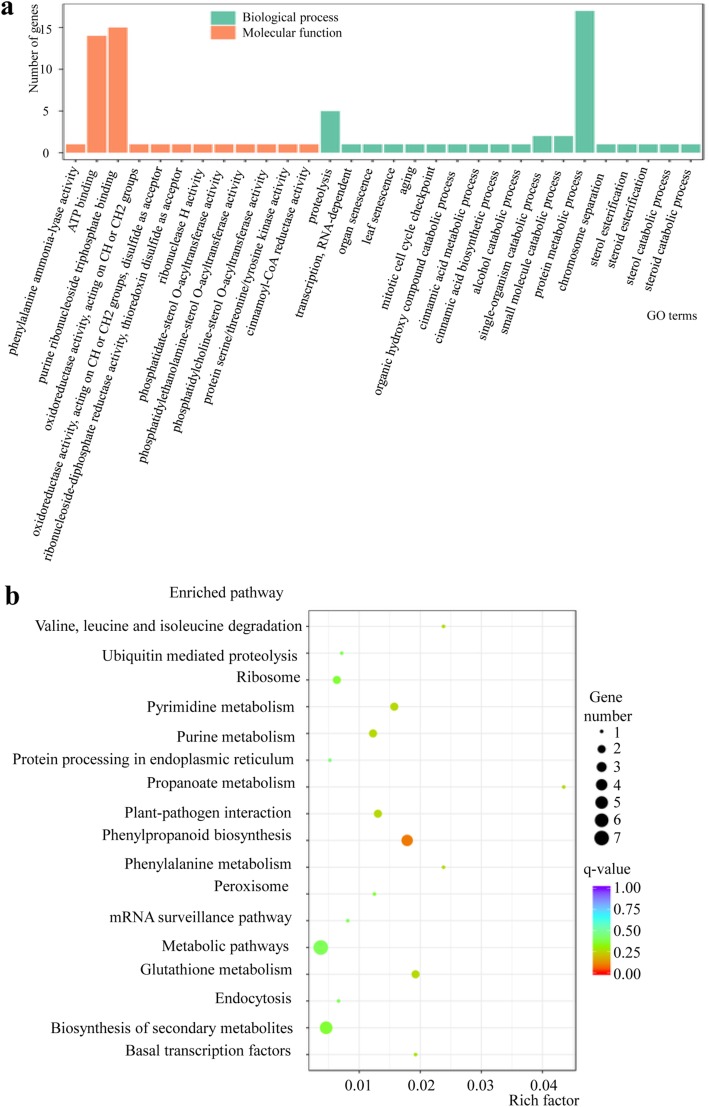
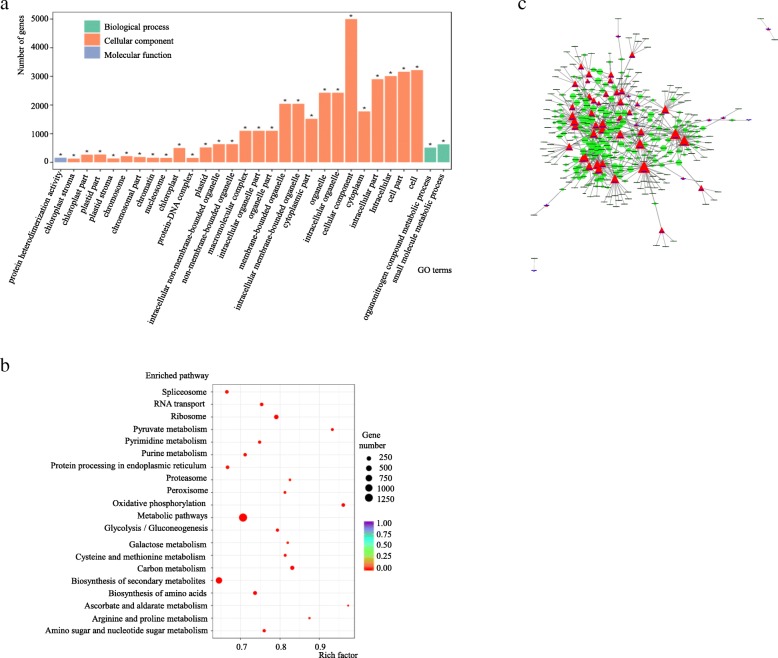
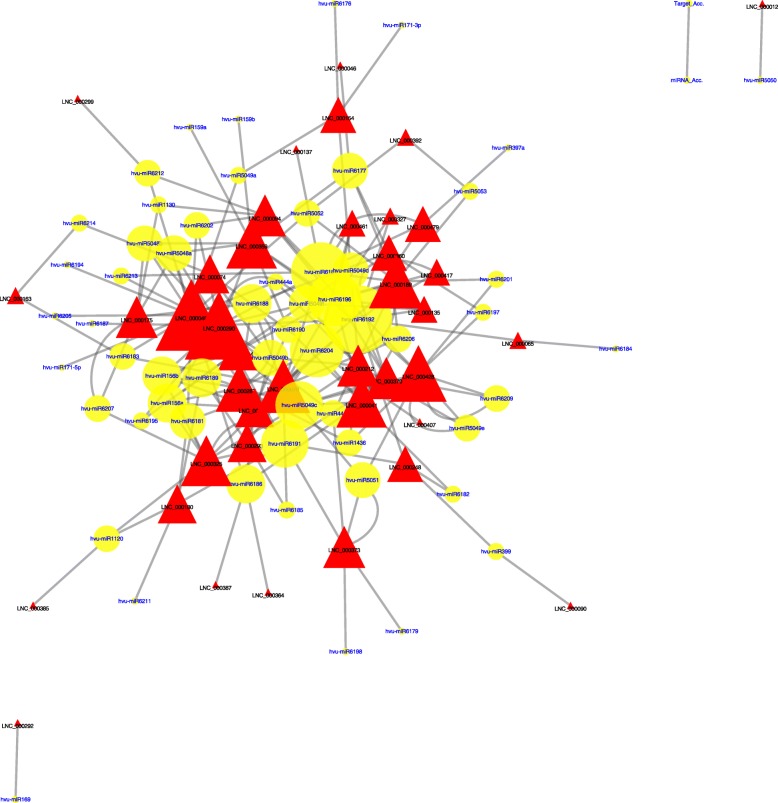
In this study, we identified 498 lncRNAs in barley (Hordeum vulgare) landrace B968 (Liuzhutouzidamai), of which 487 were novel, and characterised 56 that were responsive to low-nitrogen stress. For functional analysis of differentially-expressed lncRNAs, the gene ontology (GO) and Kyoto Encyclopedia of Genes and Genomes (KEGG) enrichment of co-expressed and co-located protein-coding genes were analyzed, and interactions with annotated co-expressed protein coding genes or micro RNAs (miRNAs) were further predicted. Target mimicry prediction between differentially-expressed lncRNAs and miRNAs identified 40 putative target mimics of lncRNAs and 58 target miRNAs. Six differentially-expressed lncRNAs were further validated by qPCR, and one in particular showed consistent differential expression using both techniques. Expression levels of most of the lncRNAs were found to be very low, and this may be the reason for the apparent inconsistency between RNA-seq and qPCR data.
The analysis of lncRNAs that are differentially-expressed under low-nitrogen stress, as well as their co-expressed or co-located protein coding genes and target mimics, could elucidate complex and hitherto uncharacterised mechanisms involved in the adaptation to low-nitrogen stress in barley and other crop plants.
减少作物生产对化肥的依赖及其相关成本、碳足迹和其他环境问题是农业面临的挑战。需要新的解决方案来解决这个问题,而培育具有高氮利用效率或耐低氮能力的作物被广泛认为是一种有前途的方法。然而,作物中高氮利用效率或低氮耐受的分子机制仍有待阐明,包括长非编码 RNA(lncRNA)的作用。
在这项研究中,我们在大麦(Hordeum vulgare)地方品种 B968(六团头道麦)中鉴定了 498 个 lncRNA,其中 487 个是新的,并对 56 个响应低氮胁迫的 lncRNA 进行了特征描述。为了对差异表达 lncRNA 进行功能分析,对共表达和共定位蛋白编码基因的基因本体(GO)和京都基因与基因组百科全书(KEGG)富集进行了分析,并进一步预测了与注释共表达蛋白编码基因或 micro RNA(miRNA)的相互作用。差异表达 lncRNA 与 miRNA 之间的靶 mimicry 预测鉴定了 40 个 lncRNA 的假定靶 mimic 和 58 个靶 miRNA。通过 qPCR 进一步验证了 6 个差异表达的 lncRNA,其中一个 lncRNA 两种技术的差异表达均一致。大多数 lncRNA 的表达水平非常低,这可能是 RNA-seq 和 qPCR 数据不一致的原因。
分析低氮胁迫下差异表达的 lncRNA 及其共表达或共定位的蛋白编码基因和靶 mimic,可能阐明大麦和其他作物适应低氮胁迫的复杂和迄今尚未描述的机制。