Rouse Michael D, Stanbro Joshua, Roman Jessica A, Lipinski Michelle A, Jacobs Anna, Biswas Biswaijt, Regeimbal James, Henry Matthew, Stockelman Michael G, Simons Mark P
Henry M Jackson Foundation for the Advancement of Military Medicine, Bethesda, MD, United States.
Naval Medical Research Center, Silver Spring, MD, United States.
Front Microbiol. 2020 Mar 17;11:414. doi: 10.3389/fmicb.2020.00414. eCollection 2020.
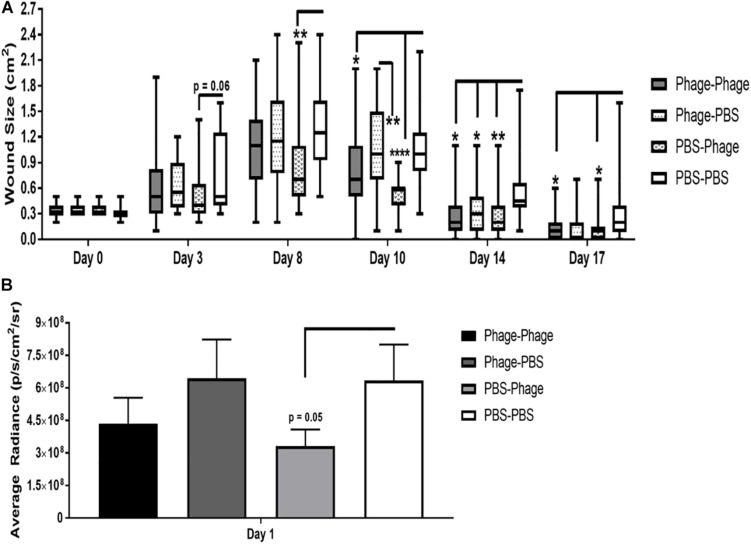
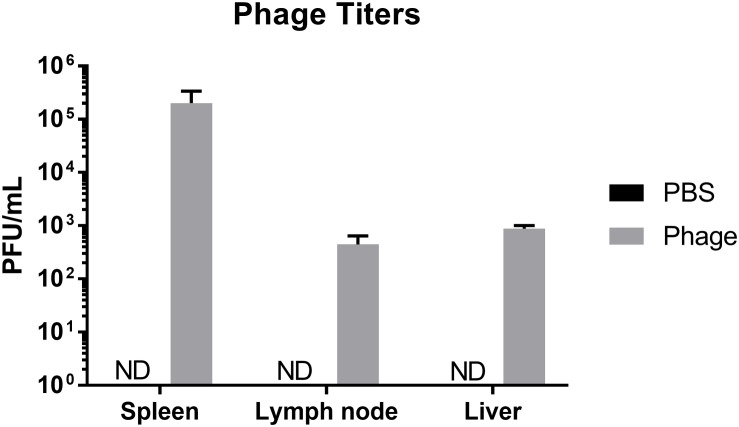
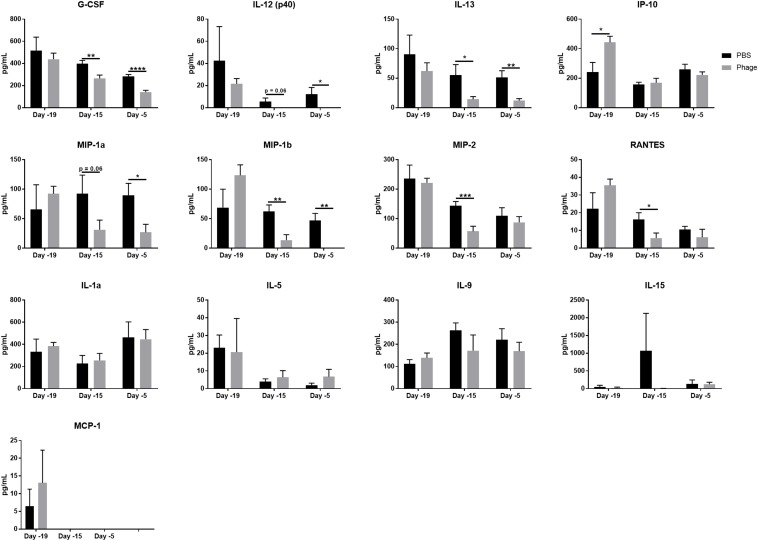
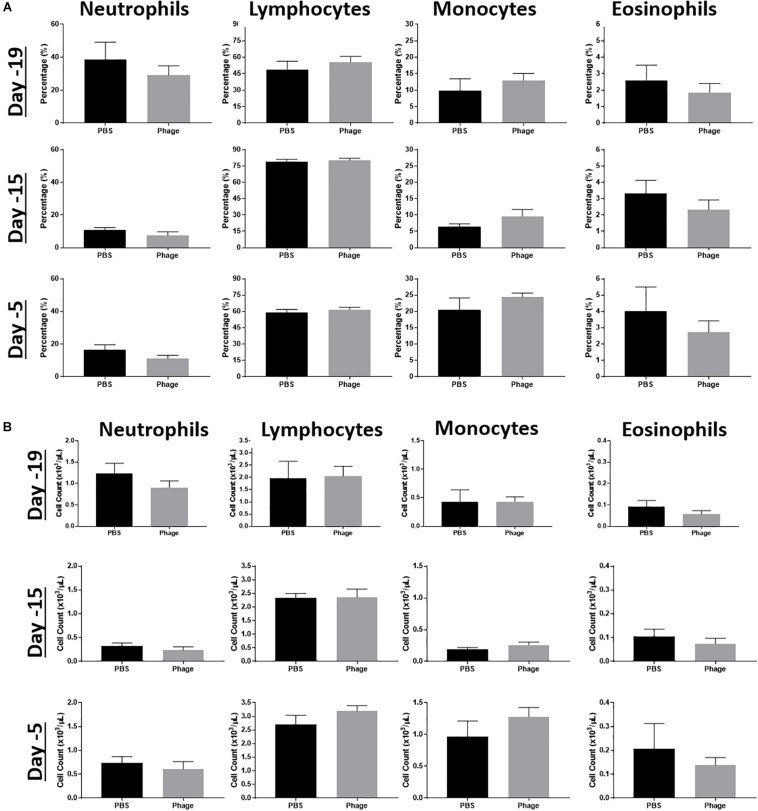
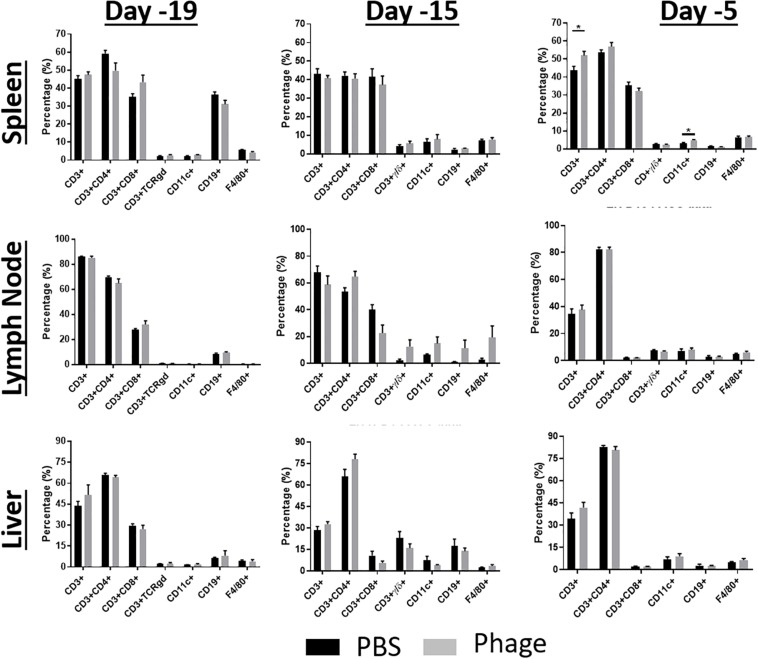
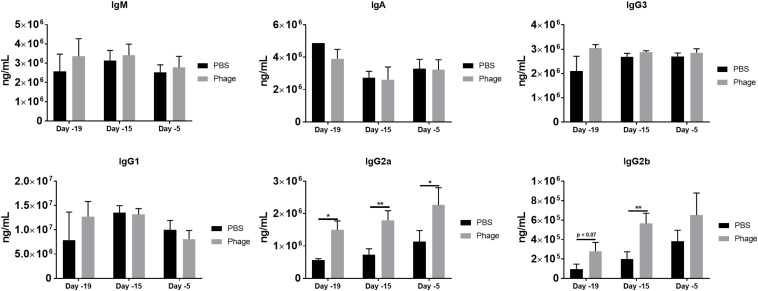
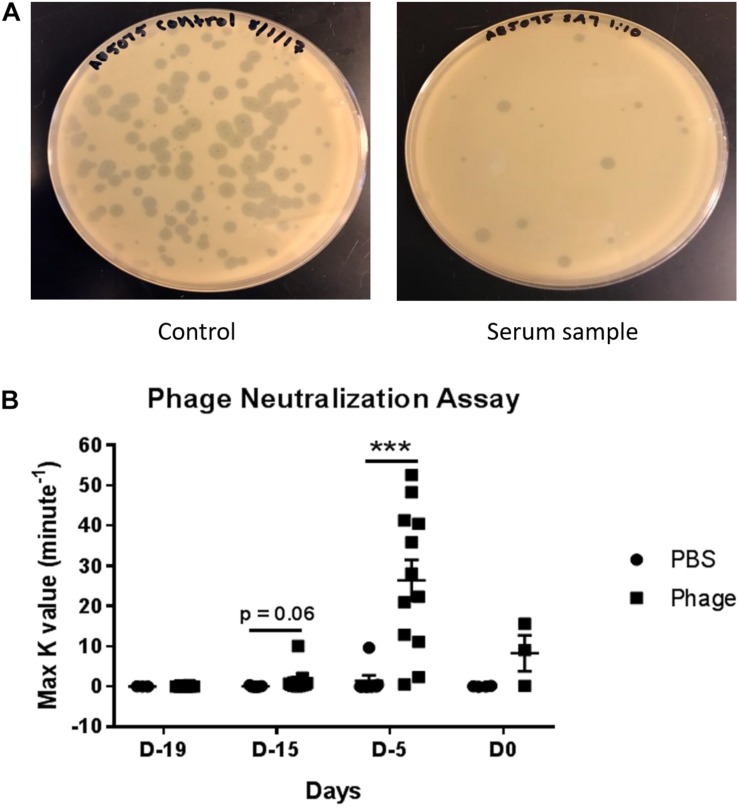
The spread of multidrug antibiotic resistance (MDR) is a widely recognized crisis in the treatment of bacterial infections, including those occurring in military communities. Recently, the World Health Organization published its first ever list of antibiotic-resistant "priority pathogens" - a catalog of 12 families of bacteria that pose the greatest threat to human health with listed in the "Priority 1: Critical" category of pathogens. With the increasing prevalence of antibiotic resistance and limited development of new classes of antibiotics, alternative antimicrobial therapies are needed, with lytic bacteriophage (phage) specifically targeted against each of the high priority bacterial infections as a potential approach currently in development toward regulatory approval for clinical use. Balb/c mice were prophylactically administered PBS or phage selected against strain AB5075. After 3 weeks, mice were anesthetized, wounded (dorsal), and challenged topically with AB5075. Following infection, mice were subsequently treated with PBS or phage for three consecutive days, and evaluated for 3 weeks to assess the safety and efficacy of the phage treatment relative to the control. We assessed mortality, bacterial burden, time to wound closure, systemic and local cytokine profiles, alterations in host cellular immunity, and finally presence of neutralizing antibodies to the phage mixture. In our study, we found that prophylactic phage administration led to a significant reduction in monocyte-related cytokines in serum compared to mice given PBS. However, we detected no significant changes to circulating blood populations or immune cell populations of secondary lymphoid organs compared to PBS-treated mice. Following prophylactic phage administration, we detected a marked increase in total immunoglobulins in serum, particularly IgG2a and IgG2b. Furthermore, we determined that these antibodies were able to specifically target phage and effectively neutralize their ability to lyse their respective target. In regards to their therapeutic efficacy, administration of phage treatment effectively decreased wound size of mice infected with AB5075 without adverse effects. In conclusion, our data demonstrate that phage can serve as a safe and effective novel therapeutic agent against without adverse reactions to the host and pre-exposure to phage does not seem to adversely affect therapeutic efficacy. This study is an important proof of concept to support the efforts to develop phage as a novel therapeutic product for treatment of complex bacterial wound infections.
多重耐药抗生素(MDR)的传播是细菌感染治疗中一个广泛认可的危机,包括在军事社区中发生的感染。最近,世界卫生组织发布了其有史以来第一份抗生素耐药“优先病原体”清单——一份包含12个细菌家族的目录,这些细菌家族对人类健康构成最大威胁,并被列入“优先级1:危急”类别的病原体中。随着抗生素耐药性的日益普遍以及新型抗生素开发的有限,需要替代抗菌疗法,将特异性靶向每种高优先级细菌感染的裂解性噬菌体(噬菌体)作为目前正在开发的一种有潜力的方法,以寻求监管部门批准用于临床。对Balb/c小鼠预防性给予PBS或针对AB5075菌株选择的噬菌体。3周后,将小鼠麻醉、致伤(背部),并局部用AB5075进行攻击。感染后,随后连续三天用PBS或噬菌体对小鼠进行治疗,并评估3周,以评估噬菌体治疗相对于对照的安全性和有效性。我们评估了死亡率、细菌负荷、伤口愈合时间、全身和局部细胞因子谱、宿主细胞免疫的改变,以及最后针对噬菌体混合物的中和抗体的存在情况。在我们的研究中我们发现,与给予PBS的小鼠相比,预防性给予噬菌体导致血清中单核细胞相关细胞因子显著减少。然而,与用PBS处理的小鼠相比我们未检测到循环血液群体或次级淋巴器官免疫细胞群体有显著变化。预防性给予噬菌体后,我们检测到血清中总免疫球蛋白显著增加,特别是IgG2a和IgG2b。此外,我们确定这些抗体能够特异性靶向噬菌体并有效中和其裂解各自靶标的能力。关于其治疗效果,给予噬菌体治疗有效减小了感染AB5075的小鼠的伤口大小且无不良反应。总之,我们的数据表明噬菌体可作为一种安全有效的新型治疗剂来对抗,且对宿主无不良反应,预先接触噬菌体似乎也不会对治疗效果产生不利影响。这项研究是一个重要的概念验证,以支持将噬菌体开发为治疗复杂细菌性伤口感染的新型治疗产品的努力。