Shi Sai, Pang Chunli, Guo Shuai, Chen Yafei, Ma Biao, Qu Chang, Ji Qiushuang, An Hailong
State Key Laboratory of Reliability and Intelligence of Electrical Equipment, Hebei University of Technology, Tianjin 300401, China.
Key Laboratory of Electromagnetic Field and Electrical Apparatus Reliability of Hebei Province, Hebei University of Technology, Tianjin 300401, China.
Comput Struct Biotechnol J. 2020 Mar 21;18:714-722. doi: 10.1016/j.csbj.2020.03.015. eCollection 2020.
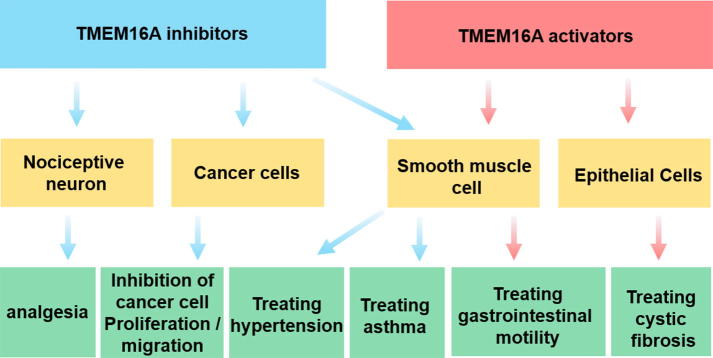
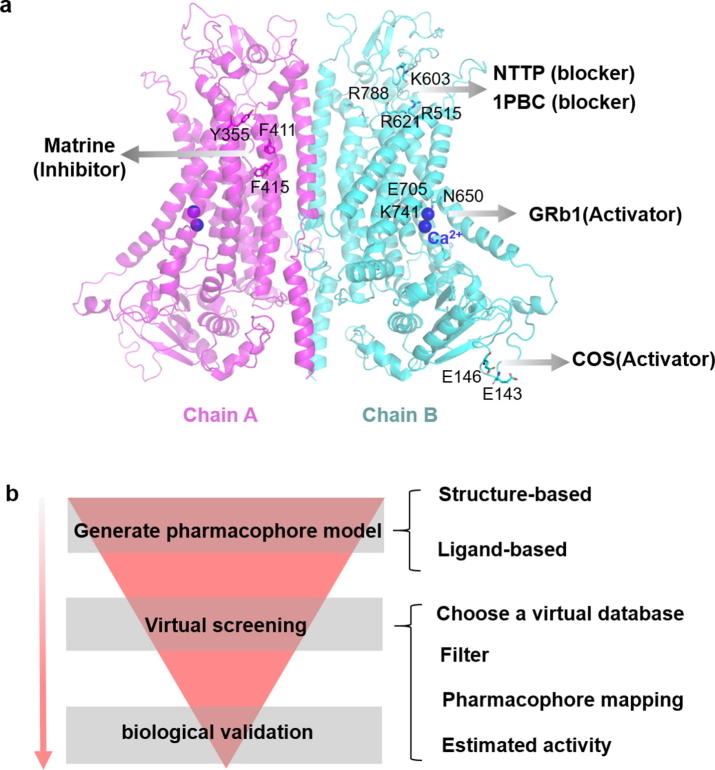
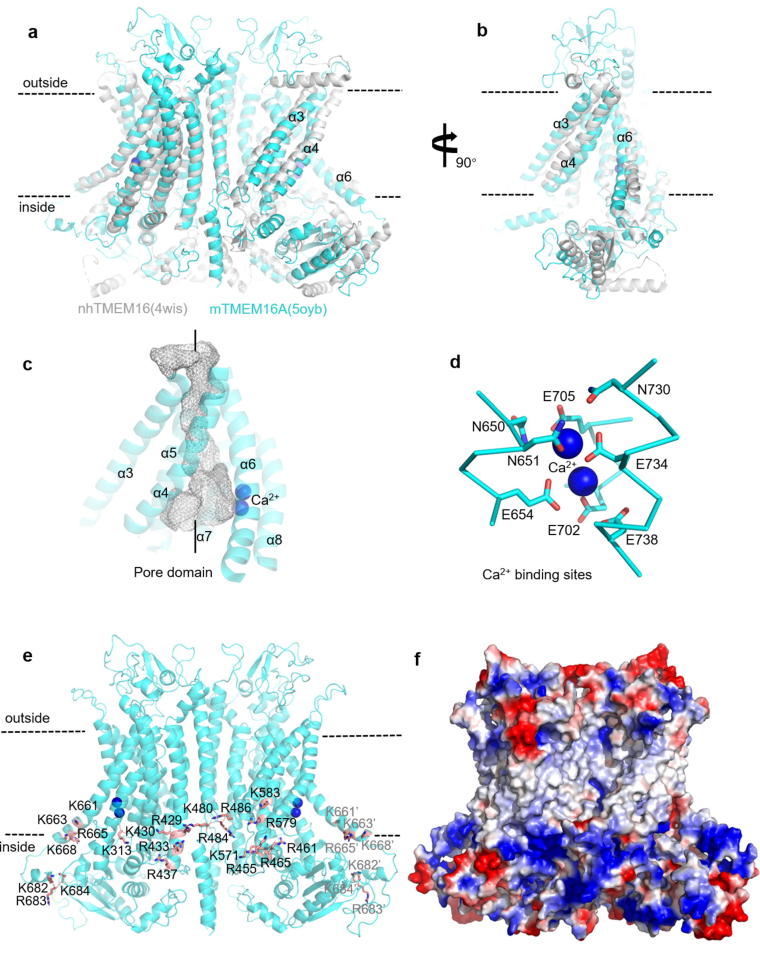
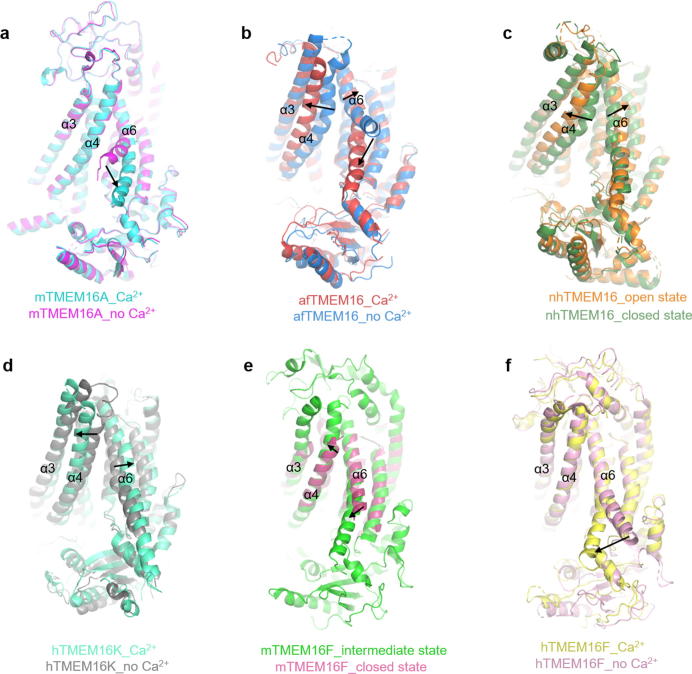
The calcium-activated chloride channel, also known as TMEM16A, shows both calcium and membrane potential dependent activation. The channel is expressed broadly and contributes to a variety of physiological processes, and it is expected to be a target for the treatment of diseases such as hypertension, pain, cystic fibrosis and lung cancer. A thorough understanding of the structural characteristics of TMEM16A is important to reveal its physiological and pathological roles. Recent studies have released several Cryo-EM structures of the channel, revealed the structural basis and mechanism of the gating of the channel. This review focused on the understandings of the structural basis and molecular mechanism of the gating and permeation of TMEM16A channel, which will provide important basis for the development of drugs targeting TMEM16A.
钙激活氯离子通道,也称为TMEM16A,表现出钙和膜电位依赖性激活。该通道广泛表达并参与多种生理过程,有望成为治疗高血压、疼痛、囊性纤维化和肺癌等疾病的靶点。深入了解TMEM16A的结构特征对于揭示其生理和病理作用至关重要。最近的研究公布了该通道的多个冷冻电镜结构,揭示了通道门控的结构基础和机制。本综述重点阐述了对TMEM16A通道门控和通透的结构基础及分子机制的认识,这将为开发靶向TMEM16A的药物提供重要依据。