Baino Francesco, Fiume Elisa
Applied Science and Technology Department, Institute of Materials Physics and Engineering, Politecnico di Torino, Corso Duca degli Abruzzi 24, 10129 Torino, Italy.
Materials (Basel). 2020 Apr 4;13(7):1688. doi: 10.3390/ma13071688.
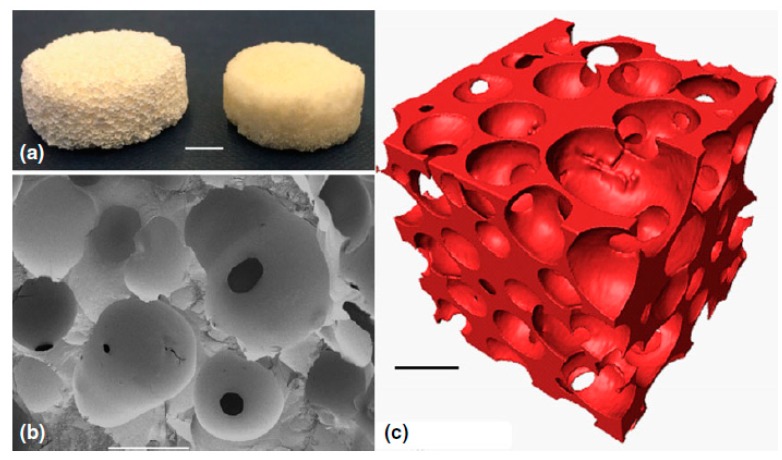
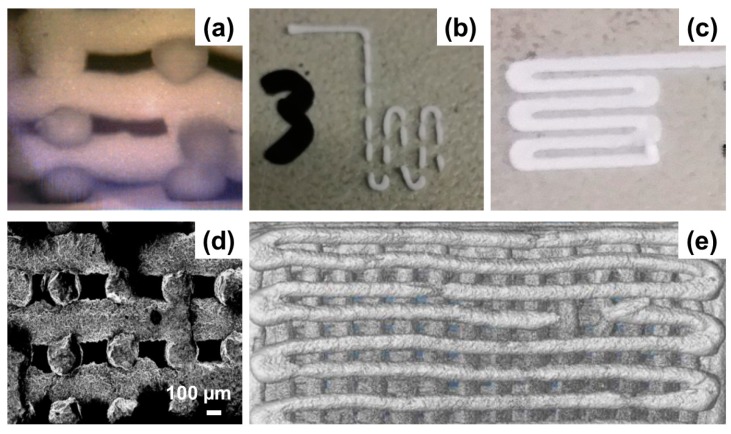
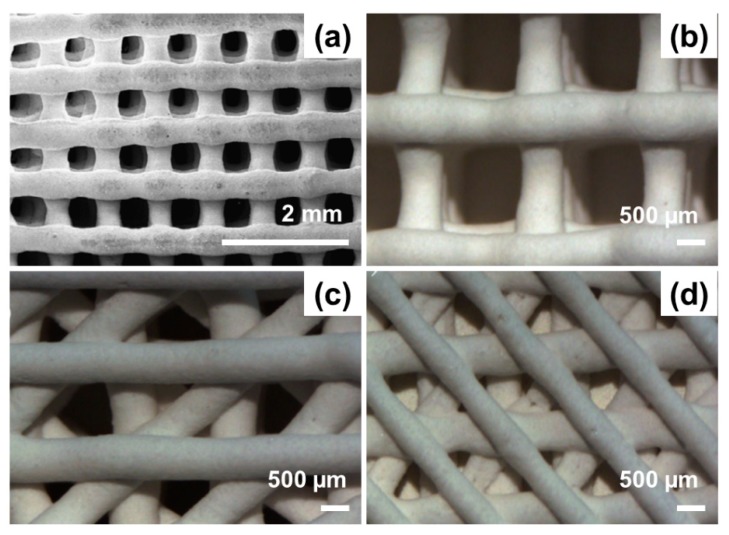
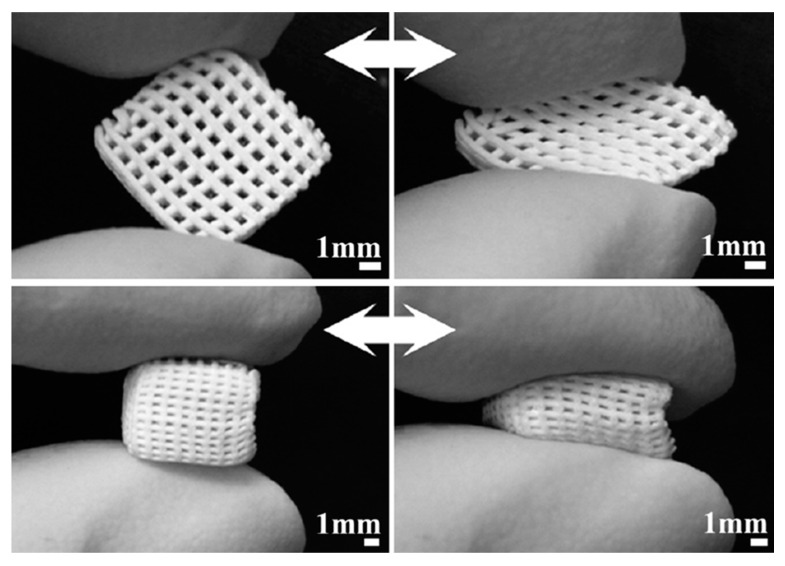
The advent of mesoporous bioactive glasses (MBGs) in applied bio-sciences led to the birth of a new class of nanostructured materials combining triple functionality, that is, bone-bonding capability, drug delivery and therapeutic ion release. However, the development of hierarchical three-dimensional (3D) scaffolds based on MBGs may be difficult due to some inherent drawbacks of MBGs (e.g., high brittleness) and technological challenges related to their fabrication in a multiscale porous form. For example, MBG-based scaffolds produced by conventional porogen-assisted methods exhibit a very low mechanical strength, making them unsuitable for clinical applications. The application of additive manufacturing techniques significantly improved the processing of these materials, making it easier preserving the textural and functional properties of MBGs and allowing stronger scaffolds to be produced. This review provides an overview of the major aspects relevant to 3D printing of MBGs, including technological issues and potential applications of final products in medicine.
介孔生物活性玻璃(MBG)在应用生物科学领域的出现催生了一类结合三重功能的新型纳米结构材料,即骨结合能力、药物递送和治疗性离子释放。然而,基于MBG的分级三维(3D)支架的开发可能会遇到困难,这是由于MBG存在一些固有缺点(如高脆性)以及与其以多尺度多孔形式制造相关的技术挑战。例如,通过传统致孔剂辅助方法制备的基于MBG的支架机械强度非常低,使其不适用于临床应用。增材制造技术的应用显著改善了这些材料的加工过程,使得更容易保留MBG的结构和功能特性,并能够生产出强度更高的支架。本综述概述了与MBG的3D打印相关的主要方面,包括技术问题以及最终产品在医学中的潜在应用。