Department of Biochemistry and Biophysics, Stockholm University, Stockholm, Sweden.
CloneOpt AB, Stockholm, Sweden.
Microb Cell Fact. 2020 Apr 7;19(1):85. doi: 10.1186/s12934-020-01339-8.
Recombinant proteins are often engineered with an N-terminal signal peptide, which facilitates their secretion to the oxidising environment of the periplasm (gram-negative bacteria) or the culture supernatant (gram-positive bacteria). A commonly encountered problem is that the signal peptide influences the synthesis and secretion of the recombinant protein in an unpredictable manner. A molecular understanding of this phenomenon is highly sought after, as it could lead to improved methods for producing recombinant proteins in bacterial cell factories.
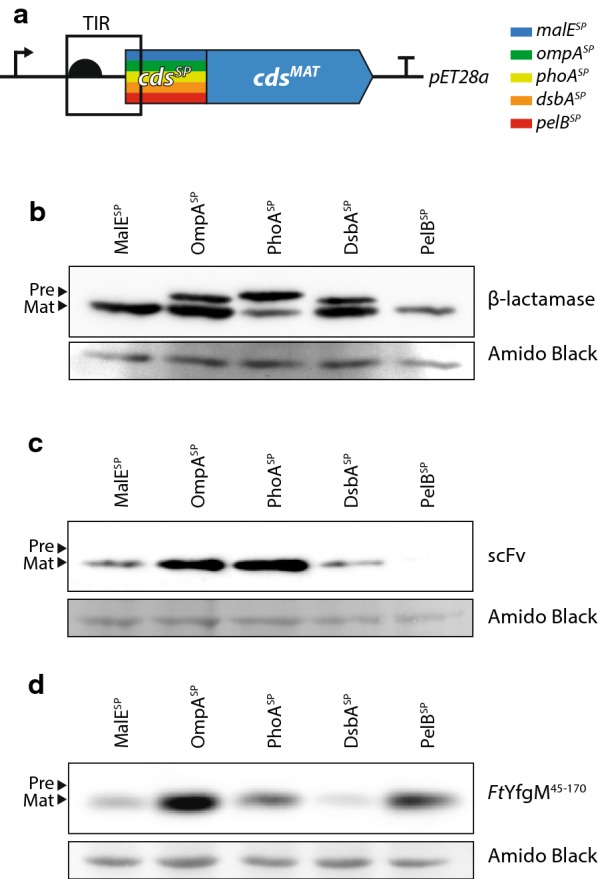
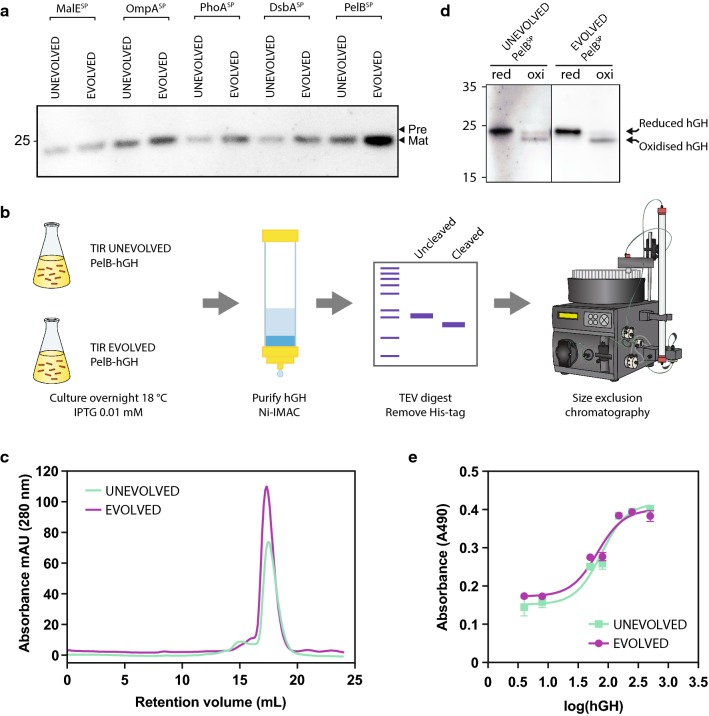
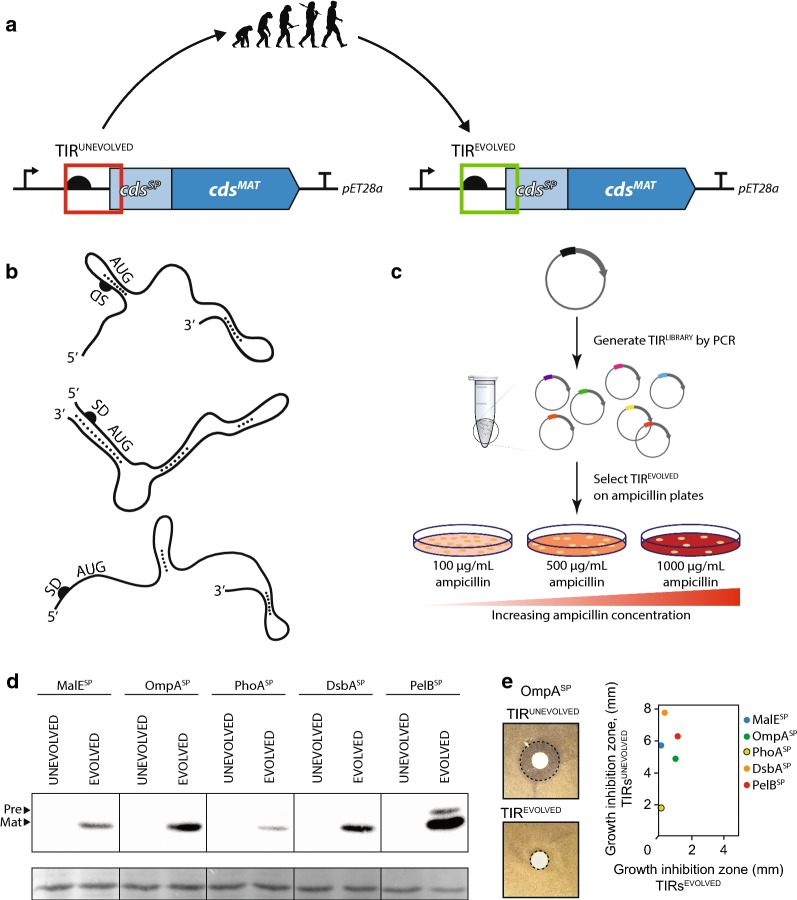
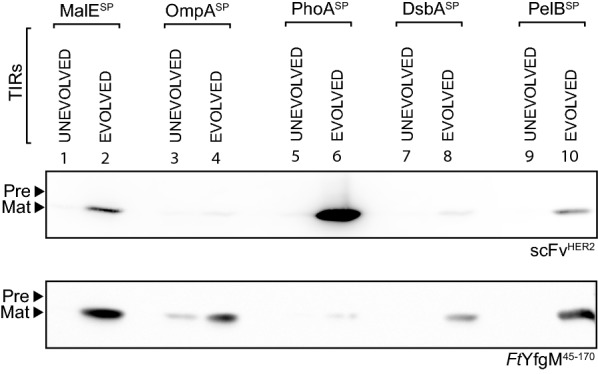
Herein we demonstrate that signal peptides contribute to an unpredictable translation initiation region. A directed evolution approach that selects a new translation initiation region, whilst leaving the amino acid sequence of the signal peptide unchanged, can increase production levels of secreted recombinant proteins. The approach can increase production of single chain antibody fragments, hormones and other recombinant proteins in the periplasm of E. coli.
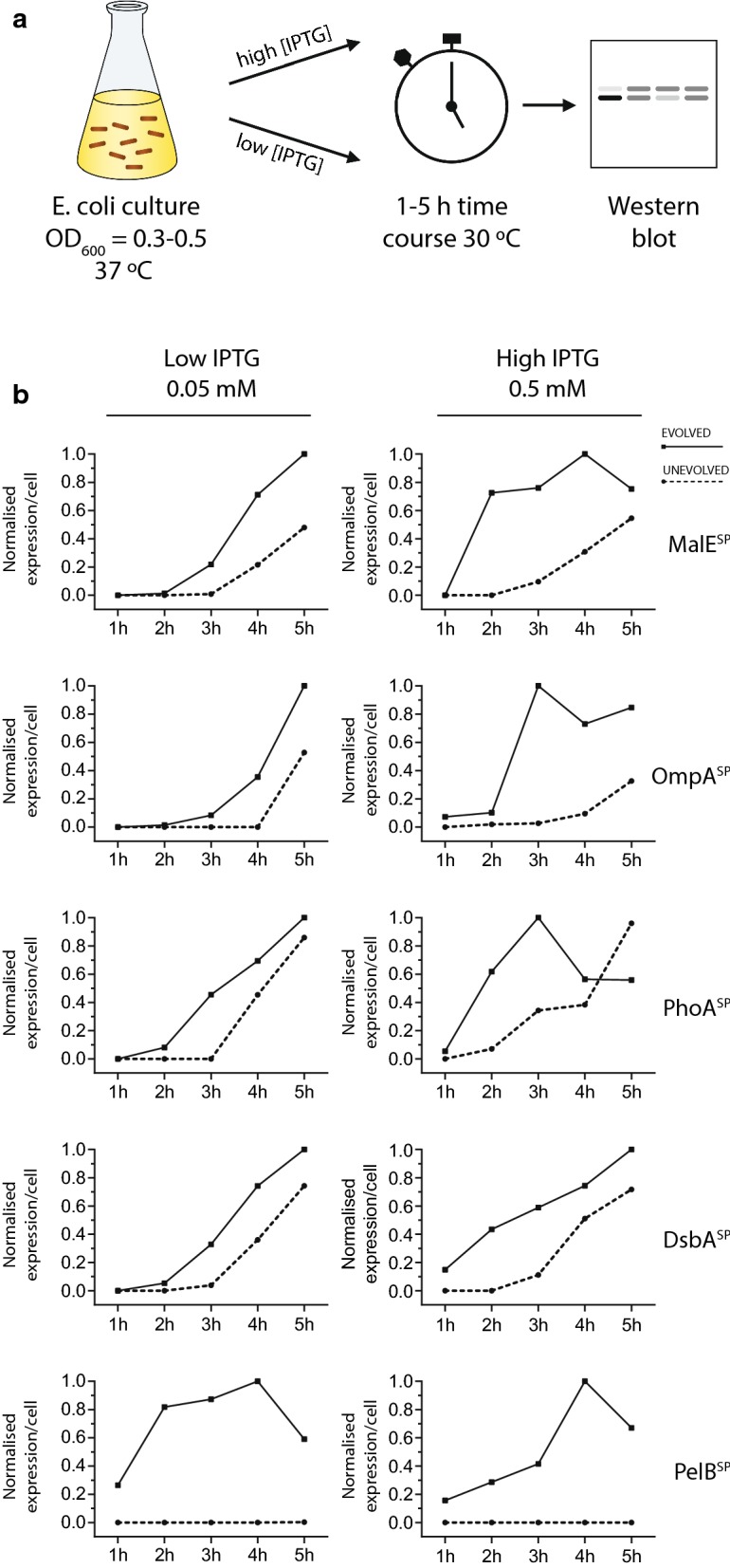
The study demonstrates that signal peptide performance is coupled to the efficiency of the translation initiation region.
重组蛋白通常带有 N 端信号肽,这有助于它们分泌到周质(革兰氏阴性菌)或培养上清液(革兰氏阳性菌)的氧化环境中。一个常见的问题是,信号肽以不可预测的方式影响重组蛋白的合成和分泌。这种现象的分子理解是非常需要的,因为它可以为在细菌细胞工厂中生产重组蛋白的方法提供改进。
本文证明了信号肽有助于形成不可预测的翻译起始区。一种定向进化方法可以选择新的翻译起始区,同时保持信号肽的氨基酸序列不变,从而提高分泌型重组蛋白的产量。该方法可以提高单链抗体片段、激素和其他重组蛋白在大肠杆菌周质中的产量。
该研究表明,信号肽的性能与翻译起始区的效率相关。