Chen Ping-Min, Wilson Parker C, Shyer Justin A, Veselits Margaret, Steach Holly R, Cui Can, Moeckel Gilbert, Clark Marcus R, Craft Joe
Department of Immunobiology, Yale University School of Medicine, New Haven, CT 06520, USA.
Department of Pathology, Yale University School of Medicine, New Haven, CT 06520, USA.
Sci Transl Med. 2020 Apr 8;12(538). doi: 10.1126/scitranslmed.aay1620.
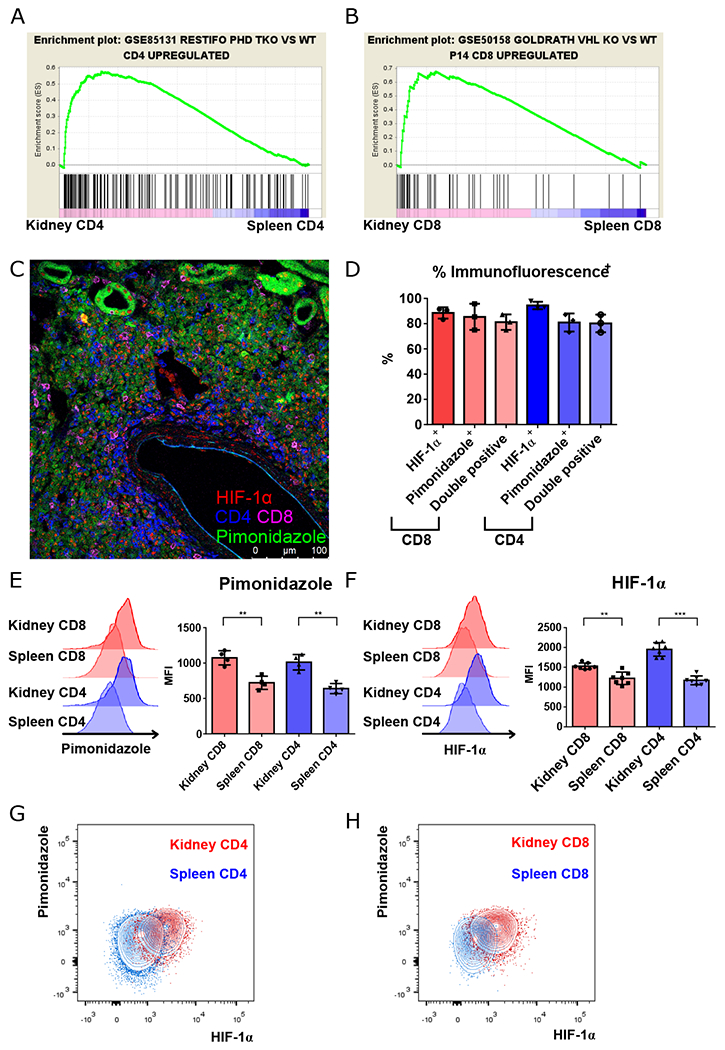
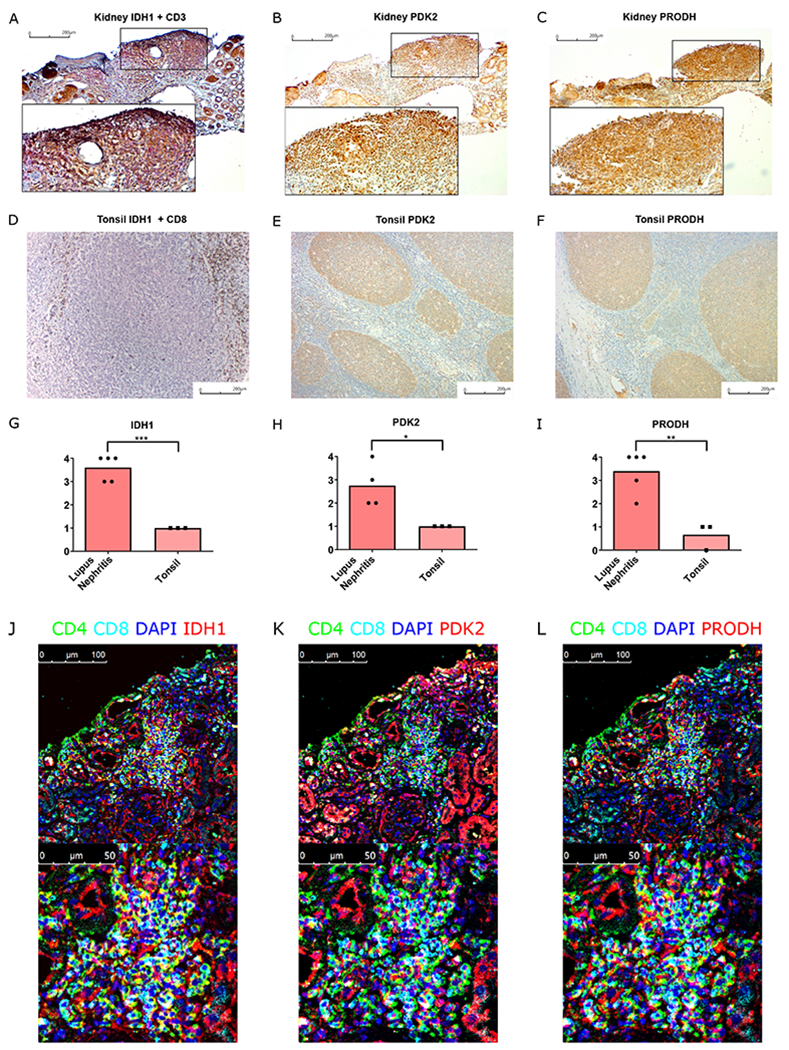
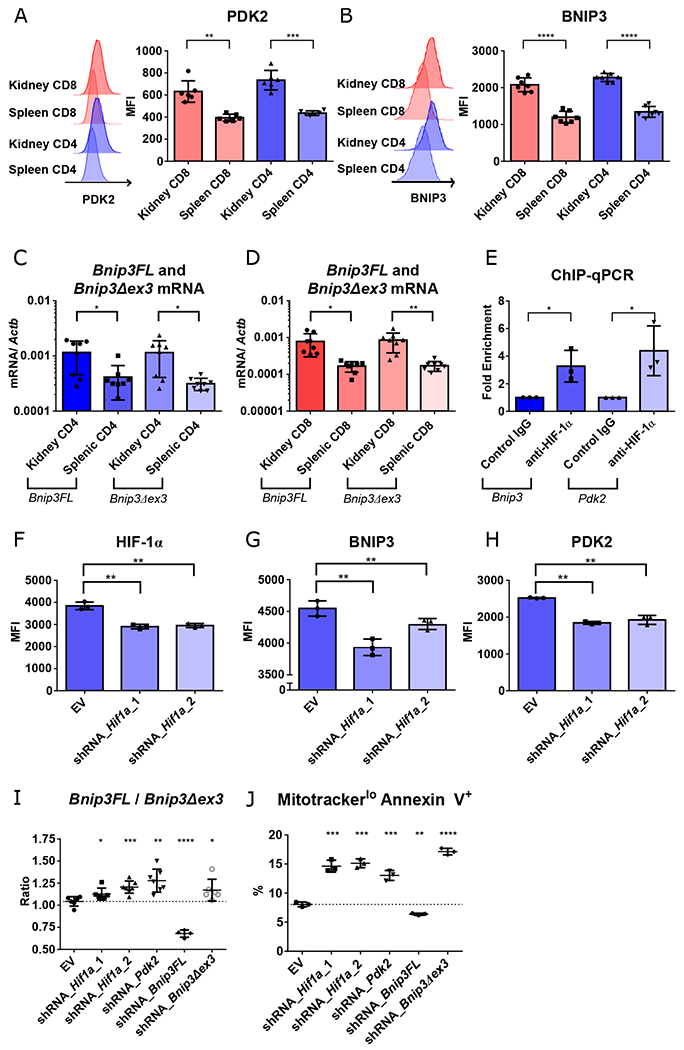
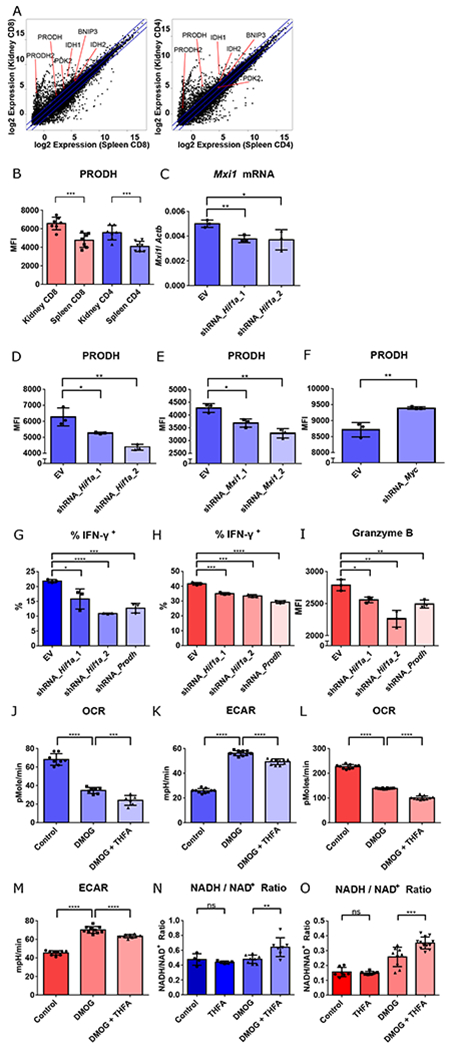
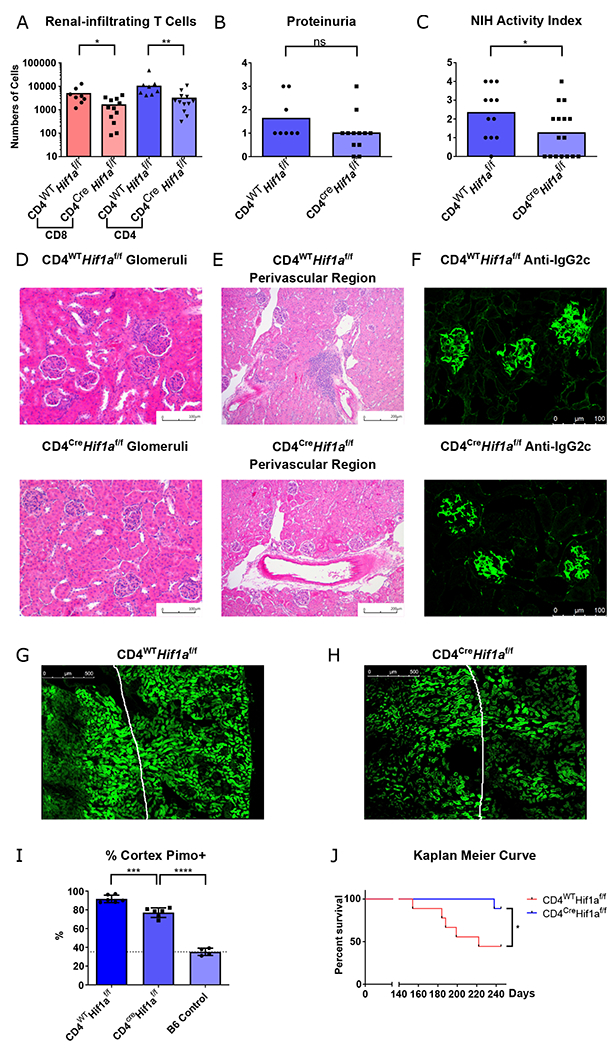
The kidney is a frequent target of autoimmune injury, including in systemic lupus erythematosus; however, how immune cells adapt to kidney's unique environment and contribute to tissue damage is unknown. We found that renal tissue, which normally has low oxygen tension, becomes more hypoxic in lupus nephritis. In the injured mouse tissue, renal-infiltrating CD4 and CD8 T cells express hypoxia-inducible factor-1 (HIF-1), which alters their cellular metabolism and prevents their apoptosis in hypoxia. HIF-1-dependent gene-regulated pathways were also up-regulated in renal-infiltrating T cells in human lupus nephritis. Perturbation of these environmental adaptations by selective HIF-1 blockade inhibited infiltrating T cells and reversed tissue hypoxia and injury in murine models of lupus. The results suggest that targeting HIF-1 might be effective for treating renal injury in autoimmune diseases.
肾脏是自身免疫性损伤的常见靶点,包括在系统性红斑狼疮中;然而,免疫细胞如何适应肾脏的独特环境并导致组织损伤尚不清楚。我们发现,正常情况下氧张力较低的肾组织在狼疮性肾炎中会变得更加缺氧。在受损的小鼠组织中,浸润肾脏的CD4和CD8 T细胞表达缺氧诱导因子-1(HIF-1),这会改变它们的细胞代谢并防止它们在缺氧状态下凋亡。在人类狼疮性肾炎中,浸润肾脏的T细胞中HIF-1依赖的基因调控通路也上调。通过选择性阻断HIF-1干扰这些环境适应性变化,可抑制浸润性T细胞,并逆转狼疮小鼠模型中的组织缺氧和损伤。结果表明,靶向HIF-1可能对治疗自身免疫性疾病中的肾损伤有效。