Department of Anesthesiology, Kansai Medical University, Hirakata, Japan.
Department of Human Stress Response Science, Institute of Biomedical Science, Kansai Medical University, Hirakata, Japan.
Sci Rep. 2017 Jun 19;7(1):3816. doi: 10.1038/s41598-017-03980-7.
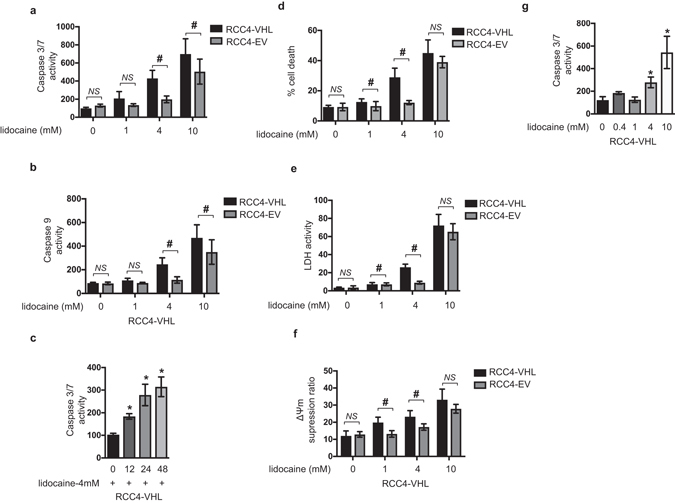
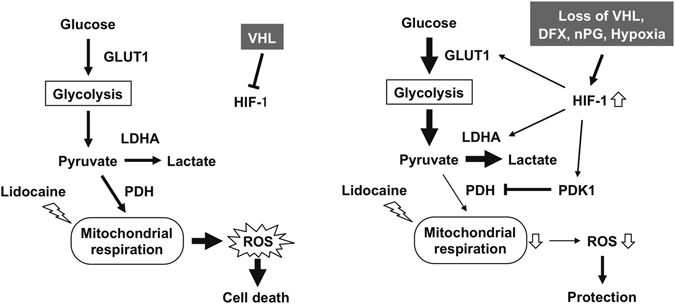
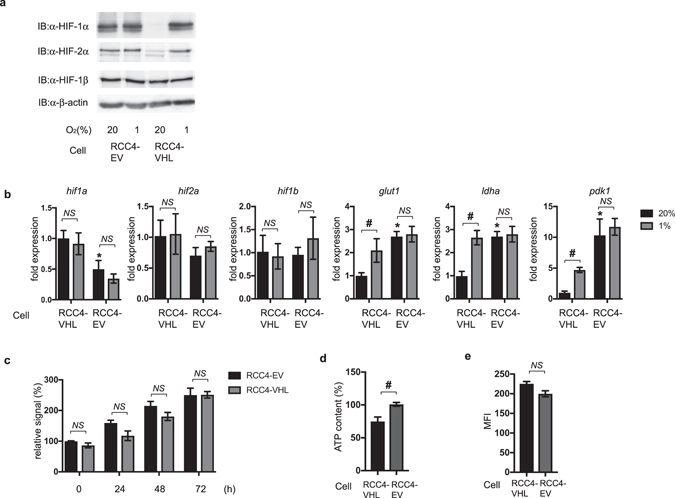
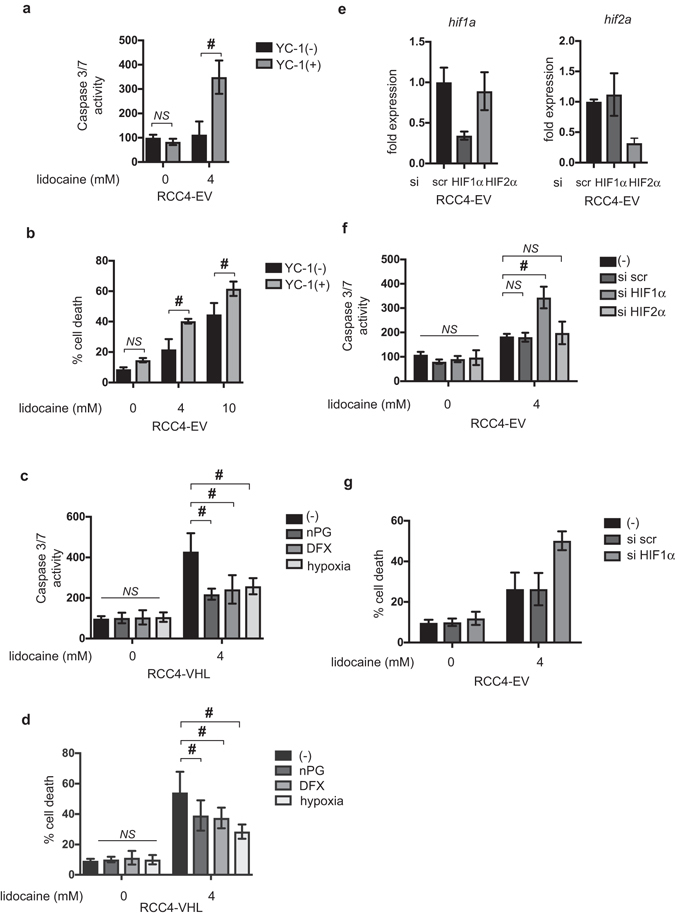
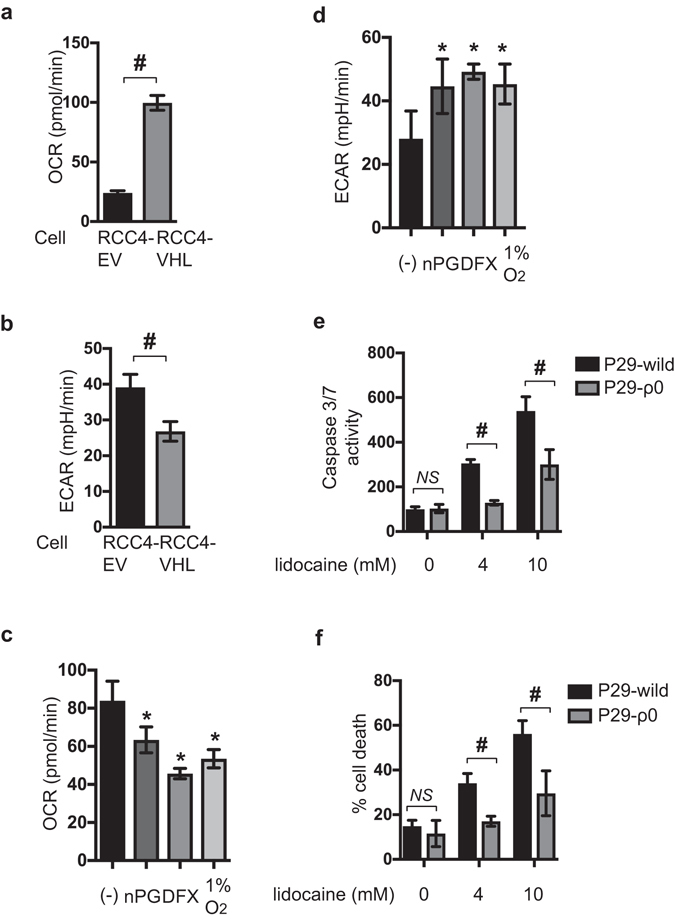
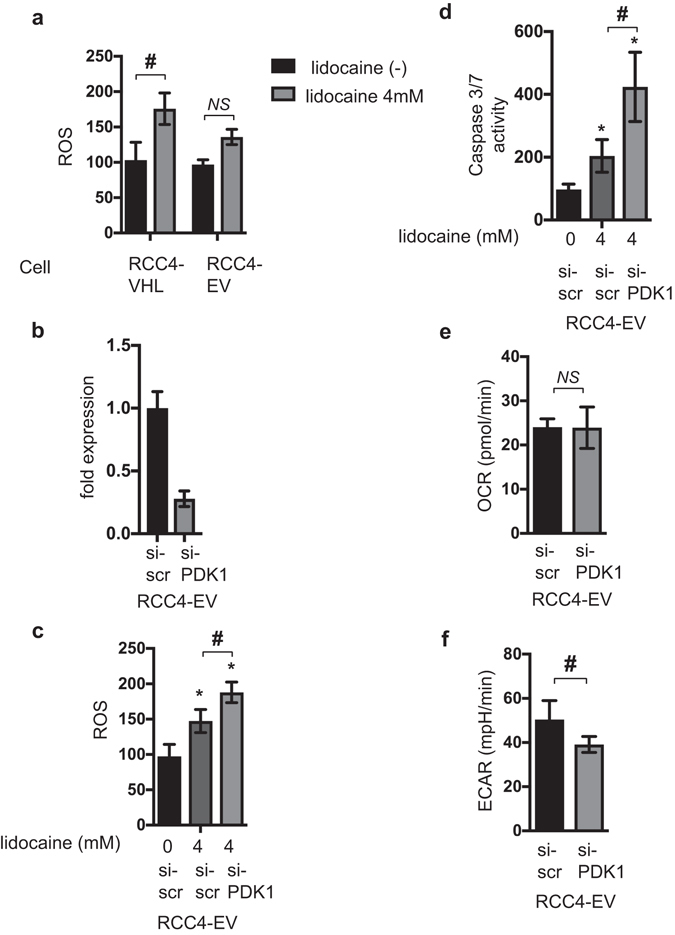
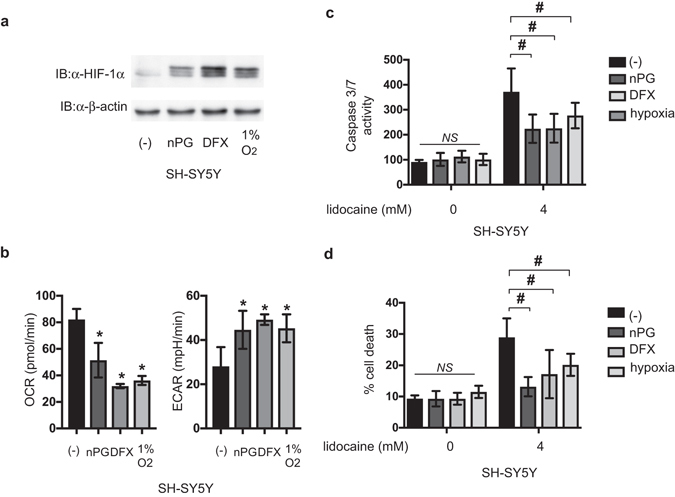
The local anesthetic lidocaine induces cell death by altering reactive oxygen species (ROS) generation and mitochondrial electron transport chain function. Because hypoxia-inducible factor 1 (HIF-1) is involved in determining oxygen metabolism and mitochondria function, we investigated the involvement of HIF-1 activity in lidocaine-induced cell death. We investigated the role of HIF activation on lidocaine-induced caspase activation and cell death in renal cell-derived RCC4 cells lacking functional von Hippel-Lindau (VHL) protein. We demonstrate that HIF-1 suppressed oxygen consumption and facilitated glycolysis in a pyruvate dehydrogenase kinase-1-dependent manner and that activation of HIF-1 conferred resistance to lidocaine-induced cell death. We also demonstrated that exogenous HIF-1 activation, through HIFα-hydroxylase inhibition or exposure to hypoxic conditions, alleviates lidocaine toxicity by suppressing mitochondria function and generating ROS, not only in RCC4 cells, but also in the neuronal SH-SY5Y cells. In conclusion, we demonstrate that HIF-1 activation due to VHL deletion, treatment with small molecule HIFα-hydroxylase inhibitors, and exposure to hypoxic conditions suppresses mitochondrial respiratory chain function and confers resistance to lidocaine toxicity.
局部麻醉药利多卡因通过改变活性氧(ROS)的产生和线粒体电子传递链功能诱导细胞死亡。由于缺氧诱导因子 1(HIF-1)参与决定氧代谢和线粒体功能,我们研究了 HIF-1 活性在利多卡因诱导的细胞死亡中的作用。我们研究了 HIF 激活在缺乏功能性 von Hippel-Lindau(VHL)蛋白的肾细胞衍生的 RCC4 细胞中利多卡因诱导的半胱天冬酶激活和细胞死亡中的作用。我们证明 HIF-1 通过依赖于丙酮酸脱氢酶激酶-1 的方式抑制氧消耗并促进糖酵解,并且 HIF-1 的激活赋予了对利多卡因诱导的细胞死亡的抗性。我们还证明,通过 HIFα-羟化酶抑制或暴露于低氧条件下的外源性 HIF-1 激活,通过抑制线粒体功能和产生 ROS,不仅在 RCC4 细胞中,而且在神经元 SH-SY5Y 细胞中,减轻了利多卡因的毒性。总之,我们证明了由于 VHL 缺失、小分子 HIFα-羟化酶抑制剂的治疗和低氧条件的暴露而导致的 HIF-1 激活抑制了线粒体呼吸链功能,并赋予了对利多卡因毒性的抗性。