Bayır Hülya, Anthonymuthu Tamil S, Tyurina Yulia Y, Patel Sarju J, Amoscato Andrew A, Lamade Andrew M, Yang Qin, Vladimirov Georgy K, Philpott Caroline C, Kagan Valerian E
Children's Neuroscience Institute, UPMC Children's Hospital of Pittsburgh, Pittsburgh, PA 15224, USA; Center for Free Radical and Antioxidant Health, Department of Environmental Health, University of Pittsburgh, Pittsburgh, PA 15213, USA; Safar Center for Resuscitation Research, Department of Critical Care Medicine, University of Pittsburgh, Pittsburgh, PA 15224, USA.
Children's Neuroscience Institute, UPMC Children's Hospital of Pittsburgh, Pittsburgh, PA 15224, USA; Center for Free Radical and Antioxidant Health, Department of Environmental Health, University of Pittsburgh, Pittsburgh, PA 15213, USA; Safar Center for Resuscitation Research, Department of Critical Care Medicine, University of Pittsburgh, Pittsburgh, PA 15224, USA.
Cell Chem Biol. 2020 Apr 16;27(4):387-408. doi: 10.1016/j.chembiol.2020.03.014. Epub 2020 Apr 9.
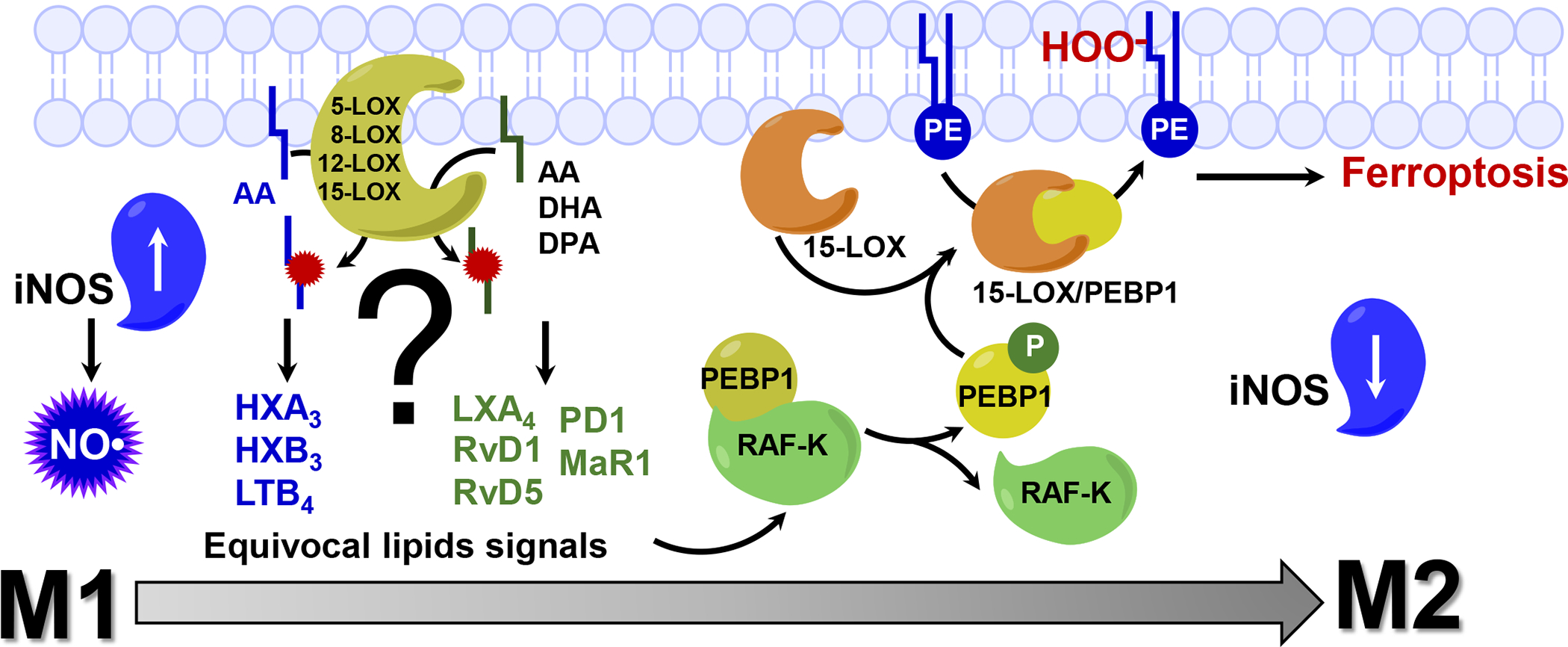
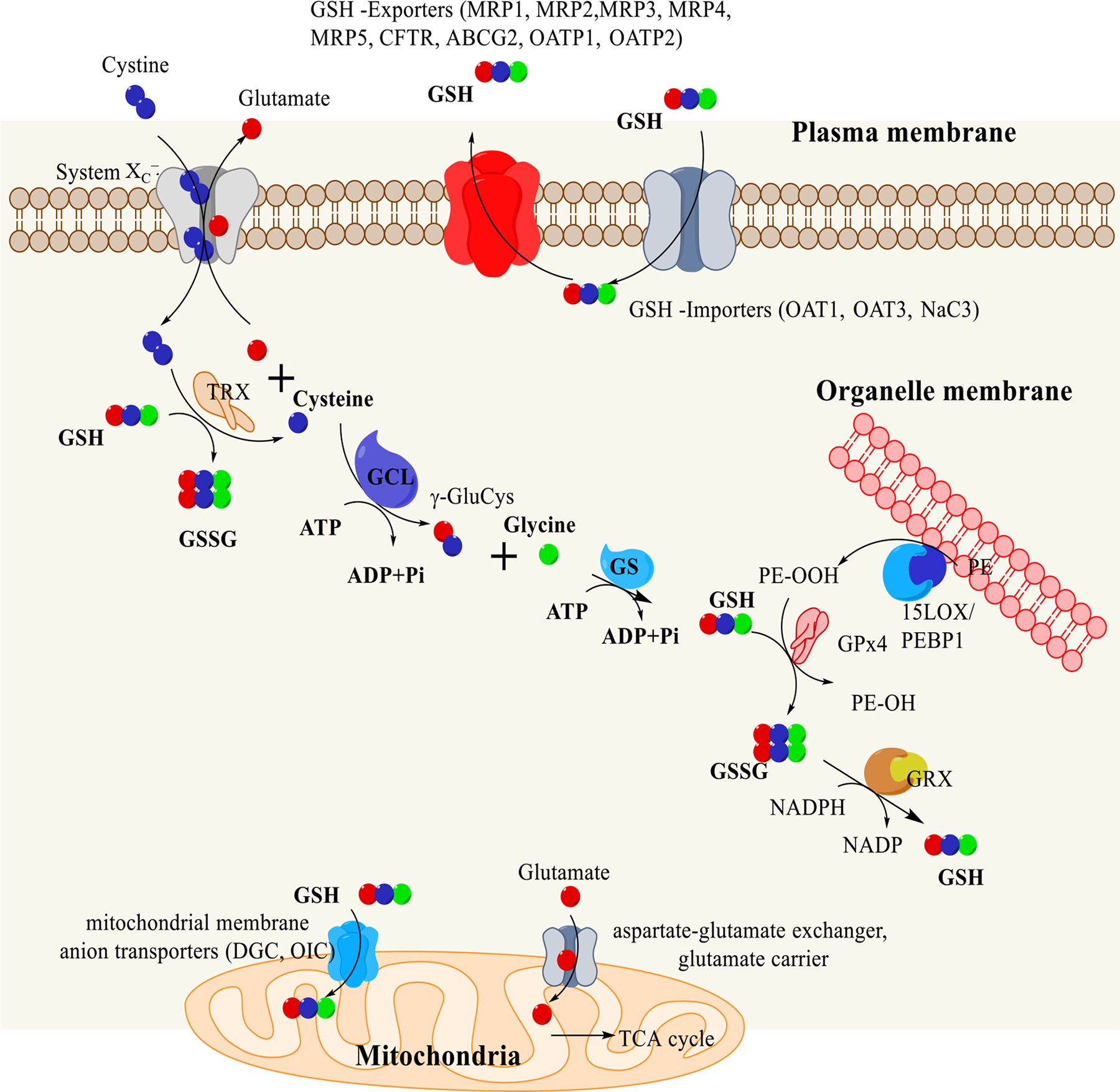
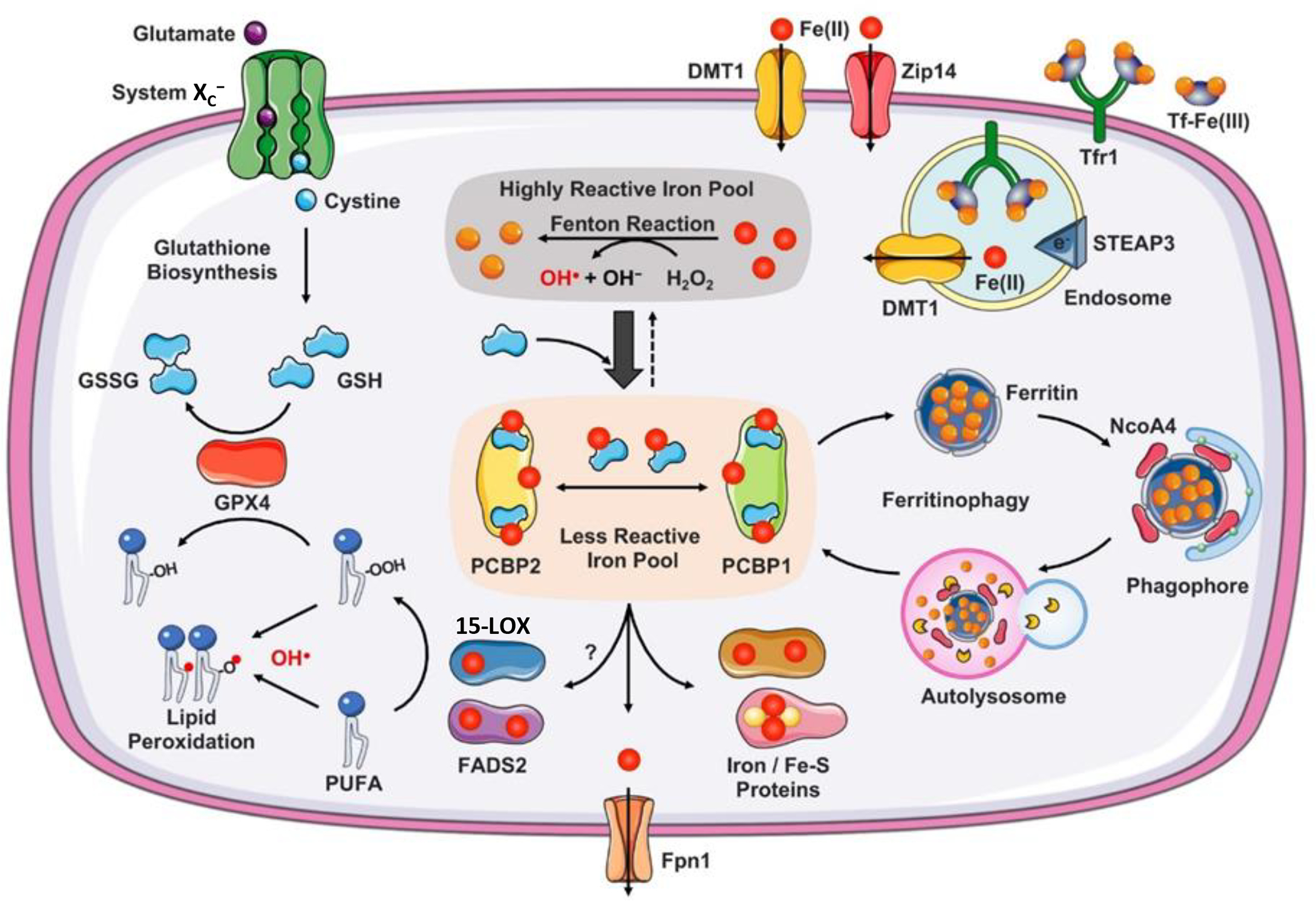
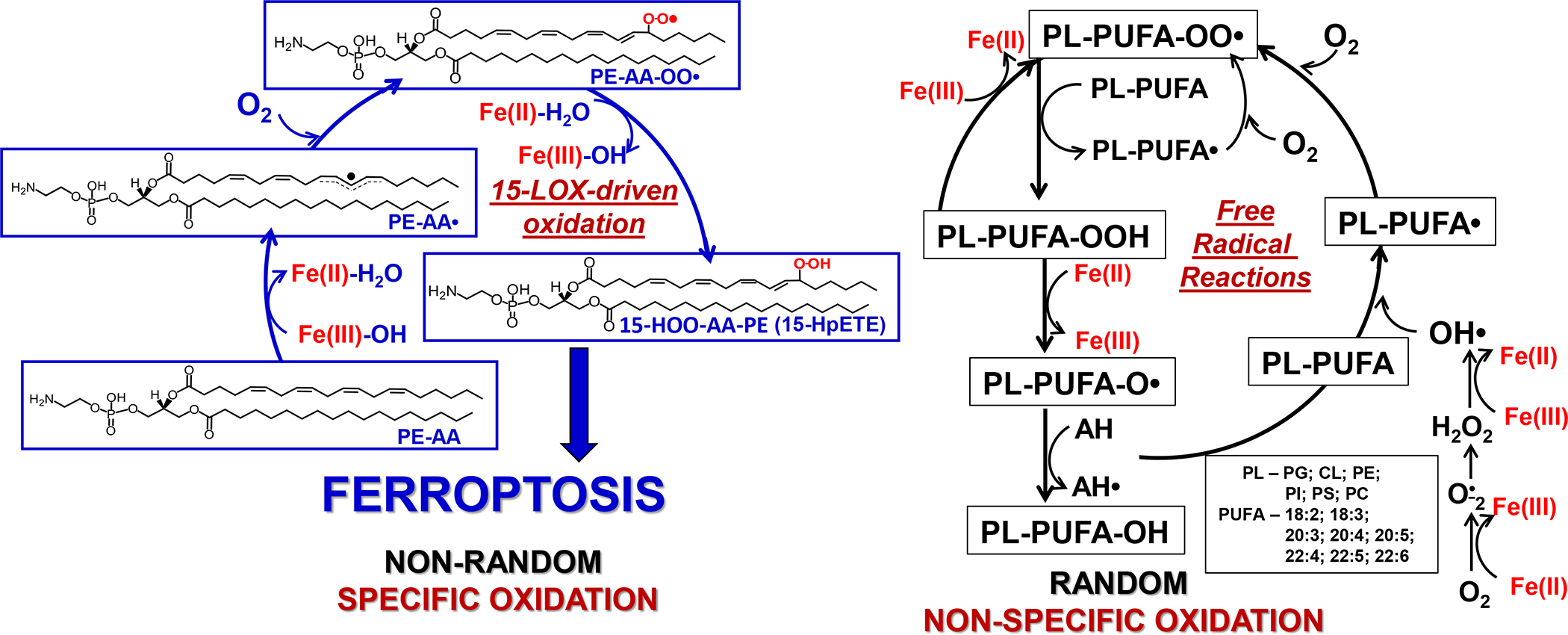
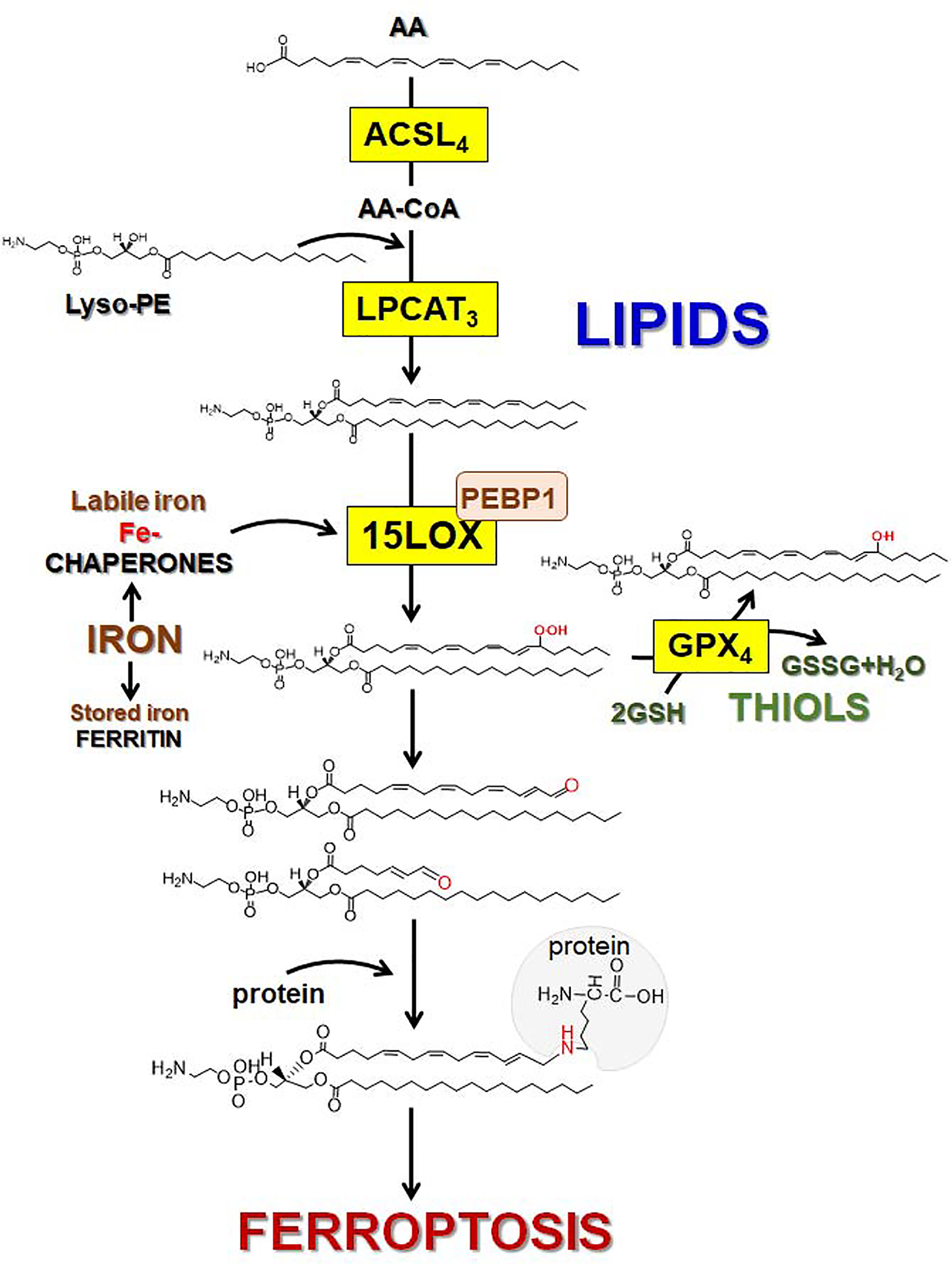
Redox balance is essential for normal brain, hence dis-coordinated oxidative reactions leading to neuronal death, including programs of regulated death, are commonly viewed as an inevitable pathogenic penalty for acute neuro-injury and neurodegenerative diseases. Ferroptosis is one of these programs triggered by dyshomeostasis of three metabolic pillars: iron, thiols, and polyunsaturated phospholipids. This review focuses on: (1) lipid peroxidation (LPO) as the major instrument of cell demise, (2) iron as its catalytic mechanism, and (3) thiols as regulators of pro-ferroptotic signals, hydroperoxy lipids. Given the central role of LPO, we discuss the engagement of selective and specific enzymatic pathways versus random free radical chemical reactions in the context of the phospholipid substrates, their biosynthesis, intracellular location, and related oxygenating machinery as participants in ferroptotic cascades. These concepts are discussed in the light of emerging neuro-therapeutic approaches controlling intracellular production of pro-ferroptotic phospholipid signals and their non-cell-autonomous spreading, leading to ferroptosis-associated necroinflammation.
氧化还原平衡对正常大脑至关重要,因此,导致神经元死亡的失调氧化反应,包括程序性死亡,通常被视为急性神经损伤和神经退行性疾病不可避免的致病代价。铁死亡是由铁、硫醇和多不饱和磷脂这三个代谢支柱的稳态失衡引发的此类程序性死亡之一。本综述重点关注:(1)脂质过氧化(LPO)作为细胞死亡的主要机制;(2)铁作为其催化机制;(3)硫醇作为促铁死亡信号、氢过氧脂质的调节剂。鉴于LPO的核心作用,我们在磷脂底物、其生物合成、细胞内定位以及作为铁死亡级联反应参与者的相关氧化机制的背景下,讨论选择性和特异性酶促途径与随机自由基化学反应的参与情况。结合新兴的神经治疗方法,即控制促铁死亡磷脂信号的细胞内产生及其非细胞自主扩散,导致与铁死亡相关的坏死性炎症,对这些概念进行了讨论。