Soddu Ludovica, Trinh Duong N, Dunne Eimear, Kenny Dermot, Bernardini Giorgia, Kokalari Ida, Marucco Arianna, Monopoli Marco P, Fenoglio Ivana
Department of Chemistry, University of Torino, 10125 Torino, Italy.
Molecular and Cellular Therapeutics, Royal College of Surgeons in Ireland (RCSI), 123 St Stephen Green, Dublin 2, Ireland.
Beilstein J Nanotechnol. 2020 Apr 3;11:550-567. doi: 10.3762/bjnano.11.44. eCollection 2020.
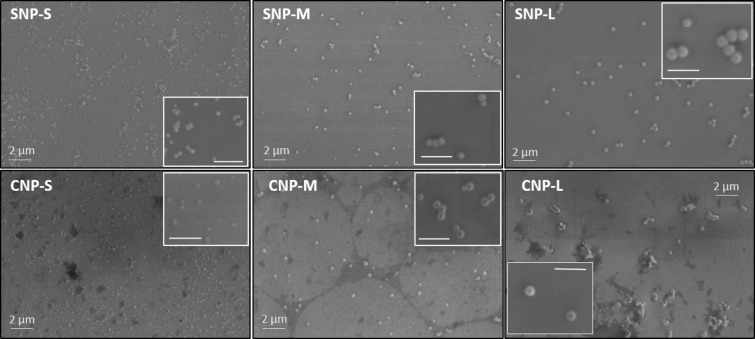
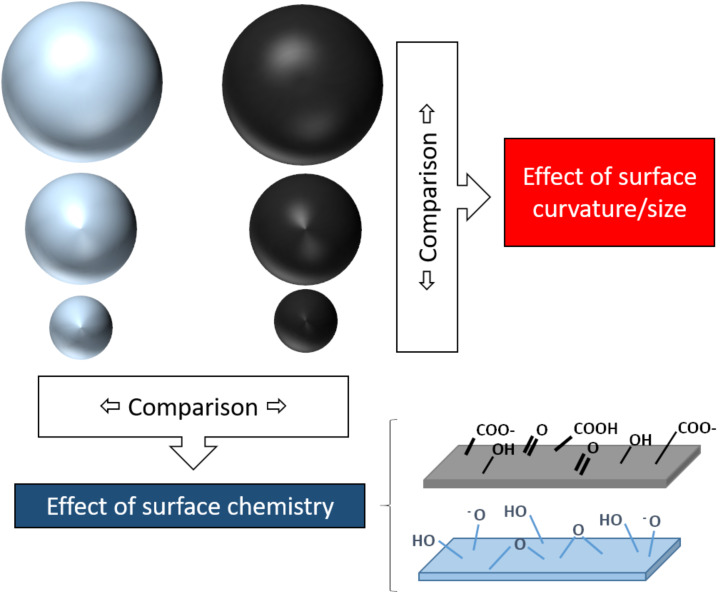
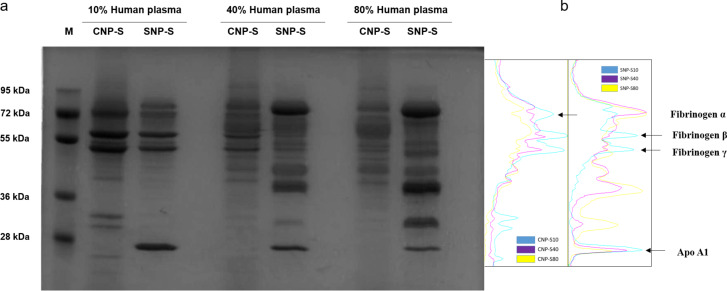
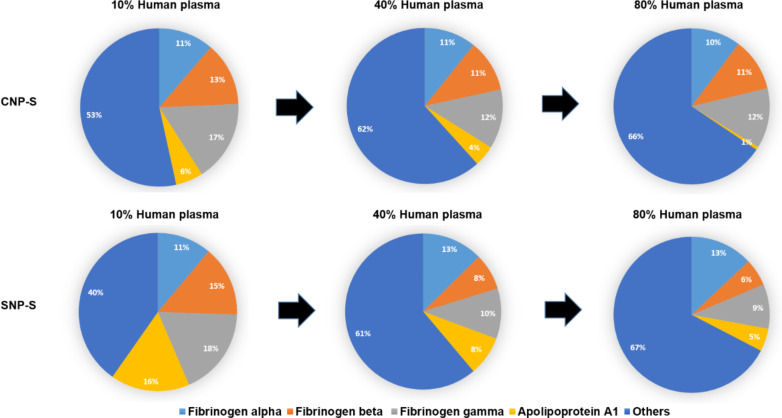
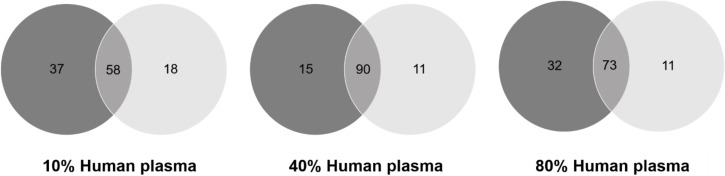
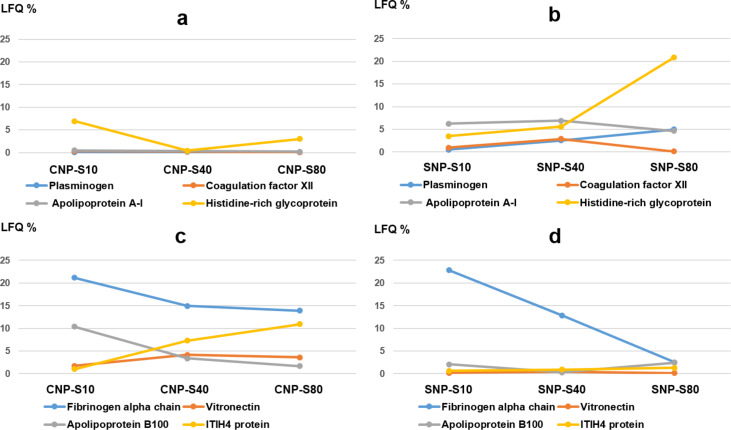
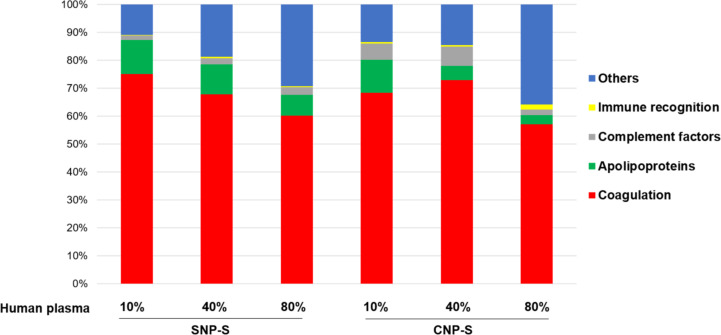
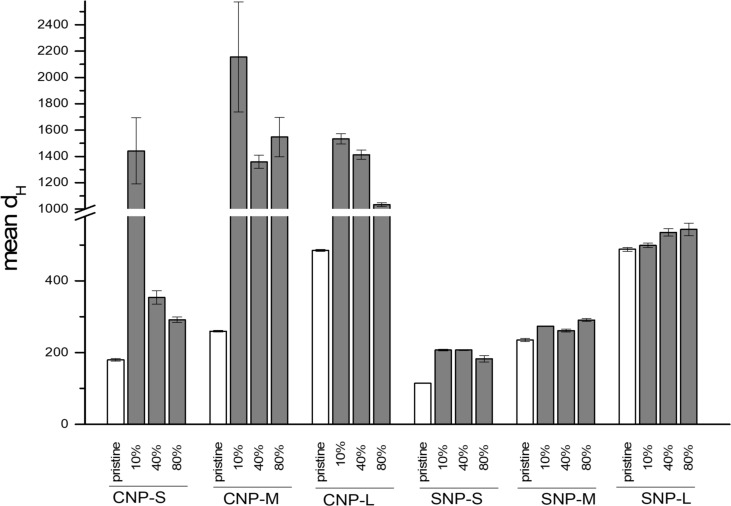
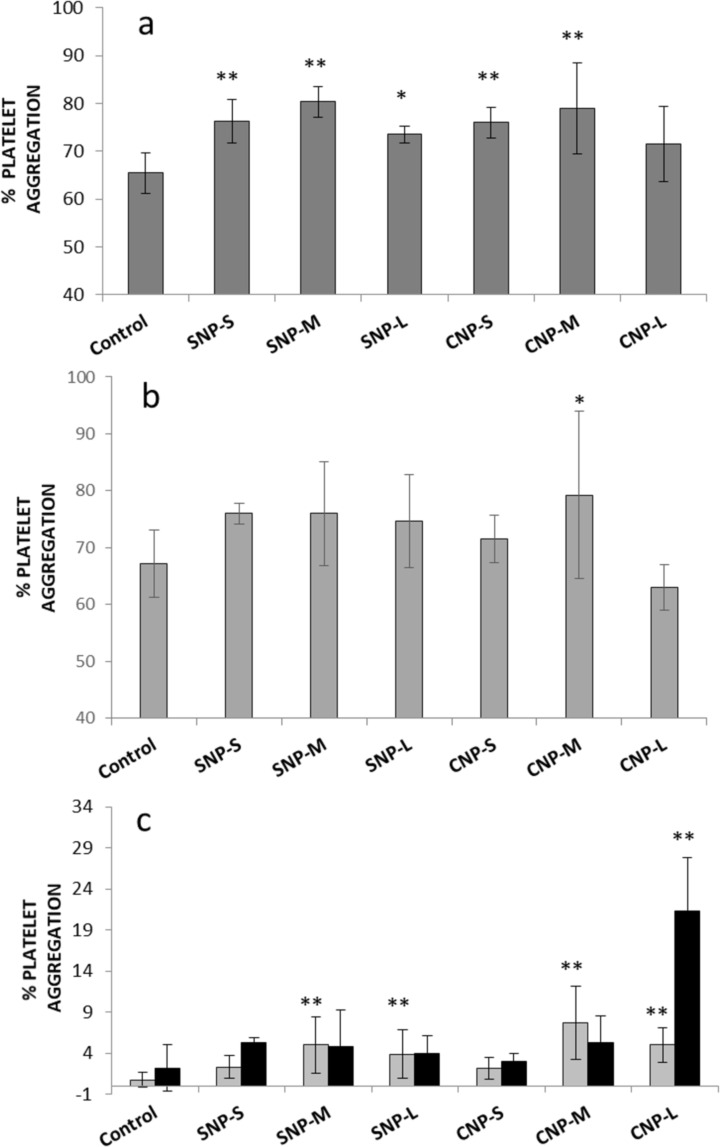
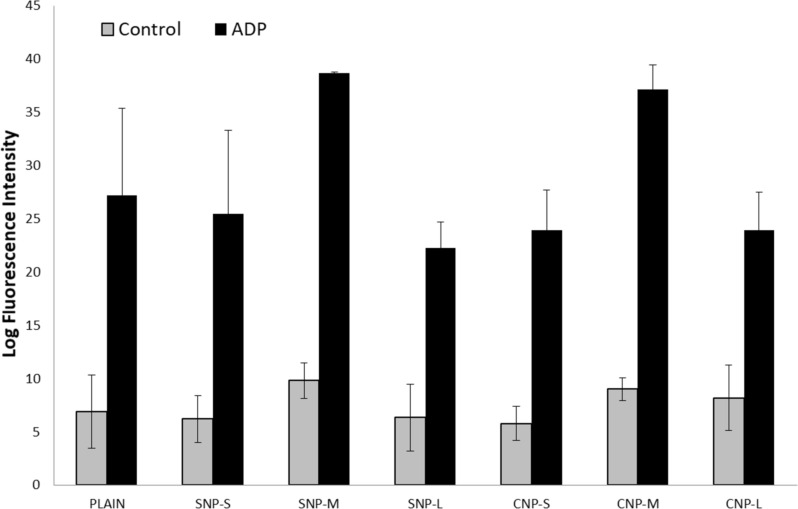
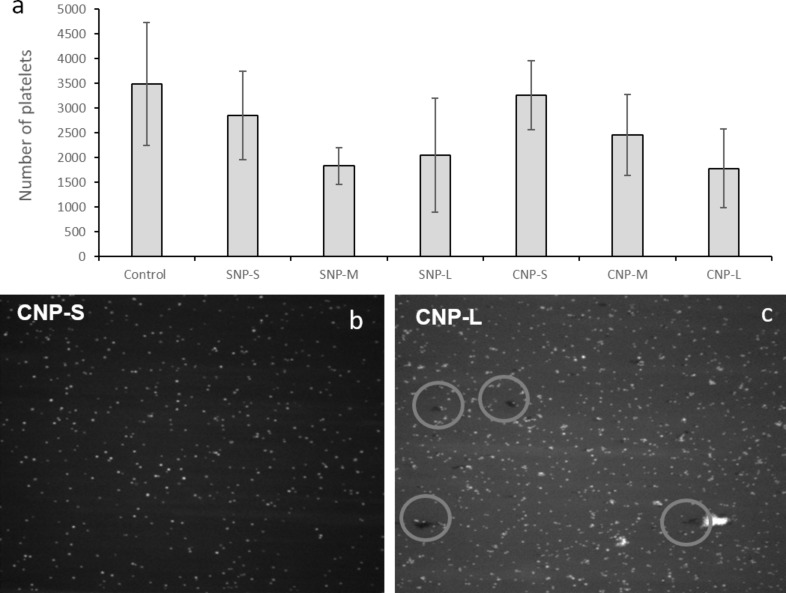
Inorganic materials are receiving significant interest in medicine given their usefulness for therapeutic applications such as targeted drug delivery, active pharmaceutical carriers and medical imaging. However, poor knowledge of the side effects related to their use is an obstacle to clinical translation. For the development of molecular drugs, the concept of safe-by-design has become an efficient pharmaceutical strategy with the aim of reducing costs, which can also accelerate the translation into the market. In the case of materials, the application these approaches is hampered by poor knowledge of how the physical and chemical properties of the material trigger the biological response. Hemocompatibility is a crucial aspect to take into consideration for those materials that are intended for medical applications. The formation of nanoparticle agglomerates can cause severe side effects that may induce occlusion of blood vessels and thrombotic events. Additionally, nanoparticles can interfere with the coagulation cascade causing both pro- and anti-coagulant properties. There is contrasting evidence on how the physicochemical properties of the material modulate these effects. In this work, we developed two sets of tailored carbon and silica nanoparticles with three different diameters in the 100-500 nm range with the purpose of investigating the role of surface curvature and chemistry on platelet aggregation, activation and adhesion. Substantial differences were found in the composition of the protein corona depending on the chemical nature of the nanoparticles, while the surface curvature was found to play a minor role. On the other hand, large carbon nanoparticles (but not small carbon nanoparticles or silica nanoparticles) have a clear tendency to form aggregates both in plasma and blood. This effect was observed both in the presence or absence of platelets and was independent of platelet activation. Overall, the results presented herein suggest the existence of independent modes of action that are differently affected by the physicochemical properties of the materials, potentially leading to vessel occlusion and/or formation of thrombi in vivo.
无机材料因其在靶向药物递送、活性药物载体和医学成像等治疗应用中的实用性而在医学领域受到广泛关注。然而,对其使用相关副作用的了解不足是临床转化的障碍。对于分子药物的开发,“设计安全”概念已成为一种有效的制药策略,旨在降低成本,同时也能加速推向市场的进程。就材料而言,由于对材料的物理和化学性质如何引发生物反应了解不足,这些方法的应用受到了阻碍。血液相容性是那些用于医疗应用的材料需要考虑的一个关键方面。纳米颗粒团聚物的形成可能会导致严重的副作用,可能引发血管阻塞和血栓形成事件。此外,纳米颗粒会干扰凝血级联反应,导致既有促凝血特性又有抗凝血特性。关于材料的物理化学性质如何调节这些影响,存在相互矛盾的证据。在这项工作中,我们开发了两组定制的碳纳米颗粒和二氧化硅纳米颗粒,直径在100 - 500纳米范围内,有三种不同的直径,目的是研究表面曲率和化学性质对血小板聚集、激活和黏附的作用。根据纳米颗粒的化学性质,在蛋白质冠层的组成上发现了显著差异,而表面曲率的作用较小。另一方面,大的碳纳米颗粒(但小的碳纳米颗粒或二氧化硅纳米颗粒不会)在血浆和血液中都有明显的聚集倾向。在有或没有血小板的情况下都观察到了这种效应,并且与血小板激活无关。总体而言,本文给出的结果表明存在受材料物理化学性质不同影响的独立作用模式,这可能导致体内血管阻塞和/或血栓形成。