Guangdong Engineering Research Center of Natural Products and New Drugs, Guangdong Provincial University Engineering Technology Research Center of Natural Products and Drugs, Guangdong Pharmaceutical University, Guangzhou, 510006, China.
Guangdong Metabolic Diseases Research Centre of Integrated Chinese and Western Medicine, Guangdong TCM Key Laboratory for Metabolic Diseases, Key Laboratory of Modulating Liver to Treat Hyperlipemia SATCM, Level 3 Laboratory of Lipid Metabolism SATCM, Institute of Chinese Medicinal Sciences, Guangdong Pharmaceutical University, Guangzhou, 510006, China.
Lipids Health Dis. 2020 Apr 13;19(1):72. doi: 10.1186/s12944-020-01210-0.
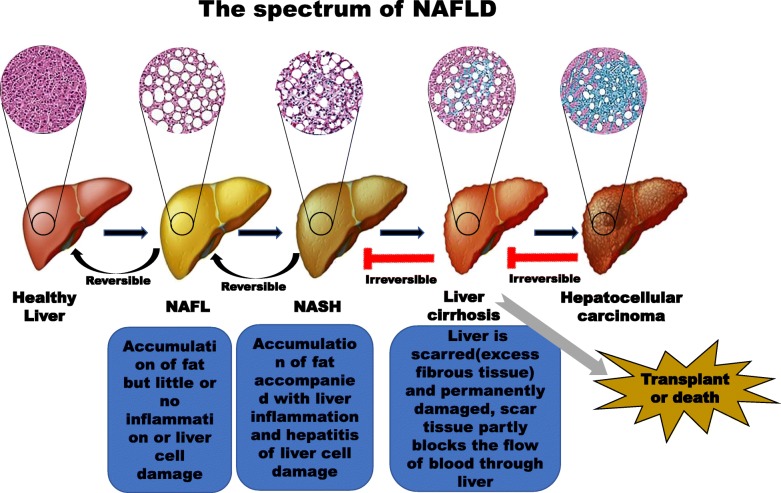
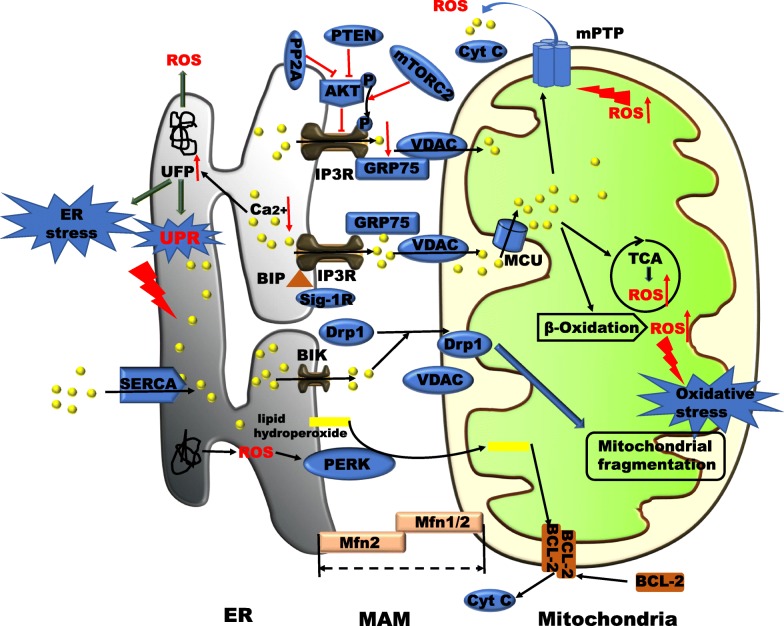
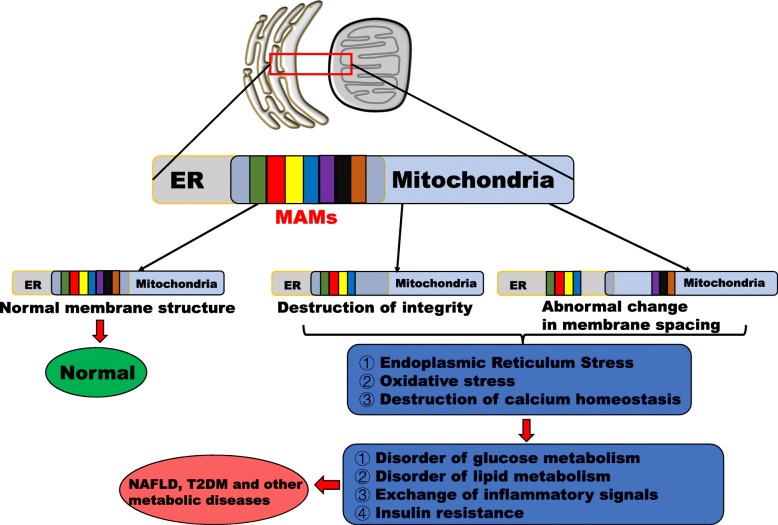
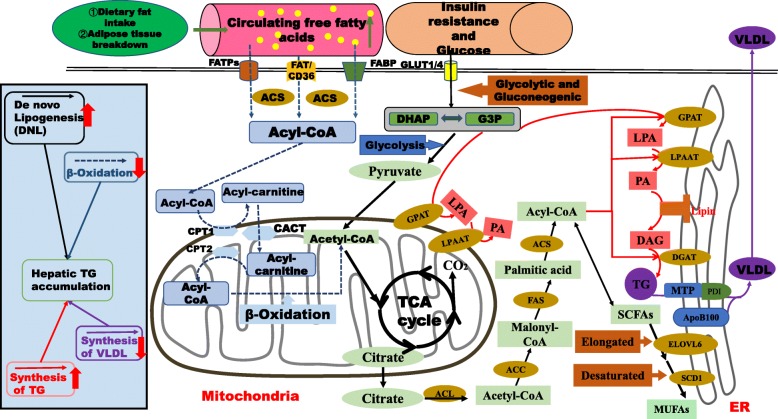
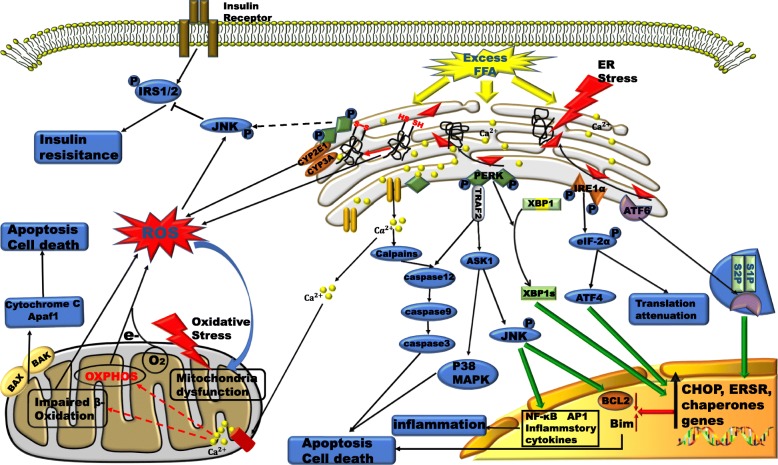
Nonalcoholic fatty liver disease (NAFLD) is a common metabolic syndrome. Imbalances between liver lipid output and input are the direct causes of NAFLD, and hepatic steatosis is the pathological premise and basis for NAFLD progression. Mutual interaction between endoplasmic reticulum stress (ERS) and oxidative stress play important roles in NAFLD pathogenesis. Notably, mitochondria-associated membranes (MAMs) act as a structural bridges for functional clustering of molecules, particularly for Ca, lipids, and reactive oxygen species (ROS) exchange. Previous studies have examined the crucial roles of ERS and ROS in NAFLD and have shown that MAM structural and functional integrity determines normal ER- mitochondria communication. Upon disruption of MAM integrity, miscommunication directly or indirectly causes imbalances in Ca2+ homeostasis and increases ERS and oxidative stress. Here, we emphasize the involvement of MAMs in glucose and lipid metabolism, chronic inflammation and insulin resistance in NAFLD and summarize MAM-targeting drugs and compounds, most of which achieve their therapeutic or ameliorative effects on NAFLD by improving MAM integrity. Therefore, targeting MAMs may be a viable strategy for NAFLD treatment. This review provides new ideas and key points for basic NAFLD research and drug development centred on mitochondria and the endoplasmic reticulum.
非酒精性脂肪性肝病(NAFLD)是一种常见的代谢综合征。肝脏脂质输出和输入之间的失衡是非酒精性脂肪性肝病的直接原因,而肝脂肪变性是非酒精性脂肪性肝病进展的病理前提和基础。内质网应激(ERS)和氧化应激之间的相互作用在非酒精性脂肪性肝病的发病机制中起重要作用。值得注意的是,线粒体相关膜(MAMs)作为分子功能聚集的结构桥梁,特别是钙、脂质和活性氧(ROS)交换的结构桥梁。先前的研究已经研究了 ERS 和 ROS 在非酒精性脂肪性肝病中的关键作用,并表明 MAM 的结构和功能完整性决定了正常的 ER-线粒体通讯。当 MAM 完整性被破坏时,错误的通讯直接或间接地导致钙稳态失衡,并增加 ERS 和氧化应激。在这里,我们强调了 MAMs 在非酒精性脂肪性肝病中葡萄糖和脂质代谢、慢性炎症和胰岛素抵抗中的作用,并总结了 MAMs 靶向药物和化合物,其中大多数通过改善 MAM 完整性来实现对非酒精性脂肪性肝病的治疗或改善效果。因此,靶向 MAMs 可能是治疗非酒精性脂肪性肝病的一种可行策略。本综述为以线粒体和内质网为中心的基础非酒精性脂肪性肝病研究和药物开发提供了新的思路和要点。