Department of Microbiology and Immunology, University of Rochester, Rochester, New York, United States of America.
David H. Smith Center for Vaccine Biology and Immunology, University of Rochester, Rochester, New York, United States of America.
PLoS Pathog. 2020 Apr 14;16(4):e1008409. doi: 10.1371/journal.ppat.1008409. eCollection 2020 Apr.
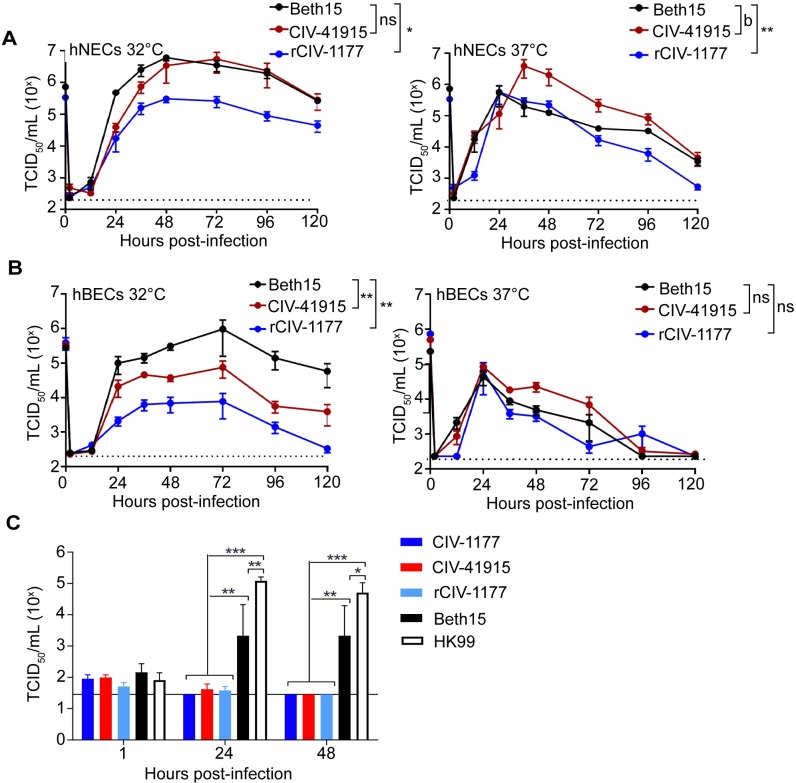
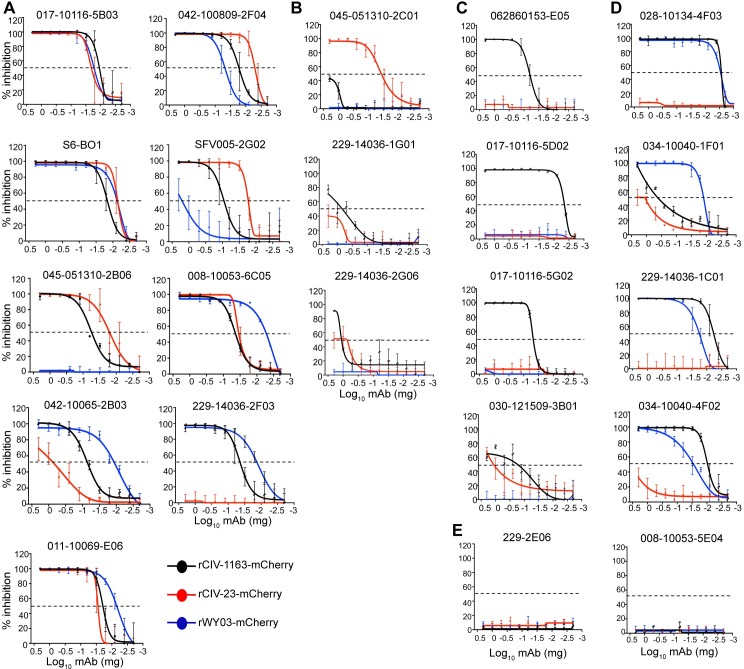
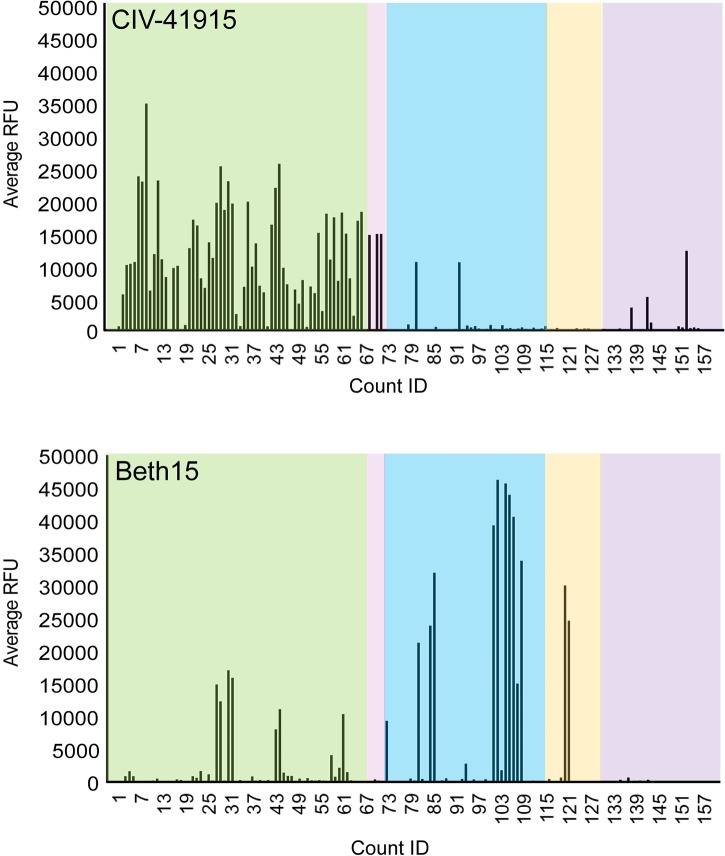
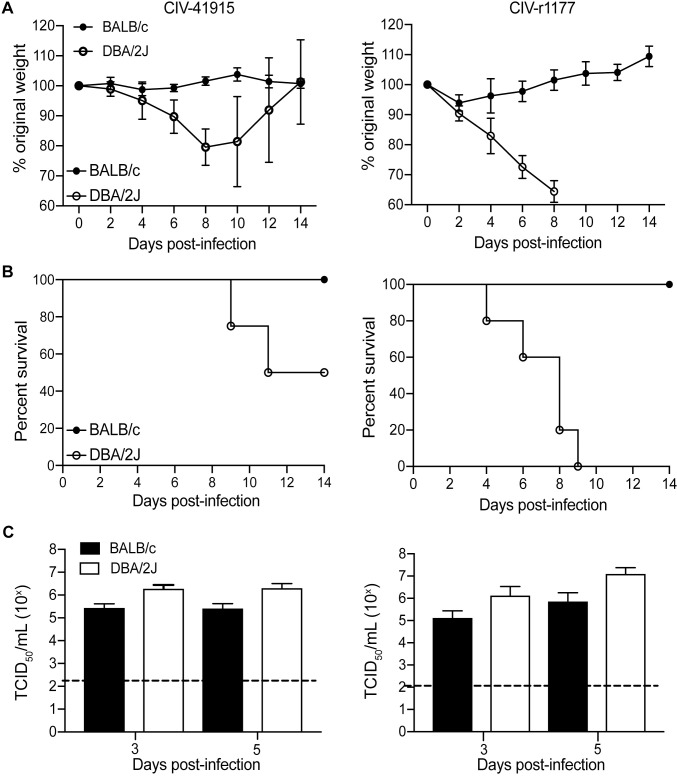
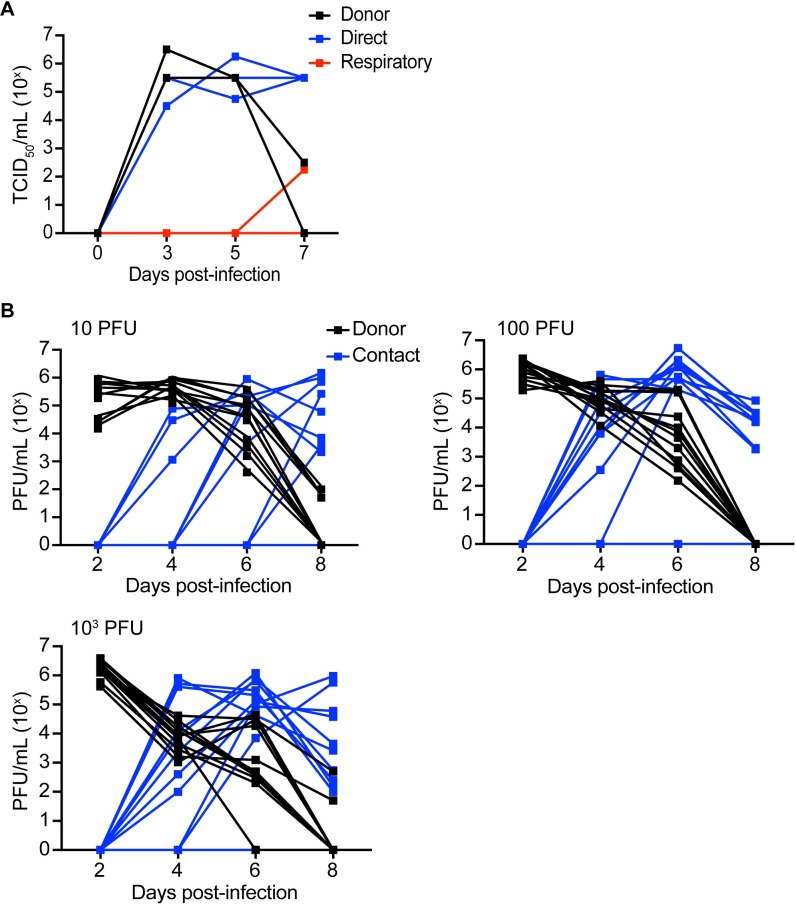
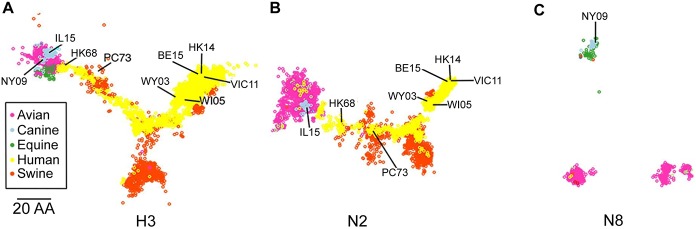
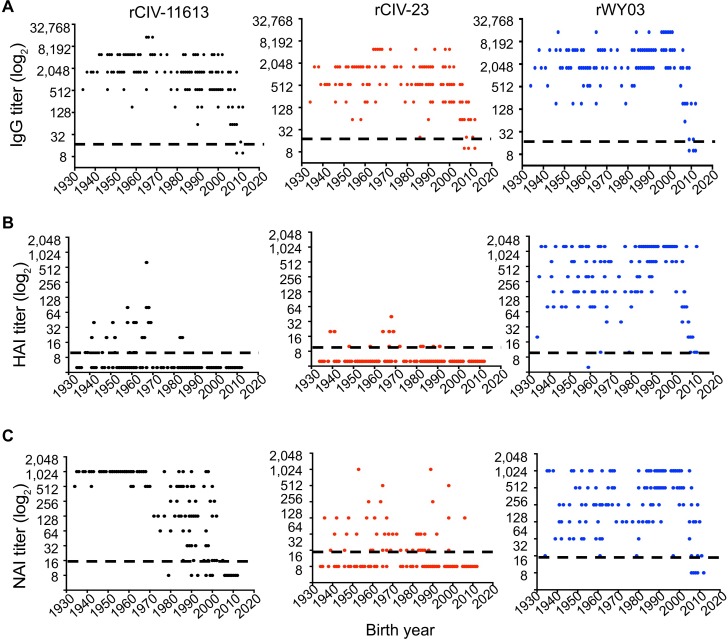
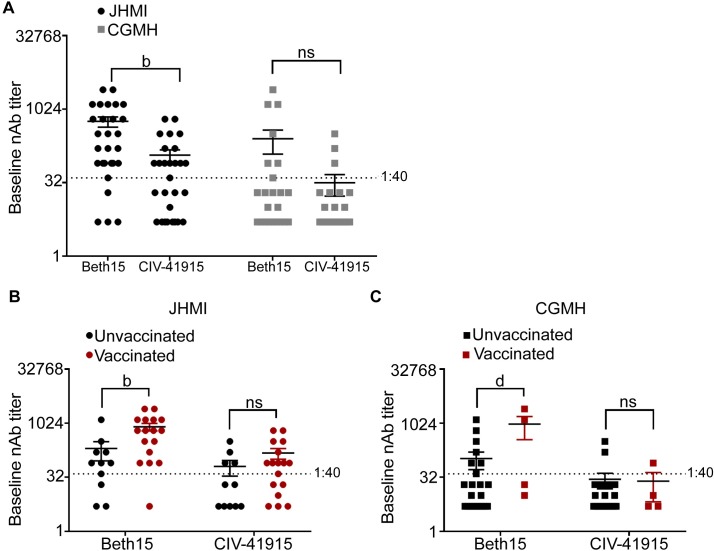
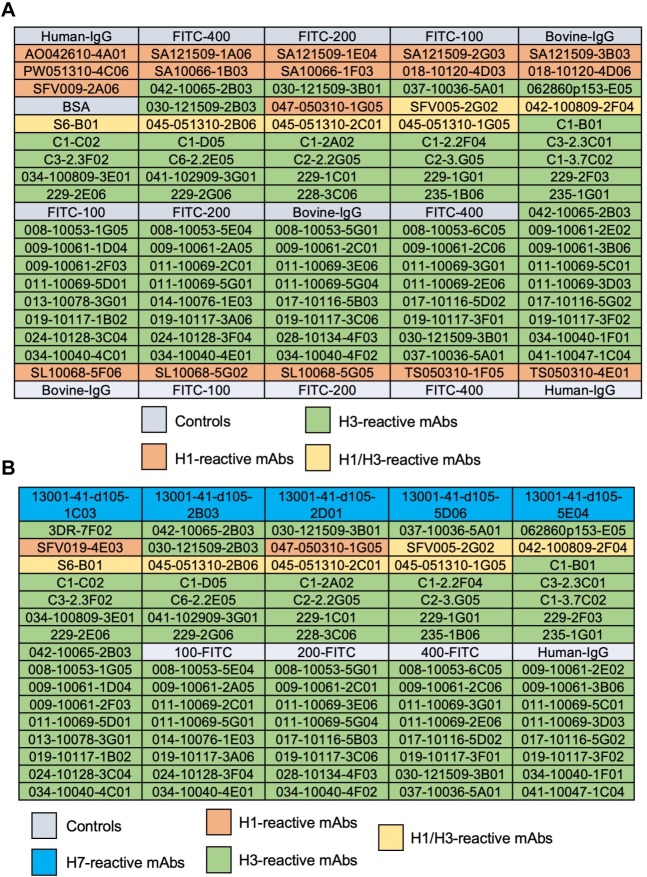
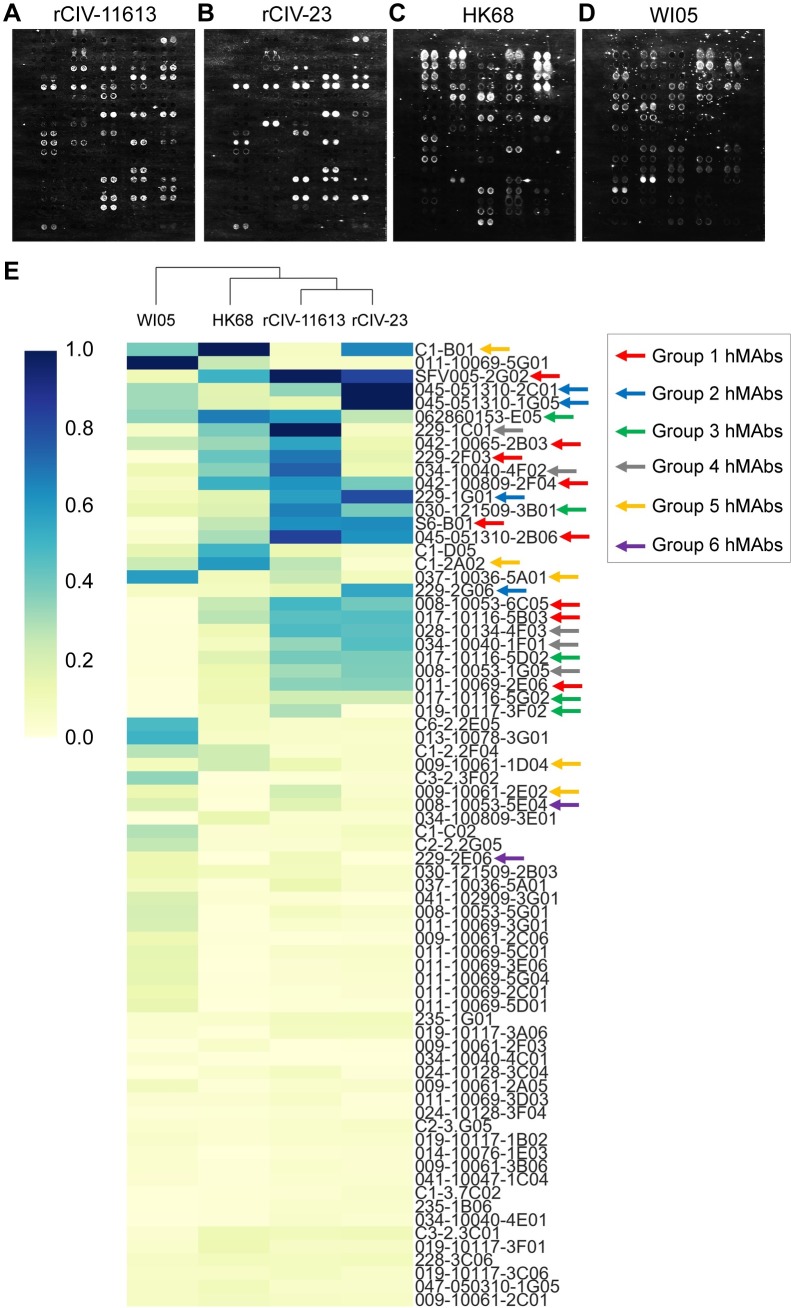
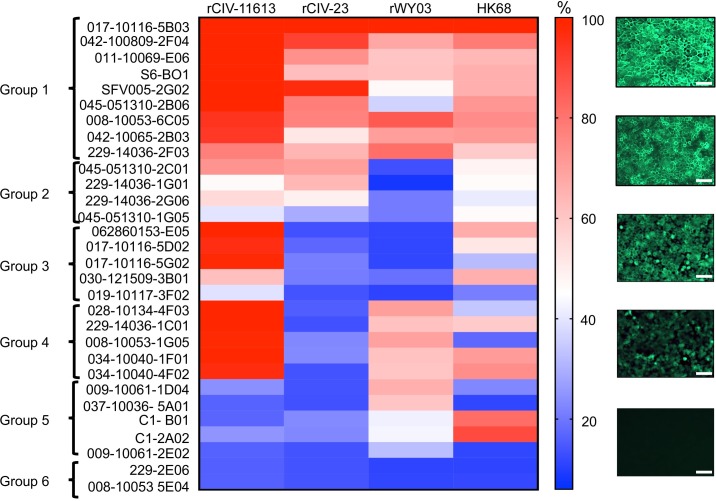
The continual emergence of novel influenza A strains from non-human hosts requires constant vigilance and the need for ongoing research to identify strains that may pose a human public health risk. Since 1999, canine H3 influenza A viruses (CIVs) have caused many thousands or millions of respiratory infections in dogs in the United States. While no human infections with CIVs have been reported to date, these viruses could pose a zoonotic risk. In these studies, the National Institutes of Allergy and Infectious Diseases (NIAID) Centers of Excellence for Influenza Research and Surveillance (CEIRS) network collaboratively demonstrated that CIVs replicated in some primary human cells and transmitted effectively in mammalian models. While people born after 1970 had little or no pre-existing humoral immunity against CIVs, the viruses were sensitive to existing antivirals and we identified a panel of H3 cross-reactive human monoclonal antibodies (hmAbs) that could have prophylactic and/or therapeutic value. Our data predict these CIVs posed a low risk to humans. Importantly, we showed that the CEIRS network could work together to provide basic research information important for characterizing emerging influenza viruses, although there were valuable lessons learned.
新型甲型流感病毒株不断从非人类宿主中出现,这需要持续保持警惕,并需要不断进行研究,以确定可能对人类公共健康构成威胁的病毒株。自 1999 年以来,犬流感 A 病毒(CIV)已在美国导致成千上万或数百万只狗患上呼吸道感染。虽然迄今为止尚未报告有人感染 CIV,但这些病毒可能存在人畜共患风险。在这些研究中,过敏和传染病研究所(NIAID)的流感研究和监测卓越中心(CEIRS)网络合作证明,CIV 可在一些原代人细胞中复制,并在哺乳动物模型中有效传播。虽然出生于 1970 年后的人对 CIV 的体液免疫几乎没有或没有预先存在,但这些病毒对现有抗病毒药物敏感,我们确定了一组可预防和/或治疗价值的 H3 交叉反应性人源单克隆抗体(hmAbs)。我们的数据预测这些 CIV 对人类构成的风险较低。重要的是,我们表明,CEIRS 网络可以共同努力,提供对表征新兴流感病毒很重要的基础研究信息,尽管从中吸取了宝贵的经验教训。