Institute of Biotechnology and Department of Medical Science, National Tsing Hua University, Hsinchu 300, Taiwan.
Department of Neurology, National Taiwan University Hospital Hsinchu Branch, Hsinchu 300, Taiwan.
Int J Mol Sci. 2020 Apr 10;21(7):2654. doi: 10.3390/ijms21072654.
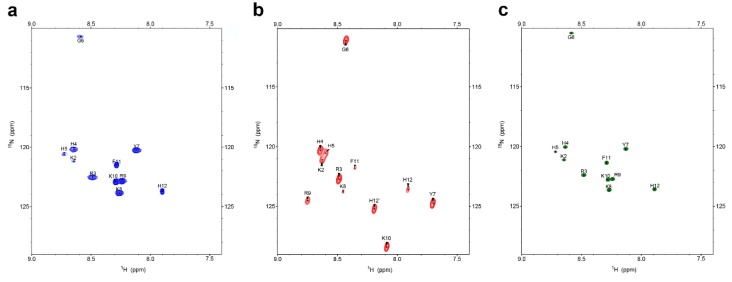
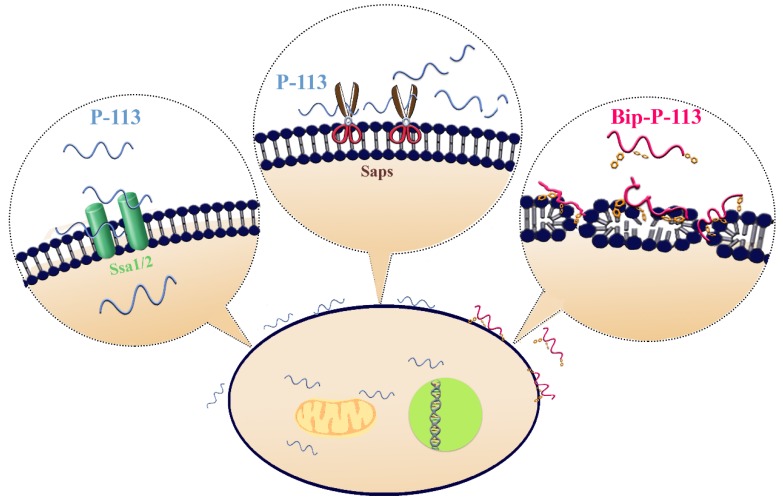
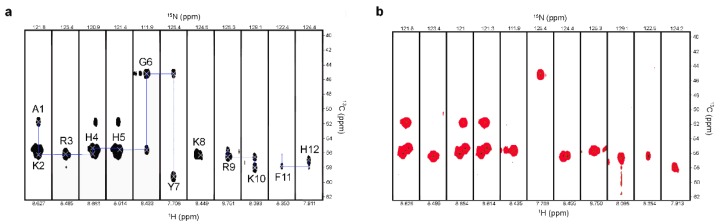
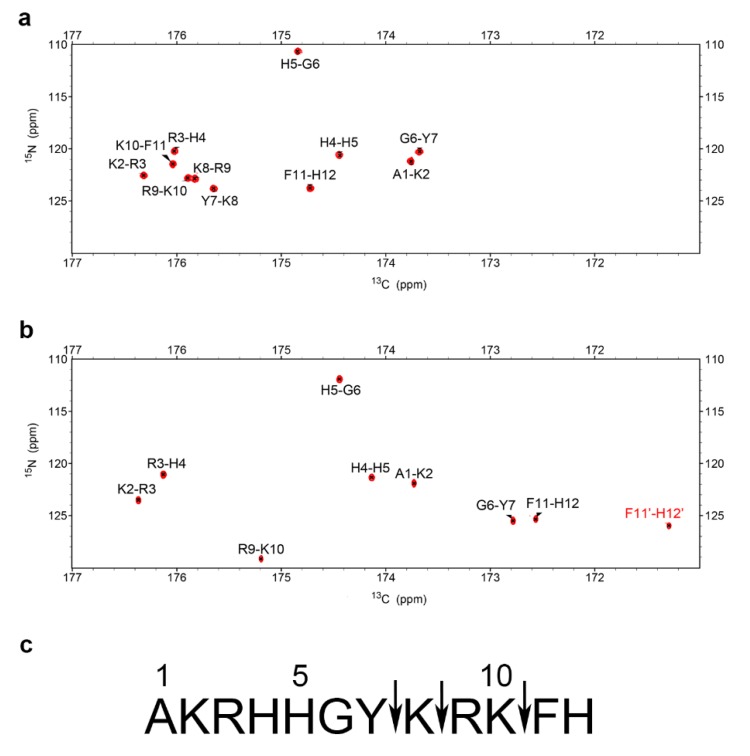
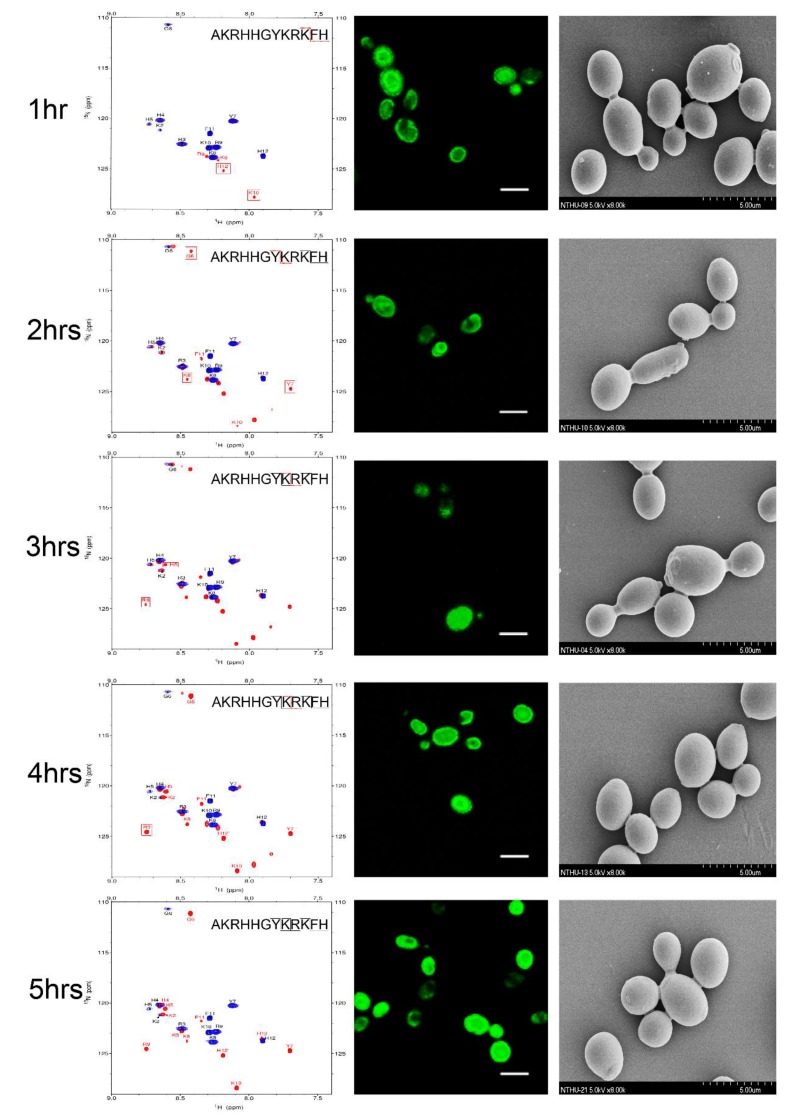
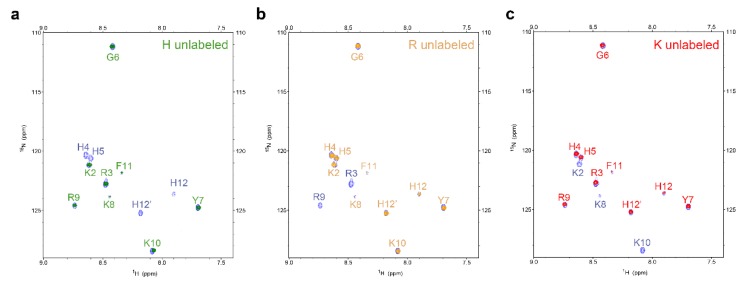
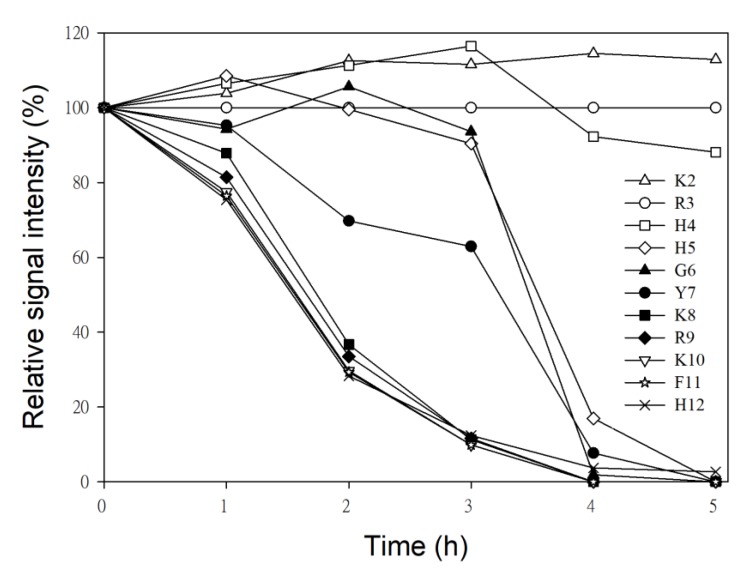
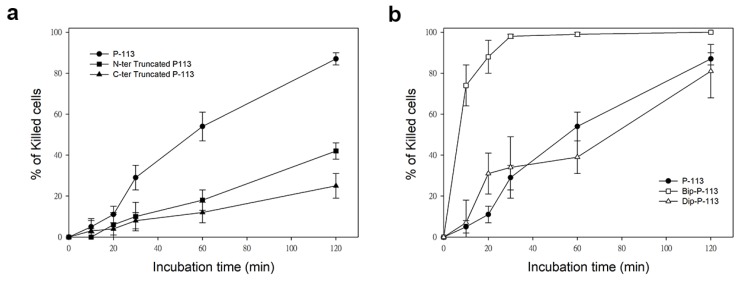
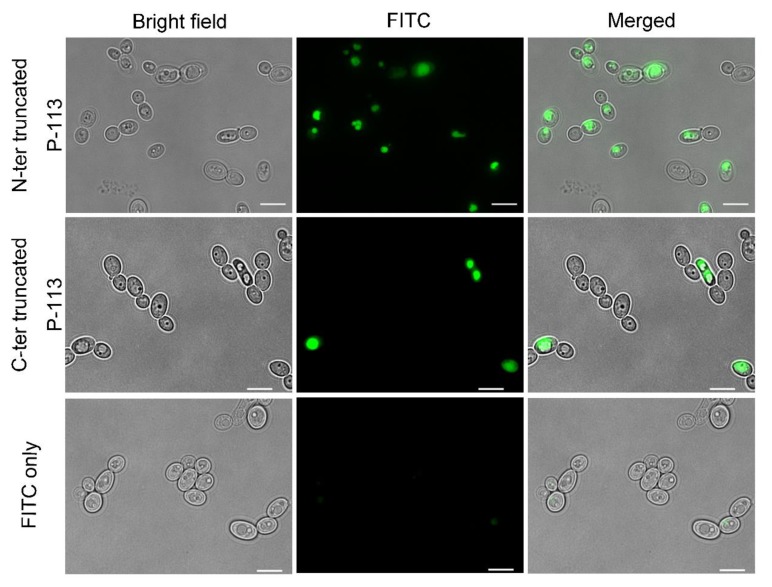
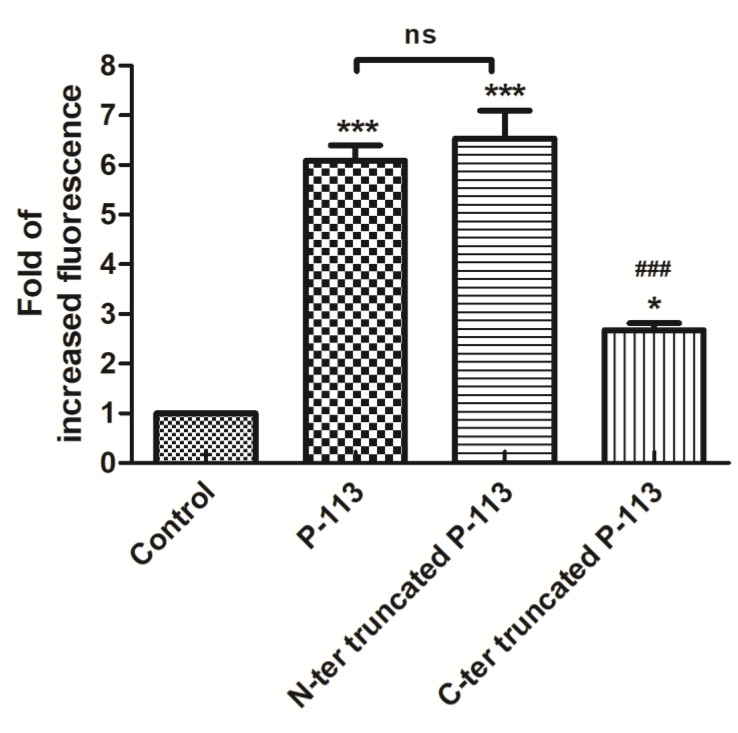
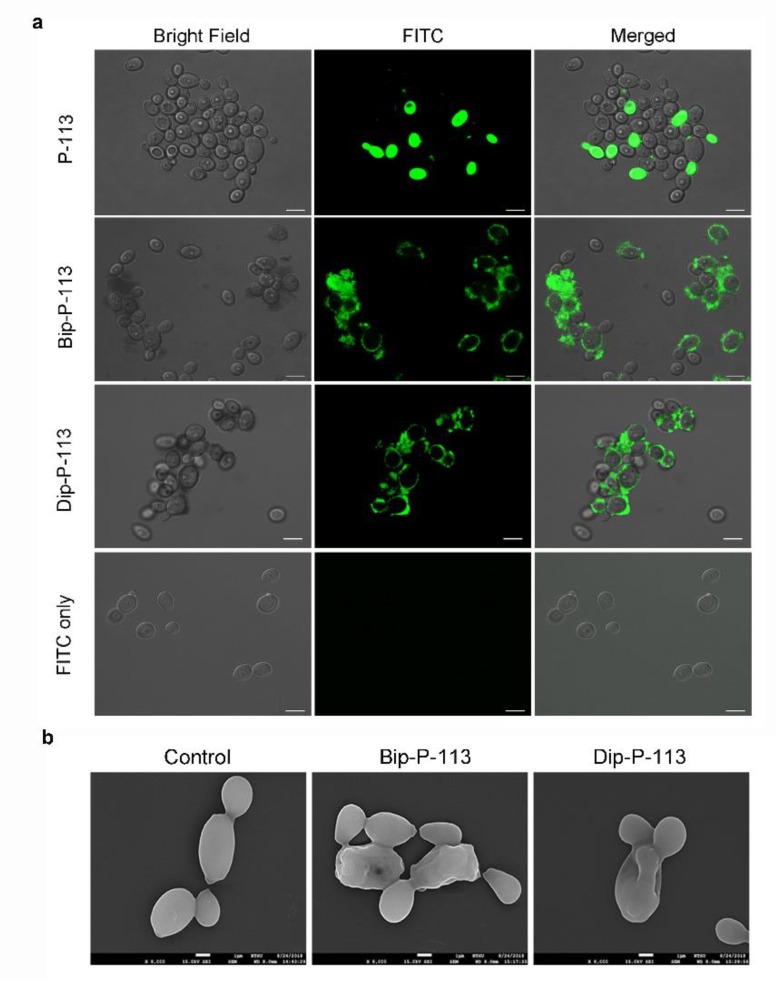
In the absence of proper immunity, such as in the case of acquired immune deficiency syndrome (AIDS) patients, , the most common human fungal pathogen, may cause mucosal and even life-threatening systemic infections. P-113 (AKRHHGYKRKFH), an antimicrobial peptide (AMP) derived from the human salivary protein histatin 5, shows good safety and efficacy profiles in gingivitis and human immunodeficiency virus (HIV) patients with oral candidiasis. However, little is known about how P-113 interacts with or its degradation by -secreted proteases that contribute to the fungi's resistance. Here, we use solution nuclear magnetic resonance (NMR) methods to elucidate the molecular mechanism of interactions between P-113 and living cells. Furthermore, we found that proteolytic cleavage of the C-terminus prevents the entry of P-113 into cells and that increasing the hydrophobicity of the peptide can significantly increase its antifungal activity. These results could help in the design of novel antimicrobial peptides that have enhanced stability in vivo and that can have potential therapeutic applications.
在缺乏适当免疫的情况下,例如获得性免疫缺陷综合征 (AIDS) 患者,最常见的人类真菌病原体可能会引起黏膜甚至危及生命的全身性感染。源自人唾液蛋白组蛋白 5 的抗菌肽 (AMP) P-113 在牙龈炎和人类免疫缺陷病毒 (HIV) 合并口腔念珠菌病患者中具有良好的安全性和疗效。然而,人们对 P-113 如何与 相互作用或其如何被分泌的蛋白酶降解知之甚少,这些蛋白酶有助于真菌的耐药性。在这里,我们使用溶液核磁共振 (NMR) 方法阐明了 P-113 与活 细胞之间相互作用的分子机制。此外,我们发现 C 端的蛋白水解切割可阻止 P-113 进入细胞,并且增加肽的疏水性可以显著提高其抗真菌活性。这些结果有助于设计新型抗菌肽,这些肽在体内具有更高的稳定性,并具有潜在的治疗应用。