Department of Basic Science, Millennium Pain Center, Bloomington, IL, USA.
Department of Psychology, Illinois Wesleyan University, Bloomington, IL, USA.
Mol Pain. 2020 Jan-Dec;16:1744806920918057. doi: 10.1177/1744806920918057.
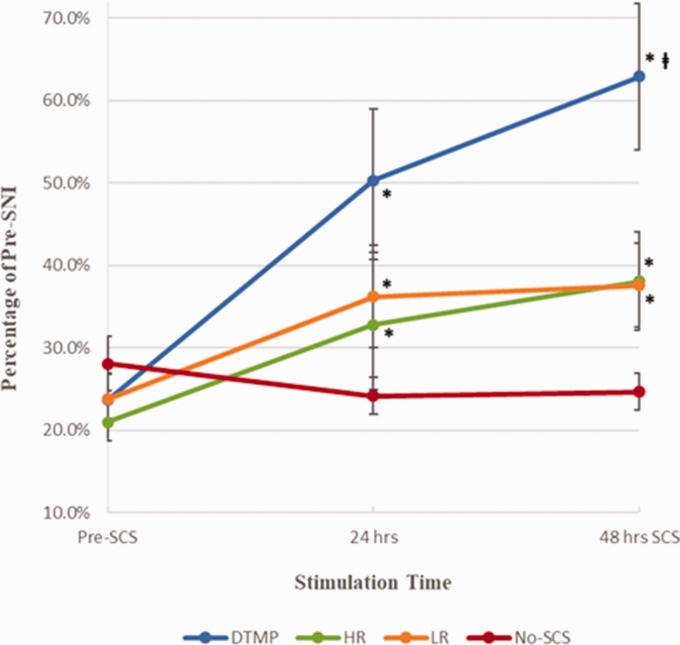
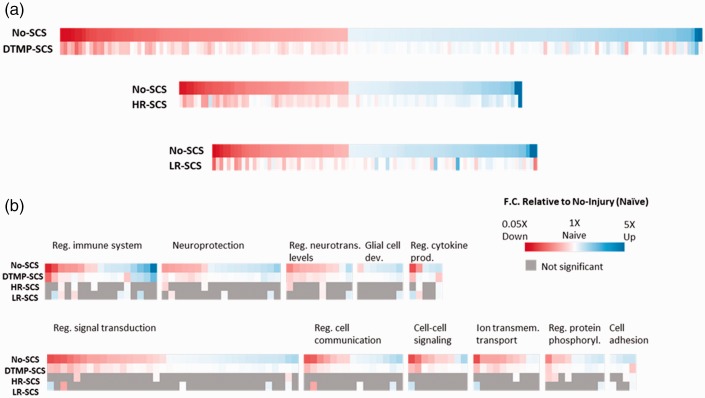
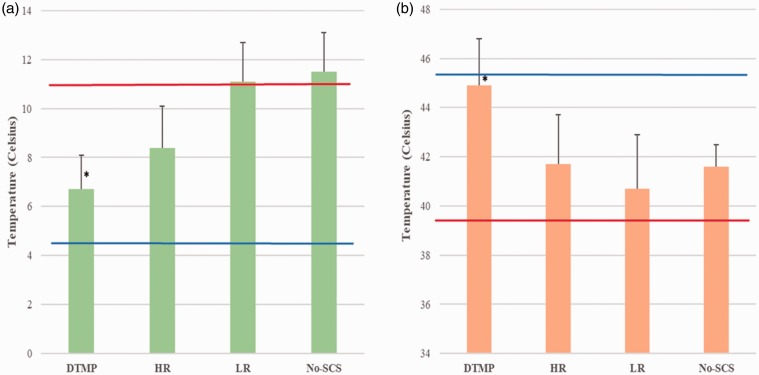
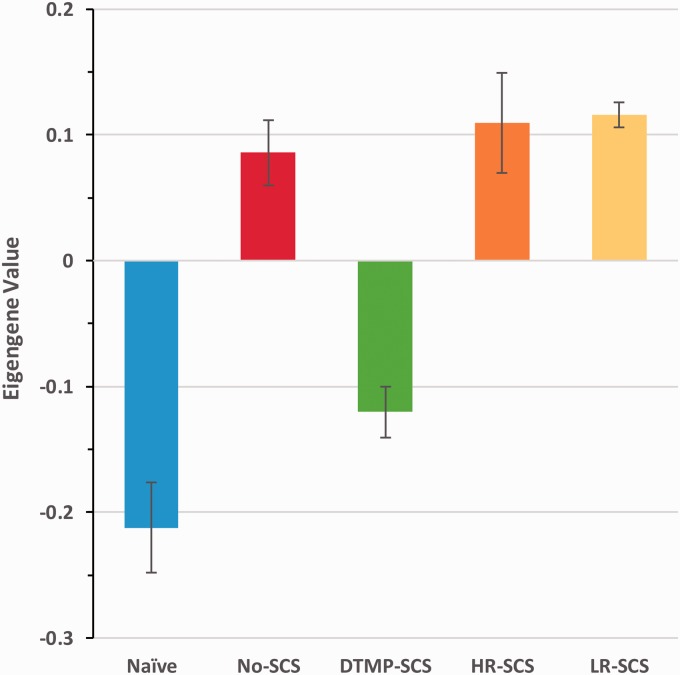
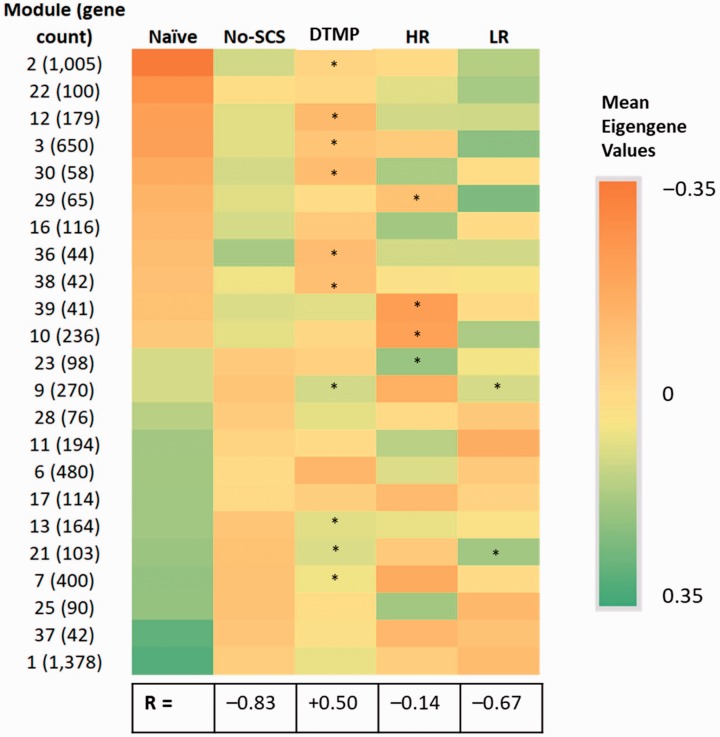
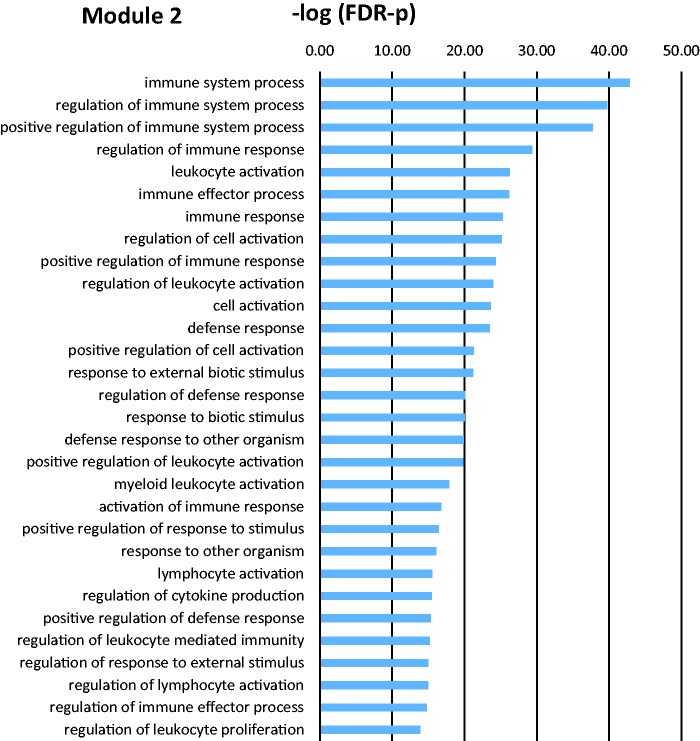
The development and maintenance of chronic neuropathic pain involves distorted neuroglial interactions, which result in prolonged perturbations of immune and inflammatory response, as well as disrupted synapses and cellular interactions. Spinal cord stimulation (SCS) has proven effective and safe for more than 40 years, but comprehensive understanding of its mode of action remains elusive. Previous work in our laboratory provided evidence that conventional SCS parameters modulate biological processes associated with neuropathic pain in animals. This inspired the development of differential target multiplexed programming (DTMP) in which multiple electrical signals are used for modulating glial cells and neurons in order to rebalance their interactions. This work compares DTMP with both low rate and high rate programming using an animal model of neuropathic pain. The spared nerve injury model was implemented in 48 rats equally randomized into four experimental groups: No-SCS, DTMP, low rate, and high rate. Naive animals (N = 7) served as a reference control. SCS was applied continuously for 48 h and pain-related behavior assessed before and after SCS. RNA from the spinal cord exposed to SCS was sequenced to determine changes in gene expression as a result of injury (No-SCS vs. naïve) and as a result of SCS (SCS vs. No-SCS). Bioinformatics tools (Weighted Gene Co-expression Network Analysis and Gene Ontology Enrichment Analysis) were used to evaluate the significance of the results. All three therapies significantly reduced mechanical hypersensitivity, although DTMP provided statistically better results overall. DTMP also reduced thermal hypersensitivity significantly. RNA-sequencing corroborated the complex effects of nerve injury on the transcriptome. In addition, DTMP provided significantly more effective modulation of genes associated with pain-related processes in returning their expression toward levels observed in naïve, noninjured animals. DTMP provides a more effective way of modulating the expression of genes involved in pain-relevant biological processes associated with neuroglial interactions.
慢性神经性疼痛的发展和维持涉及神经胶质相互作用的扭曲,这导致免疫和炎症反应的长时间波动,以及突触和细胞相互作用的破坏。脊髓刺激 (SCS) 已经被证明在超过 40 年的时间里是有效和安全的,但对其作用机制的全面理解仍然难以捉摸。我们实验室的先前工作提供了证据,表明传统的 SCS 参数调节与动物神经性疼痛相关的生物过程。这激发了差分靶向复用编程 (DTMP) 的发展,其中使用多个电信号来调节神经胶质细胞和神经元,以重新平衡它们的相互作用。这项工作比较了 DTMP 与低速率和高速率编程在神经性疼痛动物模型中的作用。在神经损伤模型中,48 只大鼠被平均随机分为四组实验:无 SCS、DTMP、低速率和高速率。7 只未受伤的动物(N=7)作为参考对照。SCS 持续应用 48 小时,并在 SCS 前后评估疼痛相关行为。对暴露于 SCS 的脊髓的 RNA 进行测序,以确定损伤(无 SCS 与未受伤)和 SCS(SCS 与无 SCS)结果的基因表达变化。生物信息学工具(加权基因共表达网络分析和基因本体论富集分析)用于评估结果的意义。所有三种疗法都显著减轻了机械性过敏,但 DTMP 总体上提供了统计学上更好的结果。DTMP 还显著降低了热过敏。RNA 测序证实了神经损伤对转录组的复杂影响。此外,DTMP 还显著更有效地调节了与疼痛相关过程相关的基因,使其表达恢复到未受伤、未受伤动物的水平。DTMP 提供了一种更有效的调节与神经胶质相互作用相关的疼痛相关生物学过程相关基因表达的方法。