Department of Molecular Cell Biology and Immunology, Amsterdam Infection and Immunity Institute, Amsterdam UMC, Vrije Universiteit Amsterdam, Amsterdam, Netherlands.
Tytgat Institute for Gastro Intestinal and Liver Research, Amsterdam Gastroenterology Endocrinology and Metabolism Research Institute, Amsterdam UMC, University of Amsterdam, Amsterdam, Netherlands.
Front Immunol. 2020 Mar 31;11:551. doi: 10.3389/fimmu.2020.00551. eCollection 2020.
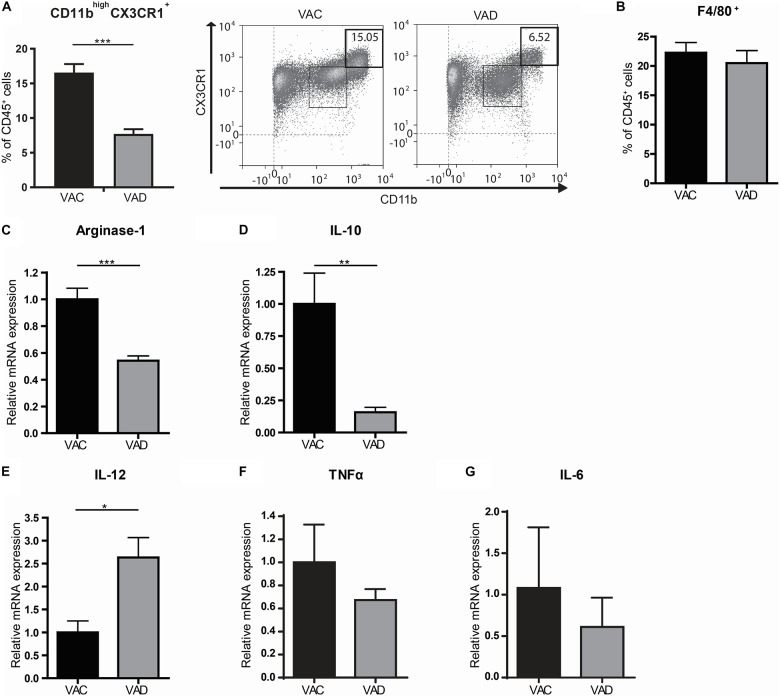
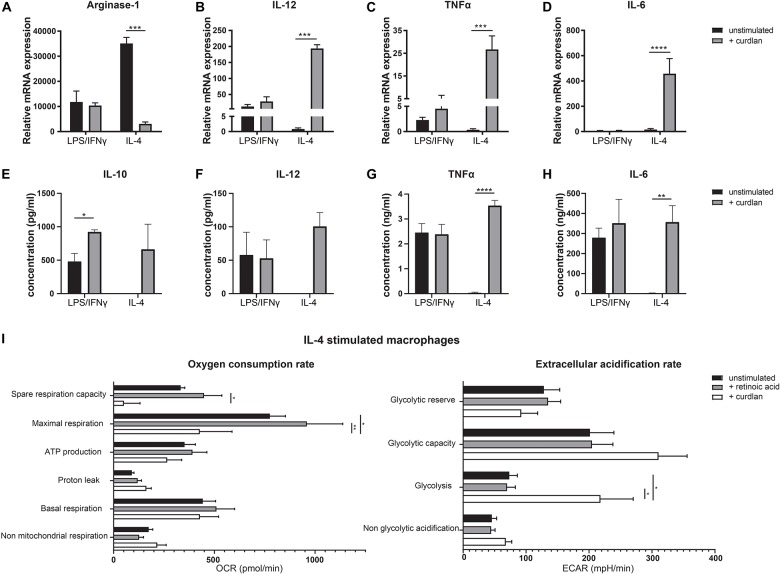
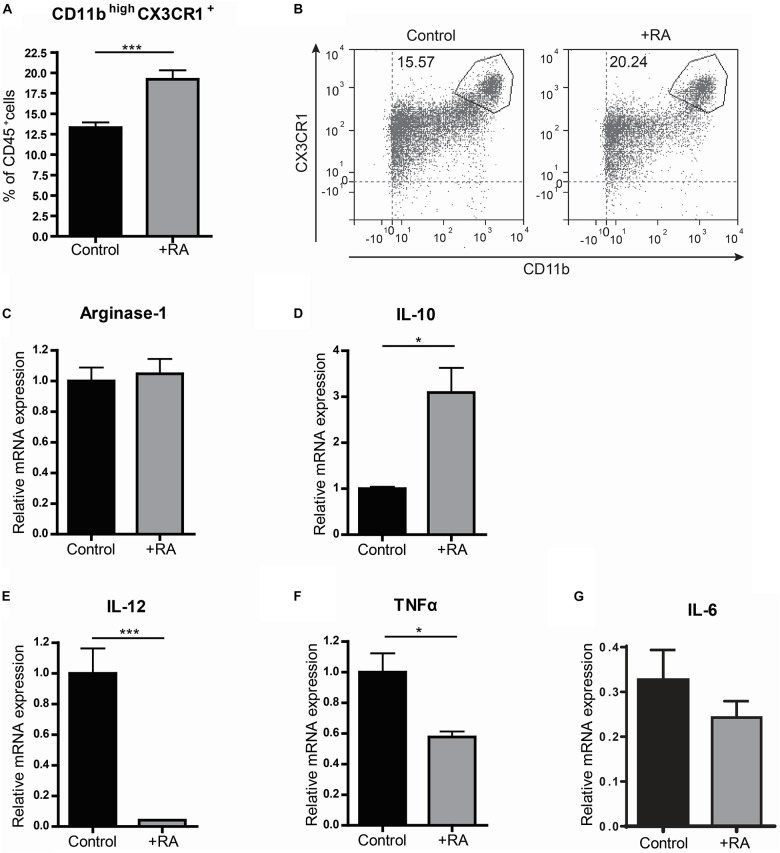
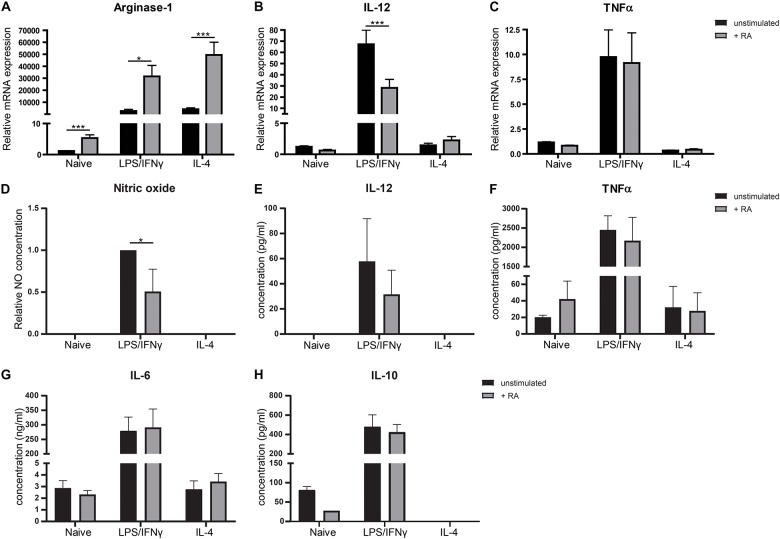
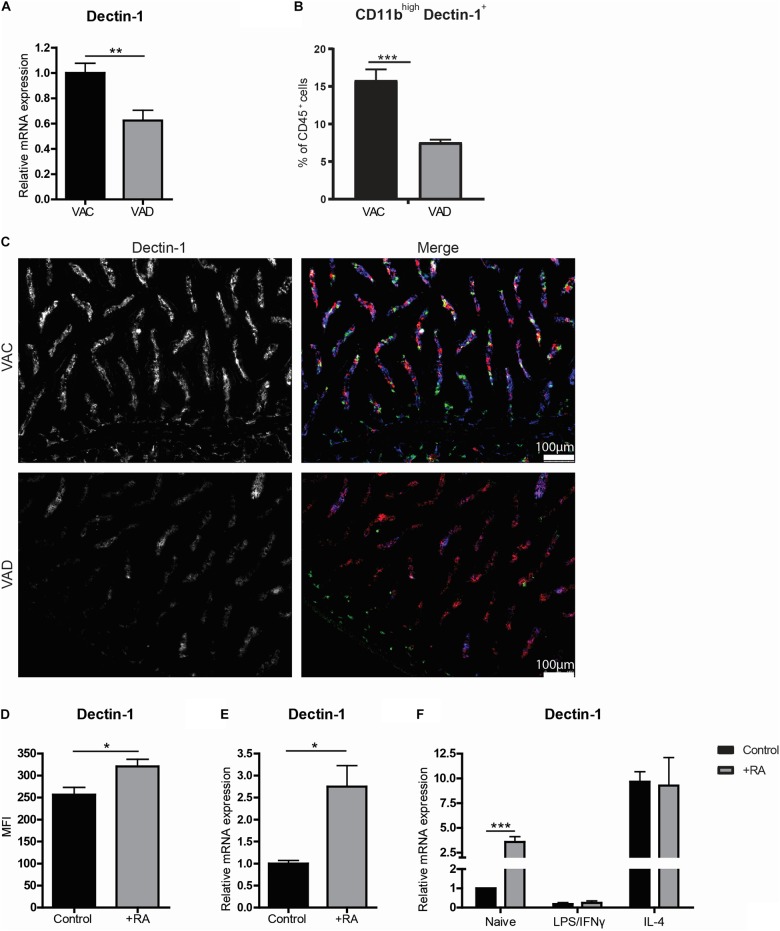
Tissue resident intestinal macrophages are known to exhibit an anti-inflammatory phenotype and produce little pro-inflammatory cytokines upon TLR ligation, allowing symbiotic co-existence with the intestinal microbiota. However, upon acute events such as epithelial damage and concomitant influx of microbes, these macrophages must be able to quickly mount a pro-inflammatory response while more inflammatory macrophages are recruited from the blood stream simultaneously. Here, we show that dietary intake of vitamin A is required for the maintenance of the anti-inflammatory state of tissue resident intestinal macrophages. Interestingly, these anti-inflammatory macrophages were characterized by high levels of Dectin-1 expression. We show that Dectin-1 expression is enhanced by the vitamin A metabolite retinoic acid and our data suggests that Dectin-1 triggering might provide a switch to induce a rapid production of pro-inflammatory cytokines. In addition, Dectin-1 stimulation resulted in an altered metabolic profile which is linked to a pro-inflammatory response. Together, our data suggests that presence of vitamin A in the small intestine enhances an anti-inflammatory phenotype as well as Dectin-1 expression by macrophages and that this anti-inflammatory phenotype can rapidly convert toward a pro-inflammatory state upon Dectin-1 signaling.
组织驻留的肠道巨噬细胞以表现出抗炎表型而闻名,在 TLR 连接后产生很少的促炎细胞因子,从而允许与肠道微生物群共生共存。然而,在急性事件(如上皮损伤和同时伴随的微生物涌入)发生时,这些巨噬细胞必须能够迅速引发促炎反应,同时从血液中募集更多的炎症巨噬细胞。在这里,我们表明,维生素 A 的饮食摄入是维持组织驻留的肠道巨噬细胞抗炎状态所必需的。有趣的是,这些抗炎性巨噬细胞的特征是高水平的 Dectin-1 表达。我们表明,维生素 A 代谢产物视黄酸增强了 Dectin-1 的表达,我们的数据表明,Dectin-1 触发可能提供一个开关来诱导促炎细胞因子的快速产生。此外,Dectin-1 刺激导致代谢谱发生改变,与促炎反应有关。总之,我们的数据表明,小肠中维生素 A 的存在增强了巨噬细胞的抗炎表型和 Dectin-1 表达,并且这种抗炎表型可以在 Dectin-1 信号转导后迅速向促炎状态转化。