Li Jun, Zhang Yu-Jue, Lv Zhao-Yong, Liu Kun, Meng Chun-Xiu, Zou Bo, Li Ke-Yi, Liu Feng-Zhen, Zhang Bin
Department of Oral and Maxillofacial Surgery, School and Hospital of Stomatology, Shandong University & Shandong Provincial Key Laboratory of Oral Tissue Regeneration & Shandong Engineering Laboratory for Dental Materials and Oral Tissue Regeneration, Jinan, Shandong 250012, People's Republic of China.
Liaocheng People's Hospital, Medical College of Liaocheng University, Liaocheng 252000, People's Republic of China.
Regen Biomater. 2020 Mar;7(2):203-211. doi: 10.1093/rb/rbz053. Epub 2020 Jan 25.
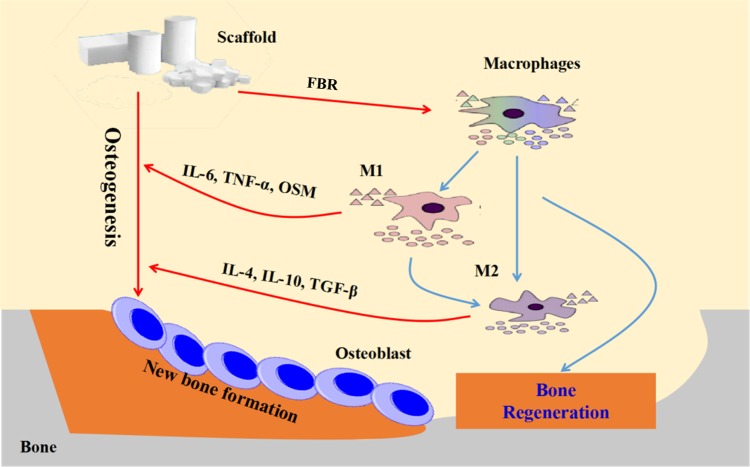
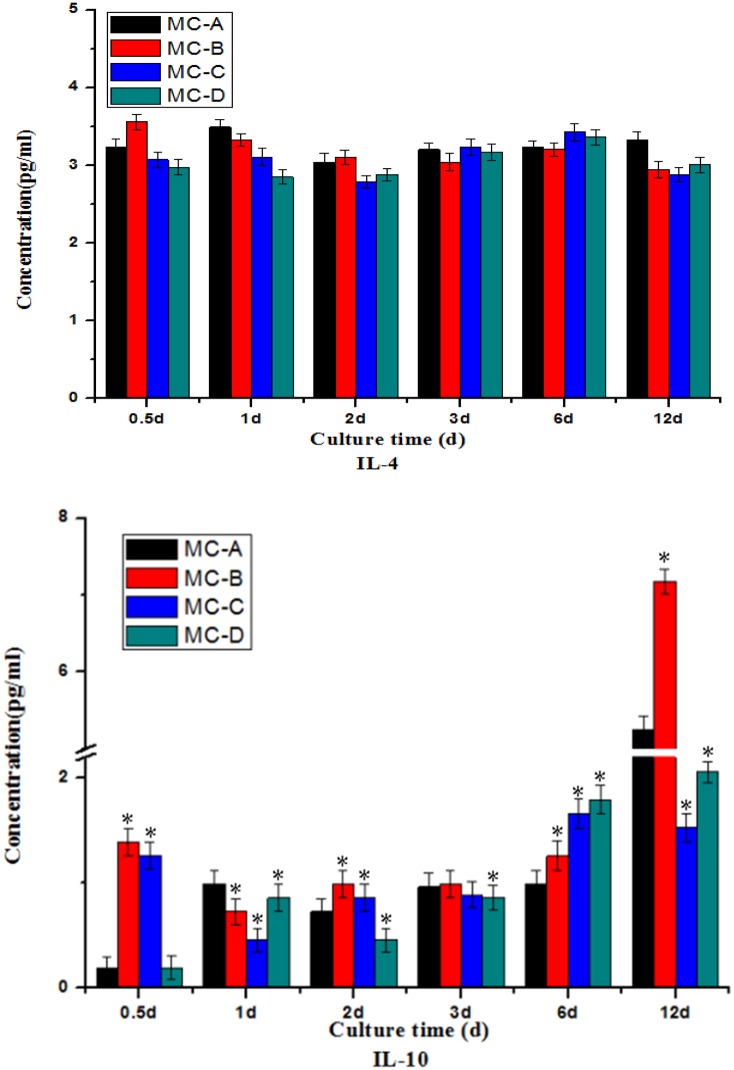
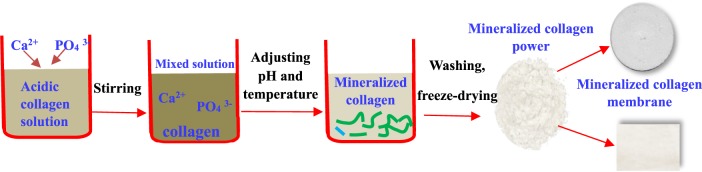
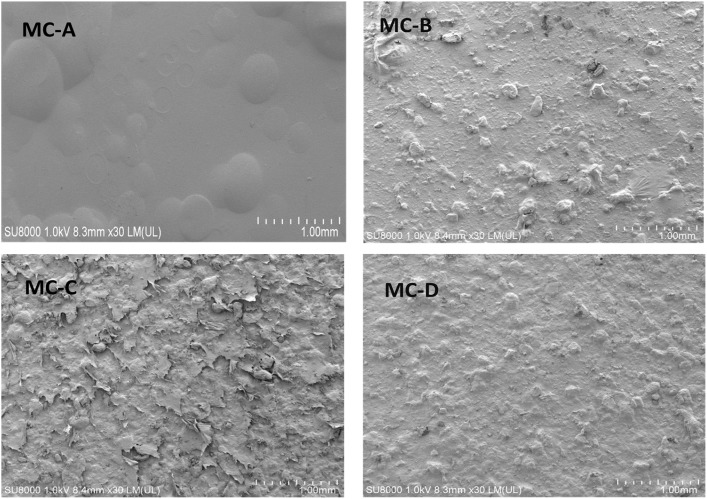
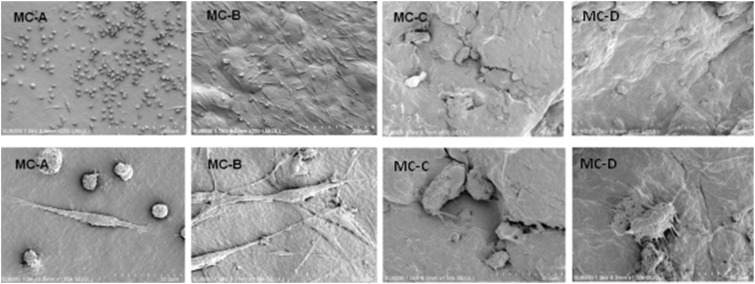
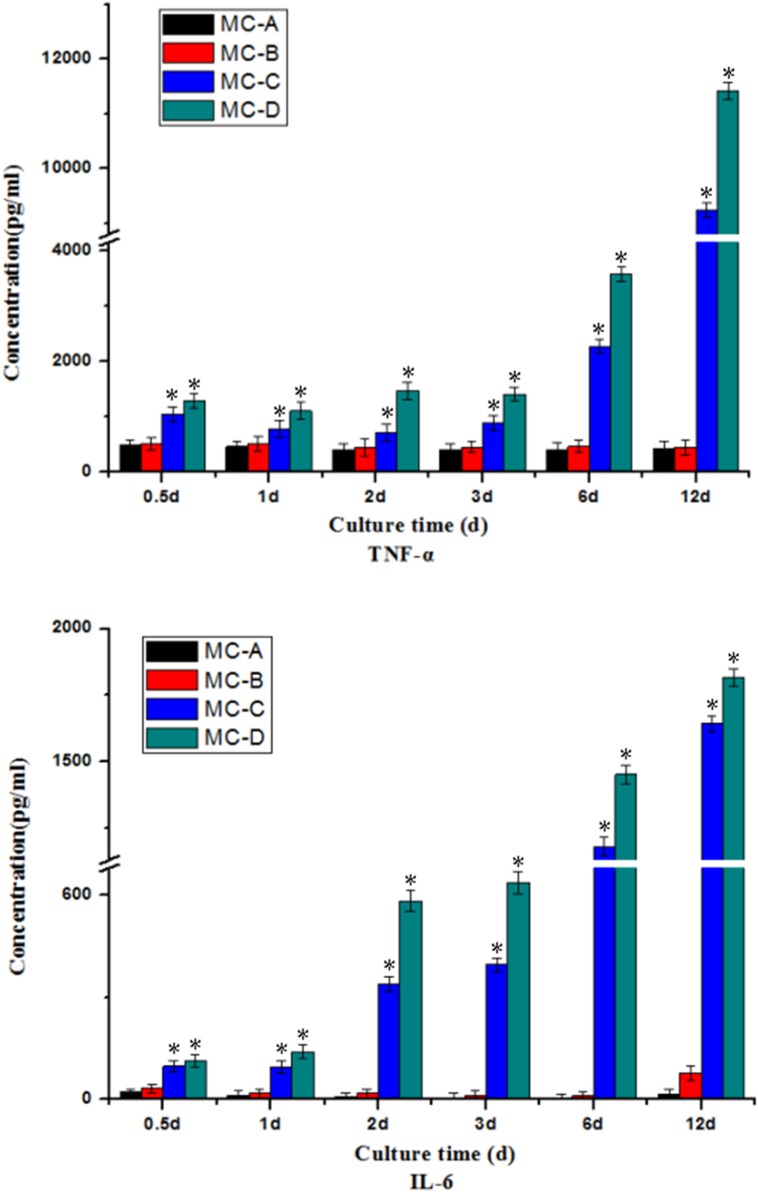
Biomaterials regulate macrophages and promote regeneration function, which is a new hot pot in tissue engineering and regenerative medicine. The research based on macrophage materials biology has appeared happy future, but related research on regulating macrophages and promoting tissue regeneration is still in its infancy. The surface roughness of biomaterials is one of the important factors affecting macrophage behavior. Previous study also found that the surface roughness of many biomaterials regulating macrophage polarization, but not including mineralized collagen (MC). In this study, we designed and fabricated MC with different roughness and investigated the influence of MC with different roughness on macrophages. In the study, we found that on the rough surface of MC, macrophages exhibited M1 phenotype-amoeboid morphology and high-level secretory of inflammatory factor (tumor necrosis factor-α and interleukin-6), while smoother surface exhibited M2 phenotype. These data will be beneficial to understand the mechanism deeply and enrich biomaterials tissue regeneration theory, provide a new train of thought biomaterials inducing tissue regeneration and repair and guide the optimum design of new biomaterials, development and reasonable applications.
生物材料可调节巨噬细胞并促进再生功能,这是组织工程和再生医学领域的一个新热点。基于巨噬细胞材料生物学的研究已展现出良好前景,但在调节巨噬细胞和促进组织再生方面的相关研究仍处于起步阶段。生物材料的表面粗糙度是影响巨噬细胞行为的重要因素之一。先前的研究还发现,许多生物材料的表面粗糙度可调节巨噬细胞极化,但矿化胶原(MC)除外。在本研究中,我们设计并制备了具有不同粗糙度的MC,并研究了不同粗糙度的MC对巨噬细胞的影响。在该研究中,我们发现,在MC的粗糙表面上,巨噬细胞呈现出M1表型——阿米巴样形态,并高水平分泌炎性因子(肿瘤坏死因子-α和白细胞介素-6),而较光滑表面则呈现出M2表型。这些数据将有助于深入理解其机制,丰富生物材料组织再生理论,为生物材料诱导组织再生和修复提供新的思路,并指导新型生物材料的优化设计、开发及合理应用。