Department of Pathology, University of California, San Diego, La Jolla, California, United States of America.
Department of Medicine, University of California, San Diego, La Jolla, California, United States of America.
PLoS Negl Trop Dis. 2020 Apr 17;14(4):e0008224. doi: 10.1371/journal.pntd.0008224. eCollection 2020 Apr.
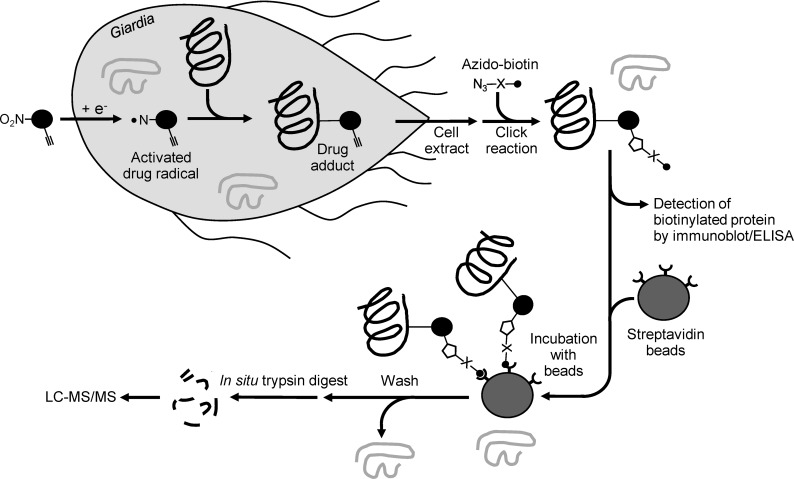
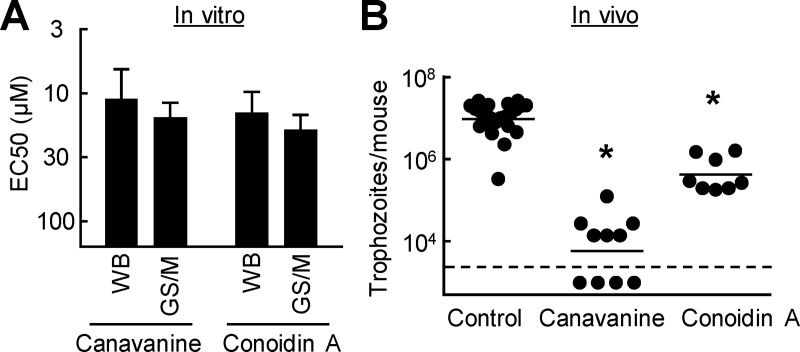
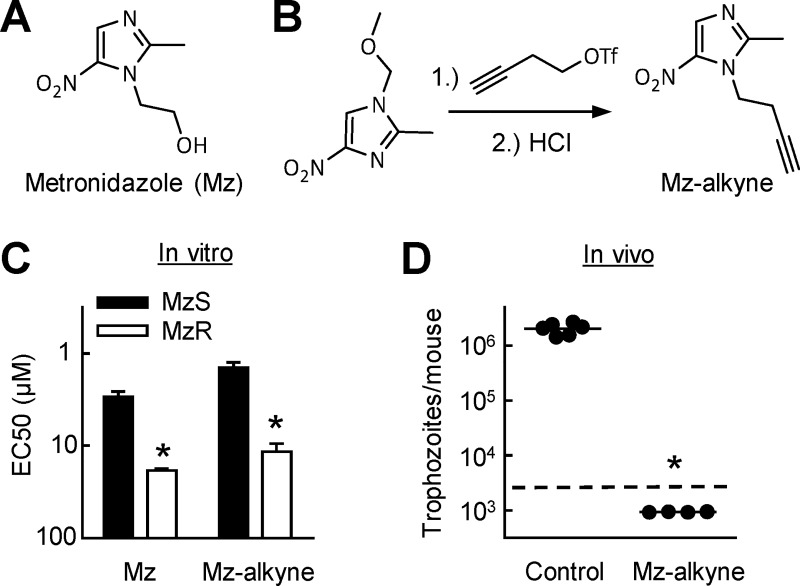
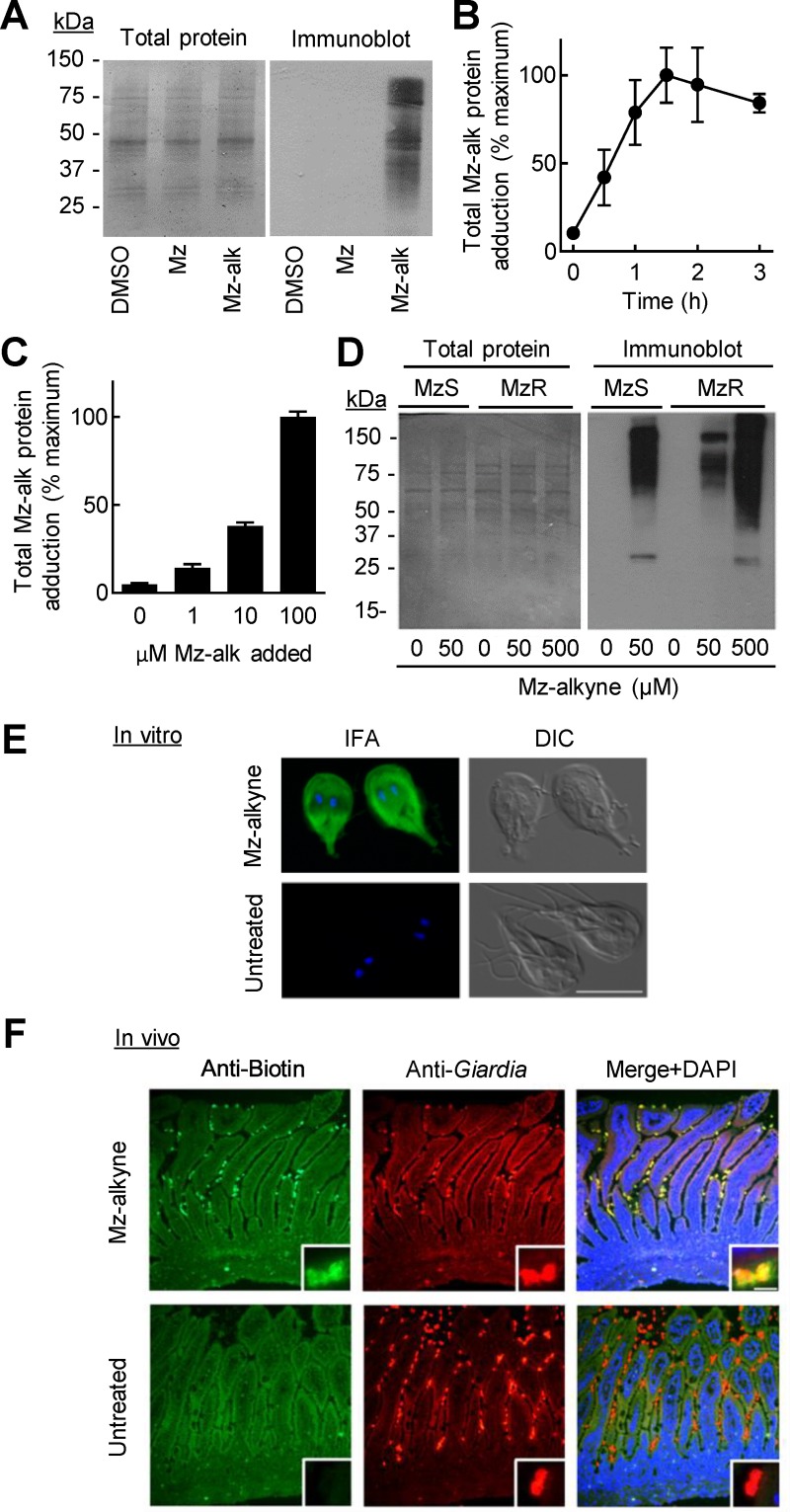
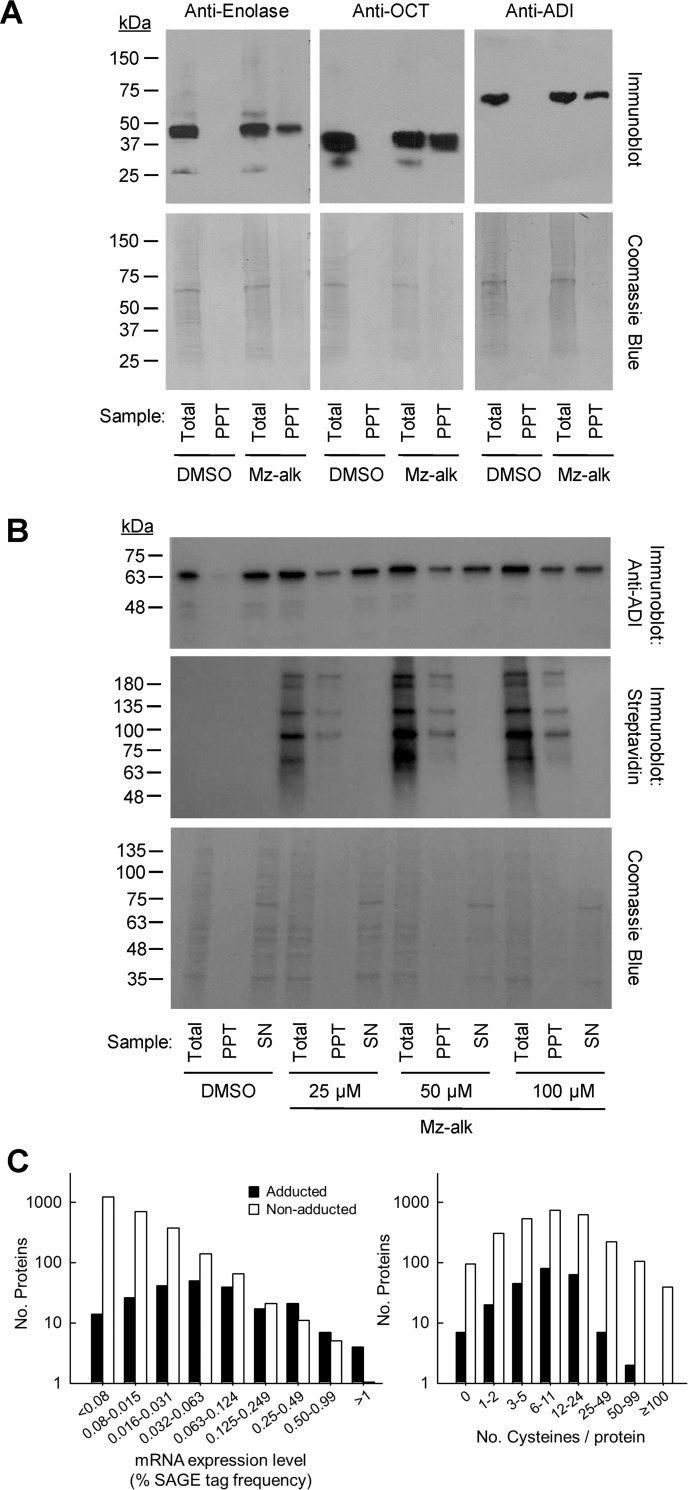
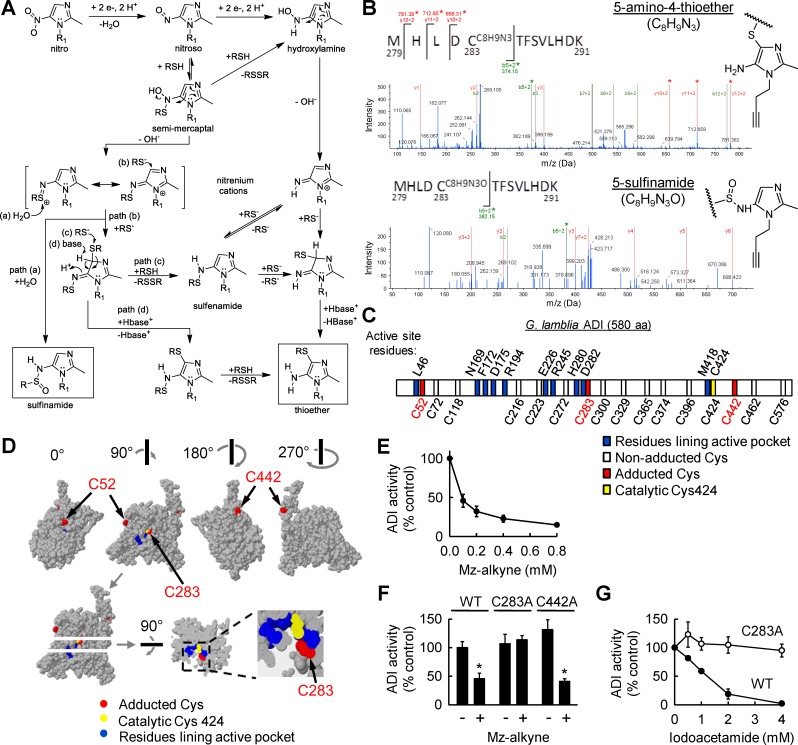
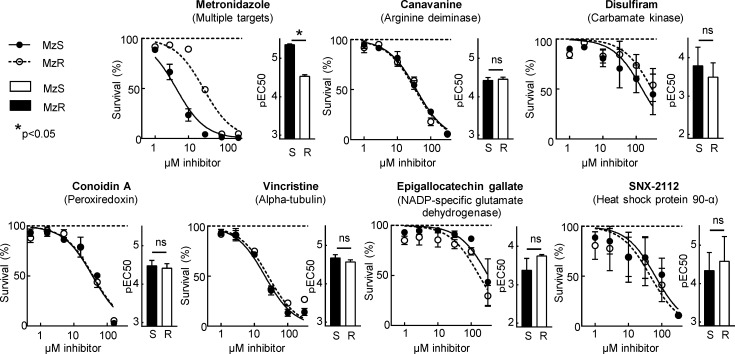
Giardiasis and other protozoan infections are major worldwide causes of morbidity and mortality, yet development of new antimicrobial agents with improved efficacy and ability to override increasingly common drug resistance remains a major challenge. Antimicrobial drug development typically proceeds by broad functional screens of large chemical libraries or hypothesis-driven exploration of single microbial targets, but both strategies have challenges that have limited the introduction of new antimicrobials. Here, we describe an alternative drug development strategy that identifies a sufficient but manageable number of promising targets, while reducing the risk of pursuing targets of unproven value. The strategy is based on defining and exploiting the incompletely understood adduction targets of 5-nitroimidazoles, which are proven antimicrobials against a wide range of anaerobic protozoan and bacterial pathogens. Comprehensive adductome analysis by modified click chemistry and multi-dimensional proteomics were applied to the model pathogen Giardia lamblia to identify dozens of adducted protein targets common to both 5'-nitroimidazole-sensitive and -resistant cells. The list was highly enriched for known targets in G. lamblia, including arginine deiminase, α-tubulin, carbamate kinase, and heat shock protein 90, demonstrating the utility of the approach. Importantly, over twenty potential novel drug targets were identified. Inhibitors of two representative new targets, NADP-specific glutamate dehydrogenase and peroxiredoxin, were found to have significant antigiardial activity. Furthermore, all the identified targets remained available in resistant cells, since giardicidal activity of the respective inhibitors was not impacted by resistance to 5'-nitroimidazoles. These results demonstrate that the combined use of click chemistry and proteomics has the potential to reveal alternative drug targets for overcoming antimicrobial drug resistance in protozoan parasites.
贾第虫病和其他原生动物感染是全球发病率和死亡率的主要原因,但开发具有更高疗效和克服日益普遍的耐药性的新型抗菌药物仍然是一个主要挑战。抗菌药物的开发通常通过广泛的化学文库功能筛选或针对单个微生物靶标的假设驱动探索进行,但这两种策略都存在挑战,限制了新抗菌药物的引入。在这里,我们描述了一种替代药物开发策略,该策略可以识别足够但可管理数量的有前途的靶标,同时降低追求未经证实的靶标的风险。该策略基于定义和利用 5-硝基咪唑类化合物的不完全了解的加合物靶标,5-硝基咪唑类化合物是针对广泛的厌氧原生动物和细菌病原体的有效抗菌药物。通过改良的点击化学和多维蛋白质组学对模型病原体蓝氏贾第鞭毛虫进行全面的加合物组分析,鉴定出数十种与 5'-硝基咪唑敏感和耐药细胞共有的加合物蛋白靶标。该列表高度富含蓝氏贾第鞭毛虫中的已知靶标,包括精氨酸脱亚氨酶、α-微管蛋白、氨基甲酰激酶和热休克蛋白 90,证明了该方法的实用性。重要的是,确定了二十多个潜在的新靶标。发现两种代表性新靶标(NADP 特异性谷氨酸脱氢酶和过氧化物还原酶)的抑制剂具有显著的抗贾第虫活性。此外,所有鉴定的靶标在耐药细胞中仍然可用,因为各自抑制剂的杀贾第虫活性不受对 5'-硝基咪唑类药物的耐药性影响。这些结果表明,点击化学和蛋白质组学的联合使用有可能揭示克服原生动物寄生虫中抗菌药物耐药性的替代药物靶标。