Division of Gastroenterology, Hepatology and Nutrition, Jacobs School of Medicine and Biomedical Sciences, University at Buffalo, Buffalo, NY, United States of America.
Department of Biostatistics, School of Public Health and Health Professions, University at Buffalo, Buffalo, NY, United States of America.
PLoS One. 2020 Apr 17;15(4):e0231467. doi: 10.1371/journal.pone.0231467. eCollection 2020.
Despite the World Health Organization listing methadone as an essential medication, effective dose selection is challenging, especially in racial and ethnic minority populations. Subtherapeutic doses can result in withdrawal symptoms while supratherapeutic doses can result in overdose and death. Although CYP3A4 was conventionally considered the principal methadone metabolizing enzyme, more recent data have identified CYP2B6 as the principal enzyme. CYP2B6 has ethnically-associated polymorphisms that affect the metabolic rate. Our objective was to investigate the effects of genetic and nongenetic factors on methadone metabolism.
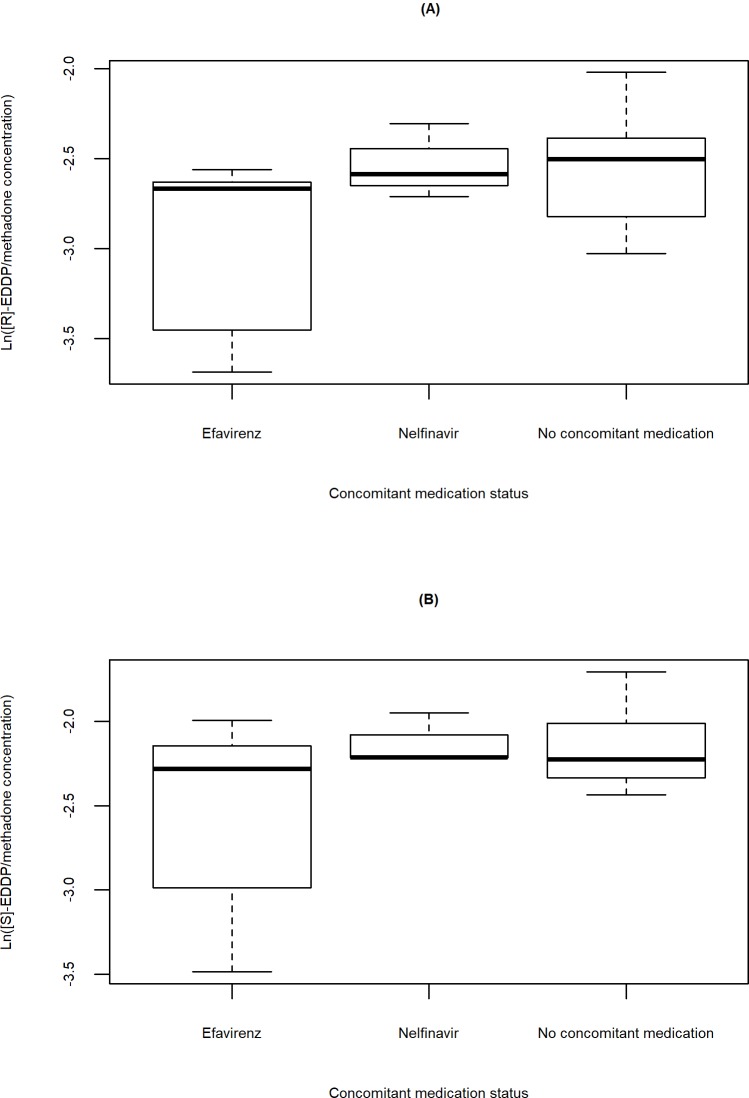
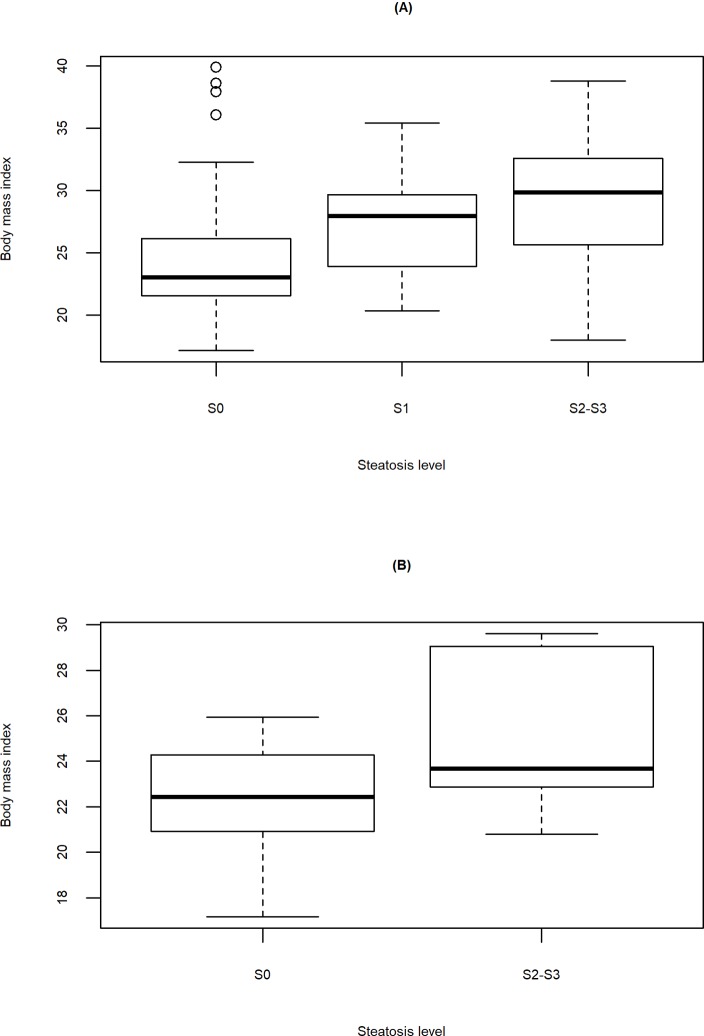
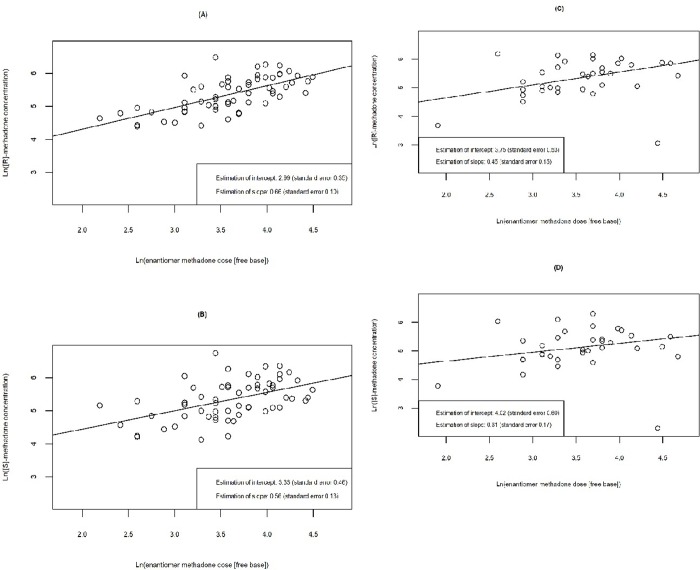
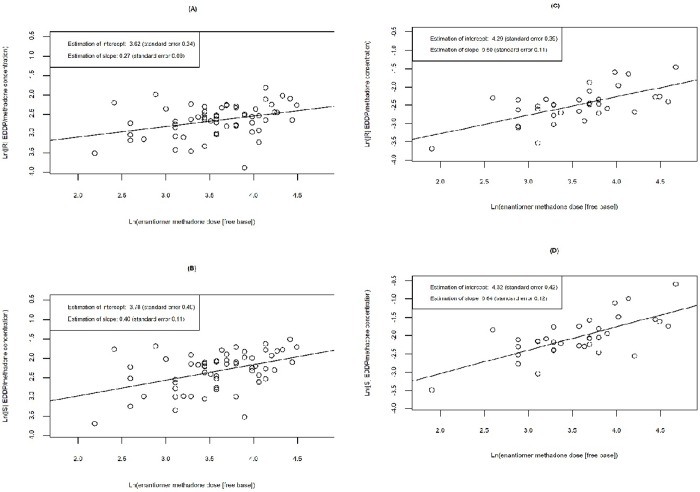
We measured trough plasma methadone levels in 100 participants with opioid use disorder. We assessed methadone metabolism by calculating the metabolite ratio (major metabolite: 2-ethylidene-1,5-dimethyl-3,3-diphenylpyrrolidine [EDDP] divided by methadone concentration). We assessed hepatic fibrosis and steatosis by transient elastography and CYP2B6 alleles, principally responsible for methadone metabolism. Mixed effects models modeled the data in 97 participants.
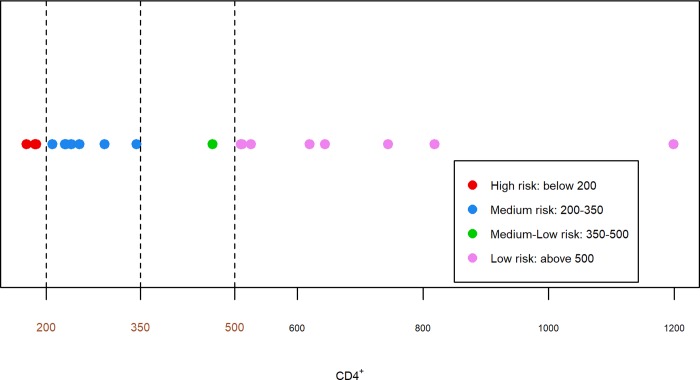
Participants were largely male (58%), minority (61% African American) and non-Hispanic (68%). Forty percent were HCV mono-infected, 40% were uninfected, and 20% were HCV/HIV co-infected. Female sex had significant effects on (R)- and (S)-methadone metabolism (p = 0.016 and p = 0.044, respectively). CYP2B6 loss of function (LOF) alleles significantly affected (S)-methadone metabolism (p = 0.012). Body mass index (BMI) significantly affected (R)-methadone metabolism (p = 0.034). Methadone metabolism appeared to be lower in males, in individuals with LOF alleles, and elevated BMI.
Genetic analysis, especially in minority populations, is essential to delivering individualized treatments. Although the principal methadone metabolizing enzyme remains controversial, our results suggest that sex, CYP2B6 genotype, and BMI should be incorporated into multivariate models to create methadone dosing algorithms. Methadone dosing algorithms should facilitate medication delivery, improve patient satisfaction, and diminish overdose potential.
尽管世界卫生组织将美沙酮列为基本药物,但有效剂量的选择仍具有挑战性,尤其是在少数族裔人群中。治疗剂量不足可能导致戒断症状,而治疗剂量过高则可能导致过量和死亡。尽管 CYP3A4 通常被认为是美沙酮的主要代谢酶,但最近的数据表明 CYP2B6 是主要的酶。CYP2B6 存在与种族相关的多态性,影响代谢率。我们的目的是研究遗传和非遗传因素对美沙酮代谢的影响。
我们测量了 100 名阿片类药物使用障碍患者的谷血浆美沙酮水平。我们通过计算代谢产物比值(主要代谢产物:2-亚乙基-1,5-二甲基-3,3-二苯基吡咯烷[EDDP]与美沙酮浓度之比)来评估美沙酮代谢。我们通过瞬时弹性成像评估肝纤维化和脂肪变性,并评估主要负责美沙酮代谢的 CYP2B6 等位基因。混合效应模型对 97 名参与者的数据进行建模。
参与者主要为男性(58%)、少数族裔(61%为非裔美国人)和非西班牙裔(68%)。40%为 HCV 单感染,40%未感染,20%为 HCV/HIV 合并感染。女性对(R)-和(S)-美沙酮代谢有显著影响(p=0.016 和 p=0.044)。CYP2B6 失活(LOF)等位基因对(S)-美沙酮代谢有显著影响(p=0.012)。体重指数(BMI)对(R)-美沙酮代谢有显著影响(p=0.034)。男性、LOF 等位基因携带者和 BMI 升高的个体,美沙酮代谢似乎较低。
遗传分析,尤其是在少数族裔人群中,对于提供个体化治疗至关重要。尽管主要的美沙酮代谢酶仍存在争议,但我们的结果表明,性别、CYP2B6 基因型和 BMI 应纳入多变量模型,以创建美沙酮剂量算法。美沙酮剂量算法应有助于药物输送,提高患者满意度,并降低过量的可能性。