Department of Biomedical Engineering, University of Groningen and University Medical Center Groningen, Antonius Deusinglaan 1, 9713 AV, Groningen, The Netherlands.
Department of Oral Maxillofacial Surgery, University of Groningen and University Medical Center Groningen, Groningen, The Netherlands.
Clin Oral Investig. 2020 Nov;24(11):4019-4030. doi: 10.1007/s00784-020-03272-x. Epub 2020 Apr 17.
The aims of this study are to assess different saliva substitutes for their efficacy to lubricate the oral cavity, and to relate this oral lubrication to the ability of saliva substitutes to adsorb on and change the structure of the existing salivary conditioning film (SCF).
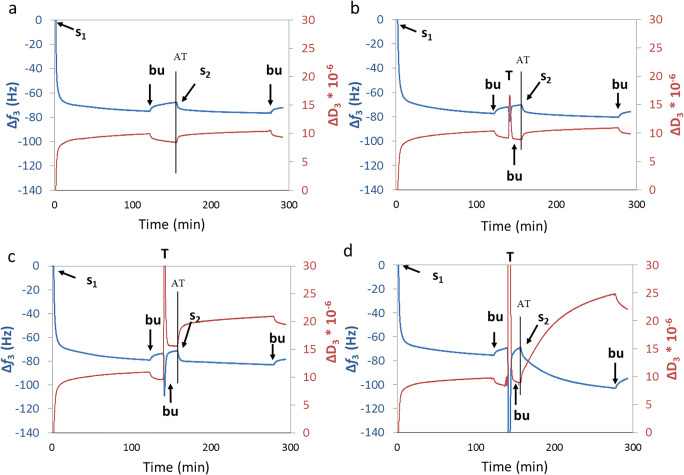
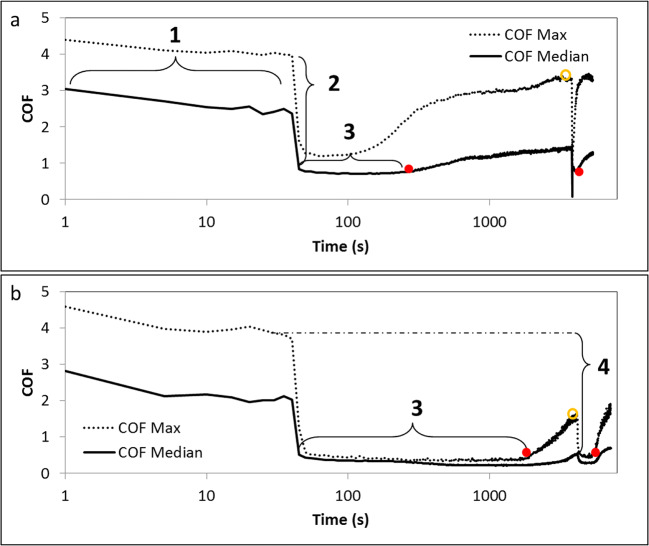
Quartz crystal microbalance with dissipation was used to study the capability of saliva substitutes to interact with natural SCF and the ability to change the secondary SCF (S-SCF). A tongue-enamel friction system mimicking xerostomic conditions was used to assess the relief and relief period expected from these substitutes under set circumstances.
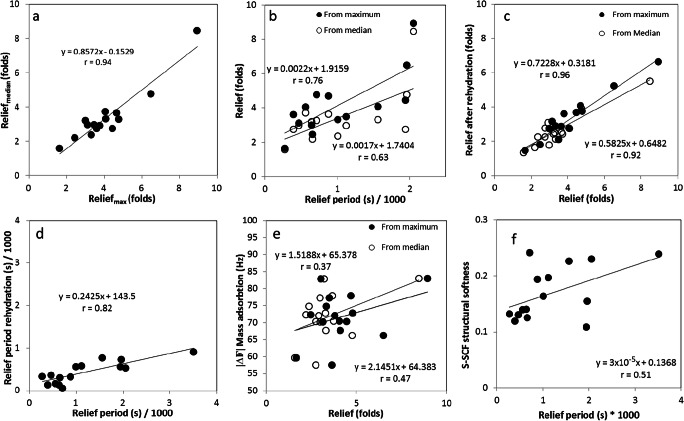
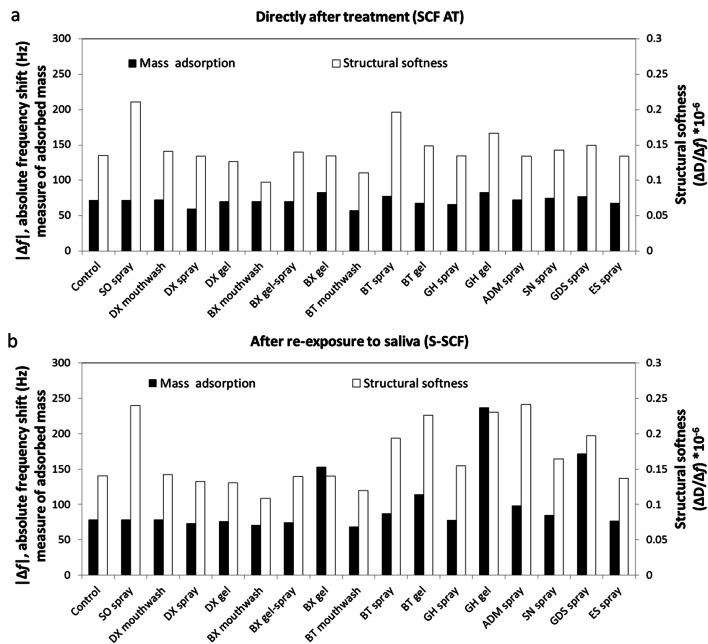
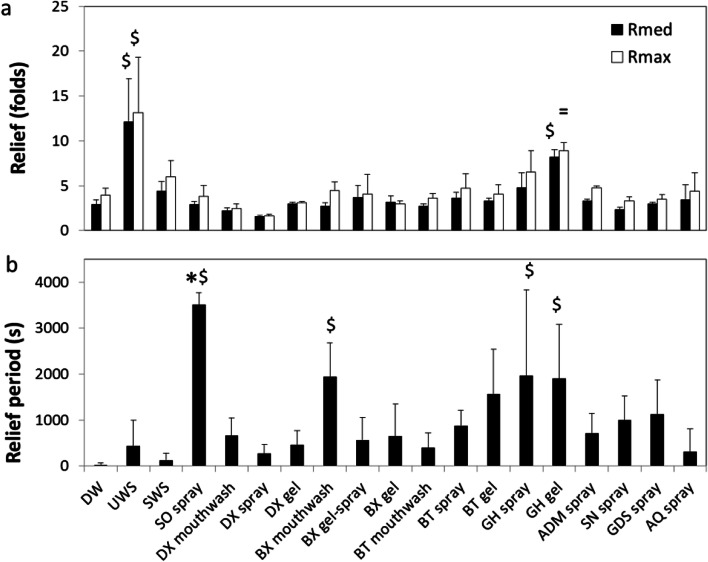
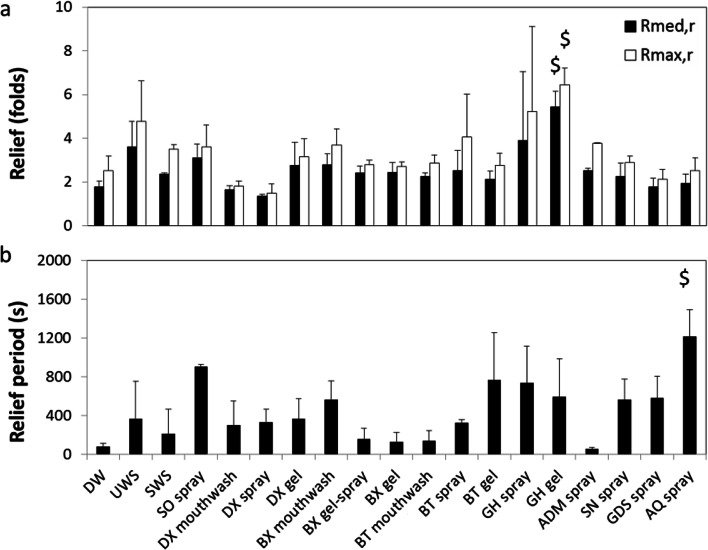
Saliva Orthana spray, Biotène spray and Gum Hydral gel had an immediate effect on a SCF, increasing its structural softness. BioXtra gel, Biotène gel, Gum Hydral gel and Glandosane spray changed the S-SCF by increasing salivary protein adsorption, while others showed no sign of interaction. With respect to relief, only 2 out of the 16 saliva substitutes tested (Saliva Orthana spray and Gum Hydral gel) performed better than water. Overall, relief period correlated positively to structural softness change, whereas a positive correlation was seen between relief and mass adsorption.
The majority of saliva substitutes did not adsorb on the SCF, thus did not enhance lubrication. Only saliva substitutes containing carrageenan, carboxymethylcellulose, pig gastric mucin, xanthan gum and carbomer performed better in enhancing oral lubrication.
This objective assessment will help clinicians and patients make better choice of saliva substitutes. This study provides a scientific basis for future improvement in saliva substitutes.
本研究旨在评估不同唾液替代品的口腔润滑效果,并将这种口腔润滑与唾液替代品吸附和改变现有唾液形成膜(SCF)结构的能力联系起来。
采用石英晶体微天平耗散技术研究唾液替代品与天然 SCF 的相互作用能力,以及改变次生 SCF(S-SCF)的能力。使用模仿干燥条件的舌-牙釉质摩擦系统,评估这些替代品在设定条件下的缓解效果和缓解期。
Saliva Orthana 喷雾、Biotène 喷雾和 Gum Hydral 凝胶对 SCF 有即时影响,增加其结构柔软度。Bioxtra 凝胶、Biotène 凝胶、Gum Hydral 凝胶和 Glandosane 喷雾通过增加唾液蛋白吸附来改变 S-SCF,而其他则没有表现出相互作用的迹象。就缓解而言,在测试的 16 种唾液替代品中,只有 2 种(Saliva Orthana 喷雾和 Gum Hydral 凝胶)的效果优于水。总体而言,缓解期与结构柔软度变化呈正相关,而缓解与质量吸附呈正相关。
大多数唾液替代品不吸附在 SCF 上,因此不能增强润滑。只有含有卡拉胶、羧甲基纤维素、猪胃粘蛋白、黄原胶和卡波姆的唾液替代品在增强口腔润滑方面表现更好。
这种客观评估将帮助临床医生和患者更好地选择唾液替代品。本研究为未来唾液替代品的改进提供了科学依据。