Research Institute of Plateau Ecology, Tibet Agriculture and Animal Husbandry University, Nyingchi, 860000, Tibet, China.
Medicinal Plants Joint Research and Development Centre, Tibet Agriculture and Animal Husbandry College-Southwest University, Nyingchi, 860000, Tibet, China.
Arch Microbiol. 2020 Sep;202(7):1717-1728. doi: 10.1007/s00203-020-01882-3. Epub 2020 Apr 20.
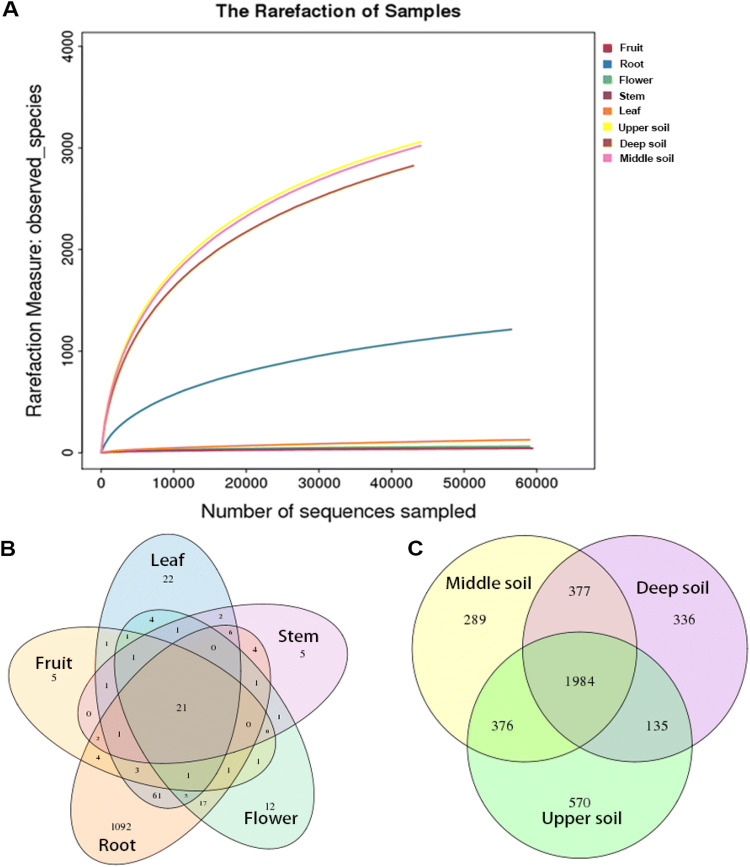
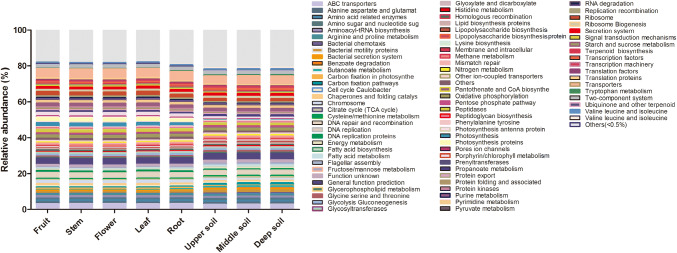
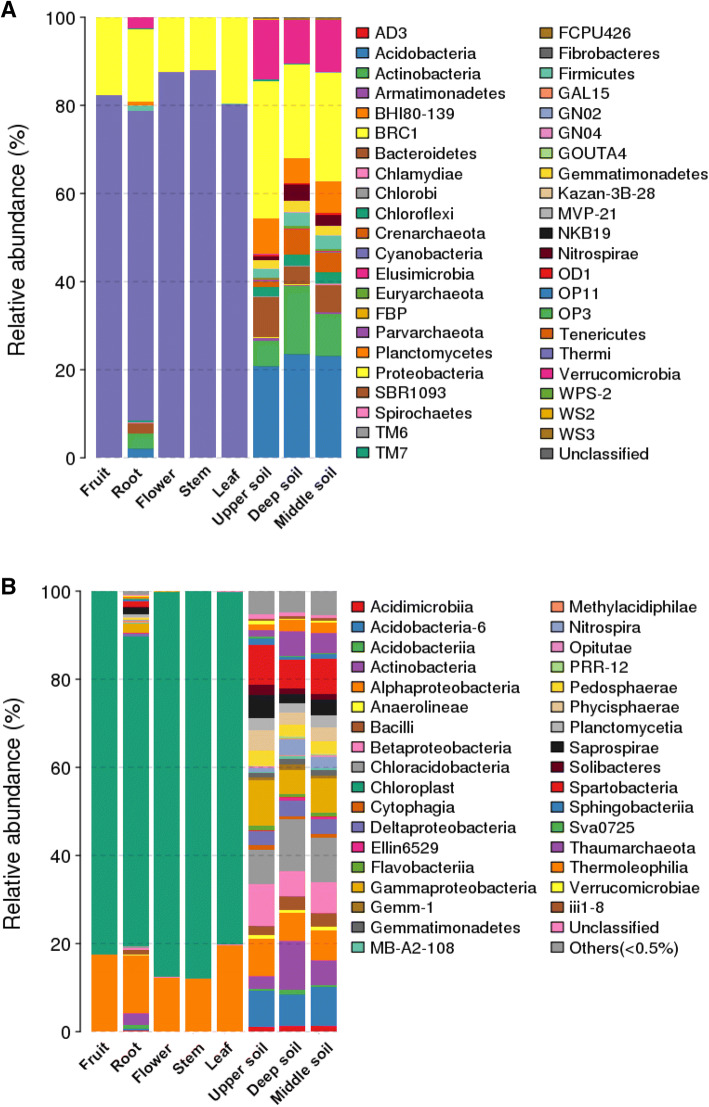
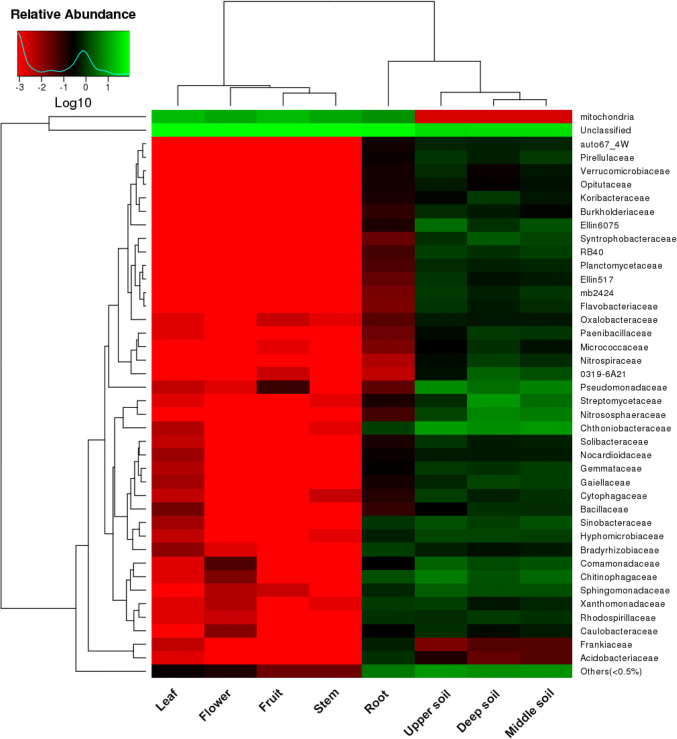
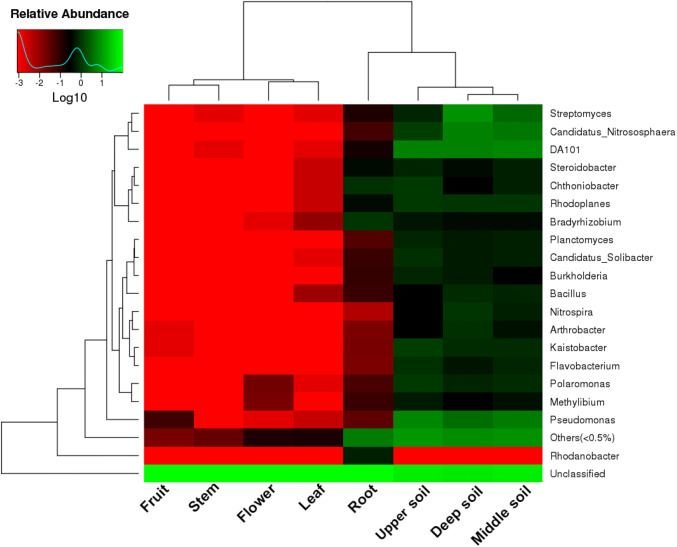
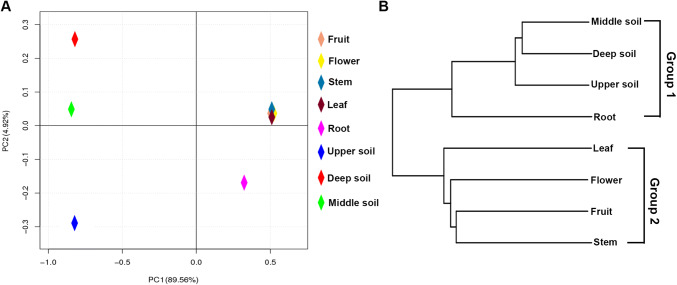
Paeonia ludlowii is indigenous to Tibet and has an important ecological and economic value in China. In Tibet, P. ludlowii has been used in folk medicine with relative success. Plant microbial endophytes play an important role in plant growth, health and ecological function. The diversity of endophytic bacteria associated with P. ludlowii remains poorly understood. In this study, the structure of the endophytic bacterial communities associated with different tissues, including fruits, flowers, leaves, stems, and roots, and rhizosphere soils was analyzed with Illumina MiSeq sequencing of bacterial 16S rDNA. A total of 426,240 sequences and 4847 operational taxonomic units (OTUs) were obtained. The OTUs abundance of roots was higher than that of other tissues; however, the OTUs abundance was similar among different deep soil samples. In the plant tissues, Cyanobacteria was the most abundant bacterial phylum, followed by Proteobacteria; however, the most abundant phyla were Proteobacteria and Acidobacteria in soil samples from three different layers. In addition, the diversity and richness of the microorganisms in the soil were very similar to those in roots but higher than those in other tissues of P. ludlowii. Predictive metagenome analysis revealed that endophytic bacteria play critical functional roles in P. ludlowii. This conclusion could facilitate the study of the ecological functions of endophytic bacteria and their interactions with P. ludlowii to analyze the reasons why this important medicinal plant is becoming endangered.
牡丹组是中国特有的植物,具有重要的生态和经济价值。在中国西藏,牡丹组被用于民间医学,取得了一定的效果。植物内生细菌在植物的生长、健康和生态功能中起着重要的作用。与牡丹组相关的内生细菌的多样性仍知之甚少。在这项研究中,我们使用 Illumina MiSeq 测序技术对不同组织(包括果实、花朵、叶子、茎和根以及根际土壤)中与牡丹组相关的内生细菌群落结构进行了分析,共获得了 426240 条序列和 4847 个操作分类单元(OTUs)。根组织的 OTUs 丰度高于其他组织;然而,不同深层土壤样本的 OTUs 丰度相似。在植物组织中,蓝细菌是最丰富的细菌门,其次是变形菌门;然而,在来自三个不同层的土壤样本中,最丰富的门是变形菌门和酸杆菌门。此外,土壤中微生物的多样性和丰富度与牡丹组根组织非常相似,但高于其他组织。预测宏基因组分析表明,内生细菌在牡丹组中发挥着关键的功能作用。这一结论有助于研究内生细菌的生态功能及其与牡丹组的相互作用,分析为什么这种重要的药用植物会濒临灭绝。