La Trobe Institute for Molecular Science, Department of Biochemistry and Genetics, La Trobe University, Melbourne, Vic., Australia.
Cancer Immunology and Therapeutics Programs, Peter MacCallum Cancer Centre, Melbourne, Vic., Australia.
EMBO Rep. 2020 Jun 4;21(6):e50162. doi: 10.15252/embr.202050162. Epub 2020 Apr 21.
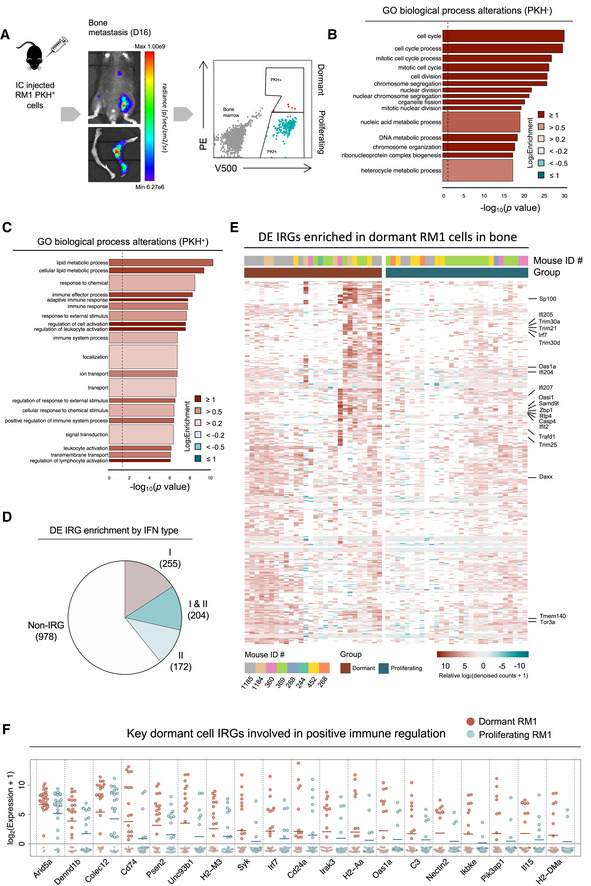
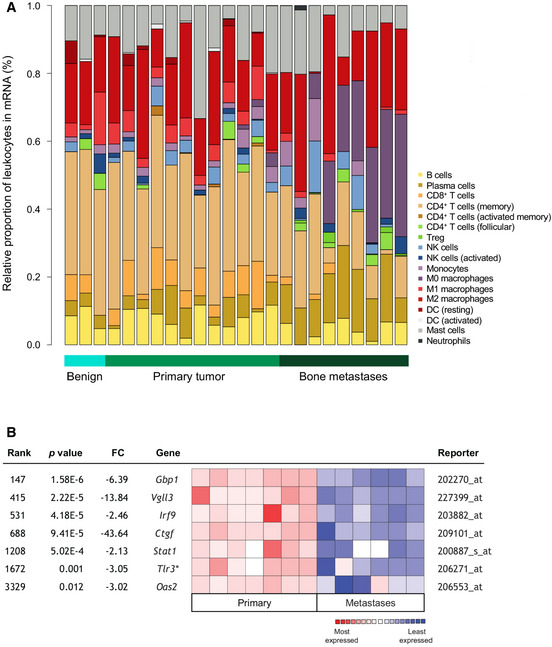
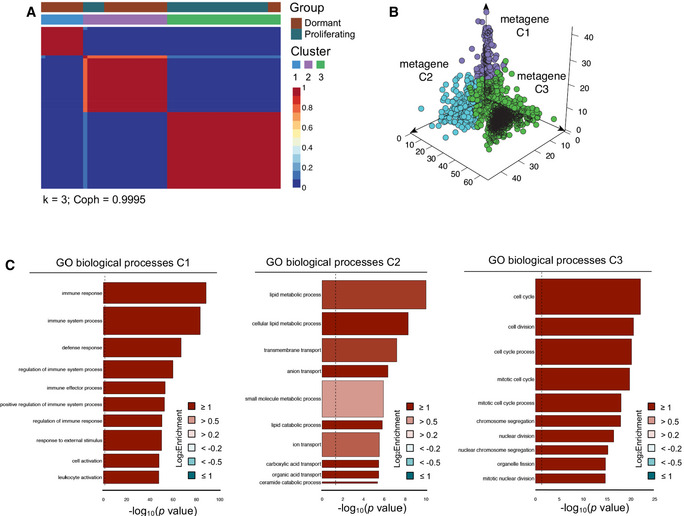
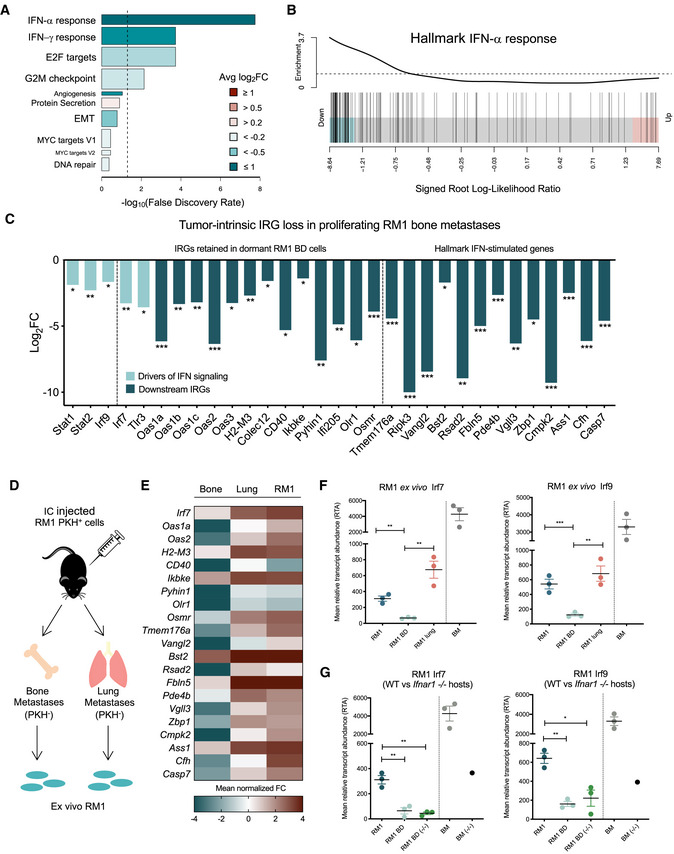
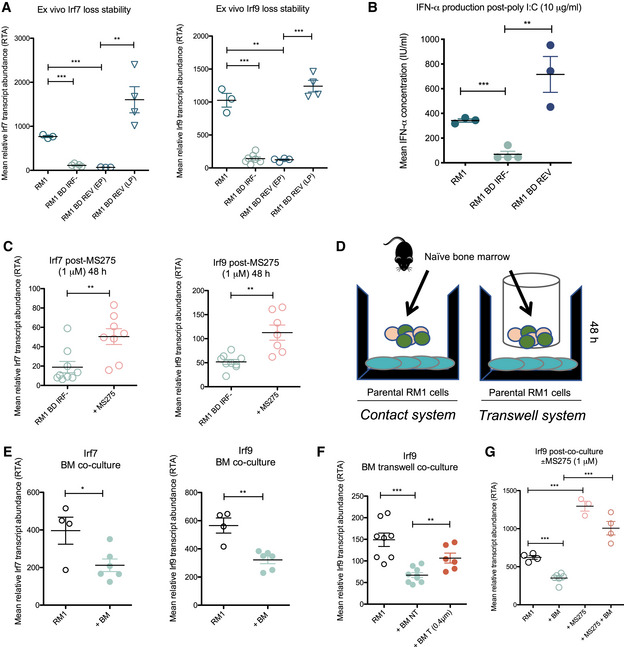
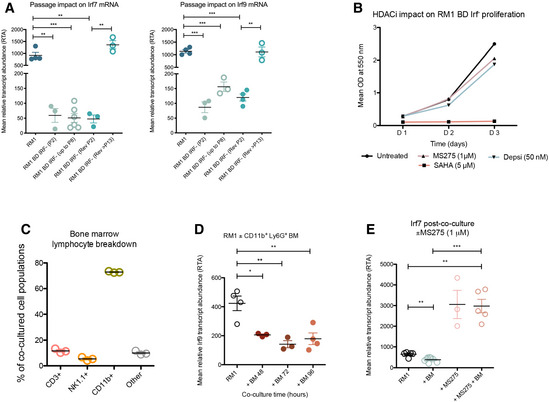
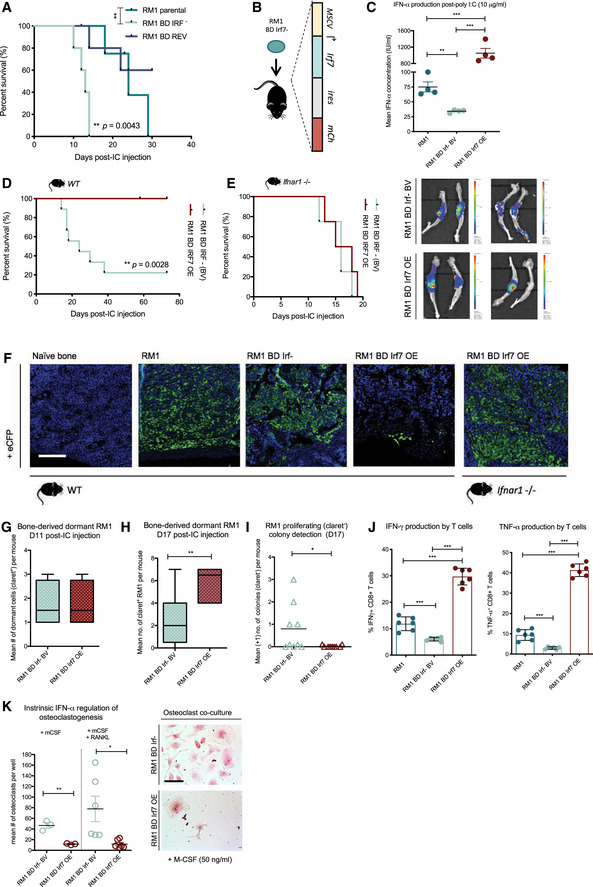
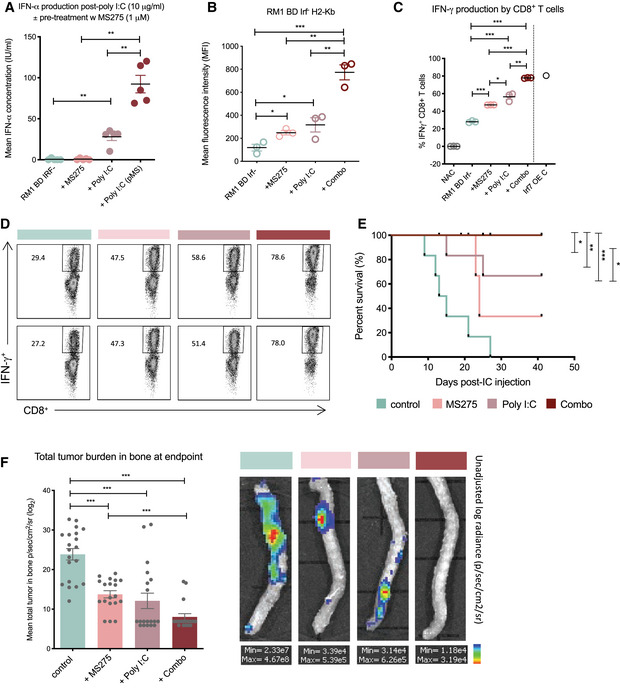
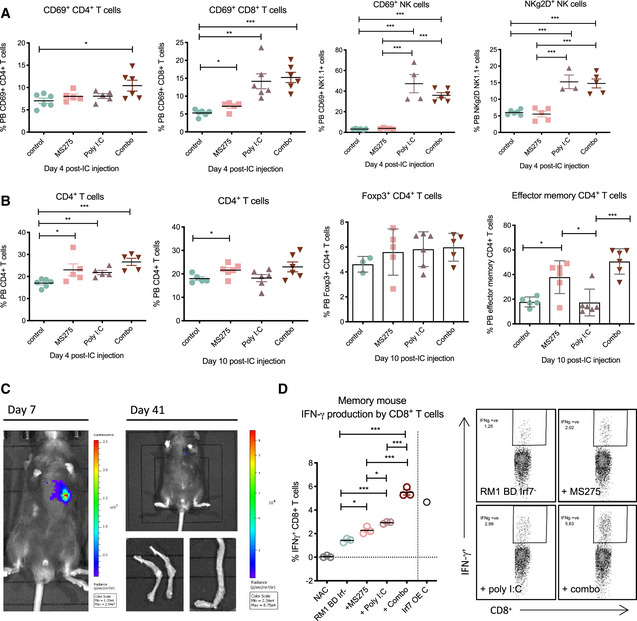
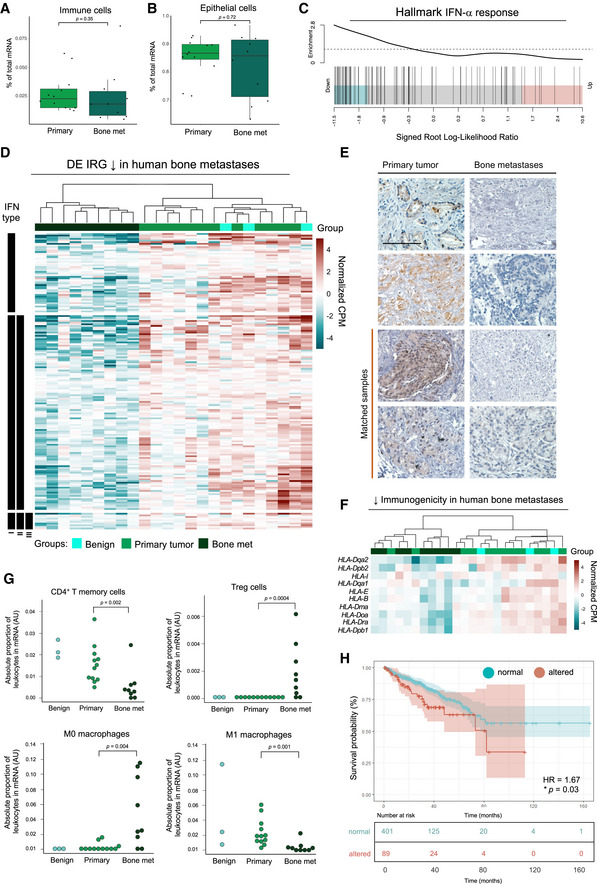
The latency associated with bone metastasis emergence in castrate-resistant prostate cancer is attributed to dormancy, a state in which cancer cells persist prior to overt lesion formation. Using single-cell transcriptomics and ex vivo profiling, we have uncovered the critical role of tumor-intrinsic immune signaling in the retention of cancer cell dormancy. We demonstrate that loss of tumor-intrinsic type I IFN occurs in proliferating prostate cancer cells in bone. This loss suppresses tumor immunogenicity and therapeutic response and promotes bone cell activation to drive cancer progression. Restoration of tumor-intrinsic IFN signaling by HDAC inhibition increased tumor cell visibility, promoted long-term antitumor immunity, and blocked cancer growth in bone. Key findings were validated in patients, including loss of tumor-intrinsic IFN signaling and immunogenicity in bone metastases compared to primary tumors. Data herein provide a rationale as to why current immunotherapeutics fail in bone-metastatic prostate cancer, and provide a new therapeutic strategy to overcome the inefficacy of immune-based therapies in solid cancers.
去势抵抗性前列腺癌中骨转移出现的潜伏期归因于休眠状态,即癌细胞在明显病变形成之前持续存在的状态。通过单细胞转录组学和体外分析,我们揭示了肿瘤内在免疫信号在维持癌症细胞休眠中的关键作用。我们证明,在骨中增殖的前列腺癌细胞中会发生肿瘤内在的 I 型 IFN 丢失。这种丢失会抑制肿瘤的免疫原性和治疗反应,并促进骨细胞激活以推动癌症进展。通过 HDAC 抑制恢复肿瘤内在的 IFN 信号会增加肿瘤细胞的可见性,促进长期抗肿瘤免疫,并阻止骨内的癌症生长。在患者中验证了关键发现,包括与原发性肿瘤相比,骨转移中的肿瘤内在 IFN 信号和免疫原性丧失。本文提供了为什么当前免疫疗法在骨转移前列腺癌中失败的原因,并提供了一种新的治疗策略来克服实体瘤中基于免疫的疗法的无效性。