Sun Shihang, Fang Jinbao, Lin Miaomiao, Qi Xiujuan, Chen Jinyong, Wang Ran, Li Zhi, Li Yukuo, Muhammad Abid
Zhengzhou Fruit Research Institute, Chinese Academy of Agricultural Sciences, Zhengzhou 450009, China.
Key Laboratory of Horticultural Plant Biology (Ministry of Education), College of Horticulture and Forestry Science, Huazhong Agricultural University, Wuhan 430070, China.
Plants (Basel). 2020 Apr 16;9(4):515. doi: 10.3390/plants9040515.
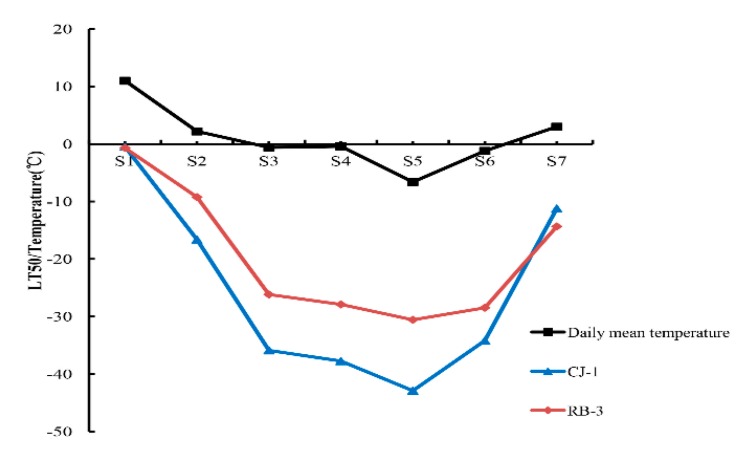
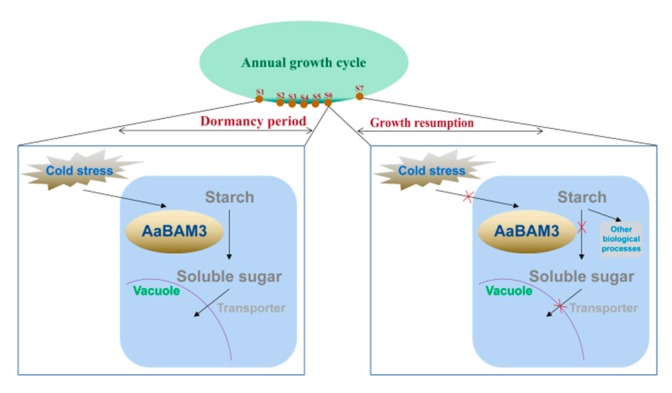
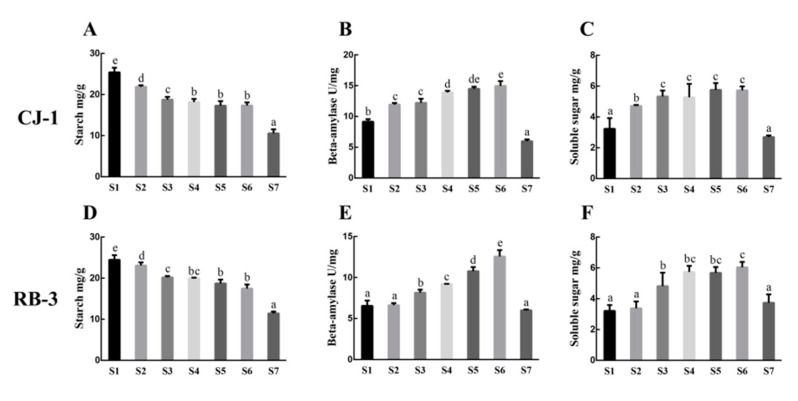
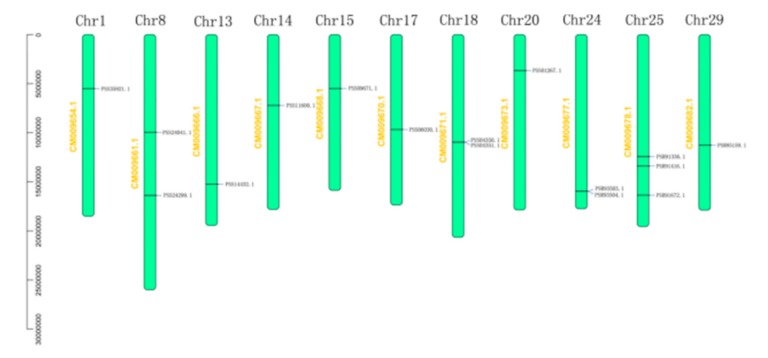
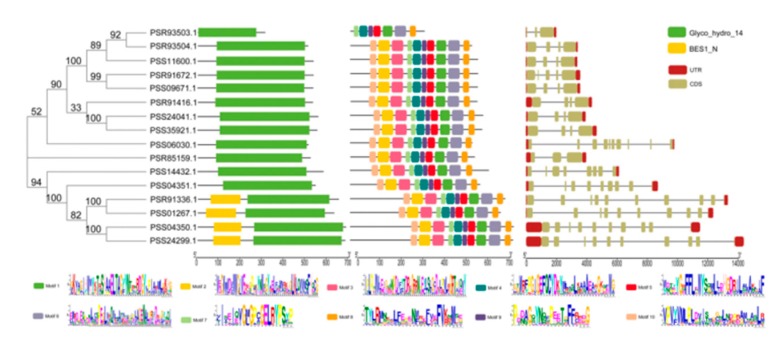
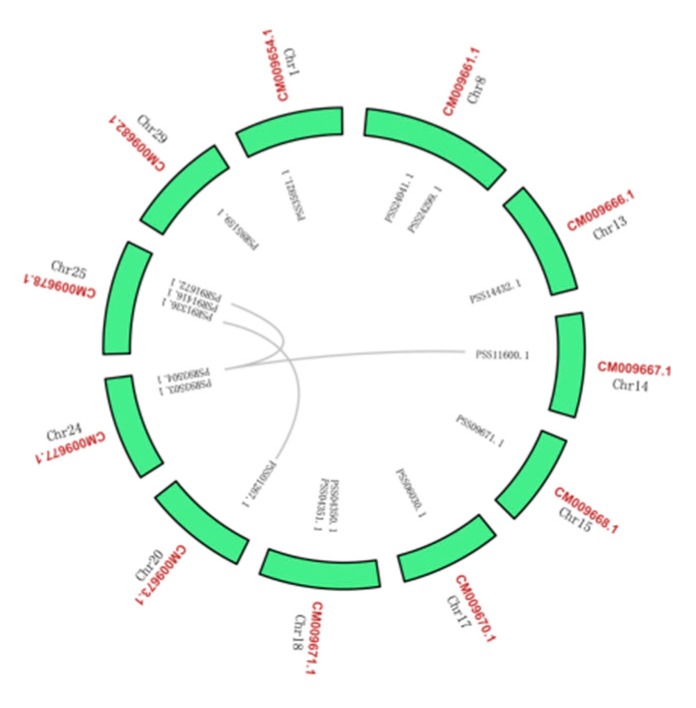
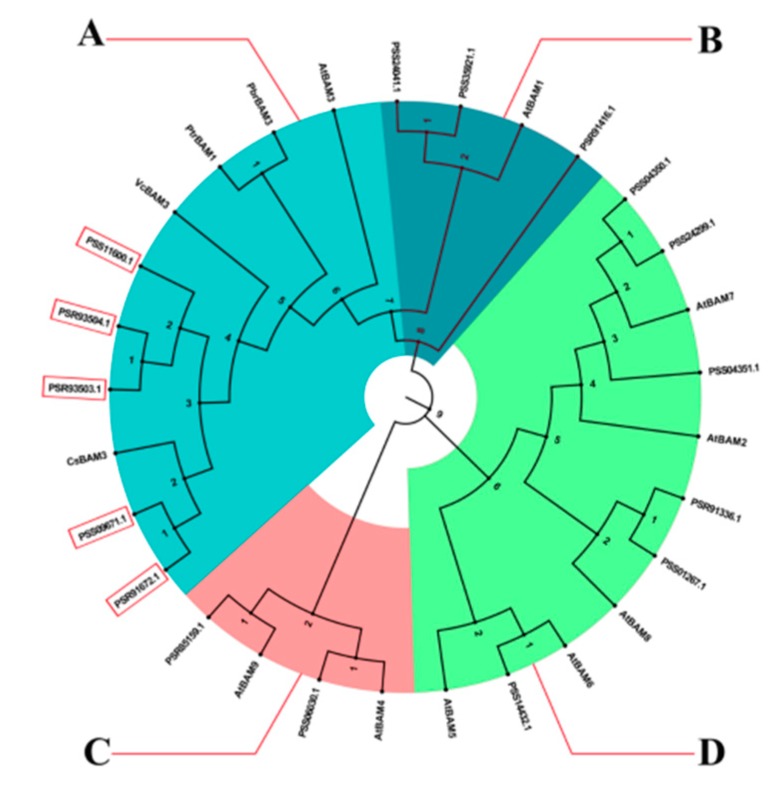
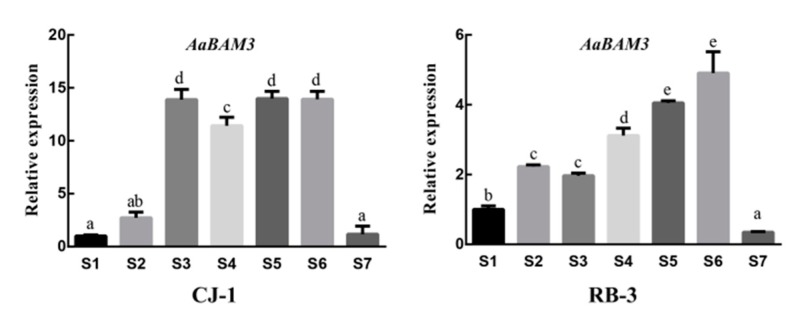
Low temperature causes injuries to plants during winter, thereby it affects kiwi fruit quality and yield. However, the changes in metabolites and gene expression during cold acclimation (CA) and deacclimation (DA) in kiwi fruit remain largely unknown. In this study, freezing tolerance, carbohydrate metabolism, and β-amylase gene expression in two cv. "CJ-1" and "RB-3" were detected from CA to DA stages. In all acclimation stages, the "CJ-1" was hardier than "RB-3" and possessed lower semi-lethal temperature (LT50). Furthermore, "CJ-1" had a more rapid acclimation speed than "RB-3". Changes of starch, β-amylase, and soluble sugars were associated with freezing tolerance in both cultivars. Starch contents continued to follow a declining trend, while soluble sugars contents continuously accumulated in both cultivars during CA stages (from October to January). To investigate the possible molecular mechanism underlying cold response in , in total, 16 genes for β-amylase were identified in the kiwi fruit genome. We carried out localization of chromosome, gene structure, the conserved motif, and the analysis of events in the duplication of genes from . Finally, a strong candidate gene named from was cloned in The real-time qPCR showed that gene expression in seasonal changes was consistent with changes of soluble sugars. These results reveal that may enhance the freezing tolerance of through increasing soluble sugar content.
低温在冬季会对植物造成伤害,从而影响猕猴桃的品质和产量。然而,猕猴桃在低温驯化(CA)和脱驯化(DA)过程中代谢物和基因表达的变化仍 largely unknown。在本研究中,检测了两个品种“CJ-1”和“RB-3”从CA到DA阶段的抗冻性、碳水化合物代谢和β-淀粉酶基因表达。在所有驯化阶段,“CJ-1”比“RB-3”更耐寒,半致死温度(LT50)更低。此外,“CJ-1”的驯化速度比“RB-3”更快。两个品种中淀粉、β-淀粉酶和可溶性糖的变化与抗冻性有关。在CA阶段(从10月到1月),两个品种的淀粉含量持续呈下降趋势,而可溶性糖含量不断积累。为了研究猕猴桃冷响应潜在的分子机制,总共在猕猴桃基因组中鉴定出16个β-淀粉酶基因。我们对染色体进行了定位、分析了基因结构、保守基序,并对猕猴桃基因复制事件进行了分析。最后从猕猴桃中克隆出一个名为的强候选基因。实时定量PCR表明,该基因在季节性变化中的表达与可溶性糖的变化一致。这些结果表明,可能通过增加可溶性糖含量来提高猕猴桃的抗冻性。