Department of Colorectal Surgery, The First Affiliated Hospital of Harbin Medical University, Harbin, Heilongjiang 150001, P.R. China.
Department of Ultrasonic Imaging, First Clinical Medical College, Shanxi Medical University, Taiyuan, Shanxi 030001, P.R. China.
Int J Oncol. 2020 Jul;57(1):183-196. doi: 10.3892/ijo.2020.5038. Epub 2020 Apr 3.
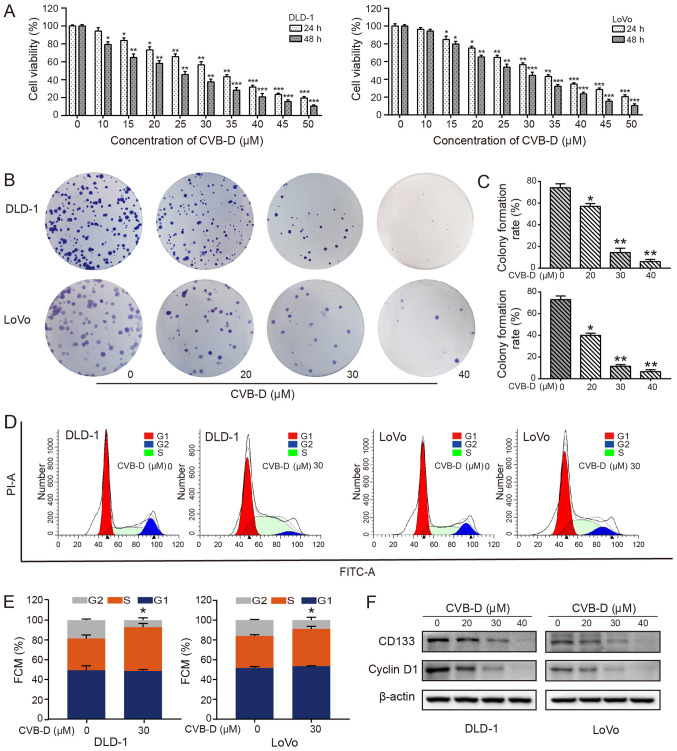
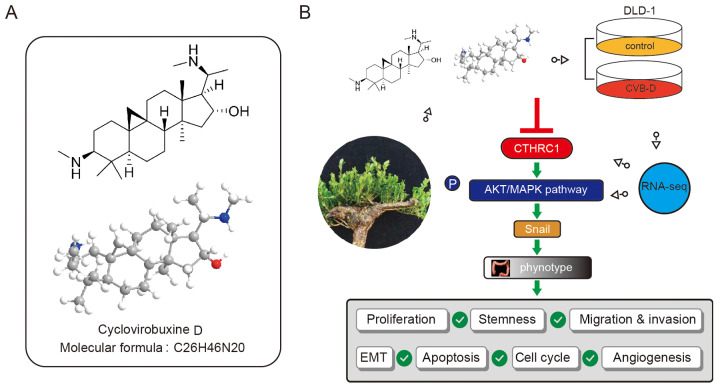
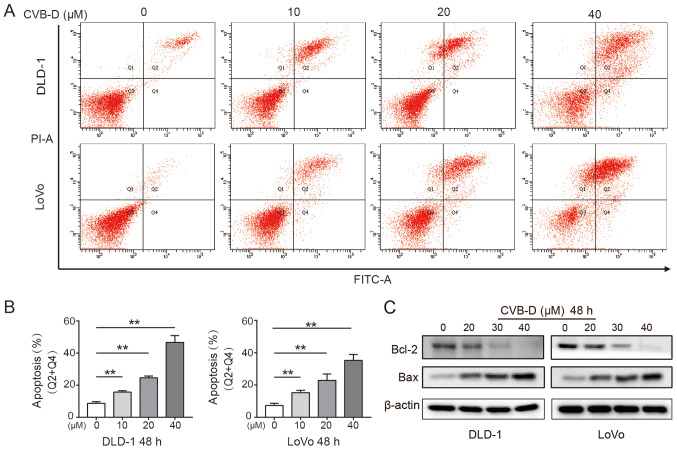
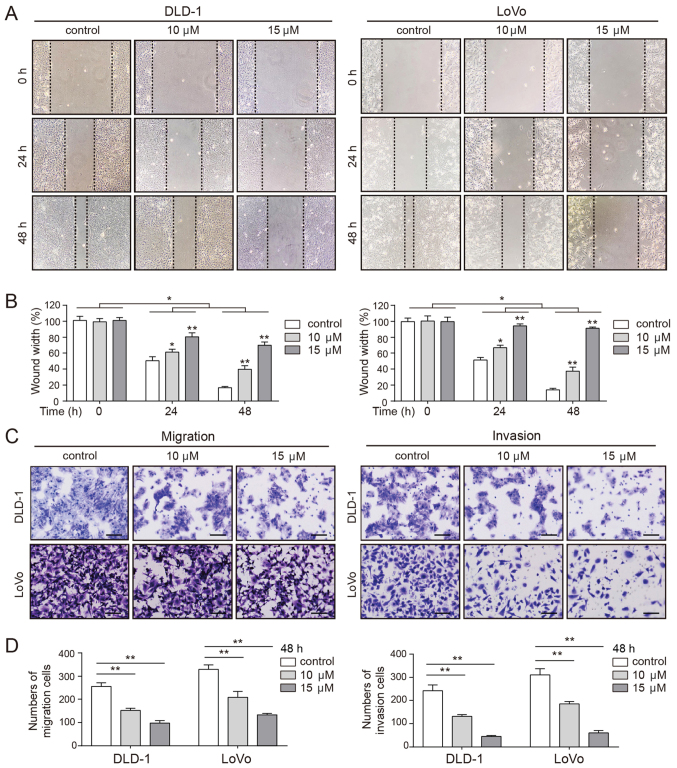
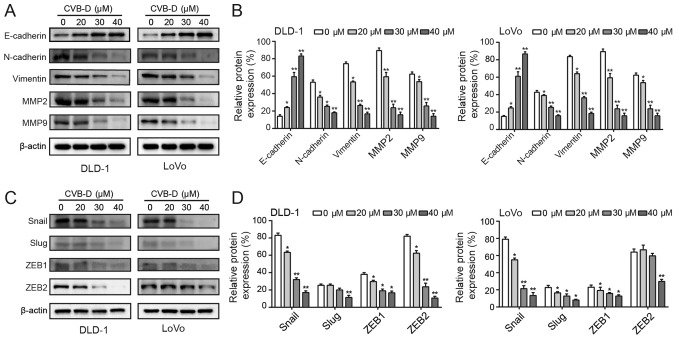
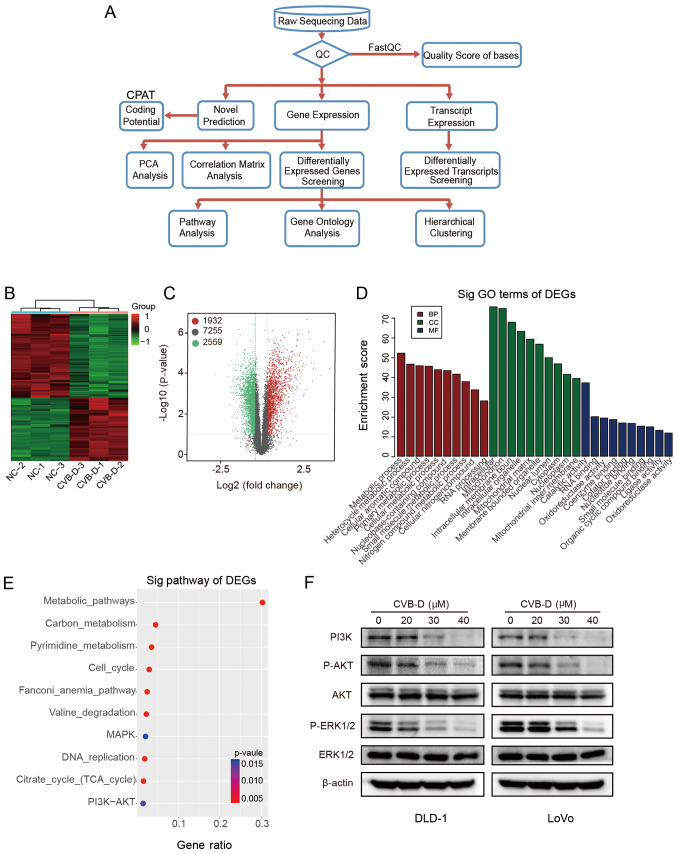
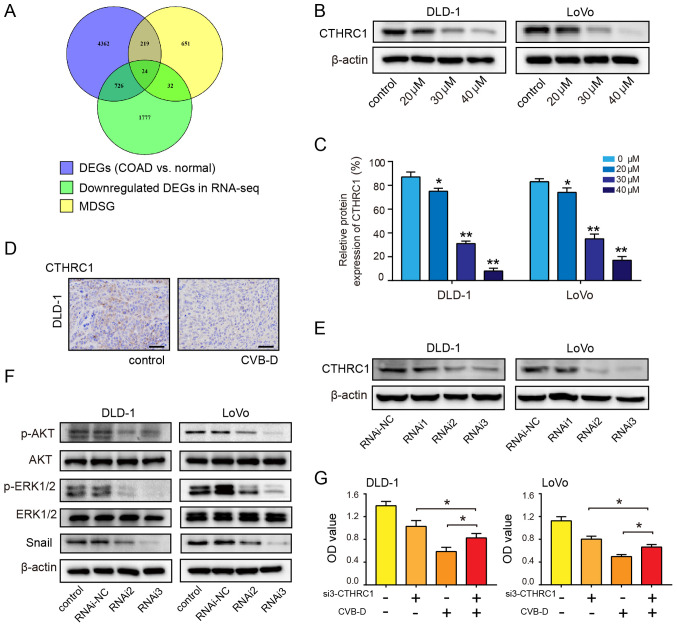
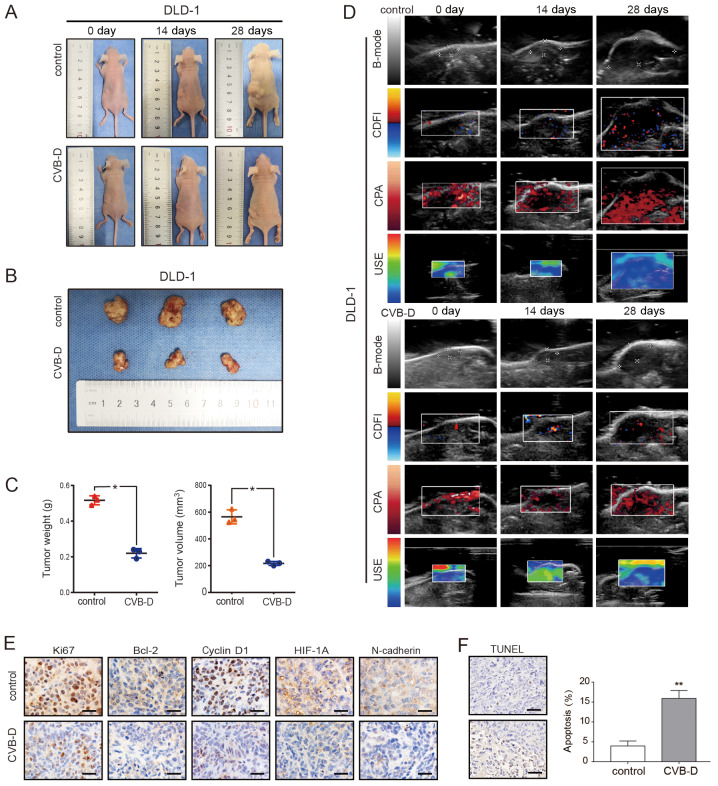
Cyclovirobuxine D (CVB‑D) is an alkaloid, which is mainly derived from Buxus microphylla. It has been reported that CVB‑D has positive effects on breast cancer, gastric cancer and other malignant tumors. However, to the best of our knowledge, there are no reports regarding the effects of CVB‑D on colorectal cancer (CRC). The purpose of the present study was to determine the anticancer effects of CVB‑D and further elucidate its molecular mechanism(s). DLD‑1 and LoVo cell lines were selected to evaluate the antitumor effect of CVB‑D. Cytotoxicity, viability and proliferation were evaluated by the MTT and colony formation assays. Flow cytometry was used to detect the effects on apoptosis and the cell cycle in CVB‑D‑treated CRC cells. The migration and invasion abilities of CRC cells were examined by wound healing and Transwell assays. In addition, RNA sequencing, bioinformatics analysis and western blotting were performed to investigate the target of drug action and clarify the molecular mechanisms. A xenograft model was established using nude mice, and ultrasound was employed to assess the preclinical therapeutic effects of CVB‑D in vivo. It was identified that CVB‑D inhibited the proliferation, migration, stemness, angiogenesis and epithelial‑mesenchymal transition of CRC cells, and induced apoptosis and S‑phase arrest. In addition, CVB‑D significantly inhibited the growth of xenografts. It is notable that CVB‑D exerted anticancer effects in CRC cells partly by targeting collagen triple helix repeat containing 1 (CTHRC1), which may be upstream of the AKT and ERK pathways. CVB‑D exerted anticancer effects through the CTHRC1‑AKT/ERK‑Snail signaling pathway. Targeted therapy combining CTHRC1 with CVB‑D may offer a promising novel therapeutic approach for CRC treatment.
环维黄杨星 D(CVB-D)是一种生物碱,主要来源于黄杨。据报道,CVB-D 对乳腺癌、胃癌等恶性肿瘤有积极作用。然而,据我们所知,尚无 CVB-D 对结直肠癌(CRC)影响的报道。本研究旨在探讨 CVB-D 的抗癌作用及其分子机制。选用 DLD-1 和 LoVo 细胞系评估 CVB-D 的抗肿瘤作用。采用 MTT 和集落形成实验评估细胞毒性、活力和增殖。采用流式细胞术检测 CVB-D 处理 CRC 细胞对细胞凋亡和细胞周期的影响。通过划痕愈合和 Transwell 实验检测 CRC 细胞的迁移和侵袭能力。此外,进行 RNA 测序、生物信息学分析和 Western blot 检测,以研究药物作用靶点并阐明分子机制。建立裸鼠异种移植模型,采用超声评估 CVB-D 在体内的临床前治疗效果。结果表明,CVB-D 抑制 CRC 细胞的增殖、迁移、干性、血管生成和上皮间质转化,诱导细胞凋亡和 S 期阻滞。此外,CVB-D 显著抑制异种移植瘤的生长。值得注意的是,CVB-D 在 CRC 细胞中发挥抗癌作用部分是通过靶向胶原蛋白三螺旋重复包含 1(CTHRC1),CTHRC1 可能是 AKT 和 ERK 通路的上游分子。CVB-D 通过 CTHRC1-AKT/ERK-Snail 信号通路发挥抗癌作用。联合 CTHRC1 与 CVB-D 的靶向治疗可能为 CRC 治疗提供一种有前景的新的治疗方法。