Department of Medicine (DAME), University of Udine, Udine, 33100, Italy.
Department of Medicine, Division of Hematology and Oncology, Robert H Lurie Comprehensive Cancer Center, Feinberg School of Medicine, Northwestern University, Chicago, IL, 60611, USA.
Sci Rep. 2020 Apr 24;10(1):7010. doi: 10.1038/s41598-020-63291-2.
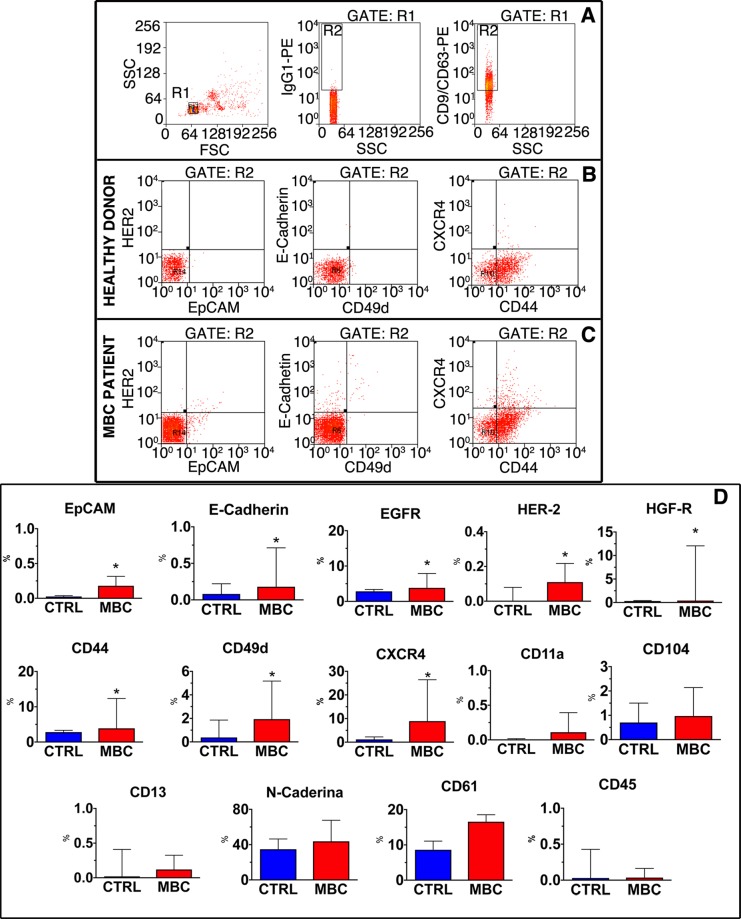
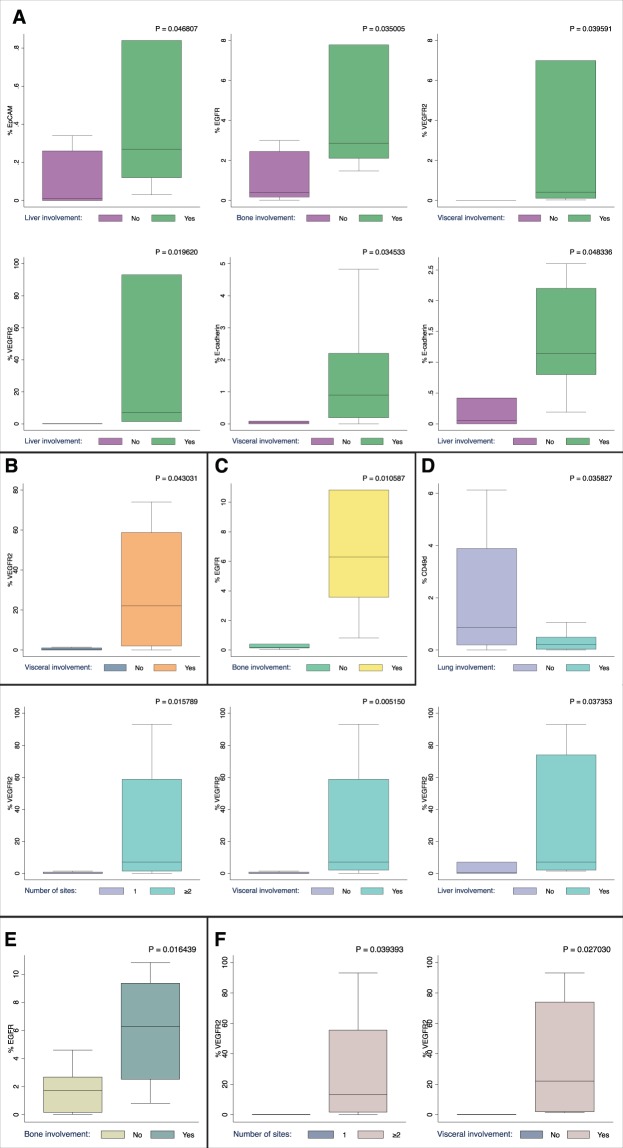
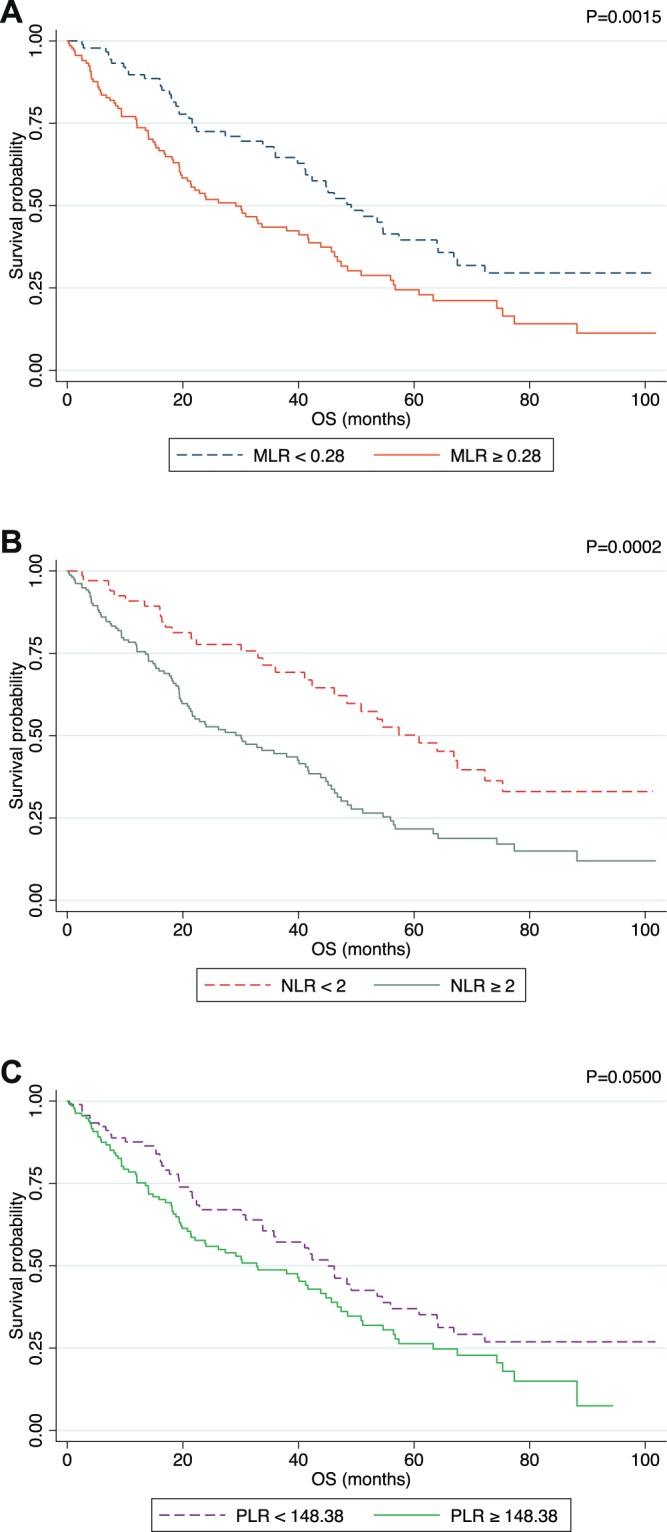
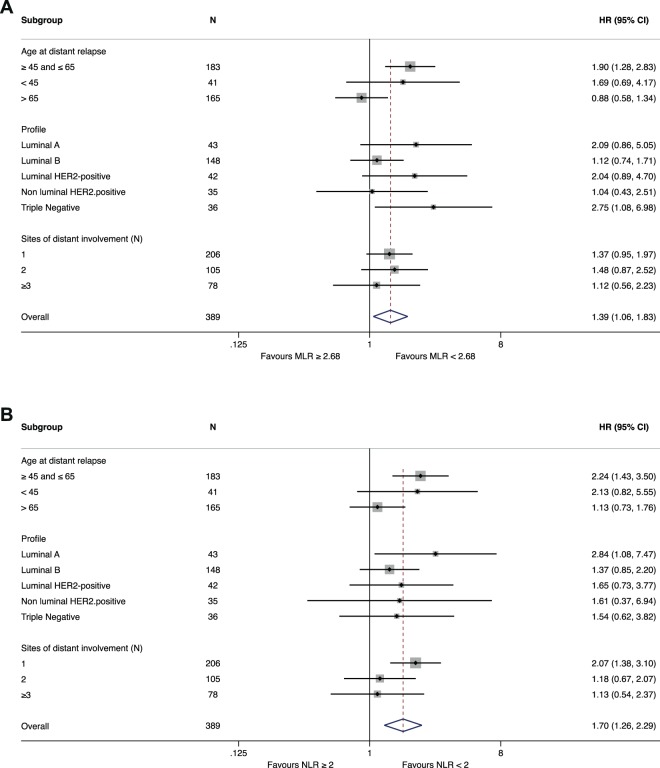
High neutrophil to lymphocyte ratio (NLR) and monocyte to lymphocyte ratio (MLR) are respectively associated with systemic inflammation and immune suppression and have been associated with a poor outcome. Plasmatic exosomes are extracellular vesicles involved in the intercellular communication system that can exert an immunosuppressive function. Aim of this study was to investigate the interplay between the immune system and circulating exosomes in metastatic breast cancer (MBC). A threshold capable to classify patients according to MLR, NLR and PLR, was computed through a receiving operator curve analysis after propensity score matching with a series of female blood donors. Exosomes were isolated from plasma by ExoQuick solution and characterized by flow-cytometry. NLR, MLR, PLR and exosomal subpopulations potentially involved in the pre-metastatic niche were significantly different in MBC patients with respect to controls. MLR was significantly associated with number of sites at the onset of metastatic disease, while high levels of MLR and NLR were found to be associated with poor prognosis. Furthermore, exosomal subpopulations varied according to NLR, MLR, PLR and both were associated with different breast cancer subtypes and sites of distant involvement. This study highlights the nuanced role of immunity in MBC spread, progression and outcome. Moreover, they suggest potential interaction mechanisms between immunity, MBC and the metastatic niche.
高中性粒细胞与淋巴细胞比值(NLR)和单核细胞与淋巴细胞比值(MLR)分别与全身炎症和免疫抑制有关,与不良预后相关。血浆外泌体是参与细胞间通讯系统的细胞外囊泡,可发挥免疫抑制功能。本研究旨在探讨转移性乳腺癌(MBC)中免疫系统与循环外泌体之间的相互作用。通过倾向评分匹配后,利用接受者操作特征曲线分析,计算出一个能够根据 MLR、NLR 和 PLR 对患者进行分类的阈值,该分析以一系列女性献血者为对照。通过 ExoQuick 溶液从血浆中分离出外泌体,并通过流式细胞术进行表征。与对照组相比,MBC 患者的 NLR、MLR、PLR 和可能参与前转移龛的外泌体亚群存在显著差异。MLR 与转移性疾病发病时的部位数量显著相关,而高 MLR 和 NLR 水平与预后不良相关。此外,外泌体亚群根据 NLR、MLR、PLR 而变化,并且都与不同的乳腺癌亚型和远处受累部位相关。本研究强调了免疫在 MBC 播散、进展和结局中的细微作用。此外,它们提示了免疫、MBC 和转移龛之间的潜在相互作用机制。