Shimizu Chikako, Wakita Yoshihisa, Tsuchiya Youichi, Nabeshima Toshitaka
Frontier Laboratories for Value Creation, SAPPORO HOLDINGS LTD., 10 Okatome, Yaizu, Shizuoka 425-0013, Japan.
Advanced Diagnostic System Research Laboratory, Fujita Health University,1-98 Dengakugakubo, Kutsukake-cho, Toyoake, Aichi 470-1192, Japan.
Animals (Basel). 2020 Apr 24;10(4):746. doi: 10.3390/ani10040746.
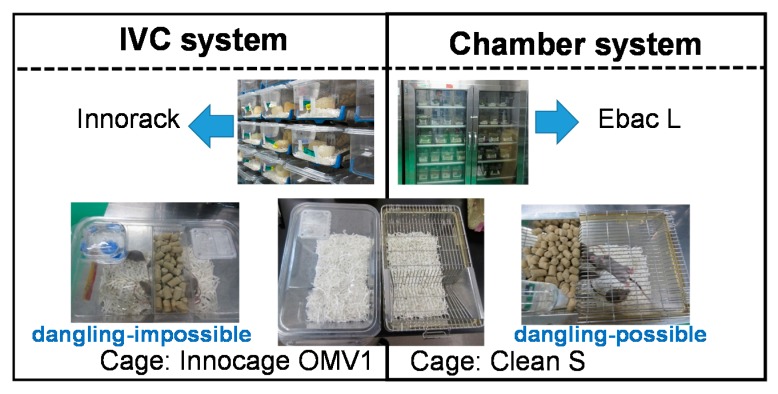
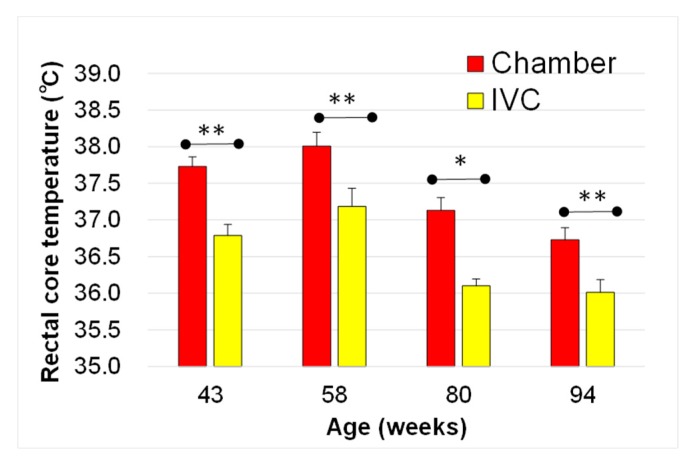
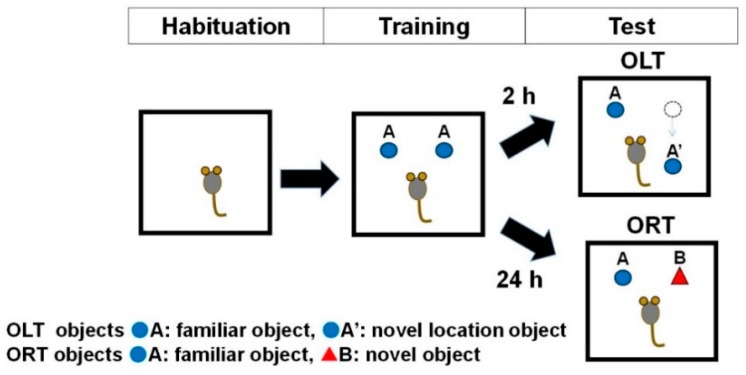
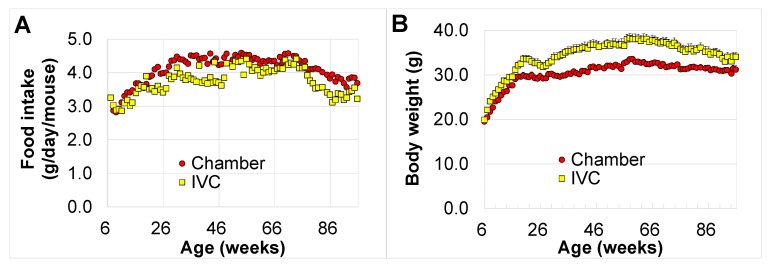
Environmental conditions, including enrichment and stress, affect animal behaviors, but limited information is available regarding the differences in animal functions between the chamber (ventilated system) vs. IVC (individually ventilated cages) housing systems. Therefore, the effects of different housing systems were examined on physical, emotional, and cognitive functions and the intestinal flora with aging. DBA/2CrSlc mice were divided into chamber and IVC groups. Differences in the structure of the two cages considered whether the mouse could dangle or not. Physical, emotional, and cognitive functions were examined using the open field, black and white box, object recognition, horizontal bar, wire hanging, balancing, footprint, and locomotor tests. The IVC group demonstrated significantly less food intake, higher body weight (by approximately 5 g), lower rectal core temperature, less muscle and balancing powers with aging, and fewer anxiety-like behaviors than the chamber group. No differences were observed in the cognitive function and intestinal microbiota between the groups. The housing environment affected the rodent basal temperature and body weight as well as the physical and emotional functions. Scientists should be attentive to the type of cages used in the housing system for an experiment, especially when comparing the results with animals reared in different systems.
包括丰富环境和应激在内的环境条件会影响动物行为,但关于饲养箱(通风系统)与独立通风笼盒(IVC)饲养系统之间动物功能差异的信息有限。因此,研究了不同饲养系统对衰老过程中身体、情绪和认知功能以及肠道菌群的影响。将DBA/2CrSlc小鼠分为饲养箱组和IVC组。两种笼子结构的差异在于小鼠是否能够悬挂。使用旷场试验、黑白箱试验、物体识别试验、单杠试验、悬线试验、平衡试验、足迹试验和运动试验来检测身体、情绪和认知功能。与饲养箱组相比,IVC组随着衰老表现出食物摄入量显著减少、体重更高(约高5克)、直肠核心温度更低、肌肉力量和平衡能力更弱以及焦虑样行为更少。两组之间在认知功能和肠道微生物群方面未观察到差异。饲养环境会影响啮齿动物的基础体温、体重以及身体和情绪功能。科学家在进行实验时应注意饲养系统中所使用笼子的类型,尤其是在将结果与在不同系统中饲养的动物进行比较时。