School of Life and Health Sciences, The Chinese University of Hong Kong, Shenzhen, Guangdong, 518172, China.
Department of Pharmacology, Toxicology and Therapeutics, School of Medicine, University of Kansas Medical Center, Kansas City, KS, 66160, USA.
Sci Rep. 2020 Apr 29;10(1):7283. doi: 10.1038/s41598-020-62984-y.
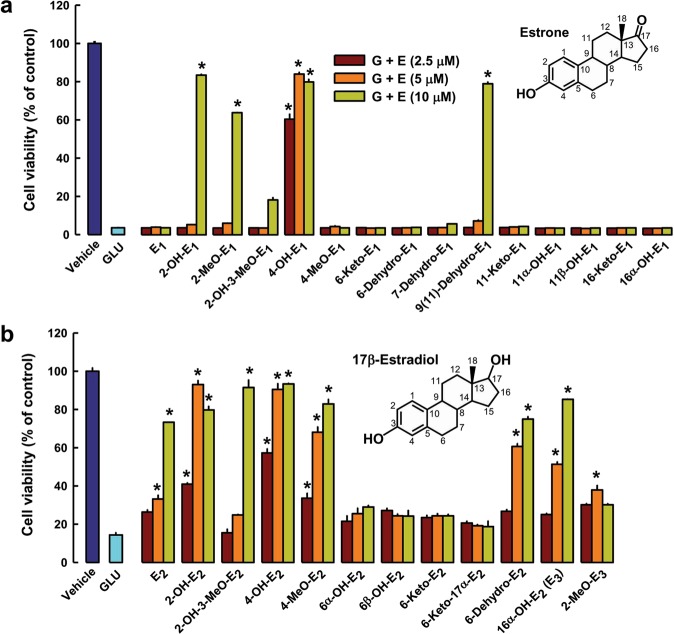
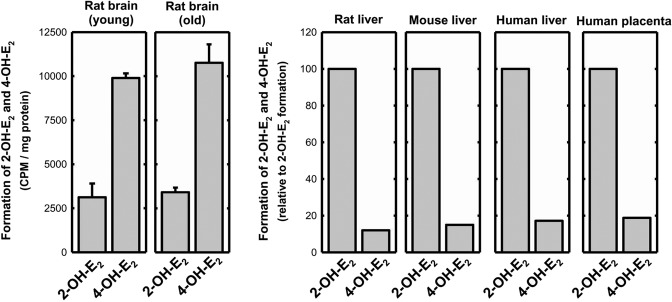
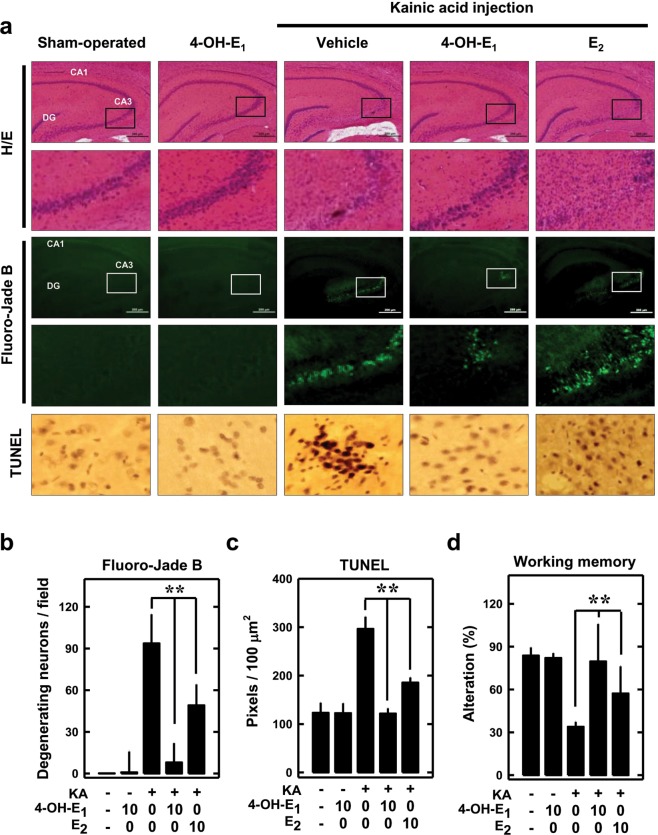
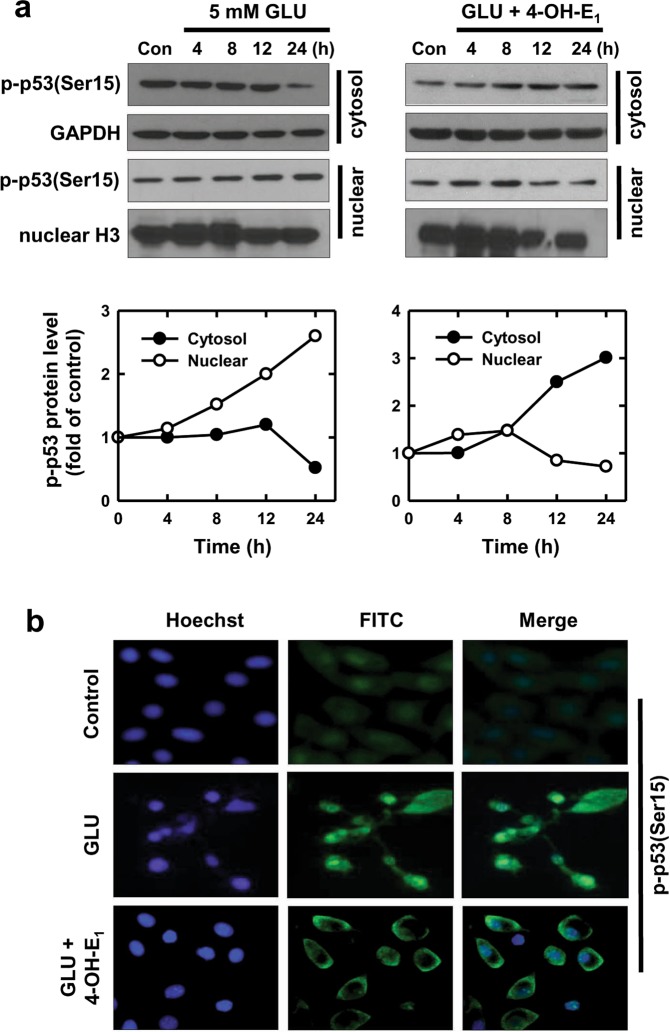
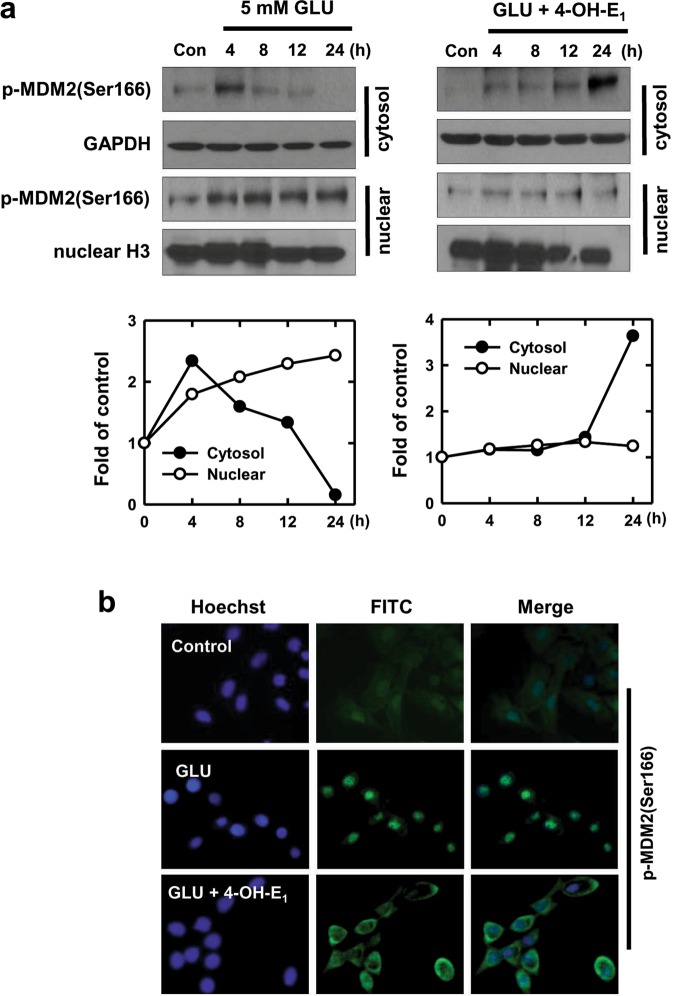
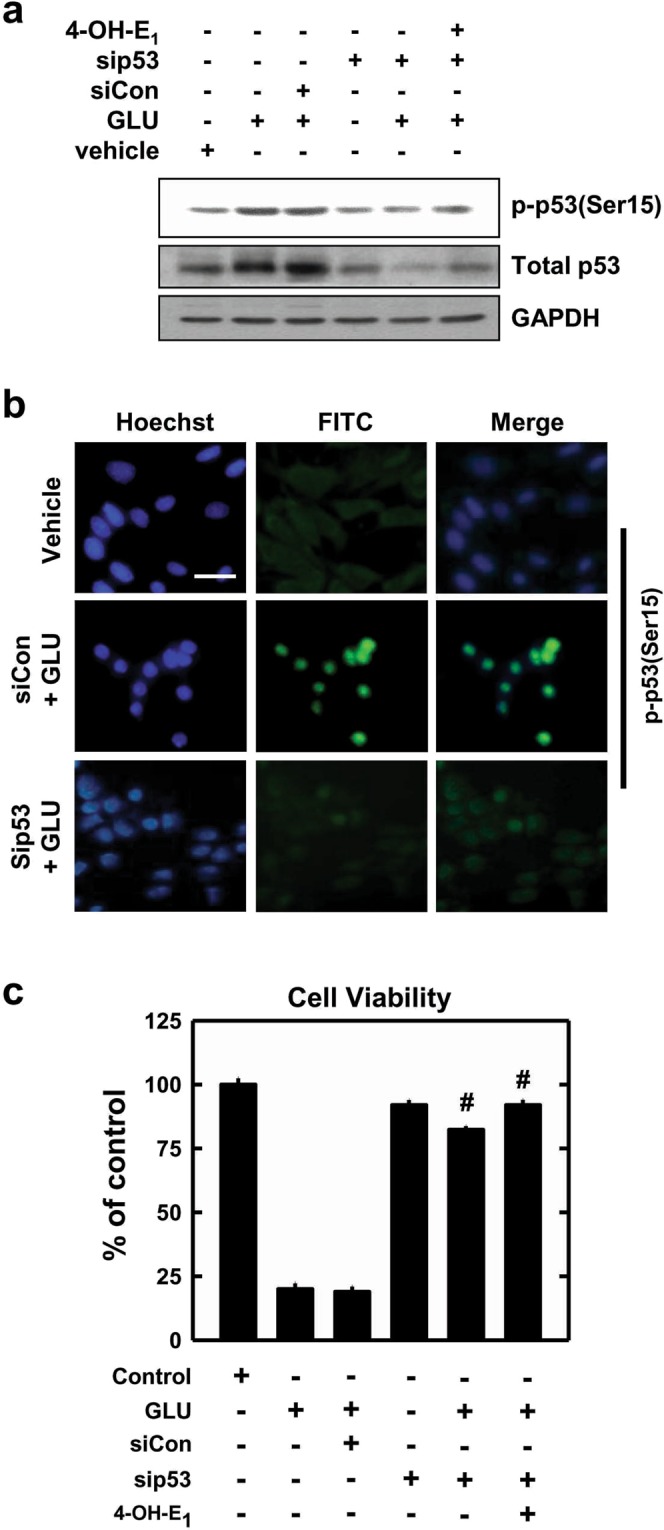
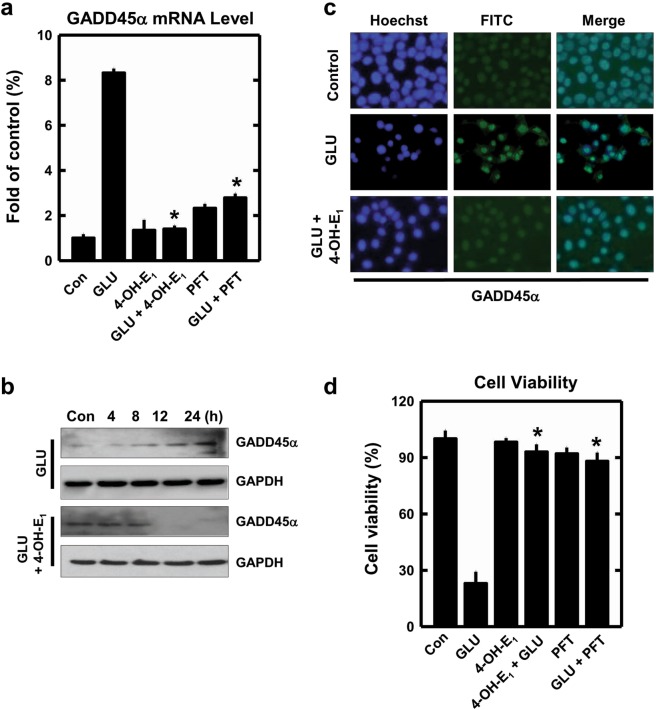
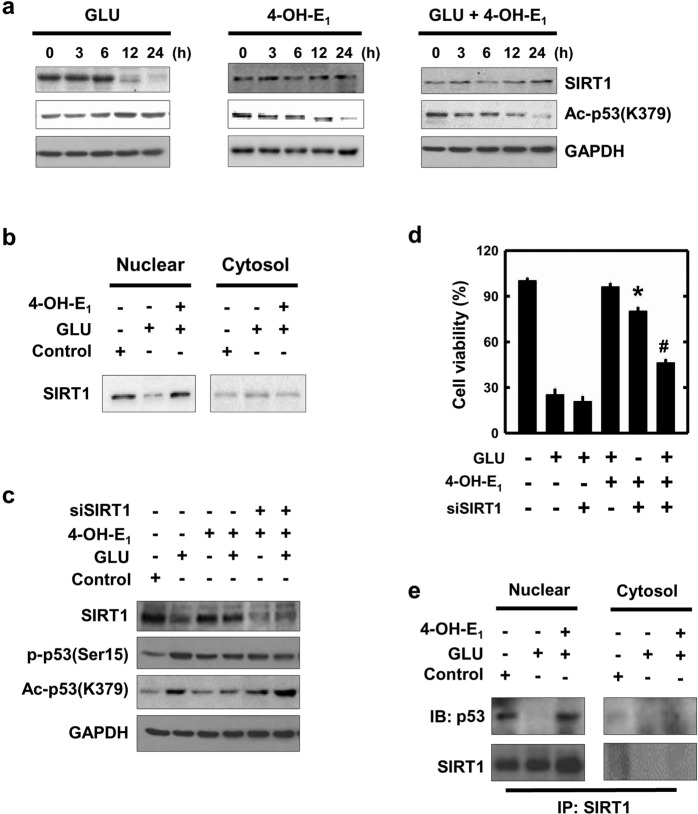
Earlier studies showed that endogenous estrogens have neuroprotective effect against oxidative damage. The present study seeks to investigate the protective effect of various endogenous estrogen metabolites against oxidative neurotoxicity in vitro and in vivo. Using immortalized mouse hippocampal neuronal cells as an in vitro model, 4-hydroxyestrone, an estrone metabolite with little estrogenic activity, is found to have the strongest neuroprotective effect against oxidative neurotoxicity among 25 endogenous estrogen metabolites tested, and its protective effect is stronger than 17β-estradiol. Similarly, 4-Hydroxyestrone also exerts a stronger protective effect than 17β-estradiol against kanic acid-induced hippocampal oxidative damage in rats. Neuroprotection by 4-hydroxyestrone involves increased cytoplasmic translocation of p53 resulting from SIRT1-mediated deacetylation of p53. Analysis of brain microsomal enzymes shows that estrogen 4-hydroxylation is the main metabolic pathway in the central nervous system. Together, these results show that 4-hydroxyestrone is an endogenous neuroestrogen that can strongly protect against oxidative neuronal damage.
早期研究表明,内源性雌激素对氧化损伤具有神经保护作用。本研究旨在探讨各种内源性雌激素代谢物对体外和体内氧化神经毒性的保护作用。使用永生化的小鼠海马神经元细胞作为体外模型,研究发现,在测试的 25 种内源性雌激素代谢物中,具有微弱雌激素活性的雌酮代谢物 4-羟基雌酮对氧化神经毒性具有最强的神经保护作用,其保护作用强于 17β-雌二醇。同样,4-羟基雌酮对大鼠红藻氨酸诱导的海马氧化损伤也比 17β-雌二醇具有更强的保护作用。4-羟基雌酮的神经保护作用涉及 SIRT1 介导的 p53 去乙酰化导致的 p53 细胞质易位增加。脑微粒体酶分析表明,雌激素 4-羟化是中枢神经系统的主要代谢途径。综上所述,这些结果表明 4-羟基雌酮是一种内源性神经雌激素,可强烈抵抗氧化神经元损伤。