Lv Haijin, Liu Qiuli, Sun Yao, Yi Xiaomeng, Wei Xuxia, Liu Wei, Zhang Qi, Yi Huimin, Chen Guihua
Surgical and Transplant Intensive Care Unit, The Third Affiliated Hospital of Sun Yat-sen University, Guangzhou 510630, China.
Key Laboratory of Liver Disease Biotherapy and Translational Medicine of Guangdong Higher Education Institutes, Sun Yat-sen University, Guangzhou 510630, China.
Ann Transl Med. 2020 Mar;8(6):334. doi: 10.21037/atm.2020.02.105.
Acute lung injury (ALI) is a devastating syndrome with no effective pharmacological therapies in the clinic. Mesenchymal stromal cells (MSCs) have been demonstrated to promote inflammation resolution and tissue repair in ALI. However, the specific mechanisms of this have not been clearly elucidated. Stanniocalcin-2 (STC2) is a stress-responsive protein that has anti-oxidative properties. Our previous study found that STC2 is a highly expressed stanniocalcin in MSCs, which may be involved in immunomodulatory activities. However, the role of STC2 in MSCs to resolve ALI has never been elucidated.
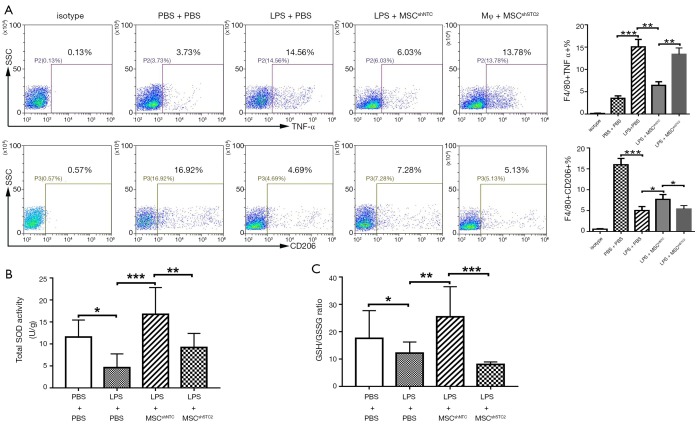
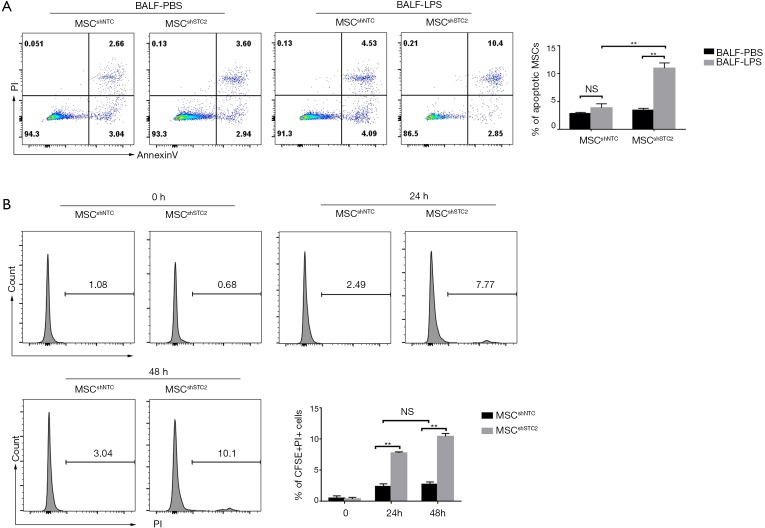
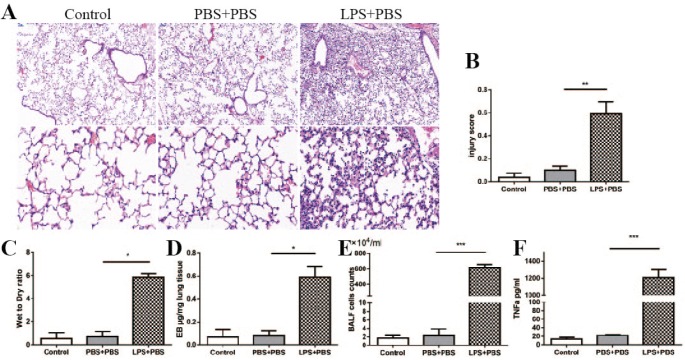
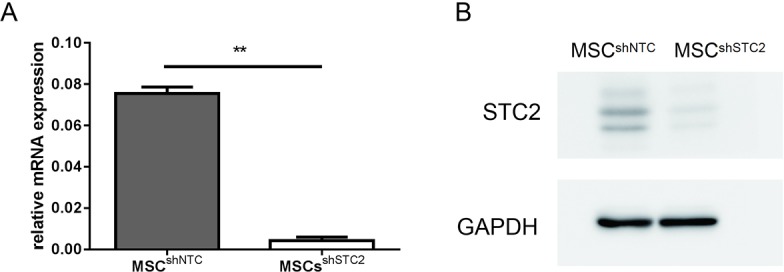
Specific shRNA was used to downregulate STC2 in MSCs. We detected ROS, cell apoptosis, and paracrine factors changes in MSCs. STC2-associated antioxidant genes were also investigated by Co-immunoprecipitation (Co-IP) and immunofluorescence. Macrophage (THP1 cells) phenotype transitions were measured by flow cytometry after coculturing with MSCs in vitro. Then, we used MSCs to treat LPS-induced ALI in mice, and assessed injury scores inflammation, and antioxidant activities in the lungs of the mice. Alveolar macrophage (AM) phenotypes and CFSE-labeled MSC apoptosis in collected bronchoalveolar fluids (BALF) were also analyzed by flow cytometry.
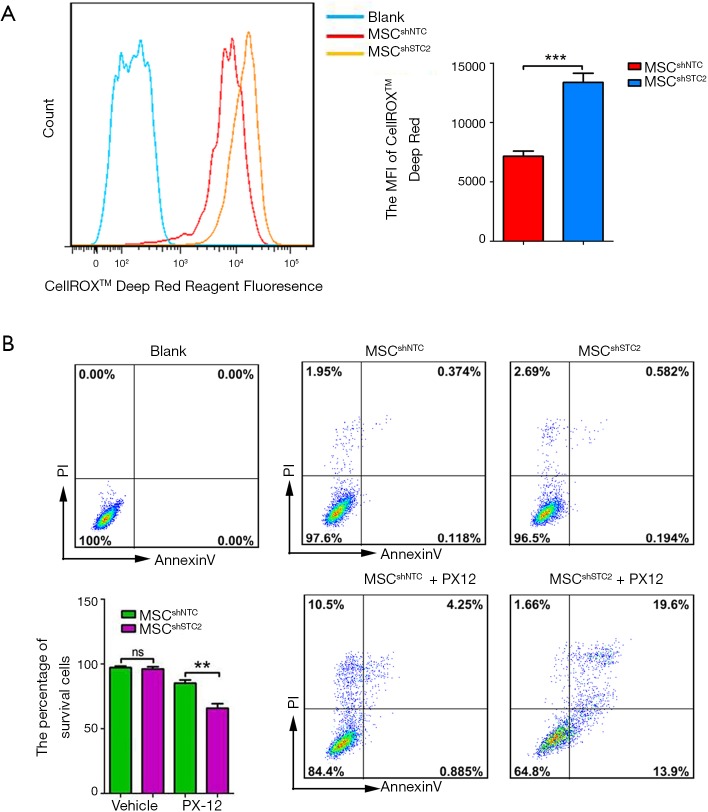
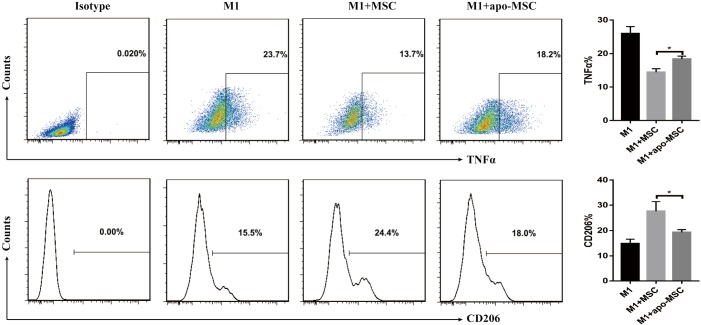
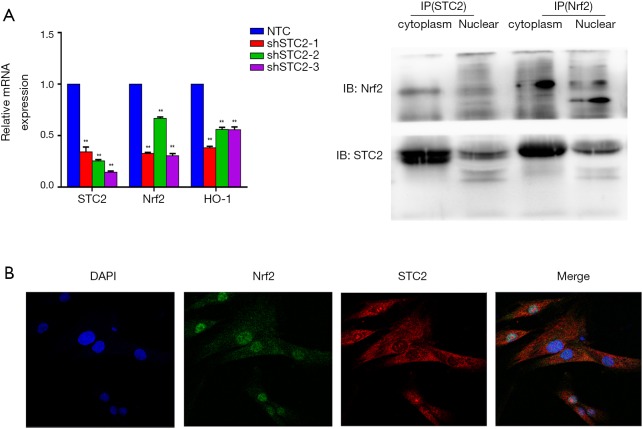
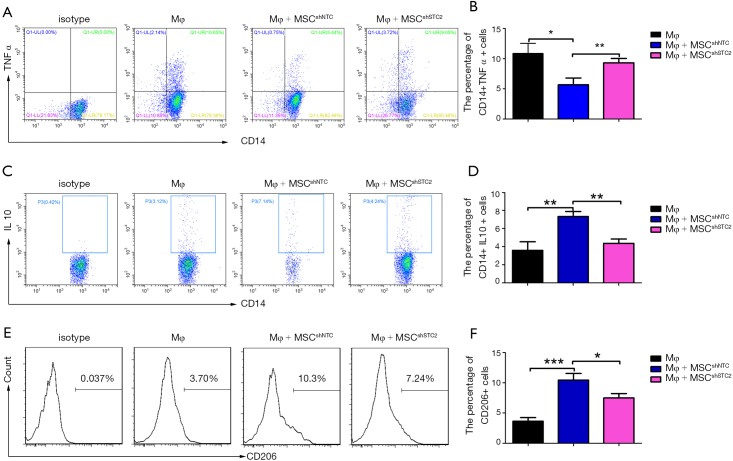
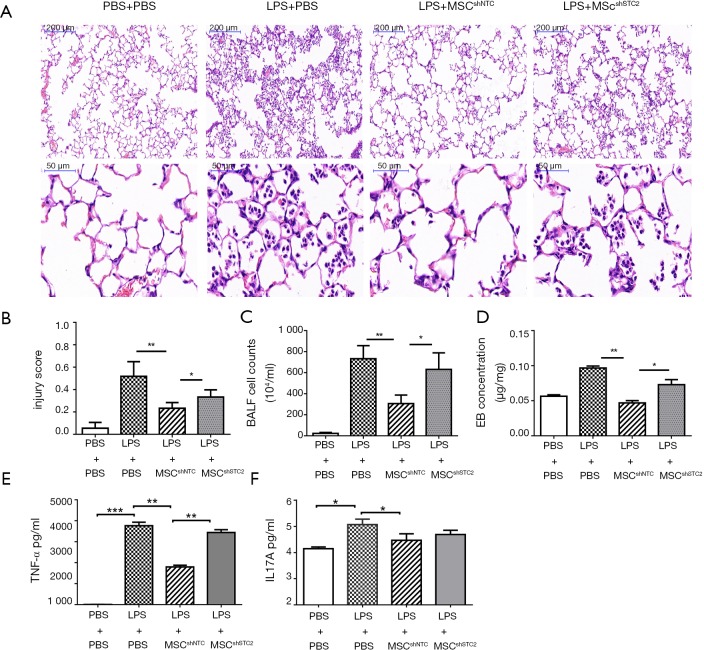
After the STC2 knockdown, MSCs increased ROS generation and cell apoptosis after PX12 pretreatment. The antioxidant protein Nrf2 was colocalized with STC2 in the nucleus. A lack of STC2 expression in MSCs produced less interleukin 10 (IL10) and blunted macrophage polarization in THP1 cells. Furthermore, in the murine LPS-induced ALI model, the STC2 knockdown counteracted the inflammatory resolution and antioxidative effect of MSCs in the lungs. MSC-treated mice had a higher lung injury score than the controls, which may be attributed to diminished AM polarization and increased apoptosis of MSCs
Collectively, these results suggested that STC2 is essential to the anti-oxidative and anti-inflammation properties of MSCs and could prove to be crucial for stem cell therapies for ALI.
急性肺损伤(ALI)是一种严重的综合征,临床上尚无有效的药物治疗方法。间充质基质细胞(MSCs)已被证明可促进ALI中的炎症消退和组织修复。然而,其具体机制尚未明确阐明。钙调素-2(STC2)是一种具有抗氧化特性的应激反应蛋白。我们之前的研究发现,STC2是MSCs中高表达的一种钙调素,可能参与免疫调节活动。然而,STC2在MSCs中对解决ALI的作用从未得到阐明。
使用特异性shRNA下调MSCs中的STC2。我们检测了MSCs中活性氧(ROS)、细胞凋亡和旁分泌因子的变化。还通过免疫共沉淀(Co-IP)和免疫荧光研究了与STC2相关的抗氧化基因。体外与MSCs共培养后,通过流式细胞术检测巨噬细胞(THP1细胞)的表型转变。然后,我们使用MSCs治疗小鼠的脂多糖(LPS)诱导的ALI,并评估小鼠肺组织中的损伤评分、炎症和抗氧化活性。还通过流式细胞术分析收集的支气管肺泡灌洗液(BALF)中肺泡巨噬细胞(AM)的表型和CFSE标记的MSCs凋亡情况。
STC2敲低后,PX12预处理后的MSCs中ROS生成增加且细胞凋亡增加。抗氧化蛋白Nrf2与STC2在细胞核中共定位。MSCs中缺乏STC2表达会导致白细胞介素10(IL10)产生减少,并使THP1细胞中的巨噬细胞极化减弱。此外,在小鼠LPS诱导的ALI模型中,STC2敲低抵消了MSCs在肺中的炎症消退和抗氧化作用。接受MSCs治疗的小鼠的肺损伤评分高于对照组,这可能归因于AM极化减弱和MSCs凋亡增加。
总体而言,这些结果表明STC2对MSCs的抗氧化和抗炎特性至关重要,并且可能被证明对ALI的干细胞治疗至关重要。